


Raleigh sits in North Carolina's humid subtropical zone with average humidity above 70 percent most of the year. This moisture-saturated air accelerates secondary damage after flooding or leaks. Within 24 hours, wet drywall begins wicking moisture upward through capillary action. Within 48 hours, mold spores activate and begin colonizing damp surfaces. The area's clay-heavy soil compounds problems in neighborhoods like Five Points and Mordecai where poor drainage causes water to pool around foundations during heavy rain events. Summer thunderstorms dump 2-3 inches in an hour across Wake County, overwhelming aging stormwater systems in established areas. Winter freeze-thaw cycles stress pipe joints in older homes throughout Oakwood and Cameron Park. Spring brings weeks of persistent rain that saturates crawl spaces and tests basement waterproofing in North Hills developments. Raleigh's mixed housing stock presents unique challenges. Historic bungalows near downtown use pier-and-beam foundations vulnerable to standing water. Suburban ranch homes in Brier Creek have slab foundations where plumbing leaks go undetected for weeks. Multi-story office buildings downtown concentrate water damage across multiple floors when roof membranes fail. Every hour of delay increases restoration costs and structural risk.
Silverline Water Damage Restoration Raleigh operates from strategically located dispatch points to reach any address in Wake County within 90 minutes. Our technicians carry truck-mounted extraction units, thermal imaging cameras, and commercial dehumidifiers on every call. We don't subcontract work or wait for equipment rentals. When a pipe bursts in your walls at 2 AM, our crew arrives with everything needed to stop water migration and begin drying immediately. We maintain direct relationships with every major insurance carrier operating in North Carolina. Our estimators use Xactimate software to create detailed damage assessments that adjusters accept without pushback. We photograph every affected surface, document moisture readings in real time, and provide itemized scopes that justify necessary repairs. Property owners avoid the endless phone tag and claim disputes that drag out inferior restoration jobs for months. Our approach combines speed with methodical execution. Water removal happens in hours. Structural drying follows IICRC S500 protocols with daily moisture monitoring until all materials reach equilibrium. We remove only what's unsalvageable and preserve everything we can dry properly. Cabinets get dried in place rather than demolished. Hardwood floors get saved with mat drying systems instead of replaced. This saves property owners thousands while delivering faster occupancy. Raleigh's restoration market has too many companies chasing storm work with undertrained crews and rented equipment. We staff full-time technicians who live in this area and respond from local staging locations. You get the same crew from start to finish, not random subcontractors. We answer our phones 24/7 because water damage doesn't wait for business hours.

Our trucks stage across Raleigh to reach flooded properties within 90 minutes. Every vehicle carries professional extraction equipment, air movers, and dehumidifiers. We start water removal immediately while other companies are still driving to Home Depot for rental equipment. This speed prevents secondary damage that doubles restoration costs.

We document damage with the same Xactimate software insurance adjusters use. Our estimates include proper line items, accurate measurements, and photographic evidence that survives adjuster scrutiny. Property owners avoid low settlement offers and endless disputes. We handle the paperwork so you can focus on getting back to normal.
Every crew member holds current Water Restoration Technician certification through the Institute of Inspection Cleaning and Restoration Certification. We follow documented drying protocols, not guesswork. Daily moisture readings track progress until materials reach safe equilibrium levels. This prevents callback mold issues that plague rushed jobs from inexperienced companies.
Our teams know how Raleigh homes are built. We understand pier-and-beam crawl space drainage in Oakwood, slab foundation plumbing in Brier Creek, and high-rise mechanical systems downtown. This local expertise speeds diagnosis and prevents unnecessary demolition. We dry what others would tear out and replace at triple the cost.
Water intrusion creates cascading problems that require specialized response at each stage. Silverline Water Damage Restoration Raleigh deploys targeted solutions based on water source, contamination level, and affected materials. Clean water from supply line breaks requires different handling than sewage backups or storm flooding. Our service categories address distinct scenarios that property owners face. Emergency water removal focuses on immediate extraction and damage mitigation when flooding is active. Structural drying targets hidden moisture in wall cavities, subfloors, and building assemblies. Complete restoration rebuilds damaged spaces to pre-loss condition. This systematic approach prevents the incomplete jobs that leave properties vulnerable to mold growth and structural failure months after the initial incident. We assign dedicated project managers who coordinate all phases from first response through final walkthrough. Property owners get a single point of contact instead of dealing with different subcontractors for extraction, drying, and repairs.
Our crews respond to active flooding with truck-mounted extraction units that remove thousands of gallons per hour. We pump standing water from basements, extract saturated carpeting, and squeegee hardwood floors before water penetrates tongue-and-groove joints. Thermal imaging cameras identify hidden moisture in wall cavities and under flooring. We pull baseboards, drill weep holes in walls, and position air movers to stop water migration. This immediate response prevents secondary damage that triples restoration costs when companies delay arrival for hours.
After water removal, moisture remains trapped in porous materials like drywall, insulation, and framing lumber. We deploy commercial dehumidifiers that extract 150 pints daily while air movers create circulation patterns that pull moisture from building cavities. Technicians return daily to measure moisture content in structural components using pin and pinless meters. Drying continues until materials reach 12-15 percent moisture content, the safe range that prevents mold growth. We maintain detailed moisture logs that satisfy insurance requirements and building inspectors.
Once structures are dry and stable, our reconstruction division rebuilds affected areas to pre-loss condition. We replace drywall, install new flooring, repaint walls, and reinstall trim. Licensed plumbers repair broken pipes. Electricians replace damaged wiring and fixtures. Our crews handle everything under one contract instead of forcing property owners to coordinate multiple trades. Final walkthrough happens when the space looks identical to its condition before water damage occurred. We clean job sites daily and protect unaffected areas with plastic barriers.
Raleigh's aging infrastructure and severe weather patterns create predictable water intrusion problems. Supply lines installed in homes built during the 1970s and 1980s reach end-of-service life. Pressurized failures dump hundreds of gallons before residents discover the leak. Stormwater systems designed for 2-inch rain events fail when summer thunderstorms drop 4 inches in 90 minutes. Combined sewer systems in older downtown neighborhoods back up during heavy rain as treatment capacity is overwhelmed. HVAC condensate lines clog with algae in humid months, causing drain pans to overflow into ceilings. Roof penetrations around satellite dishes and skylights deteriorate after years of UV exposure, allowing water intrusion during wind-driven rain. These scenarios share common traits. Water travels along the path of least resistance through wall cavities and floor assemblies. Damage remains hidden until stains appear on ceilings or floors feel spongy underfoot. By then, moisture has spread far beyond the visible evidence. Immediate professional assessment prevents guesswork about how far water has migrated.
Pressurized supply lines fail without warning and flood properties with clean water at 40-80 PSI. A half-inch line dumps 15 gallons per minute. Failures happen at weak joints, corroded sections, and freeze-damaged pipes. Water spreads across multiple rooms before shutoff valves are located. Immediate extraction prevents subfloor damage and plaster ceiling collapse. Our crews arrive with equipment to handle volumes that overwhelm shop vacuums.
Raleigh averages 43 inches of rain annually with intense summer thunderstorms that overwhelm gutters and foundation drains. Water pools against foundations and seeps through basement walls or crawl space vents. Roof leaks saturate attic insulation and drip into living spaces. This category of water damage carries contamination from roof surfaces and soil contact. Proper remediation requires antimicrobial treatment and complete removal of porous materials that absorbed contaminated water.
Air conditioning systems in Raleigh's humid climate produce gallons of condensate daily. Drain lines clog with algae and biofilm, causing overflow from drip pans directly above finished ceilings. Water stains drywall and saturates insulation before homeowners notice problems. Attic-mounted units flood entire ceiling planes when drain pans rust through. We extract water from ceiling cavities, remove wet insulation, and dry framing before mold colonizes damp wood surfaces.
Main line stoppages force sewage back through floor drains and toilet flanges. Tree roots infiltrate aging clay pipes in established neighborhoods. Flushable wipes and grease clogs block drain lines. This Category 3 contamination requires complete removal of affected materials, antimicrobial treatment, and specialized handling protocols. Porous materials like carpet padding and drywall below the flood line must be discarded. Our crews wear protective equipment and follow IICRC S500 standards for contaminated water cleanup.
Water damage creates chaos and panic. Property owners need clear information about what happens next and how long restoration will take. Silverline Water Damage Restoration Raleigh eliminates confusion with structured communication at every project phase. You speak with the same project manager from emergency call through final invoice. We explain findings in plain language without technical jargon or pressure tactics. Timelines are realistic based on actual drying science, not optimistic guesses designed to win bids. Costs are itemized and justified with photographs and moisture readings. Insurance coordination happens behind the scenes so property owners avoid endless phone tag with adjusters. Our goal is removing stress while restoring your property correctly.
When you call our emergency line, a live person answers within three rings. We collect basic information about water source, affected areas, and property access. A crew dispatches immediately with all necessary equipment already loaded. Upon arrival, technicians stop active water flow, identify moisture extent with thermal cameras, and explain what they found in clear terms. You receive a detailed scope of work before equipment placement begins. We never start work without explaining what we're doing and why it's necessary.
Structural drying takes 3-7 days depending on materials affected and moisture levels. Our technicians visit daily to record moisture readings, adjust equipment, and update you on progress. You receive photos showing moisture meter readings decreasing toward safe levels. We explain when equipment can be removed and reconstruction can begin. No surprises or disappearing acts. Your project manager's cell phone number is available for questions. We coordinate access times around your schedule rather than demanding you adjust to ours.
Final walkthrough happens when reconstruction is complete and the property matches pre-loss condition. We verify all materials are dry, repairs are finished to code, and the space is clean. You receive documentation including final moisture readings, before-and-after photos, and equipment logs for insurance submission. We don't request final payment until you confirm satisfaction. Our warranty covers workmanship issues discovered after closeout. Questions get answered weeks or months later if concerns arise.
Effective water remediation follows a proven sequence. Silverline Water Damage Restoration Raleigh executes this process the same way on every project to ensure consistent outcomes and prevent missed steps that lead to mold callbacks.
Our crew arrives within 90 minutes with truck-mounted extraction units and portable pumps. Technicians remove standing water, extract saturated carpeting, and squeegee hard surfaces. Thermal imaging cameras map moisture extent in walls and subfloors. We photograph all damage for insurance documentation. Air movers and dehumidifiers are positioned based on airflow patterns that accelerate evaporation. Affected areas are contained with plastic barriers to prevent humidity from spreading. You receive an initial assessment explaining damage extent and estimated drying timeline.
Commercial dehumidifiers run continuously to remove moisture from the air while air movers circulate humidity away from wet surfaces. Technicians return daily to measure moisture content in structural materials using calibrated meters. We adjust equipment placement based on drying progress. Hidden moisture in wall cavities is tracked until readings reach 12-15 percent, the safe range for building materials. Drying typically requires 3-7 days depending on materials and saturation levels. We provide daily updates with photographic documentation of decreasing moisture levels.
Once all materials reach safe moisture content, our reconstruction crew rebuilds damaged areas. We replace drywall, install flooring, repaint surfaces, and reinstall trim. Licensed trades handle plumbing repairs, electrical work, and HVAC modifications. All work meets North Carolina building codes and manufacturer specifications. Final walkthrough verifies the space matches pre-loss condition. We provide warranty documentation and answer any questions about maintaining the restored areas. Job sites are cleaned thoroughly before project closeout.
Professional water remediation follows established protocols developed by the Institute of Inspection Cleaning and Restoration Certification. The IICRC S500 Standard guides water damage restoration with requirements for moisture assessment, drying goals, and antimicrobial treatment. These protocols exist because water damage restoration involves complex building science principles that untrained contractors misunderstand. Water moves through building assemblies via capillary action, vapor diffusion, and gravity flow. Porous materials like drywall and insulation absorb moisture through capillary wicking where water climbs upward against gravity through microscopic pores. Vapor diffusion drives moisture from high-concentration areas to low-concentration zones, which is why wet materials must be dried to equilibrium with surrounding air rather than just surface-dried. Gravity flow causes water to accumulate in lowest points like basement corners and floor joists. Proper restoration addresses all three moisture movement mechanisms. North Carolina's humid climate complicates drying because ambient air already carries high moisture content. Simply opening windows and running box fans does not create the vapor pressure differential needed to extract moisture from saturated materials. Professional dehumidification equipment removes moisture from the air to create a dry environment that pulls water out of building components through vapor pressure gradient. Psychrometric calculations guide equipment selection based on air temperature, relative humidity, and total moisture load. Raleigh's subtropical conditions require larger dehumidifier capacity than arid climates because incoming ventilation air carries more moisture. Building materials have specific drying goals measured in moisture content percentage. Framing lumber should dry to 12-15 percent moisture content. Drywall should reach below 1 percent on moisture meter readings. Concrete takes weeks to dry because moisture migrates slowly through dense materials. Professional restoration companies measure daily and adjust drying strategies based on actual progress rather than arbitrary timelines. Insurance claims require documentation showing that proper drying occurred. Moisture logs with daily readings, equipment placement diagrams, and psychrometric calculations provide evidence that industry standards were followed.
The IICRC S500 Standard establishes moisture content goals for building materials, required antimicrobial treatments, and documentation protocols. Restoration companies must follow these standards to maintain certification and satisfy insurance requirements. We provide detailed moisture logs showing daily readings until all materials reach acceptable levels. This documentation proves proper drying occurred and defends against future mold claims. Shortcuts create liability for property owners when problems surface months later.
Water remediation costs depend on water volume, contamination category, affected materials, and required drying time. Clean water from supply lines costs less to remediate than sewage backups requiring antimicrobial treatment and material disposal. Hardwood floor drying adds expense versus carpet extraction. Multi-story buildings require more equipment and labor than single-level properties. Most residential projects range from basic extraction to complete reconstruction depending on damage extent. Insurance typically covers necessary restoration after deductible.
Structural drying requires 3-7 days for most residential water damage. Dense materials like hardwood flooring and plaster walls take longer than carpet and drywall. High humidity slows evaporation rates. Aggressive claims of 24-hour drying ignore building science principles and lead to trapped moisture. We dry materials properly based on daily moisture measurements rather than optimistic schedules. Equipment remains in place until readings confirm safe levels. Rushed jobs create mold problems that surface weeks after contractors leave.
Water damage restoration in North Carolina falls under general contractor regulations when reconstruction is involved. Companies must carry proper liability insurance and workers compensation coverage. Technicians should hold IICRC Water Restoration Technician certification demonstrating knowledge of industry standards. Unlicensed contractors cannot legally pull permits for reconstruction work. We maintain all required licensing, insurance, and certifications. Our documentation satisfies insurance adjusters and building inspectors who verify compliance during claim reviews.
Professional explanation of the water damage restoration process in Raleigh, North Carolina. This video covers emergency water extraction, structural drying techniques, moisture monitoring protocols, and complete property restoration. Learn how certified technicians respond to flooding, burst pipes, and storm damage across Raleigh and Wake County. Topics include IICRC restoration standards, equipment used for water removal and dehumidification, realistic drying timelines, and insurance documentation requirements. Provides expert guidance on choosing qualified water damage restoration services in Raleigh's humid climate.
Silverline Water Damage Restoration Raleigh serves all neighborhoods across the greater Raleigh metro area with fast response from strategically positioned dispatch locations. Our crews know the unique characteristics of properties throughout Wake County and adapt restoration approaches based on construction types and geographic challenges. Downtown Raleigh presents distinct challenges with high-rise office buildings and historic structures in the Oakwood and Mordecai neighborhoods. These older areas feature pier-and-beam foundations, plaster walls, and aging plumbing systems. Water intrusion in historic homes requires careful drying to preserve original materials and architectural details. Multi-tenant office buildings need containment strategies that minimize business disruption across multiple floors. North Raleigh subdivisions like Bedford at Falls River and Wakefield Plantation contain newer construction with slab foundations and open floor plans. Water spreads quickly across large rooms with fewer partition walls to contain flow. These homes often have finished basements vulnerable to flooding during heavy rain when sump pumps fail or French drains become overwhelmed. The Brier Creek area northeast of Raleigh International Airport includes dense commercial development mixed with residential neighborhoods. Properties here face challenges from storm water runoff as development increased impervious surfaces and stressed aging drainage infrastructure. Office parks and retail centers require rapid response to prevent inventory damage and business interruption losses. West Raleigh neighborhoods near NC State University include rental properties and older single-family homes. These areas see frequent water damage from deferred maintenance, tenant neglect, and aging building systems. Landlords need fast turnaround to minimize vacancy losses between tenants. Cary and Apex communities south of Raleigh represent some of Wake County's fastest-growing areas with mixed housing stock from 1980s subdivisions to brand-new construction. Water damage scenarios range from builder defect issues in new homes to worn-out water heaters in older properties. Our technicians respond throughout the Research Triangle region including Durham County and Chapel Hill when water emergencies strike. We maintain equipment staging locations that allow rapid deployment regardless of traffic patterns on I-40 or Highway 64. Wake County property owners get the same fast response whether they're located near downtown, in northern suburbs, or outlying areas approaching Johnston County. Geographic coverage means nothing without local knowledge. Our crews understand how Raleigh's red clay soil affects foundation drainage, how summer humidity accelerates mold growth, and how aging infrastructure in established neighborhoods increases failure risk. This local expertise speeds damage assessment and prevents unnecessary demolition when materials can be dried properly.
Water damage restoration costs in Raleigh typically range from $1,200 to $5,000 for residential jobs, depending on the extent of damage and affected areas. Minor leaks in a bathroom cost less than flood damage affecting multiple rooms. Key factors include water category (clean, gray, or black water), structural drying needs, materials requiring replacement, and mold remediation. Raleigh's high humidity can accelerate secondary damage, increasing costs if you delay. Most local contractors provide free inspections and work directly with your insurance adjuster to document damage and justify costs.
Yes, professional water damage restoration is worth it in Raleigh. Water migrates through drywall, flooring, and insulation quickly. Within 24 to 48 hours, mold begins growing in our humid climate. DIY methods miss hidden moisture in wall cavities and subfloors, leading to structural rot, mold, and diminished home value. Professional restoration uses thermal imaging, moisture meters, and industrial dehumidifiers to dry structures completely. The cost of restoration is far less than replacing floor joists, dealing with toxic mold, or explaining undisclosed water damage when you sell.
Water remediation stops the immediate problem. Crews extract standing water, remove wet materials, and stabilize the site to prevent further damage. Water restoration is the complete rebuild process. After remediation dries the structure, restoration replaces drywall, flooring, cabinetry, and paint to return your home to pre-loss condition. In Raleigh, many companies handle both phases. Remediation happens first (days), then restoration begins once moisture readings are acceptable (weeks). You need both for a complete recovery. Remediation saves the structure. Restoration makes it livable again.
Water damage restoration costs in Raleigh typically range from $1,200 to $5,000 for residential jobs, depending on the extent of damage and affected areas. Minor leaks in a bathroom cost less than flood damage affecting multiple rooms. Key factors include water category (clean, gray, or black water), structural drying needs, materials requiring replacement, and mold remediation. Raleigh's high humidity can accelerate secondary damage, increasing costs if you delay. Most local contractors provide free inspections and work directly with your insurance adjuster to document damage and justify costs.
Yes, professional water damage restoration is worth it in Raleigh. Water migrates through drywall, flooring, and insulation quickly. Within 24 to 48 hours, mold begins growing in our humid climate. DIY methods miss hidden moisture in wall cavities and subfloors, leading to structural rot, mold, and diminished home value. Professional restoration uses thermal imaging, moisture meters, and industrial dehumidifiers to dry structures completely. The cost of restoration is far less than replacing floor joists, dealing with toxic mold, or explaining undisclosed water damage when you sell.
Water remediation stops the immediate problem. Crews extract standing water, remove wet materials, and stabilize the site to prevent further damage. Water restoration is the complete rebuild process. After remediation dries the structure, restoration replaces drywall, flooring, cabinetry, and paint to return your home to pre-loss condition. In Raleigh, many companies handle both phases. Remediation happens first (days), then restoration begins once moisture readings are acceptable (weeks). You need both for a complete recovery. Remediation saves the structure. Restoration makes it livable again.
Water damage restoration includes emergency response, water extraction, structural drying, demolition of unsalvageable materials, antimicrobial treatment, dehumidification, moisture monitoring, and full rebuild. Technicians assess damage with moisture meters and thermal cameras. They remove baseboards, drill weep holes, and set air movers to dry framing and subfloors. In Raleigh homes, crawl spaces often require attention due to standing water and high humidity. After drying (typically three to seven days), crews replace drywall, flooring, insulation, and trim. Final steps include paint, cleaning, and deodorization.
Insurance typically covers sudden and accidental water damage in Raleigh, like burst pipes, appliance failures, or roof leaks from storm damage. Policies exclude gradual damage from neglect, like slow leaks you ignored, or flood damage (which requires separate flood insurance). Your restoration company should document everything with photos and moisture readings, then work directly with your adjuster. Many Raleigh contractors handle claims paperwork and negotiate on your behalf. You pay the deductible upfront. Insurance covers the rest if the cause is covered. Review your policy exclusions carefully.
Servpro and other national franchises typically respond within one to four hours for emergency water extraction in Raleigh. The full restoration timeline depends on damage severity. Minor jobs take three to five days for drying, then one to two weeks for repairs. Major flood damage can take three to six weeks. Raleigh's humidity slows drying compared to dry climates. While Servpro has brand recognition, local independent contractors often provide faster service, lower costs, and more personalized attention. Compare response times, equipment, and reviews before choosing any provider for your specific situation.
Water damage restoration includes emergency response, water extraction, structural drying, demolition of unsalvageable materials, antimicrobial treatment, dehumidification, moisture monitoring, and full rebuild. Technicians assess damage with moisture meters and thermal cameras. They remove baseboards, drill weep holes, and set air movers to dry framing and subfloors. In Raleigh homes, crawl spaces often require attention due to standing water and high humidity. After drying (typically three to seven days), crews replace drywall, flooring, insulation, and trim. Final steps include paint, cleaning, and deodorization.
Insurance typically covers sudden and accidental water damage in Raleigh, like burst pipes, appliance failures, or roof leaks from storm damage. Policies exclude gradual damage from neglect, like slow leaks you ignored, or flood damage (which requires separate flood insurance). Your restoration company should document everything with photos and moisture readings, then work directly with your adjuster. Many Raleigh contractors handle claims paperwork and negotiate on your behalf. You pay the deductible upfront. Insurance covers the rest if the cause is covered. Review your policy exclusions carefully.
Servpro and other national franchises typically respond within one to four hours for emergency water extraction in Raleigh. The full restoration timeline depends on damage severity. Minor jobs take three to five days for drying, then one to two weeks for repairs. Major flood damage can take three to six weeks. Raleigh's humidity slows drying compared to dry climates. While Servpro has brand recognition, local independent contractors often provide faster service, lower costs, and more personalized attention. Compare response times, equipment, and reviews before choosing any provider for your specific situation.
While based in Raleigh, Silverline proudly serves the surrounding areas, providing expert water damage restoration wherever you are. Our interactive map allows you to visualize our service radius and plan your visit, or simply understand our immediate response capabilities. We are dedicated to reaching you quickly, ensuring prompt and efficient service for your home or business, no matter your precise location within our service area, ready to assist.
Address:
Raleigh, NC, 27601
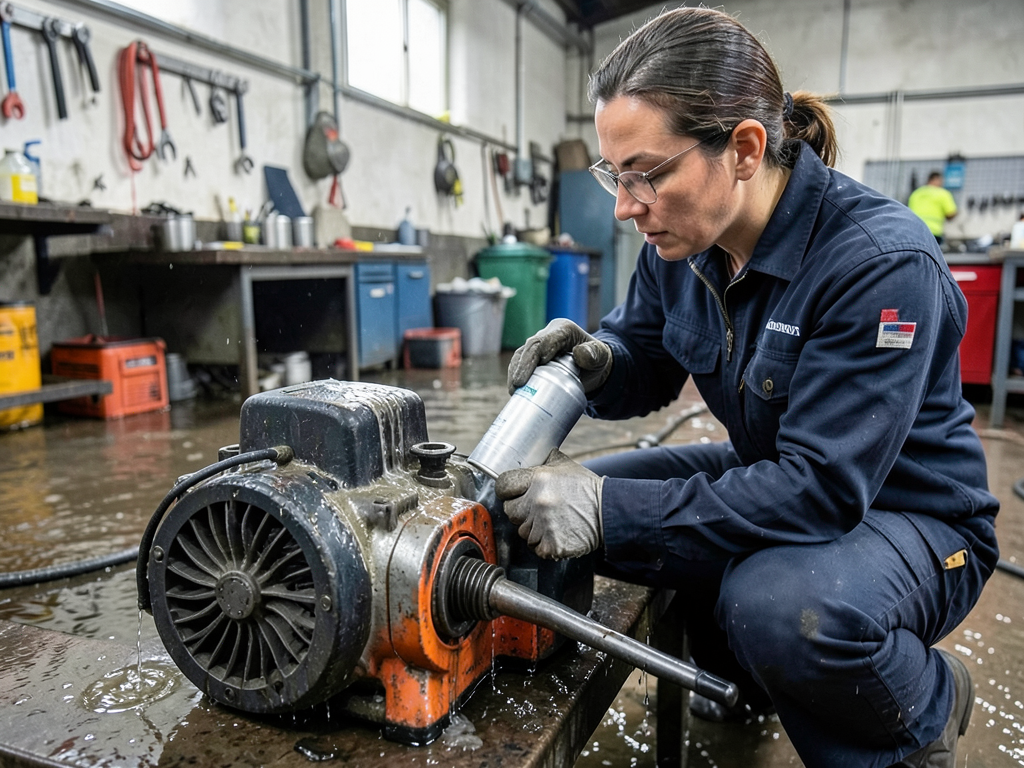
Flooding in your Southeast Raleigh workshop can destroy thousands of dollars in power tools and equipment within hours. The humid North Carolina climate accelerates rust and corrosion, making immediate action critical. This guide shows you…

Understanding the Three Categories of Flood Water (And Which Ones Are Actually Dangerous)\p>When water floods…
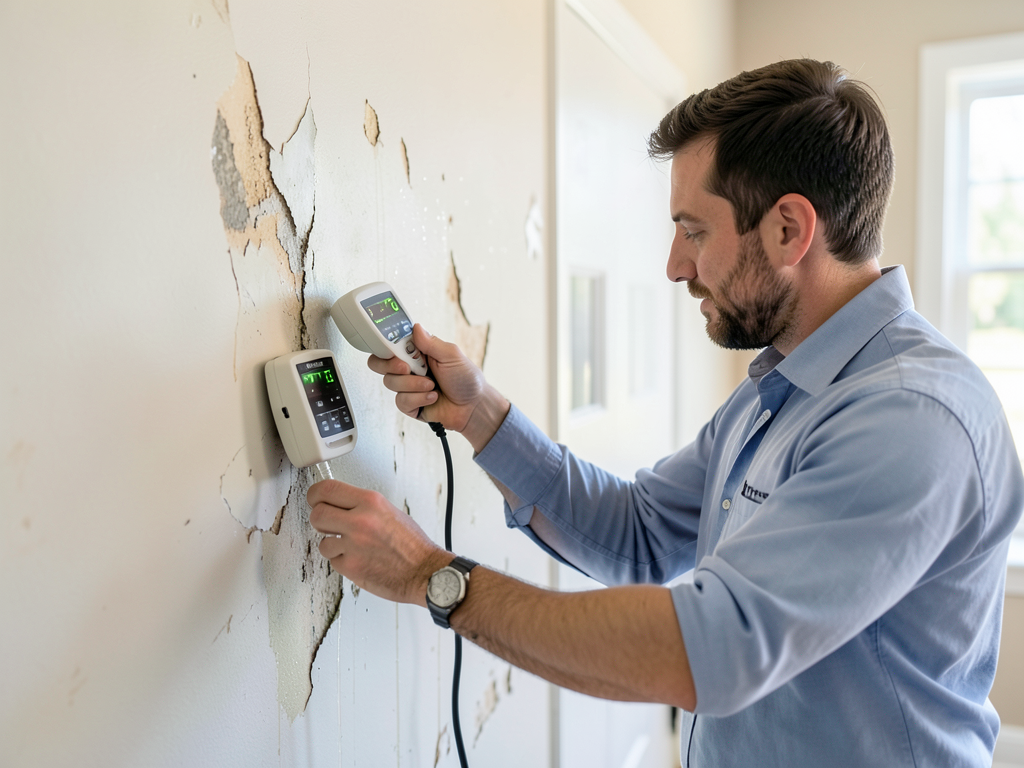
Why Water Travels Up Your Walls (The Physics of Capillary Action in Raleigh Homes) When…
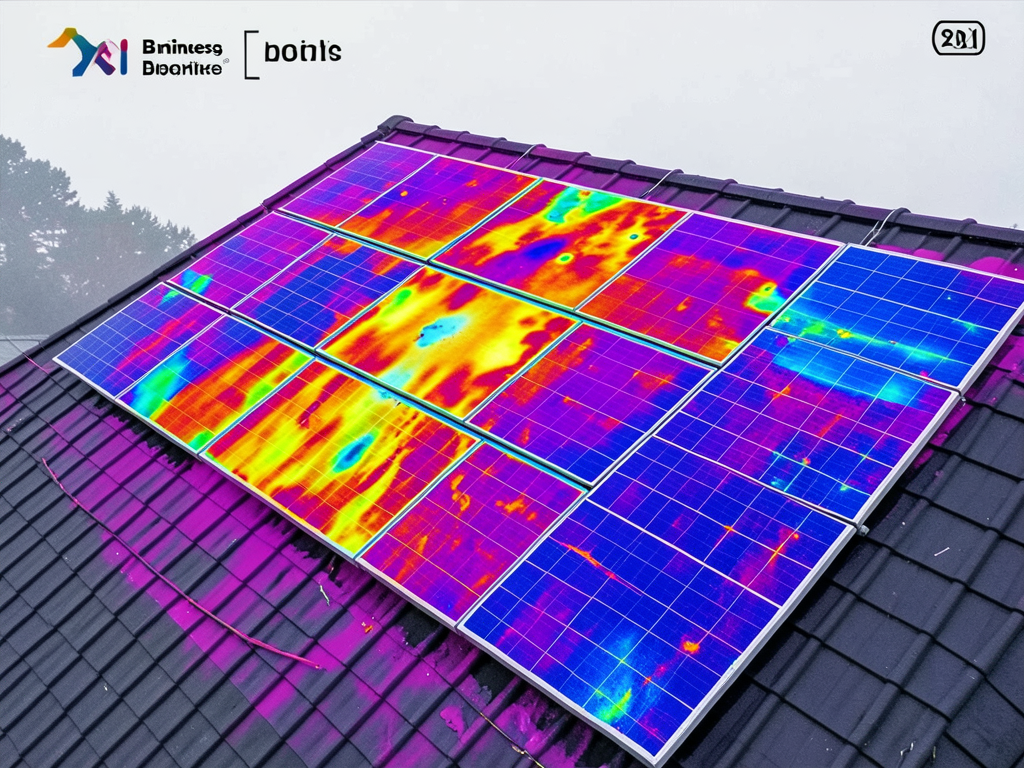
Can Solar Panel Installation Cause Roof Leaks in Your Blue Ridge Home? Solar panels create…
Water damage spreads every minute you wait. Silverline Water Damage Restoration Raleigh responds 24/7 with professional extraction equipment and certified technicians. Call (984) 294-5900 now for immediate dispatch. We'll stop the damage and start restoration.