


Durham's position in the North Carolina Piedmont creates specific water intrusion challenges that demand rapid professional response. The region's clay-heavy soil composition prevents proper drainage around foundations, causing water to pool and seep into basements during heavy rainfall events. Spring and summer thunderstorms dump intense precipitation in short bursts, overwhelming older stormwater systems in neighborhoods like Old West Durham and Walltown.
The Durham climate combines high humidity with temperature swings that stress aging plumbing systems. Winter freeze-thaw cycles cause pipes to burst in crawl spaces, especially in historic homes near Trinity Park and Duke Park where original plumbing remains in service. Properties near the Eno River and Third Fork Creek face elevated flood risk during tropical weather systems that track inland from the coast.
Durham's mix of historic structures and modern construction means water damage affects different property types in distinct ways. Older homes in Watts-Hillandale feature pier-and-beam foundations vulnerable to moisture accumulation, while newer construction in Southpoint and Research Triangle areas relies on HVAC systems that can develop condensation leaks. The city's rapid growth has strained infrastructure in developing areas, increasing the likelihood of sewer backups and supply line failures that flood finished spaces without warning.
Silverline Water Damage Restoration Raleigh has built its reputation on one principle: be there when Durham residents need help most. We maintain a strategic location that puts our rapid response vehicles within reach of every Durham neighborhood, from downtown to the county limits. When you call our emergency line, you reach a live technician who dispatches immediately, not an answering service or call center routing your crisis to the lowest bidder.
Our team knows Durham's building stock intimately. We understand how water behaves in the crawl spaces of Bungalow-style homes in Forest Hills, how it saturates the finished basements common to subdivisions near Streets at Southpoint, and how it damages the mixed-use properties springing up along the American Tobacco Trail. This local knowledge lets us assess damage faster and choose the right extraction strategy from the moment we arrive.
We staff IICRC-certified water damage technicians around the clock because water emergencies follow no schedule. Our fleet carries truck-mounted extraction systems, commercial dehumidifiers, thermal imaging cameras, and moisture detection equipment that most restoration companies rent only when needed. This means we start mitigation work immediately rather than waiting for equipment delivery while damage spreads.
Insurance coordination separates adequate restoration companies from exceptional ones. We document every phase of damage and remediation with digital photos, moisture readings, and detailed scope reports that insurance adjusters need to approve claims quickly. Our estimators speak the language of insurance policies and know which coverages apply to different water damage scenarios, removing confusion during an already stressful situation. We work with every major carrier serving Durham and have direct relationships with local adjusters who trust our assessments.

Our emergency dispatch system guarantees a certified technician arrives at your Durham property within 90 minutes of your call, day or night. We stage response vehicles strategically across Durham County to minimize travel time when minutes determine whether water damage becomes structural failure. You get immediate mitigation, not appointment scheduling.

We handle all insurance communication and submit claims documentation directly to your carrier. Our estimators produce detailed scope reports with line-item damage assessments that adjusters approve without dispute. You pay only your deductible while we manage the paperwork, supplement negotiations, and payment collection that bog down most restoration projects.
Every technician who enters your property holds current IICRC certification in water damage restoration and applied structural drying. We maintain ongoing training in the latest extraction techniques, antimicrobial treatments, and moisture detection protocols. Our crew chiefs average eight years of hands-on restoration experience across thousands of Durham properties.
We live and work in Durham, not a distant regional hub. Our warehouse stocks replacement materials that match local architecture, from historic home trim profiles to modern flooring systems. We know which Durham building inspectors to contact for permit expediting and which local contractors deliver quality reconstruction when structural repairs extend beyond cosmetic restoration.
Water damage destroys property through three mechanisms: immediate saturation, ongoing absorption, and secondary contamination. Silverline Water Damage Restoration Raleigh addresses all three with specialized service protocols designed around damage source, contamination level, and structural impact. We don't offer one-size-fits-all cleanup because different water emergencies require distinct remediation approaches.
Our service structure separates emergency mitigation from complete restoration and ongoing protection. Emergency water extraction stops active damage and stabilizes the property. Complete structural drying and restoration returns spaces to pre-loss condition with repairs and reconstruction. Contamination remediation addresses sewage backups and storm flooding that introduces hazardous materials requiring specialized treatment protocols.
This division lets us deploy the right resources at the right time. A supply line leak demands immediate extraction and drying but minimal reconstruction. A sewage backup requires containment, antimicrobial treatment, and disposal of contaminated materials before any repair work begins. Storm flooding may need emergency board-up services and temporary power alongside water removal. Understanding these distinctions means we arrive prepared to solve your specific problem, not improvise solutions with inadequate equipment.
When water actively floods your property, our truck-mounted extraction systems remove thousands of gallons per hour from carpets, padding, and flooring materials. We deploy submersible pumps for standing water, weighted extraction tools for saturated carpets, and specialized vacuums for hardwood and tile surfaces. Our thermal imaging cameras identify hidden moisture in wall cavities and subfloors that standard inspection misses. We place commercial dehumidifiers and air movers within the first hour to halt secondary damage while water removal continues.
After extraction removes visible water, absorbed moisture remains in framing, insulation, drywall, and subfloors. Our applied structural drying protocol uses psychrometric calculations to determine precise equipment placement and runtime. We monitor moisture content daily with pin and pinless meters, adjusting dehumidifier settings and airflow patterns until materials return to dry standard. This science-based approach prevents mold growth, warping, and structural weakening that occurs when moisture lingers in building materials beyond 48 hours.
Sewage backups and storm flooding introduce bacteria, viruses, and chemical contaminants that make water remediation a health hazard. Our contamination remediation follows IICRC S500 standards for category 3 water damage. We establish containment barriers, remove and dispose of porous materials that cannot be sanitized, and apply EPA-registered antimicrobial treatments to remaining surfaces. Technicians wear personal protective equipment and follow decontamination protocols that protect your family from exposure to pathogens in contaminated water and materials.
Durham's water damage patterns reflect the region's climate, infrastructure age, and construction methods. Spring brings intense thunderstorms that overwhelm basement waterproofing and expose foundation drainage failures. Summer humidity stresses HVAC systems, causing condensate pan overflows and refrigerant line leaks that drip onto ceilings for weeks before detection. Fall hurricanes and tropical systems dump rainfall that exceeds stormwater capacity in older neighborhoods where combined sewer systems still serve properties.
Winter freezes burst exposed pipes in crawl spaces and attics, particularly in older homes where insulation gaps expose plumbing to temperature extremes. The Durham housing market includes properties ranging from 1920s Craftsman homes with original plumbing to modern construction with complex mechanical systems. This diversity means water damage sources vary significantly across neighborhoods, requiring restoration teams who understand how different building types fail when water intrudes.
The following issues represent the most frequent water damage calls we receive from Durham residents. Each scenario demands specific response protocols, and early professional intervention prevents minor water intrusion from becoming major structural damage and mold contamination.
Supply line failures dump hundreds of gallons into living spaces within minutes. Freezing temperatures split copper pipes in unheated crawl spaces, while corrosion causes pinhole leaks that evolve into ruptures. Older Durham homes feature galvanized steel plumbing that deteriorates from inside, failing without warning. Burst pipes flood finished spaces rapidly, saturating drywall, insulation, and flooring before occupants locate shutoff valves.
Durham's clay soil and seasonal rainfall create hydrostatic pressure against foundation walls. Finished basements in neighborhoods near Ellerbe Creek and Third Fork Creek flood during heavy rain when exterior drainage systems fail or gutters overflow. Water seeps through foundation cracks, window wells, and floor-wall joints, damaging drywall, carpeting, and stored belongings. Repeated intrusion leads to mold growth in wall cavities and insulation.
Washing machine hoses, dishwasher connections, and water heater tanks fail in occupied homes, flooding kitchens and laundry rooms before detection. Rubber supply hoses deteriorate after five years but rarely get replaced preventively. Water heaters rust through at the bottom, releasing 40 to 80 gallons onto floors. These failures occur during operation, spreading water across multiple rooms before shutoff.
Durham thunderstorms and tropical weather systems drive rain through compromised roof assemblies and flashing details. Water enters attics and tracks along framing to interior walls, causing ceiling stains and insulation saturation. Wind-driven rain penetrates window and door openings in older homes where weatherstripping has failed. This intrusion often goes unnoticed until visible damage appears, allowing mold to establish in hidden cavities.
Water emergencies create panic. You discover flooding, realize the scope exceeds what towels and shop-vacs can handle, and need professional help immediately. When you call Silverline Water Damage Restoration Raleigh, you reach a trained technician who asks targeted questions about water source, affected areas, and safety concerns. We dispatch a crew to your Durham property while still on the phone, giving you an arrival time window under 90 minutes.
Our response protocols prioritize three outcomes: stop ongoing damage, protect your belongings, and document everything for insurance. The crew chief who arrives performs a detailed assessment using moisture meters and thermal cameras before equipment deployment begins. You receive a clear explanation of what caused the damage, what restoration will involve, and what timeline to expect for drying and repairs.
Communication continues throughout the project. We provide daily updates on moisture readings, explain when equipment can be removed, and coordinate reconstruction schedules when repairs extend beyond drying. Our project managers stay available by phone and respond to questions the same day. You never wonder what happens next or whether the work is progressing appropriately.
Your call triggers immediate crew dispatch. While traveling to your property, our technician contacts your insurance carrier to initiate the claim and verify coverage. Upon arrival, we assess damage severity, identify the water source, and determine contamination level. You receive a clear explanation of what restoration involves and which materials can be saved versus what requires replacement. We photograph all damage and begin extraction within 20 minutes of arrival.
We document every aspect of damage and remediation for insurance purposes. Moisture readings get recorded on detailed floor plans showing affected areas. Photos capture damage progression and restoration progress. Our estimators produce line-item scope reports using Xactimate software that adjusters recognize and approve without dispute. We handle all insurance communication, submit documentation directly to your carrier, and negotiate supplements when hidden damage emerges during restoration.
Drying continues until moisture meters confirm materials have returned to dry standard. We provide daily monitoring reports showing progress toward completion. Once drying finishes, our reconstruction division handles all repairs from drywall replacement to flooring installation. Final verification includes thermal imaging to confirm no hidden moisture remains and documentation showing your property meets pre-loss condition. You receive a completion report for your records and insurance file.
Water damage restoration follows a logical progression from emergency response through complete repair. Each phase requires specific expertise, equipment, and documentation to ensure thorough remediation and insurance approval.
We arrive with truck-mounted extraction systems and remove standing water from all affected areas. Submersible pumps handle deep flooding while weighted extraction wands pull water from carpets and padding. We remove soaked materials that cannot be saved and relocate furniture to dry areas. Commercial dehumidifiers and air movers get positioned strategically based on moisture readings and airflow requirements. This emergency phase typically completes within four to six hours of arrival.
Drying equipment runs continuously while technicians monitor moisture levels daily. We use pin meters for wood materials and non-invasive scanners for drywall and concrete. Thermal imaging cameras verify airflow reaches all affected areas and identify hidden moisture pockets. Equipment gets adjusted based on drying progress and psychrometric conditions. Most residential properties reach dry standard within three to five days depending on saturation extent and material types affected.
Once drying completes, our reconstruction team rebuilds damaged areas to pre-loss condition. We replace drywall, insulation, flooring, trim, and any structural components compromised by water exposure. Our carpenters match existing finishes and architectural details so repairs blend seamlessly. Final cleaning removes all dust and residue from construction work. You receive documentation showing completion of all restoration work and verification that moisture levels remain within acceptable range.
Professional water damage restoration follows scientific protocols established by the Institute of Inspection, Cleaning and Restoration Certification. These standards define proper response procedures, material handling requirements, and documentation expectations that insurance carriers reference when evaluating claims. Understanding these protocols helps property owners recognize quality restoration work and avoid contractors who cut corners.
The IICRC S500 standard categorizes water damage by contamination level and material porosity. Category 1 water originates from sanitary sources like supply lines and poses no health risk. Category 2 water contains contamination that may cause illness, such as dishwasher overflow or washing machine discharge. Category 3 water is grossly contaminated with sewage, chemicals, or flood water carrying environmental pathogens. Each category demands different handling procedures and safety protocols.
Material classification determines salvageability. Class 1 damage affects materials with slow absorption rates like concrete or plywood subflooring. Class 2 involves fast-absorbing materials across partial room areas, such as carpet and pad in a bedroom. Class 3 indicates saturation of walls, ceilings, insulation, and flooring throughout entire spaces. Class 4 describes specialty drying situations like hardwood floors, plaster, or stone that require extended drying times. These classifications drive equipment selection and drying duration.
Psychrometry provides the scientific foundation for structural drying. We measure temperature, relative humidity, and specific humidity to calculate vapor pressure differences between wet materials and air. Dehumidifiers remove moisture from air while air movers accelerate evaporation from surfaces. The relationship between these factors determines drying efficiency and equipment runtime. Proper psychrometric monitoring prevents both under-drying that leads to mold growth and over-drying that wastes energy and time.
Durham's humid subtropical climate complicates water damage restoration. Summer outdoor air carries high moisture content that infiltrates work areas when windows or doors open. This ambient humidity slows drying and requires sealed containment with conditioned air exchange. Winter heating systems can over-dry interiors, causing wood materials to crack if drying equipment runs without proper monitoring. Our technicians adjust protocols based on seasonal conditions to achieve optimal drying without creating secondary damage.
IICRC certification requires formal training in water damage restoration principles, hands-on practical examination, and continuing education every two years. Certified technicians understand water behavior, material science, microbial remediation, and documentation standards. Insurance carriers prefer IICRC-certified restorers because certification demonstrates competency in industry-standard protocols. Our entire field staff maintains current Water Restoration Technician and Applied Structural Drying certifications.
Water damage restoration costs depend on saturation extent, contamination level, and material types affected. Emergency extraction and drying typically represents 40 percent of total project cost, while reconstruction of damaged materials comprises the remaining expense. Category 3 contamination increases costs due to disposal requirements and antimicrobial treatment protocols. Insurance deductibles apply to total restoration costs, not individual service phases.
Emergency extraction completes within the first day. Structural drying requires three to seven days for most residential properties depending on material saturation and psychrometric conditions. Reconstruction timelines vary based on damage extent, ranging from two days for minor drywall repairs to three weeks for whole-room restoration involving flooring, trim, and painting. We provide specific timelines after initial assessment based on your property's conditions.
Homeowners insurance typically covers sudden and accidental water damage like burst pipes or appliance failures. Flood insurance through NEMA covers storm flooding and rising water events. Policies exclude damage from gradual leaks or deferred maintenance. We document damage origins thoroughly to support coverage determinations. Our estimators identify applicable coverages and produce documentation that satisfies adjuster requirements for claim approval and payment.
Educational video explaining emergency water damage restoration procedures in Durham, NC. Covers initial response protocols, structural drying techniques, insurance claim coordination, and regional factors affecting water damage in Durham properties. Demonstrates professional extraction equipment, moisture monitoring methods, and restoration timelines for common water damage scenarios including burst pipes, basement flooding, and appliance failures specific to Durham's climate and building stock.
Silverline Water Damage Restoration Raleigh maintains response capabilities across all Durham neighborhoods and surrounding communities. Our strategic location provides rapid access to downtown Durham, Research Triangle Park, and residential areas extending to the Orange and Wake County boundaries. We dispatch crews to emergencies in Old West Durham and Trinity Park within minutes of receiving calls, arriving before water damage spreads beyond initial failure points.
The historic neighborhoods surrounding Duke University and downtown feature homes built between 1920 and 1950 with original plumbing systems vulnerable to corrosion failures. We respond frequently to burst pipe emergencies in Watts-Hillandale, Forest Hills, and Hope Valley where supply line failures flood finished basements and main living areas. These properties require careful restoration that preserves historic architectural details while upgrading concealed systems to prevent repeat failures. Our reconstruction team sources period-appropriate materials and matches existing trim profiles so repairs maintain property value and character.
Southern Durham's rapid growth around Streets at Southpoint and along Fayetteville Road brings different restoration challenges. Newer construction features finished basements and complex HVAC systems prone to condensate drainage failures and refrigerant line leaks. These properties typically include engineered flooring systems and modern finishes that demand specialized drying techniques to prevent permanent damage. We maintain relationships with suppliers who stock matching materials for quick repairs that minimize homeowner disruption.
North Durham neighborhoods along Guess Road and near Northgate Mall include a mix of mid-century ranch homes and newer subdivisions. Properties in Parkwood and Northgate Park experience water damage from aging water heaters, supply line failures, and storm-related roof leaks. Clay soil throughout North Durham prevents proper foundation drainage, causing basement seepage during extended rain events. We address both the immediate water damage and coordinate with waterproofing contractors to prevent recurrence when foundation drainage proves inadequate.
Eastern Durham near Research Triangle Park includes both residential communities and commercial properties requiring water damage restoration. We serve businesses and research facilities experiencing pipe breaks, roof leaks, and sprinkler system malfunctions that threaten sensitive equipment and inventory. Our commercial response protocols include after-hours access coordination, equipment protection, and expedited drying schedules that minimize operational downtime. We understand that business water damage creates revenue loss beyond property restoration costs.
Communities along the Eno River and Third Fork Creek face elevated flood risk during tropical weather systems and intense thunderstorm events. Properties in Eno Valley and Duke Forest areas require specialized flood damage response that addresses contaminated water, rapid mold growth, and saturated building materials throughout entire structures. We deploy extensive extraction equipment and manage large-scale drying projects that return flood-damaged properties to safe, habitable condition. Our experience with Durham's flood-prone areas means we arrive prepared for worst-case scenarios rather than discovering scope issues after beginning work.
Water damage restoration costs in Durham vary based on severity, affected square footage, and water category. Minor jobs like a single-room leak start around a few hundred dollars, while major flooding affecting multiple rooms or structural elements can run several thousand. Insurance often covers the bulk of costs. Durham's humid subtropical climate can accelerate secondary damage, making quick action cheaper than delayed response. Factors include extraction equipment needed, drying time, antimicrobial treatments, and reconstruction work. Most companies offer free inspections and work directly with your insurer to streamline claims.
Water damage restoration is worth it if you want to prevent structural failure, mold growth, and health hazards. Ignoring water intrusion in Durham's high-humidity environment accelerates rot, foundation issues, and toxic mold within 24 to 48 hours. Professional restoration protects your investment, maintains property value, and ensures safety. DIY approaches miss hidden moisture in walls, subfloors, and crawlspaces common in older Durham homes. Insurance typically covers professional restoration, making it financially smart. The alternative is compounding damage, decreased resale value, and potential liability if mold affects occupants.
Water remediation stops the immediate damage. It includes water extraction, emergency drying, and containment to prevent spread. Restoration rebuilds what was damaged. You remove wet drywall, replace warped flooring, repaint, and return the property to pre-loss condition. Think of remediation as triage and restoration as surgery and recovery. In Durham, where humidity slows drying, remediation must happen fast to avoid mold. Restoration follows once moisture levels normalize. Some companies handle both phases. Others subcontract reconstruction. Understanding this distinction helps you choose the right team.
Water damage restoration costs in Durham vary based on severity, affected square footage, and water category. Minor jobs like a single-room leak start around a few hundred dollars, while major flooding affecting multiple rooms or structural elements can run several thousand. Insurance often covers the bulk of costs. Durham's humid subtropical climate can accelerate secondary damage, making quick action cheaper than delayed response. Factors include extraction equipment needed, drying time, antimicrobial treatments, and reconstruction work. Most companies offer free inspections and work directly with your insurer to streamline claims.
Water damage restoration is worth it if you want to prevent structural failure, mold growth, and health hazards. Ignoring water intrusion in Durham's high-humidity environment accelerates rot, foundation issues, and toxic mold within 24 to 48 hours. Professional restoration protects your investment, maintains property value, and ensures safety. DIY approaches miss hidden moisture in walls, subfloors, and crawlspaces common in older Durham homes. Insurance typically covers professional restoration, making it financially smart. The alternative is compounding damage, decreased resale value, and potential liability if mold affects occupants.
Water remediation stops the immediate damage. It includes water extraction, emergency drying, and containment to prevent spread. Restoration rebuilds what was damaged. You remove wet drywall, replace warped flooring, repaint, and return the property to pre-loss condition. Think of remediation as triage and restoration as surgery and recovery. In Durham, where humidity slows drying, remediation must happen fast to avoid mold. Restoration follows once moisture levels normalize. Some companies handle both phases. Others subcontract reconstruction. Understanding this distinction helps you choose the right team.
Water damage restoration includes inspection and damage assessment, water extraction using pumps and vacuums, drying with industrial dehumidifiers and air movers, antimicrobial treatment to prevent mold, and reconstruction of damaged materials like drywall, flooring, and trim. Technicians monitor moisture levels in walls and subfloors using thermal imaging and meters. In Durham, crawlspace drying and foundation moisture management are common additions due to regional construction styles. The process also involves odor removal, content cleaning or pack-out, and direct insurance coordination. Complete restoration returns your property to safe, livable condition.
Insurance typically pays for water restoration if the damage is sudden and accidental, like burst pipes, appliance failures, or storm-related leaks. Gradual damage from neglect or lack of maintenance is usually excluded. In Durham, policies vary on flood coverage since standard homeowners insurance excludes flood. You need separate flood insurance through NFIP or private carriers. Always document damage immediately, notify your insurer within 24 hours, and avoid delays that could void coverage. Most restoration companies work directly with adjusters and accept assignment of benefits to simplify the claims process.
Servpro and similar national franchises typically complete water damage mitigation in three to five days for standard residential jobs. Complex cases involving structural drying, mold remediation, or reconstruction take one to three weeks. Response time to your call is usually within hours. In Durham, humidity and seasonal rainfall can extend drying times compared to drier climates. Restoration timelines depend on damage severity, materials affected, and adjuster approval delays. Always ask for a written timeline during inspection. Local companies often provide faster response and more flexible scheduling than national chains.
The average water damage insurance claim in the United States ranges from $7,000 to $12,000, but Durham-specific claims vary widely. A minor bathroom leak might settle for $2,000, while major flooding or sewage backup can exceed $30,000. Claims depend on affected square footage, water category (clean, gray, or black), and reconstruction needs. Durham's older housing stock and crawlspace construction can increase costs due to foundation moisture issues. Insurance adjusters consider depreciation, policy limits, and deductibles. Documenting everything with photos and professional estimates maximizes your settlement.
Mold can begin growing within 24 to 48 hours after water exposure in Durham's humid climate. Porous materials like drywall, insulation, and carpet are especially vulnerable. High summer humidity and poor ventilation accelerate growth. Visible mold appears as discoloration or fuzzy patches, but airborne spores colonize before you see them. Professional drying within the first 24 hours prevents most mold issues. Once mold establishes, remediation becomes necessary, adding cost and health risks. Speed matters. If you discover water damage, call a restoration company immediately to avoid compounding problems.
Call a water restoration company immediately when you discover standing water, saturated materials, or active leaks you cannot stop. Do not wait. In Durham's humidity, delay means mold and structural damage within 48 hours. Call for burst pipes, appliance failures, roof leaks after storms, sewage backups, or flooding from heavy rain. If you smell musty odors or see staining on ceilings and walls, hidden moisture is present. Early intervention costs less than delayed response. Restoration companies offer 24/7 emergency service and can often arrive within hours to begin mitigation.
Plumbers fix the source of water intrusion, like broken pipes or faulty fixtures. They do not perform comprehensive water damage restoration, which requires extraction, structural drying, antimicrobial treatment, and reconstruction. Some plumbers partner with restoration companies, but their expertise is pipe repair, not moisture remediation. In Durham, you need both. A plumber stops the leak. A restoration company dries the structure, prevents mold, and rebuilds damaged areas. Calling a dedicated water damage restoration company ensures you get specialized equipment like thermal imaging, industrial dehumidifiers, and trained technicians who understand moisture dynamics.
Water damage restoration includes inspection and damage assessment, water extraction using pumps and vacuums, drying with industrial dehumidifiers and air movers, antimicrobial treatment to prevent mold, and reconstruction of damaged materials like drywall, flooring, and trim. Technicians monitor moisture levels in walls and subfloors using thermal imaging and meters. In Durham, crawlspace drying and foundation moisture management are common additions due to regional construction styles. The process also involves odor removal, content cleaning or pack-out, and direct insurance coordination. Complete restoration returns your property to safe, livable condition.
Insurance typically pays for water restoration if the damage is sudden and accidental, like burst pipes, appliance failures, or storm-related leaks. Gradual damage from neglect or lack of maintenance is usually excluded. In Durham, policies vary on flood coverage since standard homeowners insurance excludes flood. You need separate flood insurance through NFIP or private carriers. Always document damage immediately, notify your insurer within 24 hours, and avoid delays that could void coverage. Most restoration companies work directly with adjusters and accept assignment of benefits to simplify the claims process.
Servpro and similar national franchises typically complete water damage mitigation in three to five days for standard residential jobs. Complex cases involving structural drying, mold remediation, or reconstruction take one to three weeks. Response time to your call is usually within hours. In Durham, humidity and seasonal rainfall can extend drying times compared to drier climates. Restoration timelines depend on damage severity, materials affected, and adjuster approval delays. Always ask for a written timeline during inspection. Local companies often provide faster response and more flexible scheduling than national chains.
The average water damage insurance claim in the United States ranges from $7,000 to $12,000, but Durham-specific claims vary widely. A minor bathroom leak might settle for $2,000, while major flooding or sewage backup can exceed $30,000. Claims depend on affected square footage, water category (clean, gray, or black), and reconstruction needs. Durham's older housing stock and crawlspace construction can increase costs due to foundation moisture issues. Insurance adjusters consider depreciation, policy limits, and deductibles. Documenting everything with photos and professional estimates maximizes your settlement.
Mold can begin growing within 24 to 48 hours after water exposure in Durham's humid climate. Porous materials like drywall, insulation, and carpet are especially vulnerable. High summer humidity and poor ventilation accelerate growth. Visible mold appears as discoloration or fuzzy patches, but airborne spores colonize before you see them. Professional drying within the first 24 hours prevents most mold issues. Once mold establishes, remediation becomes necessary, adding cost and health risks. Speed matters. If you discover water damage, call a restoration company immediately to avoid compounding problems.
Call a water restoration company immediately when you discover standing water, saturated materials, or active leaks you cannot stop. Do not wait. In Durham's humidity, delay means mold and structural damage within 48 hours. Call for burst pipes, appliance failures, roof leaks after storms, sewage backups, or flooding from heavy rain. If you smell musty odors or see staining on ceilings and walls, hidden moisture is present. Early intervention costs less than delayed response. Restoration companies offer 24/7 emergency service and can often arrive within hours to begin mitigation.
Plumbers fix the source of water intrusion, like broken pipes or faulty fixtures. They do not perform comprehensive water damage restoration, which requires extraction, structural drying, antimicrobial treatment, and reconstruction. Some plumbers partner with restoration companies, but their expertise is pipe repair, not moisture remediation. In Durham, you need both. A plumber stops the leak. A restoration company dries the structure, prevents mold, and rebuilds damaged areas. Calling a dedicated water damage restoration company ensures you get specialized equipment like thermal imaging, industrial dehumidifiers, and trained technicians who understand moisture dynamics.
While based in Raleigh, Silverline proudly serves the surrounding areas, providing expert water damage restoration wherever you are. Our interactive map allows you to visualize our service radius and plan your visit, or simply understand our immediate response capabilities. We are dedicated to reaching you quickly, ensuring prompt and efficient service for your home or business, no matter your precise location within our service area, ready to assist.
Address:
Durham, NC, 27707
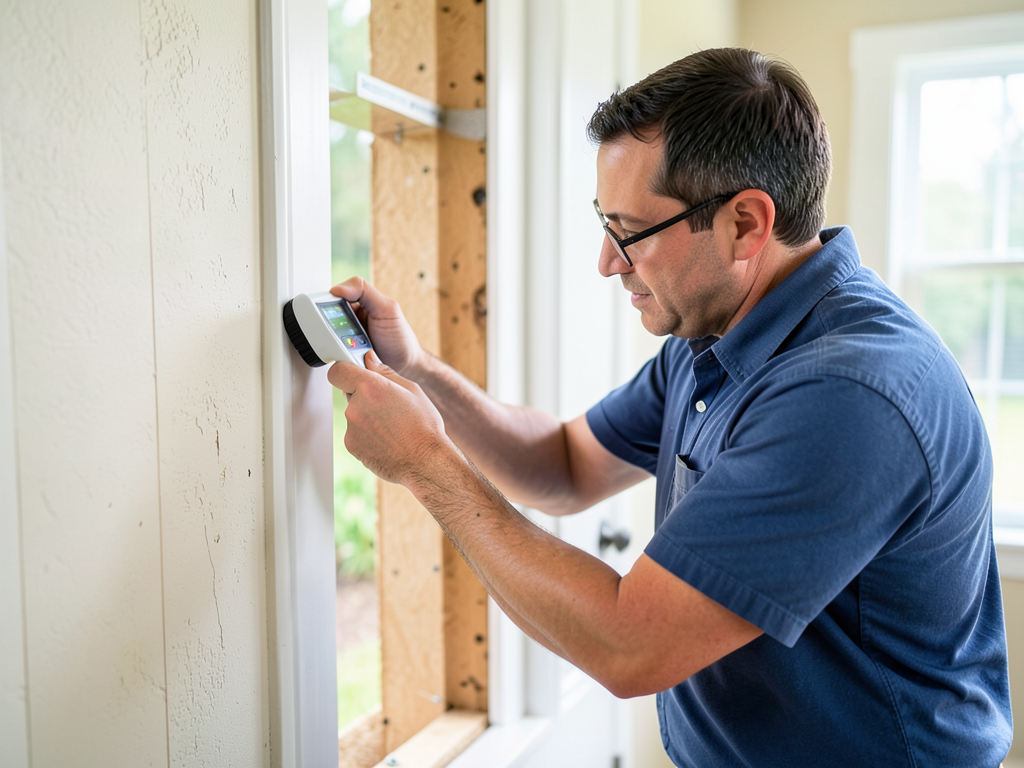
A Raleigh Homeowner Checklist for Preventing Leaks While Your House Is on the Market A small water stain on a ceiling can kill a home sale in Raleigh. Buyers today are trained to walk away…
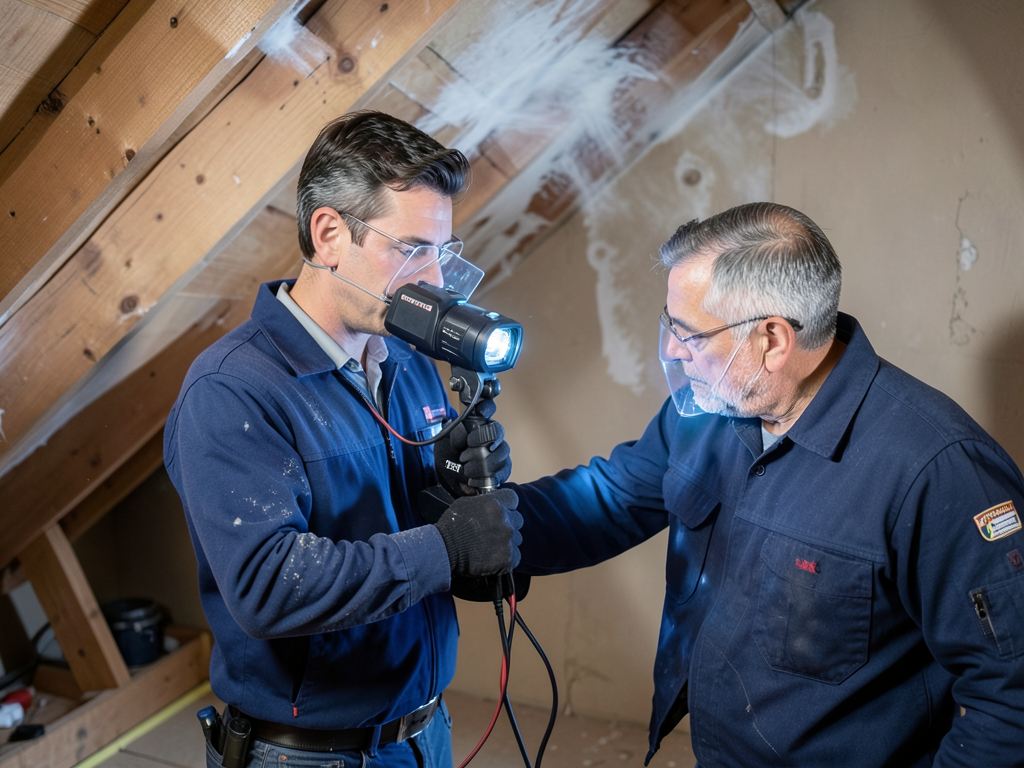
Why Your Umstead Attic Is Dripping Even When It Is Not Raining Water dripping from…
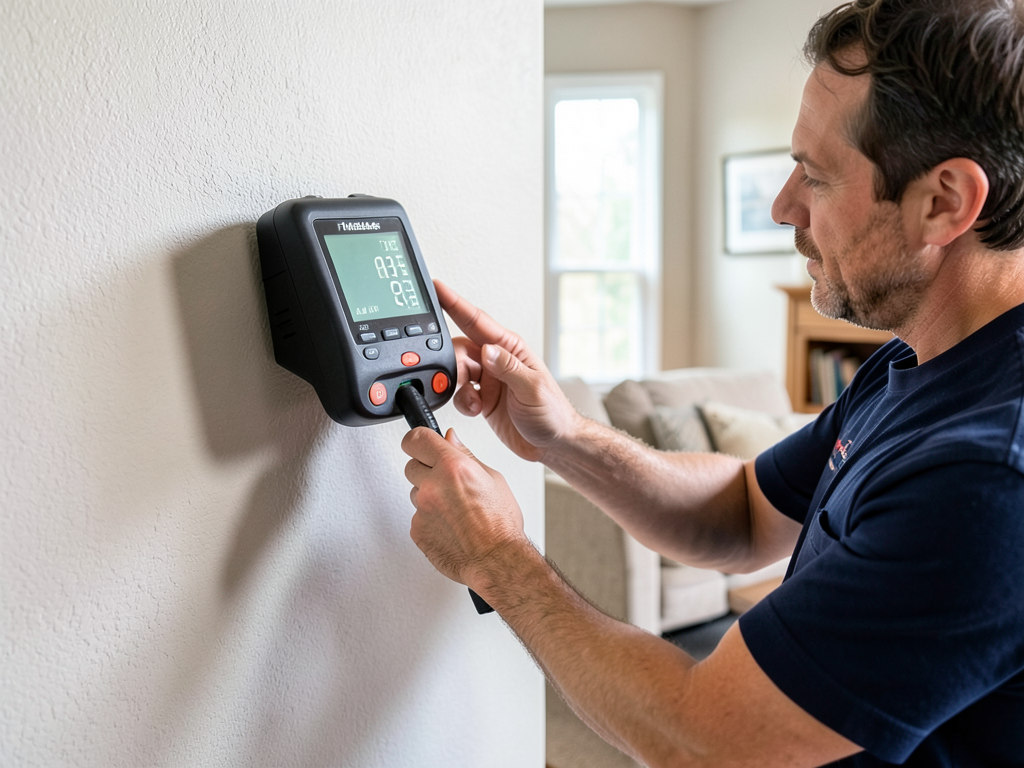
How to Use a Moisture Meter to Check for Hidden Water in Your Walls Finding…
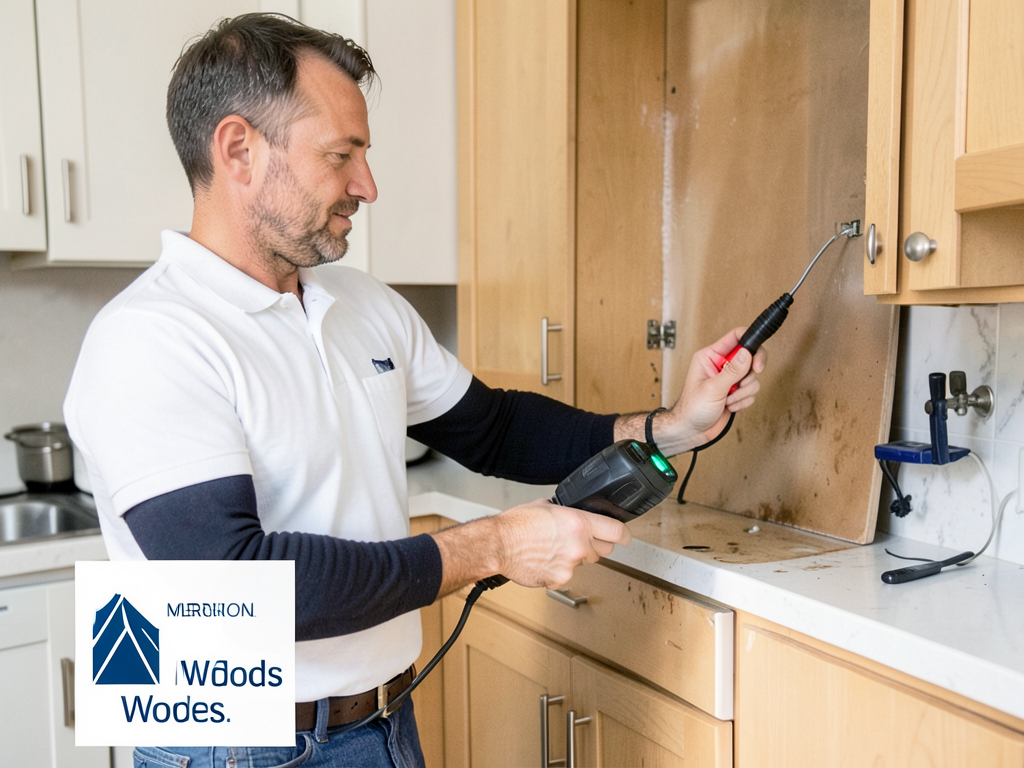
Why Your Fridge Ice Maker Is Leaking Behind the Wall in Your Meredith Woods Kitchen…
Water damage spreads every minute you wait. Our certified technicians are standing by to dispatch to your Durham property immediately. Call (984) 294-5900 now for emergency water extraction and restoration. We arrive in under 90 minutes and work directly with your insurance.