Menu

Visible Mold Growth on Walls in Raleigh – Expert Diagnosis and Permanent Remediation

Our certified mold specialists identify the moisture source behind your visible mold growth on walls, then eliminate fungal colonies and prevent recurrence using professional containment and air filtration technology.

Slider Image 1
Slider Image 2
Slider Image 3
Slider Image 4
Slider Image 5
Slider Image 7
Slider Image 8
Slider Image 9
Slider Image 10
Slider Image 11

Why Raleigh Homes Develop Black Mold Spots on Drywall and Wall Surfaces

You walk past the same wall every day. Then you notice it. Small black mold spots on drywall near the baseboard. Dark fungal growth on wall surfaces in the corner of your bedroom. Visible mildew on painted walls that seems to spread each week.

This is not a cleaning problem. This is a moisture problem.

Raleigh's humid subtropical climate creates the perfect breeding ground for mold. Summer humidity levels regularly exceed 70 percent, and our clay-heavy soil shifts with moisture fluctuations, creating foundation cracks that allow groundwater intrusion. When you combine this with the older housing stock in neighborhoods like Mordecai, Cameron Park, and Five Points, many homes have outdated vapor barriers and insufficient attic ventilation.

Mold patches on sheetrock appear when interior humidity stays above 60 percent for extended periods. A slow roof leak, condensation from poor insulation, or a hidden plumbing issue provides the moisture. The drywall provides the food source. Within 24 to 48 hours, spores colonize.

Wall mold infestation is not just cosmetic. Mold releases mycotoxins and volatile organic compounds that degrade indoor air quality. You might notice a musty odor, respiratory irritation, or allergy symptoms that worsen at home.

The mistake homeowners make is treating the symptom instead of the cause. Scrubbing visible mildew with bleach does not fix the water intrusion behind your wall. The mold returns within weeks because the moisture source remains active.

Professional mold remediation starts with moisture mapping and thermal imaging to locate the hidden water source. Only then can you eliminate the fungal growth permanently.

Why Raleigh Homes Develop Black Mold Spots on Drywall and Wall Surfaces
How We Stop Mold Growth and Restore Healthy Wall Surfaces

How We Stop Mold Growth and Restore Healthy Wall Surfaces

Surface cleaning does not stop mold. We use a diagnostic-first approach that identifies why your walls are wet, then we eliminate both the moisture and the contamination.

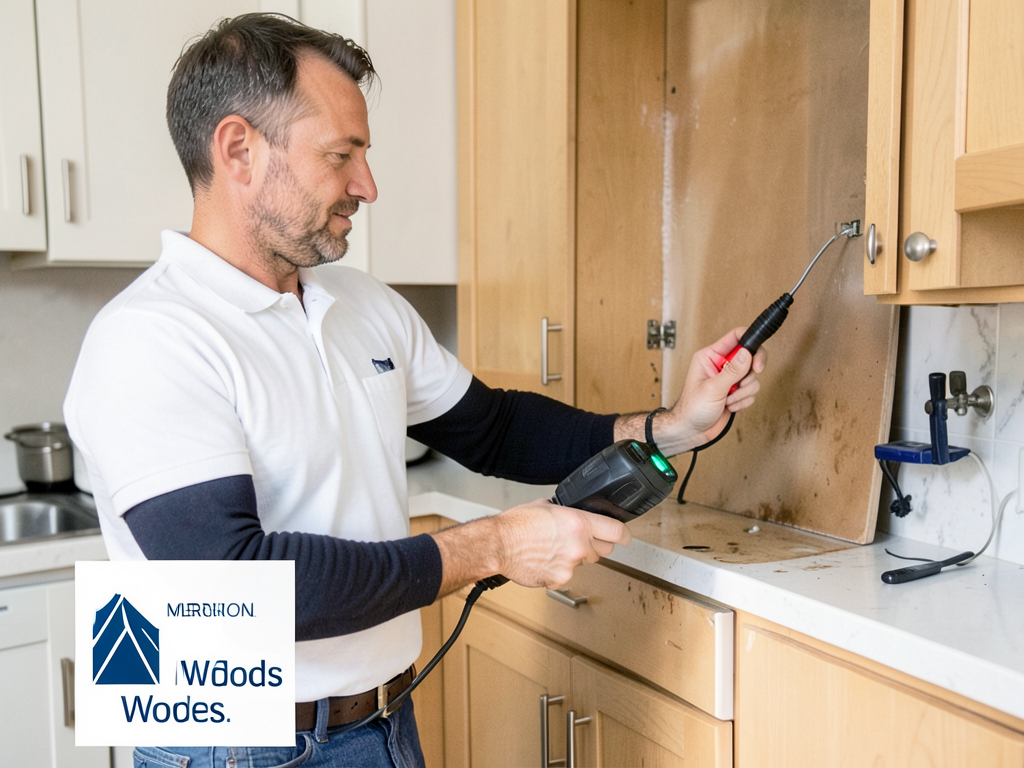
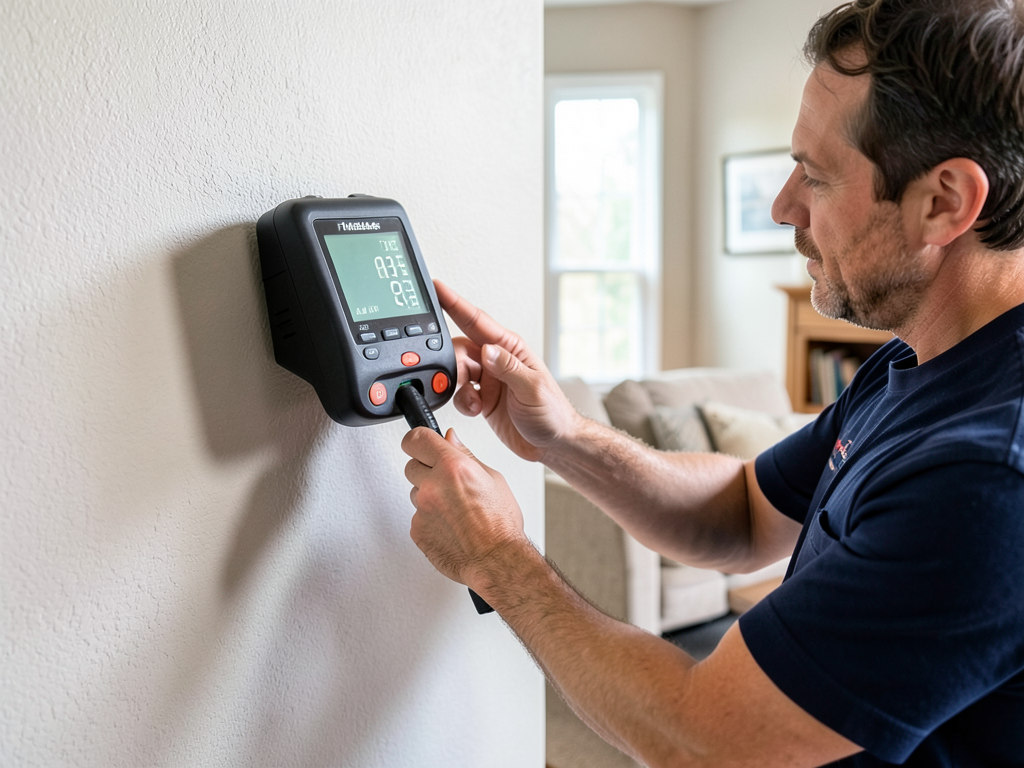
Our technicians use thermal imaging cameras to scan wall cavities for temperature differentials that indicate moisture intrusion. We measure relative humidity with psychrometers and deploy moisture meters to test drywall and framing for saturation levels. This tells us if the problem is a roof leak, condensation, poor grading, or a plumbing failure.

Once we isolate the moisture source, we establish containment. We seal off the affected area with polyethylene sheeting and create negative air pressure using HEPA-filtered air scrubbers. This prevents cross-contamination to unaffected rooms during demolition and cleaning.

We remove compromised materials according to IICRC S520 mold remediation standards. If drywall is saturated or shows extensive fungal growth, we remove it down to the studs. We HEPA-vacuum all framing and treat surfaces with antimicrobial agents. Porous materials like insulation get bagged and discarded.

We do not rely on ozone generators or encapsulants that simply cover mold. We physically remove contaminated materials and dry the structure to below 15 percent moisture content using commercial dehumidifiers and air movers.

After remediation, we verify clearance with post-remediation air sampling. This confirms spore counts have returned to baseline levels. We then coordinate with your contractor or handle the reconstruction ourselves, ensuring proper vapor barriers and moisture control details during rebuild.

The result is a permanently dry wall assembly with no recurring mold growth.

What Happens During Your Mold Remediation Service

Visible Mold Growth on Walls in Raleigh – Expert Diagnosis and Permanent Remediation
01

Moisture Source Identification

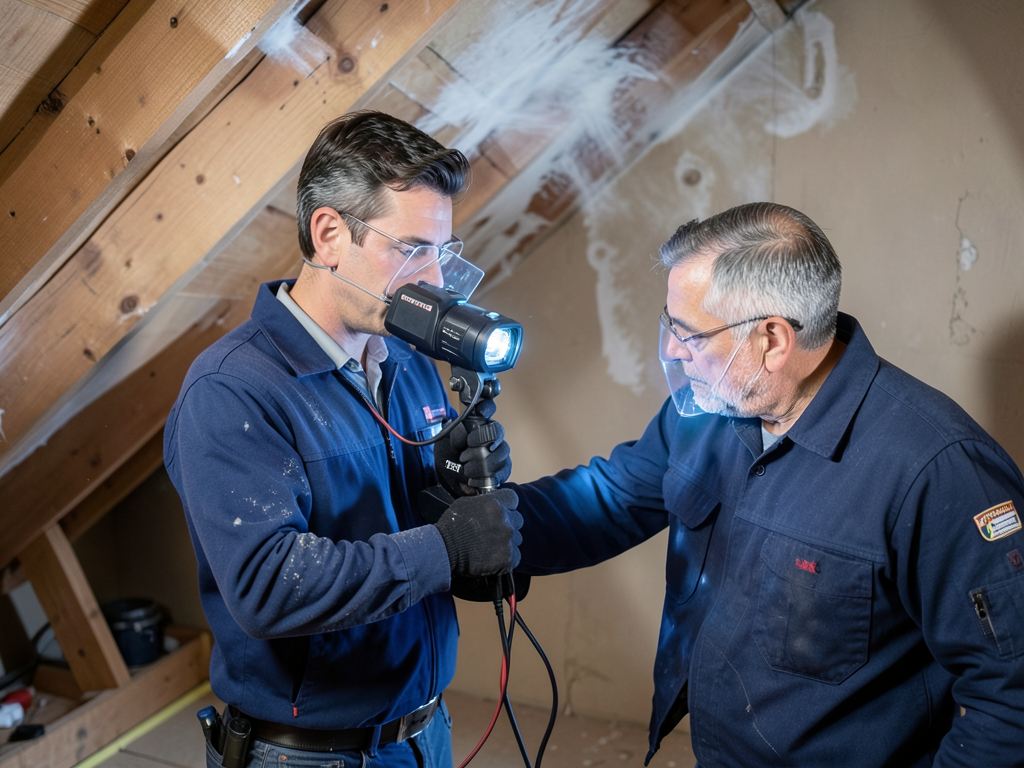
We deploy thermal imaging and moisture detection equipment to locate the hidden water source feeding your mold growth. This includes inspecting roof penetrations, plumbing chases, HVAC condensate lines, and foundation perimeter drainage. We map moisture levels in wall cavities to determine the extent of water intrusion and identify all affected areas requiring remediation.
02

Containment and Removal

We establish physical containment barriers and negative air pressure using HEPA air scrubbers to prevent spore migration. Our technicians remove all contaminated drywall, insulation, and porous materials down to bare framing. We HEPA-vacuum all surfaces and apply EPA-registered antimicrobial treatments to wood framing and subfloors. All contaminated debris gets double-bagged and properly disposed of.
03

Drying and Verification

We dry the structure to below 15 percent moisture content using industrial dehumidifiers and air movers, then conduct post-remediation air sampling to verify spore counts meet clearance standards. Once verified, we coordinate reconstruction with proper moisture barriers and ventilation details. You receive a detailed remediation report documenting all work performed and clearance test results.

Why Raleigh Homeowners Trust Our Mold Remediation Expertise

Mold remediation is not a DIY project. Improper handling spreads contamination throughout your home and creates liability if you ever sell the property.

We are IICRC-certified in Applied Microbial Remediation and Water Damage Restoration. Our technicians understand the building science behind mold growth in Raleigh's climate. We know that homes in Historic Oakwood have crawl spaces with inadequate vapor barriers. We know that split-level homes built in the 1970s near Crabtree Valley often have below-grade basement walls with hydrostatic pressure issues. We know that newer homes in North Raleigh sometimes have improperly flashed brick veneer that allows water intrusion at window heads.

This local knowledge matters. A remediation company from out of town will treat symptoms. We fix the root cause because we understand how Raleigh homes are built and where they fail.

We also coordinate directly with insurance adjusters. Mold claims are complex, and insurers often deny coverage or undervalue the scope of work. We document everything with photo evidence, moisture readings, and detailed scope narratives that support your claim. Many of our clients have their remediation costs fully covered because we provide the documentation adjusters need.

We also handle the reconstruction phase. You do not need to hire a separate contractor to rebuild your walls. Our team installs new drywall with proper mold-resistant materials, repaints to match existing finishes, and ensures all moisture control details are correct. This single-source approach saves you time and eliminates the finger-pointing that happens when remediation and rebuild are split between vendors.

You get one team, one timeline, and one guarantee that the mold will not return.

What to Expect from Our Mold Remediation Process

Response Time and Availability

We respond to mold concerns within 24 hours. Mold does not follow business hours, so we maintain on-call technicians seven days a week. Most inspections are scheduled within 48 hours of your initial call. If your mold growth is the result of active water damage, we can deploy emergency mitigation services the same day to stop further contamination. Our goal is to get you from discovery to containment as quickly as possible to minimize health exposure and property damage.

The Inspection and Assessment Process

Your remediation starts with a thorough property assessment. We conduct visual inspections of all suspected areas, then use thermal imaging to identify hidden moisture. We measure ambient humidity and material moisture content to determine if conditions support active mold growth. If needed, we collect air and surface samples for laboratory analysis to identify mold species and spore concentrations. You receive a written scope of work that details the moisture source, affected materials, and recommended remediation protocol before any work begins.

The Quality of Your Restored Space

Your walls will be restored to pre-loss condition with upgraded moisture resistance. We install mold-resistant drywall in areas prone to humidity exposure, apply antimicrobial primer before finish paint, and ensure proper ventilation and vapor barrier details. All work meets North Carolina building codes and IICRC remediation standards. Post-remediation air testing confirms that spore counts are at or below outdoor baseline levels. You receive documentation that proves your home is safe and marketable.

Post-Remediation Support and Monitoring

We provide written documentation of all remediation work, including moisture readings, demolition scope, treatment protocols, and clearance testing results. This documentation is critical for insurance claims and future property disclosures. We also offer post-remediation humidity monitoring and annual moisture inspections to catch problems before they escalate. If you experience any recurrence within the first year due to our workmanship, we return to assess and correct the issue at no additional cost.

Frequently Asked Questions

You Have Questions,
We Have Answers

What to do if I see mold on my wall? +

Stop using the area immediately. Mold spreads through airborne spores, so avoid disturbing it. Do not scrub or spray it yourself, this releases more spores into your home. Identify the moisture source, leaking pipes, roof damage, or poor ventilation are common culprits in Raleigh homes due to high humidity. Turn off HVAC systems serving that room to prevent spore circulation. Document the growth with photos for insurance claims. Call a certified mold remediation specialist to assess the extent and type of mold. Professional removal includes containment, air filtration, and proper disposal to protect your family's health.

Can mold make a baby cough? +

Yes. Mold releases spores and mycotoxins that irritate respiratory systems, especially in infants with developing lungs. Babies exposed to indoor mold may develop persistent coughing, wheezing, congestion, or difficulty breathing. In Raleigh, high humidity year-round accelerates mold growth in homes with poor ventilation or hidden water damage. If your baby coughs frequently indoors but improves outside, mold exposure is a likely trigger. Do not ignore this symptom. Remove the baby from the affected space immediately. Schedule a professional mold inspection to identify hidden growth behind walls or under flooring. Remediation eliminates the source and protects long-term respiratory health.

Can mold cause twitching? +

Some mold species produce mycotoxins that affect the nervous system, potentially causing muscle twitching, tremors, or numbness. Black mold (Stachybotrys) is known for neurotoxic effects when exposure is prolonged. If you experience unexplained twitching alongside other symptoms like headaches, fatigue, or cognitive fog in a specific room, mold exposure may be responsible. Raleigh's humid climate creates ideal conditions for toxic mold in poorly ventilated crawl spaces and bathrooms. See a doctor immediately to rule out other conditions. Then hire a certified mold inspector to test air quality and surface samples. Professional remediation removes the contamination and restores safe indoor air.

What does toxic mold look like on walls? +

Toxic mold, often Stachybotrys or black mold, appears dark greenish-black with a slimy or wet texture. It thrives in areas with constant moisture like behind drywall, under sinks, or in Raleigh basements prone to humidity. However, color alone does not confirm toxicity. White, green, or gray molds can also produce harmful mycotoxins. Look for fuzzy clusters, discoloration spreading outward, or a musty odor. If growth covers more than 10 square feet or you suspect hidden colonies, do not attempt DIY removal. Professional testing identifies the species and contamination level. Certified remediation ensures complete removal and prevents health risks.

How Raleigh's Clay Soil and Humidity Accelerate Wall Mold Problems

Raleigh sits on expansive clay soil that swells when wet and contracts when dry. This seasonal shifting creates hairline foundation cracks that allow groundwater and soil moisture to wick into your basement or crawl space walls. When you combine this with our average annual relative humidity of 69 percent and summer dew points that regularly exceed 70 degrees, your interior wall surfaces stay damp enough to support mold colonization. Homes built before 2000 often lack proper foundation waterproofing and interior vapor barriers, making black mold spots on drywall and fungal growth on wall surfaces a predictable outcome during humid months.

We have worked in every Raleigh neighborhood, from the historic bungalows in Boylan Heights to the newer subdivisions in Brier Creek. We understand the unique construction methods and common failure points in each era of home building. Our remediation protocols comply with North Carolina Department of Health and Human Services mold guidelines and IICRC S520 standards. When you hire a local mold remediation specialist, you get someone who knows how Raleigh homes fail and how to fix them permanently.
Water Damage Restoration Services in The Raleigh Area

While based in Raleigh, Silverline proudly serves the surrounding areas, providing expert water damage restoration wherever you are. Our interactive map allows you to visualize our service radius and plan your visit, or simply understand our immediate response capabilities. We are dedicated to reaching you quickly, ensuring prompt and efficient service for your home or business, no matter your precise location within our service area, ready to assist.

Address:
Silverline Water Damage Restoration Raleigh, 306 E Hargett St, Raleigh, NC, 27601

Additional Services We Offer

Our news updates

Latest Articles & News from The Blogs

Replacing Water Damaged Subfloors Under Your New LVP in North Raleigh Water damage beneath luxury vinyl plank flooring in North…

Replacing Water Damaged Subfloors Under Your New LVP in North Raleigh

Replacing Water Damaged Subfloors Under Your New LVP in North Raleigh Water damage beneath luxury vinyl plank flooring in North…

Fast Flood Cleanup for Daycares and Schools in the Forestville Area

Fast Flood Cleanup for Daycares and Schools in the Forestville Area When water floods a daycare or school in Forestville…

Professional Water Damage Restoration for Medical Offices Near Rex Hospital

Professional Water Damage Restoration for Medical Offices Near Rex Hospital When water floods a medical office the stakes go far…

Contact Us

Visible mold growth will not resolve on its own. Call Silverline Water Damage Restoration Raleigh at (984) 294-5900 for a comprehensive mold inspection and moisture assessment. We respond within 24 hours and provide transparent scopes and pricing before any work begins.