Menu

Commercial Mold Remediation in Raleigh – Minimize Downtime and Protect Your Business Assets

Industrial-grade commercial mold remediation designed for Raleigh businesses that demand rapid containment, regulatory compliance, and minimal operational disruption during abatement.

Slider Image 1
Slider Image 2
Slider Image 3
Slider Image 4
Slider Image 5
Slider Image 7
Slider Image 8
Slider Image 9
Slider Image 10
Slider Image 11

Why Mold Spreads Faster in Raleigh Commercial Properties

Raleigh's average annual humidity hovers near 70 percent, which creates ideal conditions for mold colonization in commercial buildings. When you add HVAC systems running continuously in multi-story structures, condensation on ductwork and air handlers becomes a primary vector for spore distribution. A single compromised air handler can contaminate an entire floor within 72 hours.

Commercial facilities face unique vulnerabilities. Restaurants deal with steam-rich kitchens and walk-in coolers prone to condensation. Office buildings have flat roofs with membrane failures that channel water into drop ceilings. Warehouses in the Research Triangle Park area often store inventory in climate-controlled zones where a minor leak can ruin product and trigger widespread fungal growth before anyone notices the problem.

The clay soil throughout Wake County expands and contracts with moisture fluctuations, which stresses building foundations and creates microcracks. These cracks allow groundwater intrusion into basements and slab-on-grade facilities, particularly during Raleigh's heavy spring rainfall. Once moisture enters, commercial mold removal becomes necessary to prevent liability exposure and health code violations.

You cannot afford to ignore visible growth or musty odors. Business mold remediation requires immediate action because delayed response increases containment costs and extends the period your operations remain compromised. The longer spores circulate through your HVAC system, the more extensive the commercial mold mitigation becomes. Every day you wait multiplies your exposure to tenant complaints, employee health claims, and regulatory scrutiny from local inspectors.

Why Mold Spreads Faster in Raleigh Commercial Properties
Our Commercial Mold Abatement Methodology

Our Commercial Mold Abatement Methodology

Silverline Water Damage Restoration Raleigh uses negative air pressure containment to isolate affected zones and prevent cross-contamination during commercial mold cleanup. We install HEPA-filtered air scrubbers that create a vacuum effect, pulling air from adjacent spaces into the containment area and filtering it before exhaust. This approach protects unaffected portions of your facility and allows partial operations to continue.

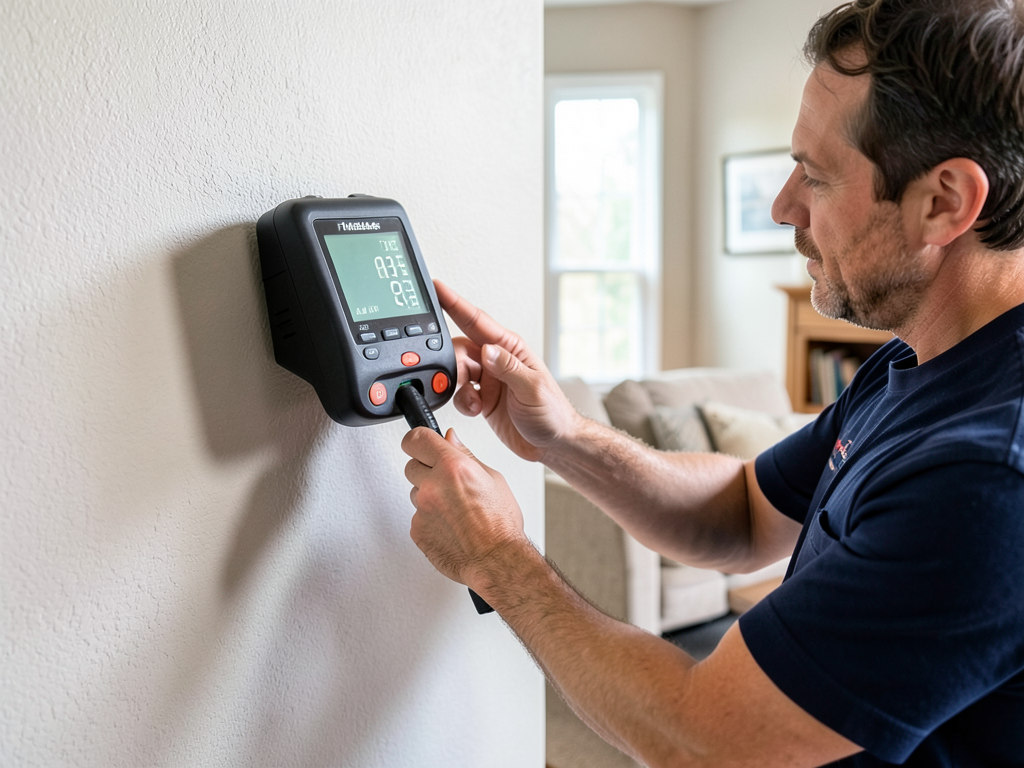
We do not rely on surface cleaning alone. Our technicians remove porous materials that have absorbed moisture beyond salvage thresholds, including drywall, insulation, and ceiling tiles. Non-porous surfaces like metal studs and concrete receive HEPA vacuuming followed by antimicrobial application. We document moisture readings at multiple depths using penetrating moisture meters to verify that substrates have dried to acceptable levels before reconstruction begins.

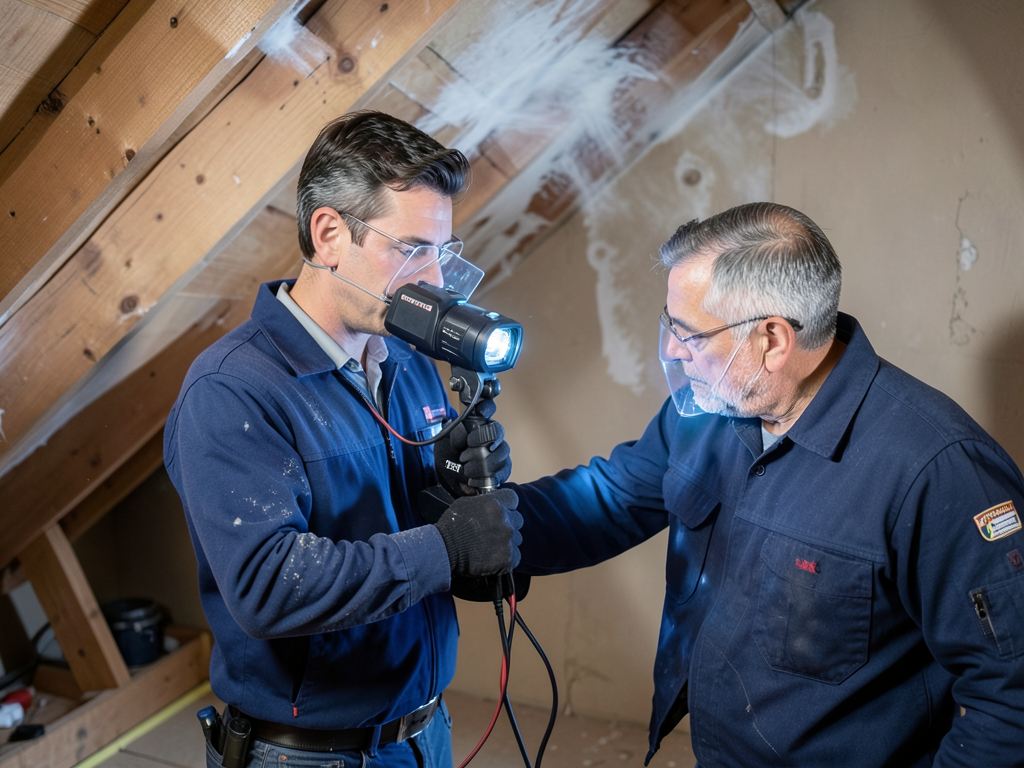
For HVAC systems, we perform duct inspection with borescope cameras to identify hidden growth inside ductwork and plenums. Contaminated ducts receive mechanical cleaning or full replacement depending on the severity of colonization. We also address the root cause, whether that involves repairing a leaking coil drain pan, resealing ductwork joints, or upgrading insulation on cold surfaces prone to condensation.

Our commercial mold mitigation includes third-party clearance testing. An independent industrial hygienist collects air samples and surface swabs after abatement to verify spore counts have returned to baseline levels. You receive a detailed report that satisfies insurance requirements and provides documentation for lease agreements or tenant communications. We do not consider the project complete until laboratory results confirm successful remediation and your facility meets occupancy standards.

How We Execute Commercial Mold Remediation Projects

Commercial Mold Remediation in Raleigh – Minimize Downtime and Protect Your Business Assets
01

Site Assessment and Containment

We map the full extent of contamination using thermal imaging and moisture meters to identify hidden growth behind walls and above ceilings. Our team establishes physical barriers with polyethylene sheeting and creates negative air pressure zones to prevent spore migration. You receive a detailed scope of work with projected timelines before any material removal begins, allowing you to plan around operational needs.
02

Material Removal and Decontamination

Technicians remove compromised materials using controlled demolition techniques that minimize dust generation. HEPA vacuums capture airborne particles during cutting and bagging. We treat structural elements with EPA-registered antimicrobials and verify moisture levels in remaining substrates. All debris goes into sealed bags for proper disposal according to North Carolina environmental regulations. Air scrubbers run continuously throughout this phase to maintain air quality in adjacent spaces.
03

Verification and Clearance Testing

An independent third-party hygienist collects post-remediation air samples and surface samples to verify spore counts meet industry standards. We provide you with laboratory reports and photographic documentation of completed work. Once clearance is confirmed, we coordinate with your contractors for reconstruction or handle the rebuild ourselves. You receive a final report package suitable for insurance claims, tenant disclosure, or regulatory compliance documentation.

Why Raleigh Businesses Choose Silverline for Commercial Mold Remediation

We understand the North Carolina Building Code requirements specific to commercial occupancies in Wake County. Our team knows which remediation activities trigger permit requirements and how to coordinate inspections with local code enforcement. This knowledge prevents project delays and ensures your facility meets all regulatory standards before you resume full operations.

Raleigh's commercial real estate market includes everything from mid-century office buildings downtown to new construction in the Midtown district. Each building type presents different challenges. Older structures near Historic Oakwood often have outdated vapor barriers and poor foundation drainage. Newer buildings in North Hills may have complex HVAC systems with multiple air handling units requiring coordinated shutdown and decontamination. We have managed commercial mold removal in both scenarios and adapt our methodology to your building's specific characteristics.

You need a remediation partner who understands business continuity. We schedule work during off-hours when possible and phase projects to keep portions of your facility operational. For restaurants, we can isolate kitchen areas while dining rooms remain open. For office buildings, we work floor by floor to minimize tenant displacement. Our project managers communicate daily with your facilities team to address concerns and adjust timelines as needed.

Insurance coordination is another critical factor. We document everything with timestamped photos and detailed moisture logs that satisfy adjuster requirements. Our estimates break down labor, materials, and equipment costs by line item, which streamlines the claims process. We can bill insurance directly or work with you on a cash basis, depending on your coverage situation and business preferences.

Local expertise matters when selecting a commercial mold abatement provider. We have worked in Research Triangle Park office complexes, Crabtree Valley retail centers, and industrial facilities along Capital Boulevard. This experience gives us insight into recurring issues specific to Raleigh's climate and construction patterns, which translates to faster diagnosis and more effective remediation strategies for your property.

What Your Commercial Mold Remediation Project Looks Like

Response Time and Project Duration

We dispatch a project manager to your Raleigh facility within four hours of your call to assess the situation and provide a preliminary scope. Small projects involving a single room or isolated HVAC contamination typically complete within three to five business days. Larger projects affecting multiple floors or requiring extensive duct cleaning may take two to three weeks depending on the size of your facility and the degree of contamination. We provide a detailed timeline during the initial assessment so you can plan around operational needs and communicate effectively with tenants or employees.

Initial Inspection and Moisture Mapping

Our technicians use thermal imaging cameras to identify temperature differentials that indicate hidden moisture. We take moisture readings at multiple depths in walls, ceilings, and floors to map the full extent of water intrusion. You receive a written report that documents affected areas, moisture levels, and the likely source of water intrusion. This report includes photographs and diagrams that clearly show which portions of your facility require remediation. We also identify the underlying cause, whether that involves a roof leak, plumbing failure, or condensation issue, so you can address the source problem and prevent recurrence.

Final Deliverables and Documentation

You receive laboratory clearance reports from an independent industrial hygienist confirming that spore counts meet accepted standards for reoccupancy. We provide a comprehensive project binder that includes all moisture logs, photographic documentation, material disposal records, and copies of any permits or inspections. This documentation package satisfies insurance requirements and provides a permanent record for your facility management files. If your lease agreement requires tenant notification or if you need to disclose remediation activity to prospective buyers, our reports give you the evidence needed to demonstrate professional abatement and successful clearance.

Post-Remediation Monitoring and Prevention

We offer quarterly HVAC inspections and moisture monitoring for commercial clients who want ongoing protection against recurrence. These inspections include visual checks of previous remediation areas, moisture readings in high-risk zones, and HVAC filter replacement. Early detection prevents small moisture problems from becoming full-scale mold outbreaks. We also provide recommendations for building improvements that reduce future risk, such as better roof drainage, improved foundation waterproofing, or HVAC upgrades that control humidity more effectively. Preventive maintenance costs a fraction of emergency remediation and protects your investment in the initial cleanup.

Frequently Asked Questions

You Have Questions,
We Have Answers

What do professionals use for mold remediation? +

Professionals use HEPA-rated air scrubbers to capture airborne spores, negative air machines to contain contaminated zones, and antimicrobial agents rated for commercial use. We apply EPA-registered fungicides after physical removal and deploy moisture meters and thermal cameras to identify hidden water sources fueling growth. In Raleigh's humid climate, dehumidification equipment runs continuously during remediation to prevent recolonization. Containment barriers with polyethylene sheeting isolate affected areas to protect operational spaces. Personal protective equipment including respirators and Tyvek suits prevents cross-contamination. Documentation includes pre and post air quality testing to verify clearance and satisfy liability requirements for commercial property owners.

How much does it cost to professionally get rid of mold? +

Commercial mold remediation costs vary based on contamination extent, building size, and operational constraints. Factors include square footage affected, containment complexity, after-hours access requirements to avoid business disruption, and air quality testing protocols. Raleigh's high humidity increases moisture intrusion risk in HVAC systems and crawl spaces, which extends project scope. Expect costs to scale with the need for contents removal, structural material replacement, and post-remediation verification. Insurance may cover expenses if tied to a covered peril like roof leaks or plumbing failures. Request a detailed scope of work with line-item pricing to evaluate ROI against business continuity risks and tenant liability exposure.

How much does professional mold removal cost? +

Professional mold removal pricing depends on contamination severity, access challenges, and required containment measures. Commercial projects factor in operational downtime costs, tenant displacement, and code compliance documentation. In Raleigh, older commercial buildings with foundation settling or roof membrane aging face higher costs due to multiple moisture entry points. Air quality testing, HVAC decontamination, and materials disposal add expense. Projects requiring after-hours work to maintain business operations incur premium labor rates. Most commercial insurers require certified remediation with third-party clearance testing for claims approval. Obtain multiple bids that include moisture source correction, not just cosmetic surface treatment, to prevent recurrence and protect long-term property value.

What is commercial mold remediation? +

Commercial mold remediation is the containment, removal, and prevention of fungal contamination in business properties using industry protocols that minimize operational disruption and liability exposure. The process includes moisture source identification, affected material removal, HEPA filtration, antimicrobial treatment, and third-party clearance testing. Unlike residential work, commercial projects prioritize business continuity, tenant safety, and regulatory compliance. In Raleigh, high humidity and aging commercial HVAC systems create persistent moisture problems. Remediation follows IICRC S520 standards and includes documentation for insurance claims, lease disputes, and due diligence during property transactions. Projects often require phased containment to keep unaffected areas operational during treatment.

What kills mold permanently? +

Nothing kills mold permanently without addressing the underlying moisture source. Professional-grade fungicides and antimicrobials eliminate active colonies, but mold returns if humidity exceeds 60 percent or water intrusion continues. In Raleigh's humid subtropical climate, dehumidification and proper building envelope maintenance are mandatory. Commercial remediation focuses on moisture control through HVAC optimization, vapor barriers, and drainage correction. Surface treatments only address visible growth. Professionals remove porous materials like drywall and insulation that harbor embedded spores, apply encapsulants to non-porous surfaces, and install moisture monitoring systems. Permanent prevention requires engineered solutions, not chemical applications alone. Regular inspections detect early moisture events before colonization occurs.

How do Japanese bathrooms not get mold? +

Japanese bathrooms resist mold through superior ventilation design, rapid-dry surfaces, and cultural maintenance habits irrelevant to commercial applications. Raleigh businesses need engineered solutions: exhaust fans sized to building codes, waterproof wall systems, and routine moisture inspections. Commercial restrooms face higher traffic and humidity loads than residential spaces. Specify mold-resistant materials like fiberglass-reinforced panels, ensure proper slope in tile installations for drainage, and maintain HVAC systems to control ambient humidity below 50 percent. Japanese design principles emphasize prevention through material selection and airflow, which translates commercially to specifying non-porous finishes and mechanical ventilation rather than relying on occupant behavior. Focus on systems, not habits.

Can black mold be fully remediated? +

Black mold remediation achieves full removal when professionals eliminate contaminated materials, treat surfaces with antimicrobials, and correct moisture sources. Stachybotrys chartarum requires the same protocols as other species: containment, HEPA filtration, material removal, and clearance testing. In Raleigh's climate, black mold often colonizes water-damaged drywall, ceiling tiles, and HVAC ductwork in commercial buildings. Complete remediation means removing porous materials where spores penetrate deep, not surface cleaning. Post-remediation air quality testing verifies spore counts return to baseline levels. Success requires moisture control through dehumidification and building envelope repairs. Without correcting the water intrusion, regrowth occurs regardless of initial removal thoroughness. Certification and documentation protect against future liability claims.

Is professional mold removal worth it? +

Professional mold removal is worth it for commercial properties due to liability exposure, tenant health complaints, and property value protection. DIY attempts fail to address hidden contamination in HVAC systems, wall cavities, and subfloors common in Raleigh's older commercial buildings. Professionals provide containment to prevent spore dispersal during removal, third-party testing for insurance and legal documentation, and moisture correction to prevent recurrence. The cost of remediation is minor compared to business interruption losses, lease disputes, or personal injury claims from occupant exposure. Certified remediation also satisfies due diligence requirements during property sales. Inadequate treatment creates bigger problems. Professional protocols protect your investment and reduce long-term risk.

Is mold remediation tax deductible? +

Mold remediation may be tax deductible as a repair expense for commercial properties, but consult your CPA for specific guidance. The IRS distinguishes between repairs that maintain property condition versus improvements that add value. Remediation restoring a building to pre-damage condition typically qualifies as a deductible expense. If remediation includes upgrades like new HVAC systems or structural improvements, those costs may require capitalization and depreciation. In Raleigh, insurance reimbursements affect deductibility calculations. Document all expenses separately: emergency mitigation, remediation labor, materials replacement, and preventive upgrades. Your tax professional will determine proper classification based on your business structure and whether the property is owner-occupied or leased.

Can you permanently get rid of black mold? +

You can permanently eliminate black mold by removing contaminated materials, treating surfaces, and controlling moisture below 50 percent relative humidity. Black mold removal requires the same approach as other species: physical extraction of porous materials where spores embed, antimicrobial application to non-porous surfaces, and moisture source correction. In Raleigh, persistent humidity from poor drainage, HVAC failures, or building envelope defects causes recurrence. Permanent elimination means engineered moisture control through dehumidification, vapor barriers, and proper ventilation. Surface cleaning alone fails because spores remain dormant in materials until moisture returns. Professional remediation includes post-treatment monitoring and building performance adjustments to maintain conditions inhospitable to fungal growth long-term.

How Raleigh's High Humidity and Seasonal Storms Drive Commercial Mold Growth

Raleigh receives an average of 43 inches of rain annually, with peak rainfall occurring during spring thunderstorms and occasional tropical systems that push inland from the coast. This precipitation pattern creates recurring moisture challenges for commercial buildings, particularly older structures with aging roof membranes and inadequate drainage systems. When heavy rain overwhelms gutters or ponding occurs on flat roofs common in office parks and retail centers, water finds its way into wall cavities and ceiling plenums. Combined with Raleigh's warm summers and humidity levels that regularly exceed 70 percent, these conditions accelerate mold colonization in any space where moisture accumulates.

Commercial property owners in Wake County must comply with North Carolina health codes that require prompt remediation of mold hazards affecting indoor air quality. Local inspectors have authority to issue occupancy restrictions if visible growth or elevated spore counts pose health risks to employees or tenants. Working with a remediation company that understands these regulatory requirements and maintains relationships with local industrial hygienists ensures your project meets compliance standards and avoids enforcement actions. Our familiarity with Raleigh building officials and permitting processes streamlines approvals and keeps your remediation project on schedule.
Water Damage Restoration Services in The Raleigh Area

While based in Raleigh, Silverline proudly serves the surrounding areas, providing expert water damage restoration wherever you are. Our interactive map allows you to visualize our service radius and plan your visit, or simply understand our immediate response capabilities. We are dedicated to reaching you quickly, ensuring prompt and efficient service for your home or business, no matter your precise location within our service area, ready to assist.

Address:
Silverline Water Damage Restoration Raleigh, 306 E Hargett St, Raleigh, NC, 27601

Additional Services We Offer

Our news updates

Latest Articles & News from The Blogs

Understanding the Three Categories of Flood Water (And Which Ones Are Actually Dangerous)\p>When water floods your Raleigh home the source…

Understanding the Three Categories of Flood Water (And Which Ones Are Actually Dangerous)

Understanding the Three Categories of Flood Water (And Which Ones Are Actually Dangerous)\p>When water floods your Raleigh home the source…

Why Water Travels Up Your Walls (The Physics of Capillary Action in Raleigh Homes)

Why Water Travels Up Your Walls (The Physics of Capillary Action in Raleigh Homes) When you see a small puddle…

Can Solar Panel Installation Cause Roof Leaks in Your Blue Ridge Home?

Can Solar Panel Installation Cause Roof Leaks in Your Blue Ridge Home? Solar panels create mounting points that penetrate your…

Contact Us

Call Silverline Water Damage Restoration Raleigh at (984) 294-5900 for immediate assessment of your commercial property. We provide detailed scopes, transparent pricing, and remediation plans that minimize disruption to your operations.