Menu

Choosing a Restoration Company in Raleigh – Expert Guidance for Hiring the Right Water Damage Contractor

Navigate Raleigh's competitive restoration market with confidence by understanding certification requirements, response protocols, and local expertise markers that separate qualified water mitigation professionals from inexperienced operators.

Slider Image 1
Slider Image 2
Slider Image 3
Slider Image 4
Slider Image 5
Slider Image 7
Slider Image 8
Slider Image 9
Slider Image 10
Slider Image 11

Why Vetting Restoration Contractors in Raleigh Requires Local Knowledge

Raleigh homeowners face a confusing landscape when selecting a water damage contractor. After a pipe burst or storm event, you need immediate help, but the wrong choice costs thousands and extends damage timelines.

The Triangle region's humid subtropical climate creates year-round moisture challenges. Summer humidity hovers near 75 percent, creating ideal conditions for mold colonization within 24 to 48 hours of water intrusion. Winter freeze-thaw cycles stress plumbing systems in older neighborhoods like Oakwood and Mordecai, leading to sudden failures. When disaster strikes, you need a company that understands these regional patterns.

Hiring a water mitigation service in Raleigh means more than finding the first company with availability. The Wake County market includes national franchises, local independents, and unlicensed operators. Each offers different capabilities, certifications, and accountability levels.

Finding a reputable water damage company requires checking specific credentials. Look for IICRC certification in Water Damage Restoration and Applied Structural Drying. Verify North Carolina contractor licensure and current liability insurance. Ask about equipment inventories, particularly thermal imaging cameras and low-grain refrigerant dehumidifiers needed for effective drying in humid conditions.

How to pick a restoration company also depends on understanding insurance protocols. Many homeowners discover too late that their chosen contractor lacks experience navigating insurance claims, resulting in coverage denials or underpayment. The right contractor documents damage thoroughly, communicates directly with adjusters, and understands policy language.

Vetting restoration contractors protects your property and financial investment. The decision you make in the first hours after water damage determines your recovery trajectory.

Why Vetting Restoration Contractors in Raleigh Requires Local Knowledge
What Separates Qualified Contractors from Inexperienced Operators

What Separates Qualified Contractors from Inexperienced Operators

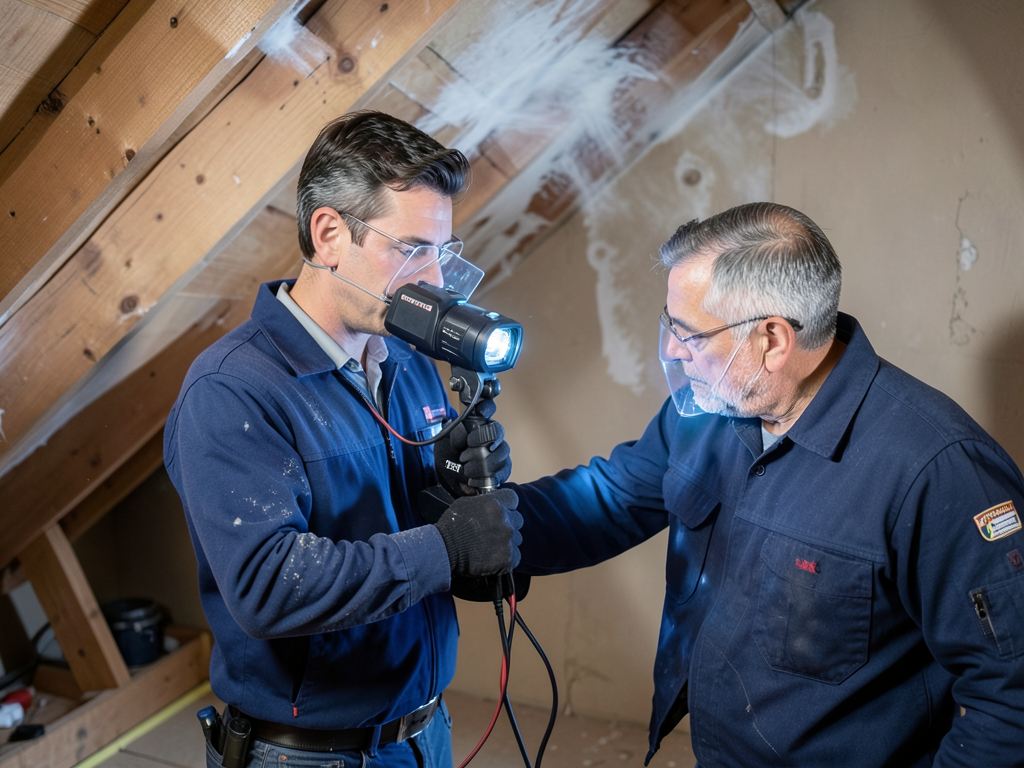
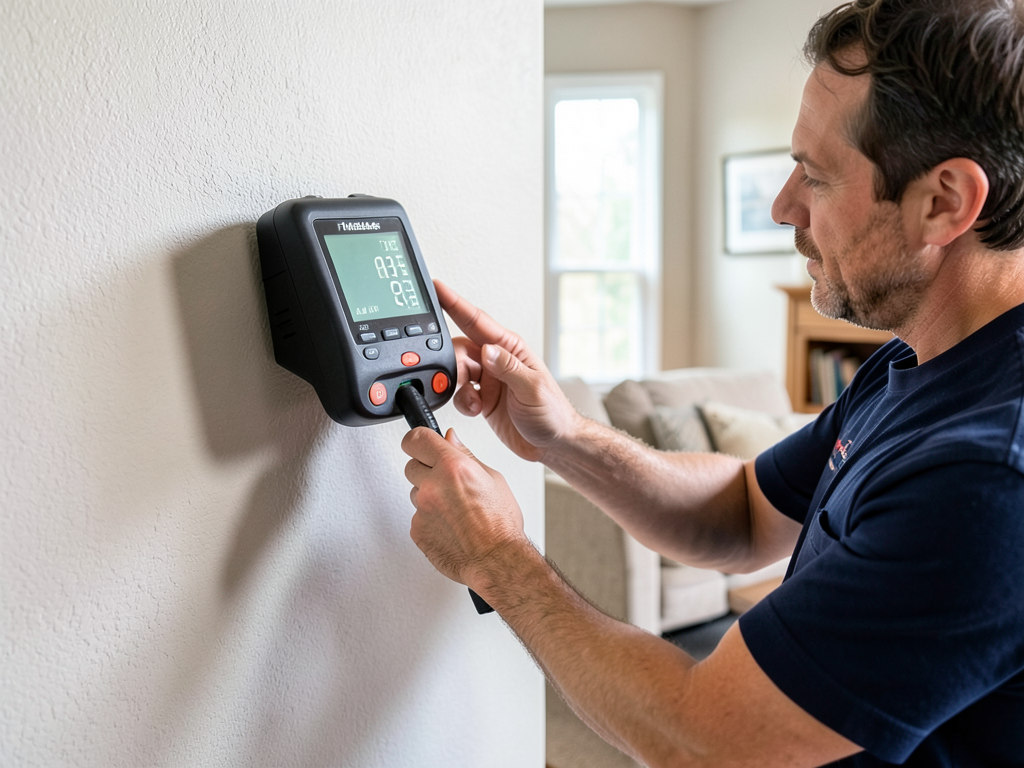
Professional water damage restoration follows scientific principles, not guesswork. The assessment process begins with moisture mapping using penetrating and non-penetrating meters. Thermal imaging identifies hidden saturation in wall cavities and ceiling assemblies. Hygrometers measure ambient and material-specific moisture content, establishing baseline readings for monitoring.

Qualified contractors calculate grain depression, the difference between indoor air moisture and outdoor conditions. This calculation determines dehumidification capacity requirements. In Raleigh's humid climate, standard refrigerant dehumidifiers often prove insufficient. Low-grain refrigerant units or desiccant dehumidifiers may be necessary to achieve proper drying targets.

Extraction methodology varies based on water category and affected materials. Category 1 water from supply lines requires different protocols than Category 3 water from sewer backups or storm surge. Truck-mounted extraction units remove standing water faster than portable units, reducing secondary damage.

Air movement strategy affects drying efficiency. Contractors should position axial fans to create circular airflow patterns, not random placement. Airflow across wet surfaces accelerates evaporation, but excessive velocity can drive moisture deeper into porous materials.

Structural drying targets follow industry standards. Wood framing should reach 15 to 19 percent moisture content before reconstruction. Concrete slabs require moisture vapor emission testing before installing finished flooring. Shortcuts during drying create ideal conditions for microbial growth and material degradation.

Documentation separates professionals from amateurs. Daily moisture readings, equipment logs, and photographic evidence create accountability. This record proves essential during insurance negotiations and protects you if disputes arise.

The contractor you select determines whether your property returns to pre-loss condition or suffers long-term damage from incomplete drying.

Your Step-by-Step Contractor Evaluation Process

Choosing a Restoration Company in Raleigh – Expert Guidance for Hiring the Right Water Damage Contractor
01

Initial Response Assessment

Contact multiple restoration companies and evaluate response protocols. Professional contractors ask detailed questions about water source, affected areas, and duration of exposure before quoting prices. They explain their initial assessment process, including moisture detection methods and documentation procedures. Companies offering flat-rate pricing without inspection lack the diagnostic rigor needed for proper restoration.
02

Credential and Reference Verification

Request proof of IICRC certification, North Carolina contractor license numbers, and current insurance certificates. Check references from recent projects similar to yours in scope and complexity. Contact your insurance carrier to verify the contractor's claims experience and reputation. Review online feedback, focusing on comments about communication quality, project timelines, and final outcomes rather than superficial ratings.
03

Contract Review and Selection

Examine written estimates for specificity. Detailed scope descriptions, equipment lists, and drying protocols indicate professionalism. Vague language or pressure tactics signal problems. Verify the contract includes dispute resolution processes, payment schedules tied to milestones, and clear timelines. The right contractor provides transparency at every stage, building confidence before work begins.

Why Local Expertise Matters for Raleigh Water Damage Projects

Raleigh's building characteristics create specific restoration challenges that require local experience. Historic districts like Oakwood feature pier-and-beam foundations common in early 20th-century construction. These crawl space configurations demand different moisture management strategies than modern slab foundations in newer subdivisions like Brier Creek or Wakefield.

Contractors familiar with the Triangle region understand seasonal patterns affecting restoration timelines. Spring storms from Atlantic moisture influx create multiple simultaneous events, stretching contractor capacity. Experienced local companies maintain equipment reserves and staffing depth to handle surge demand without compromising service quality.

Building code knowledge proves critical during reconstruction. Wake County requires permits for structural repairs exceeding basic cosmetic work. Local contractors navigate these requirements efficiently, avoiding delays that extend displacement periods. They maintain relationships with inspectors and understand plan review processes.

Insurance claim expertise varies significantly among restoration companies. Contractors serving the Raleigh market regularly work with regional insurance carriers and understand local adjuster expectations. They document damage using Xactimate estimating software, the industry standard, ensuring compatibility with insurer systems. This familiarity accelerates claim processing and reduces payment disputes.

Silverline Water Damage Restoration Raleigh brings this regional knowledge to every project. We understand how Raleigh's clay soil composition affects foundation movement and subsequent plumbing stress. We recognize architectural patterns in neighborhoods from downtown to North Raleigh and adapt our approach accordingly.

Community accountability keeps local contractors honest. National franchises rotate technicians and lack long-term investment in regional reputation. Local companies depend on referrals and repeat business. Your satisfaction directly impacts our standing in the community.

The contractor you choose should demonstrate this depth of local knowledge through specific examples, not generic statements.

Key Factors to Evaluate Before Signing a Contract

Response Time and Availability

Water damage progresses rapidly. Mold colonization begins within 24 to 48 hours in Raleigh's humid climate. Structural materials absorb moisture continuously until extraction and drying begin. Professional contractors offer 24/7 emergency response with technicians dispatched within hours, not days. Ask specific questions about night and weekend availability. Request average response times for your neighborhood. Companies with multiple service vehicles and adequate staffing maintain faster response capabilities than single-truck operations. Emergency availability means nothing if the contractor lacks capacity to begin work immediately upon arrival.

Assessment Thoroughness and Technology

Comprehensive damage assessment requires specialized equipment beyond visual inspection. Thermal imaging cameras detect hidden moisture in wall cavities, ceiling assemblies, and subfloor areas. Moisture meters provide quantitative readings for monitoring drying progress. Professional contractors document baseline conditions with photographs, moisture maps, and detailed written reports. This documentation proves essential for insurance claims and establishes accountability. Ask contractors to describe their assessment process in detail. Companies that skip thorough evaluation often miss hidden damage, leading to mold growth and structural deterioration weeks after apparent completion. The initial assessment determines project scope accuracy and final outcomes.

Drying Standards and Completion Criteria

Proper restoration follows documented drying standards, not arbitrary timelines. Wood framing requires moisture content below 19 percent before reconstruction. Concrete slabs need moisture vapor emission rates below specified thresholds before flooring installation. Professional contractors monitor conditions daily, adjusting equipment placement and airflow patterns based on readings. They provide clients with daily logs showing moisture reduction progress. Ask contractors to explain their drying targets and monitoring frequency. Companies offering completion guarantees without moisture verification create conditions for future problems. Rushed drying schedules prioritize contractor convenience over your property protection. Insist on documented proof that materials meet industry standards before final payment.

Insurance Navigation and Documentation

Insurance claim success depends on documentation quality and carrier communication. Experienced contractors photograph all damage before mitigation begins. They create detailed scope documents using industry-standard estimating software. They communicate directly with adjusters, providing technical explanations and supporting evidence for recommended work. This expertise proves particularly valuable when carriers initially deny coverage or dispute scope items. Ask contractors about their claims experience and adjuster relationships. Request examples of how they handled disputed items on previous projects. Companies lacking insurance expertise leave you navigating complex negotiations alone. The right contractor advocates for complete coverage while maintaining professional relationships with insurance representatives.

Frequently Asked Questions

You Have Questions,
We Have Answers

How Raleigh's Climate and Construction Patterns Affect Contractor Selection

Raleigh's position in the humid subtropical zone creates moisture management challenges year-round. Summer dew points regularly exceed 70 degrees, making effective dehumidification difficult without commercial-grade equipment. The region's clay soil expands and contracts with moisture changes, stressing foundation systems and creating plumbing vulnerabilities in older neighborhoods. Contractors serving this market need dehumidification capacity exceeding standard residential units. They should understand how local soil conditions affect foundation movement patterns and subsequent water intrusion risks. Companies without regional experience often underestimate equipment requirements, leading to extended drying times and secondary damage.

Wake County's building code enforcement affects restoration timelines and permit requirements. Structural repairs require licensed contractors and inspection approval. Companies familiar with local procedures navigate these requirements efficiently, avoiding delays. The Triangle's mix of historic properties and modern construction demands adaptable restoration approaches. Pier-and-beam foundations in older areas like Boylan Heights require different moisture management than slab foundations in newer developments. Selecting a water damage contractor with demonstrated local project experience ensures they understand these regional variables. Silverline Water Damage Restoration Raleigh brings this neighborhood-specific knowledge to every assessment, recognizing architectural patterns that affect restoration strategy.
Water Damage Restoration Services in The Raleigh Area

While based in Raleigh, Silverline proudly serves the surrounding areas, providing expert water damage restoration wherever you are. Our interactive map allows you to visualize our service radius and plan your visit, or simply understand our immediate response capabilities. We are dedicated to reaching you quickly, ensuring prompt and efficient service for your home or business, no matter your precise location within our service area, ready to assist.

Address:
Silverline Water Damage Restoration Raleigh, 306 E Hargett St, Raleigh, NC, 27601

Additional Services We Offer

Our news updates

Latest Articles & News from The Blogs

Understanding the Three Categories of Flood Water (And Which Ones Are Actually Dangerous)\p>When water floods your Raleigh home the source…

Understanding the Three Categories of Flood Water (And Which Ones Are Actually Dangerous)

Understanding the Three Categories of Flood Water (And Which Ones Are Actually Dangerous)\p>When water floods your Raleigh home the source…

Why Water Travels Up Your Walls (The Physics of Capillary Action in Raleigh Homes)

Why Water Travels Up Your Walls (The Physics of Capillary Action in Raleigh Homes) When you see a small puddle…

Can Solar Panel Installation Cause Roof Leaks in Your Blue Ridge Home?

Can Solar Panel Installation Cause Roof Leaks in Your Blue Ridge Home? Solar panels create mounting points that penetrate your…

Contact Us

Do not navigate this decision alone. Call Silverline Water Damage Restoration Raleigh at (984) 294-5900 for a no-obligation consultation. We explain what to look for, questions to ask, and red flags to avoid when vetting restoration contractors.