Menu

Does Insurance Cover Mold in Raleigh – Get Clear Answers Before Filing Your Claim

Understand homeowners insurance mold coverage in North Carolina, what your policy actually pays for, and how to navigate mold remediation insurance claims without costly surprises.

Slider Image 1
Slider Image 2
Slider Image 3
Slider Image 4
Slider Image 5
Slider Image 7
Slider Image 8
Slider Image 9
Slider Image 10
Slider Image 11

Why Mold Coverage Confuses Raleigh Homeowners

You discovered mold behind your bathroom vanity or in your crawlspace, and now you are wondering if your homeowner's policy will cover the cleanup. The answer is frustrating: it depends.

Most standard homeowners insurance policies in North Carolina cover mold only if it results from a covered peril like a burst pipe or sudden appliance leak. If the mold grew because you ignored a slow drip for months, your insurer will likely deny the claim. That gray area trips up thousands of Raleigh residents every year.

Raleigh's humid subtropical climate creates perfect conditions for mold growth. Summer humidity regularly hits 70 percent, and our clay soil retains moisture around foundations. When a hidden plumbing leak meets that ambient moisture, spores colonize drywall and insulation within 48 hours. By the time you smell the musty odor, the damage is extensive.

Insurance adjusters scrutinize timelines. They want to know when the water intrusion started, whether you took reasonable steps to mitigate damage, and if the mold resulted from neglect or a covered event. Property insurance mold coverage hinges on proving the water damage was sudden and accidental, not gradual or due to deferred maintenance.

Does home insurance pay for mold removal? Yes, but only under specific conditions. Understanding those conditions before you file a claim saves you from denial, policy cancellation, or premium increases. The difference between a covered claim and an out-of-pocket expense often comes down to documentation and timing.

Why Mold Coverage Confuses Raleigh Homeowners
How Mold Coverage Actually Works in Your Policy

How Mold Coverage Actually Works in Your Policy

Your homeowner's policy likely includes a mold sublimit, typically between $1,000 and $10,000. This cap applies even if your dwelling coverage is $300,000. Read your declarations page carefully. Many North Carolina insurers added restrictive mold endorsements after Hurricane Floyd flooded the coastal plain in 1999.

Is mold damage covered by insurance? The answer depends on causation. If a washing machine supply line bursts while you are at work and water soaks the adjacent wall cavity, the resulting mold remediation falls under your policy. The key is that the water damage happened suddenly and you contacted a restoration company within a reasonable timeframe.

Contrast that with a bathroom exhaust fan that vented into the attic for years, creating condensation and black mold on roof sheathing. That is a maintenance issue. Insurers classify it as gradual damage, which every policy excludes. The same logic applies to poorly graded soil that lets rainwater pool against your foundation, saturating the crawlspace over time.

Mold remediation insurance claims require precise documentation. Restoration companies photograph affected areas, measure moisture content with thermal imaging and moisture meters, and establish containment barriers before removal begins. Adjusters review air quality tests, scope of work estimates, and timelines to verify the loss qualifies under your policy terms.

Cornerstone Water Damage Restoration Charlotte specializes in building claim-ready documentation. We know what adjusters look for because we work with them daily. Our technicians capture chain-of-custody evidence that supports your claim and speeds approval, reducing the risk of partial payment or outright denial.

What Happens When You File a Mold Claim

Does Insurance Cover Mold in Raleigh – Get Clear Answers Before Filing Your Claim
01

Initial Policy Review

Before you contact your insurer, review your policy declarations and endorsements. Identify your mold sublimit and confirm the water source qualifies as sudden and accidental. Check whether your policy requires specific notification windows. Some carriers demand contact within 72 hours of discovery. Missing that window can void coverage even if the loss is otherwise valid.
02

Adjuster Site Inspection

Your insurance company dispatches an adjuster to assess damage scope and causation. They inspect the water source, measure affected square footage, and review moisture readings. Adjusters differentiate between Category 1 clean water and Category 3 contaminated water because remediation protocols and coverage differ. They also verify you took reasonable steps to prevent secondary damage, like extracting standing water promptly.
03

Claim Approval and Payment

Once the adjuster confirms covered causation, your insurer issues an estimate. This may not match your restoration contractor's scope of work. Expect negotiation over line items like antimicrobial treatments, air scrubbing duration, and reconstruction costs. Payment arrives in phases: initial emergency mitigation, then remediation, then rebuild. Your deductible applies to the total loss, not each phase separately.

Why Raleigh Homeowners Choose Local Mold Specialists

National franchise restorers follow corporate protocols that often ignore regional nuances. Raleigh's building stock includes pre-war bungalows in Oakwood, mid-century ranches in North Hills, and new construction in Wake Forest. Each presents unique mold vulnerabilities.

Older homes in Historic Oakwood lack vapor barriers in crawlspaces. The original builders relied on cross-ventilation, which fails during our humid summers. Moisture condenses on floor joists, and mold colonizes the subflooring. Proper remediation requires understanding balloon framing and lath-and-plaster construction, not just tearing out drywall.

North Carolina's residential building code requires mold-resistant drywall in high-moisture areas like bathrooms and laundry rooms. If your 1980s home predates that code, your adjuster may question why standard drywall was installed. A local restoration company explains construction timelines and code evolution to adjusters unfamiliar with regional building history.

We also navigate Wake County's permitting requirements. Structural drying and mold removal rarely require permits, but if remediation involves removing load-bearing studs or altering plumbing, you need approval. We coordinate inspections and ensure compliance, preventing delays that could jeopardize your claim or create liability.

Insurance relationships matter. Adjusters trust contractors who deliver accurate estimates, complete work on schedule, and document every step. We have worked with State Farm, Nationwide, and Travelers adjusters across the Triangle for years. That credibility translates to smoother claims and faster payments for you.

Raleigh's clay soil expands and contracts with moisture cycles, causing slab cracks and foundation settling. When groundwater seeps through those cracks, it creates chronic dampness that standard dehumidifiers cannot fix. We install sump pumps, vapor barriers, and drainage systems that address root causes, not just symptoms.

What Your Mold Claim Process Looks Like

Response Time Matters

Mold amplifies exponentially after water intrusion. Within 48 hours, spores colonize porous materials like drywall, insulation, and carpet padding. After 72 hours, structural damage begins. Your insurer expects you to mitigate loss immediately. We dispatch technicians to Raleigh properties within two hours of your call, 24/7. Our crews extract standing water, establish containment barriers, and begin structural drying before mold takes hold. That rapid response protects your claim and prevents secondary damage that insurers will not cover.

Thorough Damage Assessment

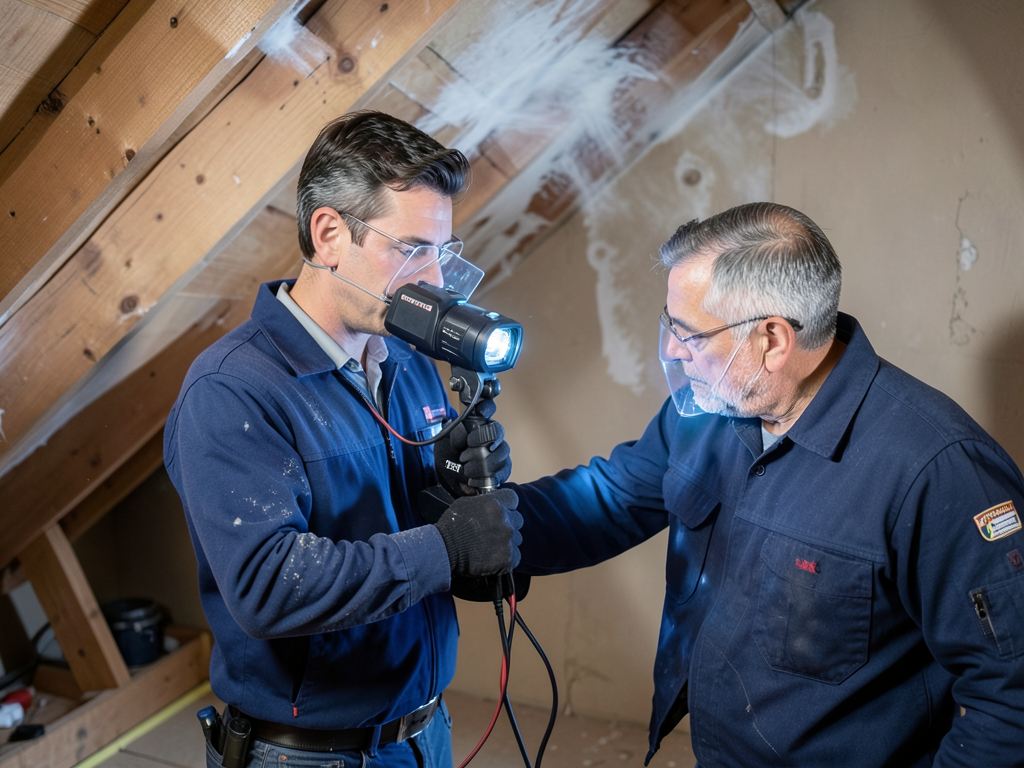
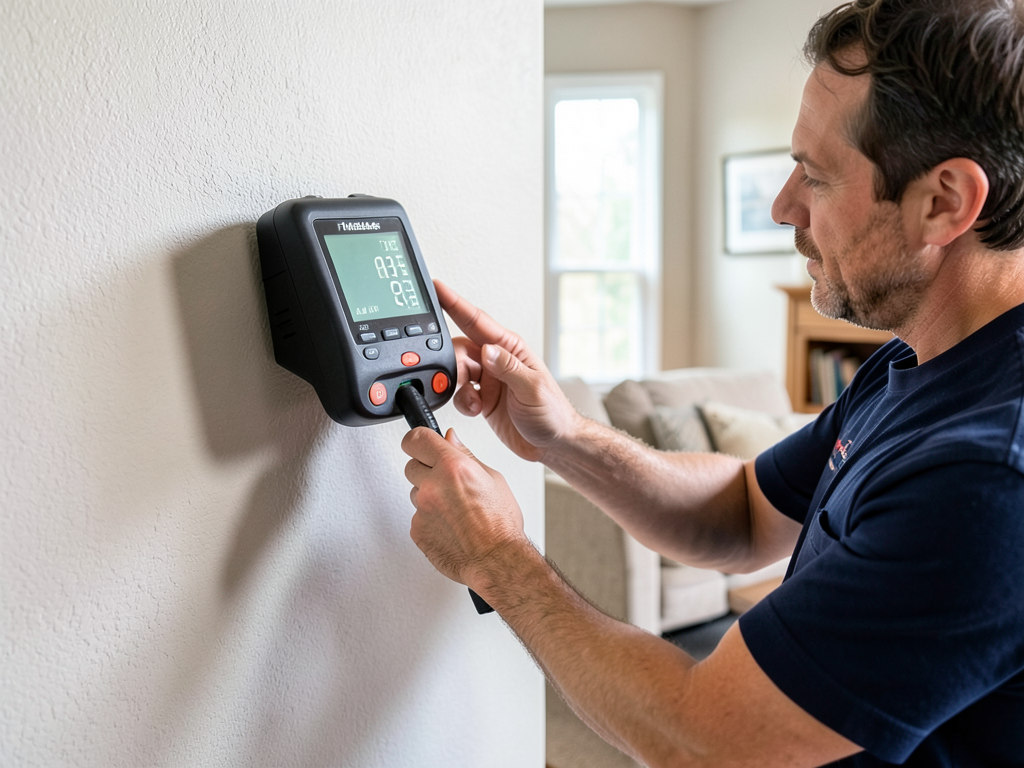
Visible mold represents a fraction of total contamination. Spores hide inside wall cavities, above ceilings, and beneath flooring. We use thermal imaging cameras to detect temperature differentials that indicate moisture intrusion. Moisture meters measure material saturation levels. Air quality testing identifies spore concentrations and species. These diagnostics build a defensible claim package. We document findings with time-stamped photos, chain-of-custody logs, and detailed scope-of-work reports that adjusters require. Guesswork does not satisfy underwriters. Precision does.

Complete Remediation Protocol

Effective mold removal follows IICRC S520 standards. We establish negative air pressure containment to prevent cross-contamination. HEPA air scrubbers capture airborne spores during demolition. Antimicrobial treatments neutralize remaining colonies on framing and subfloors. We remove affected materials down to studs if necessary, then verify clearance with post-remediation air testing. Your adjuster receives detailed before-and-after documentation proving the work meets industry standards. Cutting corners invites claim disputes and failed clearance tests that delay occupancy.

Reconstruction Coordination

Remediation is only half the job. After clearance testing confirms safe air quality, reconstruction begins. We rebuild removed drywall, replace insulation, and restore finishes to pre-loss condition. Our crews install mold-resistant materials in vulnerable areas, improving long-term durability. We coordinate with your adjuster to ensure reconstruction costs align with your approved estimate. If your policy includes replacement cost value coverage, we help you navigate depreciation holdbacks and secure final payment once work is complete. You should not pay out-of-pocket for covered losses.

Frequently Asked Questions

You Have Questions,
We Have Answers

Should I tell my insurance company about mold? +

Yes, but timing and honesty matter. If you discover mold from a sudden, covered peril like a burst pipe, report it immediately. Document everything with photos and timestamps. In Raleigh's humid climate, waiting even a few days can worsen growth and complicate your claim. Do not hide pre-existing conditions or lie about when you noticed the problem. Insurers investigate thoroughly. If mold developed slowly from neglect or poor ventilation, your carrier may deny the claim. Always review your policy's specific mold coverage limits and exclusions before calling. Transparency protects your claim.

Can you claim for mold on house insurance? +

You can claim mold, but coverage depends on the cause. Most homeowners policies in North Carolina cover mold only if it results from a covered peril like a sudden pipe burst, roof leak from storm damage, or appliance malfunction. Gradual issues like high humidity, poor ventilation, or deferred maintenance are excluded. Raleigh's heavy summer rains and humidity mean you must prove the water intrusion was sudden and accidental. Review your policy's mold endorsement. Some carriers cap mold remediation at five thousand to ten thousand dollars. Document the triggering event immediately.

Is mold exposure covered by insurance? +

No, personal health claims from mold exposure fall under health insurance, not homeowners insurance. Your property policy covers physical damage to the structure and belongings, not medical bills or health conditions. If mold makes your home uninhabitable, some policies offer limited additional living expense coverage while repairs happen. In Raleigh, where indoor humidity can spike, preventing mold through dehumidifiers and ventilation is your responsibility. Liability coverage might apply if a guest gets sick from mold in your home and sues you, but that is rare and fact-specific. Focus on remediation, not health reimbursement.

What is an example of a mold claim? +

A common example is a washing machine supply line that bursts while you are at work, flooding your laundry room and adjacent bedroom. You return home to standing water. You call a restoration company, extract the water, and dry the area. Two weeks later, you notice black mold growing on the drywall and baseboards. You file a claim. The adjuster confirms the burst line was sudden and accidental. Your policy covers water damage and subsequent mold remediation up to your policy limit. You pay your deductible, and the carrier funds professional mold removal.

How expensive is mold removal? +

Mold removal costs vary widely based on the extent of contamination and structural damage. Small, contained areas might cost a few hundred dollars for DIY supplies, but professional remediation for widespread growth in Raleigh homes typically ranges from one thousand to several thousand dollars. Costs escalate if drywall, insulation, or flooring must be removed. Crawl space mold in older Raleigh homes can be expensive due to access challenges and humidity control needs. Always get multiple quotes from certified mold remediation companies. If insurance covers the loss, they fund the work minus your deductible.

Will my rates go up if I file a mold claim? +

Filing a mold claim can increase your premiums, especially if the insurer views it as a preventable maintenance issue. North Carolina allows carriers to adjust rates based on claims history. A single claim from a sudden, unavoidable event may not impact you much. Multiple claims or claims tied to neglect can lead to non-renewal or rate hikes. Raleigh homeowners should weigh the claim payout against long-term premium increases. If the damage is minor and close to your deductible, paying out of pocket may be smarter. Consult your agent before filing.

What to do if you can't afford mold removal? +

If you cannot afford professional mold removal, prioritize safety first. Small surface mold on non-porous materials can be cleaned with bleach solution and proper ventilation. For larger infestations, contact local Raleigh nonprofits or community development programs that assist low-income homeowners with emergency repairs. Some restoration companies offer payment plans. If the mold stems from a landlord's failure to repair a leak, North Carolina tenant laws may require them to remediate. Do not ignore widespread mold. It worsens fast in humid climates and poses health risks. Seek free consultations to explore options.

What are the signs of mold in a house? +

Visible signs include black, green, or white patches on walls, ceilings, or grout. You may notice a musty, earthy odor in basements, bathrooms, or crawl spaces. Raleigh's humidity makes closets and attics vulnerable. Peeling wallpaper, warped drywall, and water stains indicate moisture problems that fuel mold. Allergic reactions like sneezing, coughing, or itchy eyes can worsen indoors. Check behind appliances, under sinks, and around windows. Condensation on windows or walls signals poor ventilation. If you suspect hidden mold, hire a certified inspector. Early detection prevents costly structural damage.

What are my rights if my insurance denies a mold claim? +

If your insurer denies a mold claim, request a written explanation citing the specific policy exclusion. Review your policy carefully. If you believe the denial is wrong, file an appeal with supporting documentation like photos, repair estimates, and a timeline proving sudden water intrusion. North Carolina allows you to file a complaint with the Department of Insurance if the carrier acts in bad faith. Consider hiring a public adjuster to reassess the damage or consult an attorney specializing in insurance disputes. Document all communication. Denials based on technicalities can sometimes be overturned.

How do I test for mold in my home? +

You can test for mold using DIY kits from hardware stores, which collect air or surface samples you mail to a lab. Results take a few days and cost twenty to fifty dollars. For accurate, comprehensive testing in Raleigh homes, hire a certified mold inspector. They use moisture meters, air sampling, and infrared cameras to detect hidden growth behind walls or in crawl spaces. Professional testing costs a few hundred dollars but provides actionable data and remediation recommendations. If you see visible mold or smell mustiness, skip testing and go straight to remediation. Testing delays cleanup.

Why Raleigh's Climate Makes Mold Coverage Critical

Raleigh averages 43 inches of rain annually, concentrated in summer thunderstorms and tropical systems that sweep up from the coast. Our humidity stays elevated from May through September, creating ideal conditions for spore germination. Homes built on the area's expansive clay soil experience foundation movement that cracks slabs and shifts plumbing connections. When those slow leaks meet ambient moisture, mold colonizes hidden spaces long before you notice water stains or odors. Understanding homeowners insurance mold coverage becomes essential because the gap between discovery and damage origin determines whether your claim gets approved or denied.

Wake County has seen explosive growth over the past two decades, with construction quality varying widely. Some builders cut corners on moisture barriers and crawlspace ventilation. Older homes in established neighborhoods like Hayes Barton and Budleigh lack modern vapor barriers entirely. Local restoration expertise matters because adjusters unfamiliar with Raleigh's building practices may misclassify covered losses as maintenance issues. We educate adjusters on regional construction standards, explain how clay soil impacts foundation integrity, and demonstrate why certain mold events qualify as sudden and accidental despite underlying vulnerabilities. That local knowledge protects your claim.
Water Damage Restoration Services in The Raleigh Area

While based in Raleigh, Silverline proudly serves the surrounding areas, providing expert water damage restoration wherever you are. Our interactive map allows you to visualize our service radius and plan your visit, or simply understand our immediate response capabilities. We are dedicated to reaching you quickly, ensuring prompt and efficient service for your home or business, no matter your precise location within our service area, ready to assist.

Address:
Silverline Water Damage Restoration Raleigh, 306 E Hargett St, Raleigh, NC, 27601

Additional Services We Offer

Our news updates

Latest Articles & News from The Blogs

Replacing Water Damaged Subfloors Under Your New LVP in North Raleigh Water damage beneath luxury vinyl plank flooring in North…

Replacing Water Damaged Subfloors Under Your New LVP in North Raleigh

Replacing Water Damaged Subfloors Under Your New LVP in North Raleigh Water damage beneath luxury vinyl plank flooring in North…

Fast Flood Cleanup for Daycares and Schools in the Forestville Area

Fast Flood Cleanup for Daycares and Schools in the Forestville Area When water floods a daycare or school in Forestville…

Professional Water Damage Restoration for Medical Offices Near Rex Hospital

Professional Water Damage Restoration for Medical Offices Near Rex Hospital When water floods a medical office the stakes go far…

Contact Us

Do not wait until your claim is denied to understand your policy. Call (984) 294-5900 for a no-cost consultation. We review your coverage, assess your property, and build a claim strategy that maximizes your insurance recovery.