
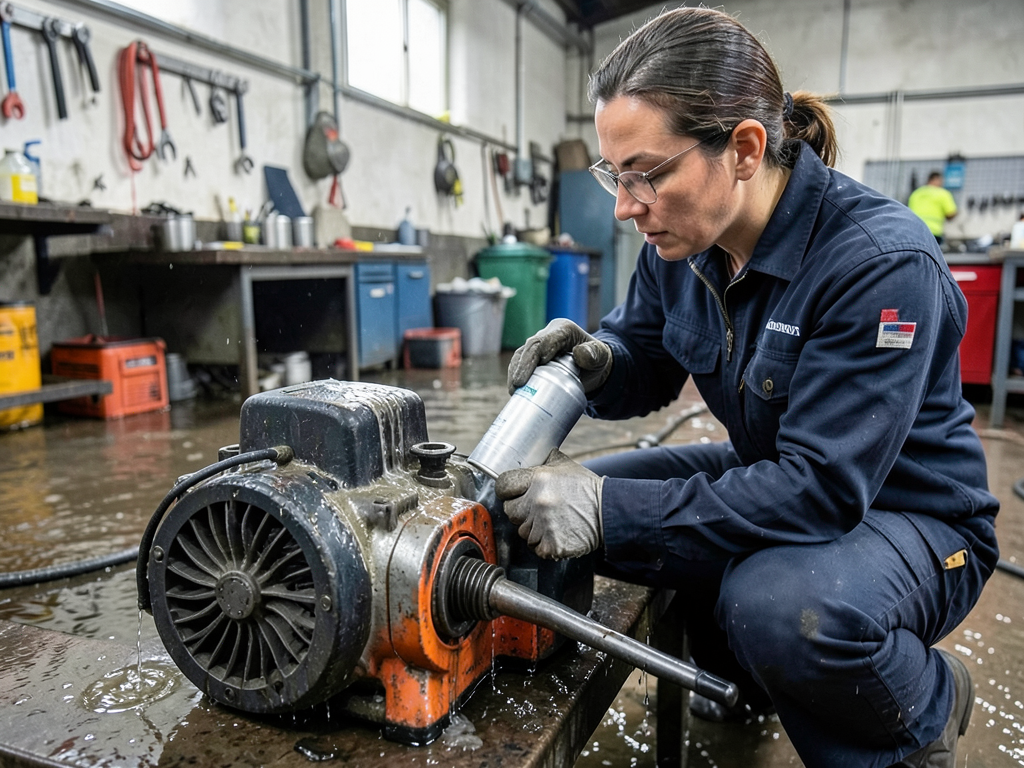
Flooding in your Southeast Raleigh workshop can destroy thousands of dollars in power tools and equipment within hours. The humid North Carolina climate accelerates rust and corrosion, making immediate action critical. This guide shows you exactly how to assess damage, clean tools safely, and decide what to restore versus replace. Water Damage Restoration Cary.
Immediate Safety Steps After a Workshop Flood
Before touching anything, your workshop poses serious electrical and contamination hazards. Floodwater in Southeast Raleigh often contains sewage, pesticides, and chemical runoff from nearby commercial areas. Never enter standing water without proper protection. How to Choose the Best Water Restoration Company in Cary Without Getting Ripped Off.
- Turn off power at the main breaker before entering. Water conducts electricity through wet concrete floors.
- Wear chemical-resistant gloves, rubber boots, and eye protection. Floodwater can cause skin infections.
- Do not power on any tool that was submerged. Even if it looks dry, internal components may be wet.
- Document everything with photos before moving items. This helps with insurance claims.
According to the IICRC S500 Standard for Professional Water Damage Restoration, Category 3 water (black water) requires immediate professional assessment due to contamination risks. Who to Call for Emergency Water Damage in Downtown Raleigh at 3 AM.
Assessing Your Tool Collection’s Flood Damage
Tools fall into different categories based on material and exposure level. Understanding this helps prioritize recovery efforts.. Read more about Understanding the Three Categories of Flood Water (And Which Ones Are Actually Dangerous).
| Tool Type | Material | Damage Level | Recovery Priority |
|---|---|---|---|
| Table saws, jointers | Casting iron | Submerged | High |
| Cordless drills, saws | Plastic/steel | Splash zone | Medium |
| Measuring tools, levels | Aluminum/brass | Surface moisture | Medium |
| Hand planes, chisels | High-carbon steel | Submerged | High |
The Wake County Environmental Services recommends disposing of tools contaminated with sewage through their hazardous waste program at the South Wake Landfill.
Step-by-Step Tool Restoration Process
- Initial Cleaning and Decontamination
Remove all visible mud and debris using a garden hose with low pressure. Mix one cup of bleach per gallon of water to sanitize surfaces. Wear gloves and work in a well-ventilated area. This kills bacteria from Category 3 water.
- Thorough Drying
Use compressed air to blow out water from motor vents and switch housings. Place tools in a dehumidified space below 50% relative humidity. Raleigh’s average summer humidity of 72% means natural drying takes too long and promotes rust. High Indoor Humidity Levels.
- Rust Removal Methods
For cast iron surfaces, use Evapo-Rust or a 50/50 vinegar solution. For severe rust, electrolysis with a battery charger and washing soda solution works effectively. Sand lightly with 220-grit paper if needed.
- Electrical Component Recovery
Open motor housings and use isopropyl alcohol (90%+) to clean commutator and armature. Check carbon brushes for wear. Replace if brushes are less than 1/4 inch long. Do not use water on any electrical components.
- Lubrication and Protection
Apply corrosion inhibitor like WD-40 Specialist Long-Term Corrosion Inhibitor to all metal surfaces. Use silicone-based lubricant on plastic gears and moving parts. This prevents flash rust within 24-48 hours.
EPA guidelines recommend professional inspection of any electrical equipment exposed to floodwater before reuse.
Special Considerations for Power Tools
Power tools require specific protocols due to their electrical components and precision bearings.
Motor Recovery Steps
Remove the motor from the tool housing if possible. Use a multimeter to test for continuity in windings. If resistance readings are inconsistent, the motor likely needs rewinding or replacement. The cost of motor rewinding in Raleigh averages $150-300 versus $400-800 for new motors.
Battery Safety After Submersion
Lithium-ion batteries are extremely dangerous after water exposure. Do not attempt to charge or use them. The Wake County Household Hazardous Waste program accepts damaged batteries at no charge. Signs of battery failure include swelling, discoloration, or heat generation.
According to National Fire Protection Association data, damaged lithium batteries cause approximately 20 fires daily in the United States.
When to Call a Professional Restoration Service
Some situations require expert intervention beyond DIY capabilities. Consider professional help if:
- You have commercial-grade equipment worth over $5,000
- Multiple tools were submerged for more than 24 hours
- You lack proper drying equipment or dehumidification
- Insurance will cover professional restoration
- You need documentation for a large insurance claim
Professional services use industrial desiccant dehumidifiers that can reduce humidity to 20%, compared to residential units that only reach 40-50%. This prevents micro-corrosion on precision components.
Preventing Future Workshop Flood Damage
Install a sump pump with battery backup in your Southeast Raleigh workshop. The area’s clay soil and flat terrain mean water accumulates quickly during heavy storms. A 1/3 HP pump costs approximately $150-200 and can remove 2,000 gallons per hour.
Consider elevating tool storage on mobile bases or shelving units at least 6 inches off the floor. Use waterproof tool chests for hand tools. Install water sensors near potential leak sources that send alerts to your phone.
The City of Raleigh requires new commercial construction to include flood mitigation measures in flood-prone zones. Check if your property falls within these designated areas using the Raleigh Stormwater Floodplain Map.
Documenting Losses for Insurance Claims
Proper documentation increases your claim success rate significantly. Create a detailed inventory including:
- Original purchase receipts or credit card statements
- Photographs of tools before the flood (if available)
- Current replacement cost estimates from local suppliers
- Professional damage assessment reports
Wake County insurance adjusters typically require proof of value for tools over $500. Keep digital copies of all documentation in cloud storage.
Local Disposal Regulations for Damaged Tools
Wake County has specific disposal requirements for flood-damaged equipment. Metal tools can go in regular recycling if they’re clean and free of oil. Electronic tools with circuit boards require special handling at the South Wake Landfill’s electronics recycling center.
Tools contaminated with chemicals, oil, or hazardous materials must go through the Household Hazardous Waste program. This includes items like air compressors with oil, battery-powered tools, and anything with fuel residue.
Cost Comparison: Restoration vs. Replacement
| Tool Category | Restoration Cost | Replacement Cost | Recommended Action |
|---|---|---|---|
| Basic hand tools | $5-20 each | $15-50 each | Restore |
| Cordless power tools | $30-100 | $100-300 | Restore if under 3 years old |
| Table saws, jointers | $150-400 | $800-2,500 | Restore |
| Air compressors | $100-250 | $300-1,000 | Restore if tank is not rusted |
Health Risks from Floodwater Contamination
Floodwater in Southeast Raleigh may contain harmful pathogens including E. coli, Salmonella, and chemical contaminants from nearby industrial areas. Tools exposed to this water can harbor bacteria for weeks.
Wear N95 masks when cleaning to avoid inhaling mold spores that develop within 24-48 hours in our humid climate. The CDC recommends discarding any tool with porous surfaces that cannot be properly disinfected.
Final Recovery Checklist
Before considering your workshop fully recovered, verify these items:
- All tools are completely dry inside and out
- Electrical tools have been professionally tested
- Damaged batteries have been properly disposed
- Workshop humidity stays below 50%
- Insurance documentation is complete
The entire recovery process typically takes 3-7 days depending on tool quantity and damage severity. Don’t rush tools back into service before they’re fully restored.
Frequently Asked Questions
How long do I have to save flooded tools before rust becomes permanent?
Within 24-48 hours in Raleigh’s humid climate, flash rust can permanently damage tool surfaces. Immediate drying and rust prevention are essential for successful restoration.
Can I use my homeowner’s insurance for flooded workshop tools?
Most standard policies cover sudden water damage but not flood damage from external sources. Check if you have flood insurance or if the damage resulted from a covered plumbing failure.
Should I attempt to clean electrical tools myself?
Basic cleaning is safe, but internal electrical components should be inspected by a professional. Water in motors and switches creates fire hazards even after drying.
What’s the best way to prevent rust in my Southeast Raleigh workshop?
Maintain humidity below 50% using a dehumidifier, store tools in sealed cabinets, and apply corrosion inhibitors regularly. Consider climate-controlled storage for expensive equipment.
Get Professional Help Today
Flood damage to your workshop tools requires immediate action to prevent permanent loss. Silver Lining Water Damage Restoration Raleigh provides 24/7 emergency response for Southeast Raleigh properties. Our technicians understand local climate challenges and use industrial-grade equipment to save your valuable tools. Local Experts for Mold Remediation and Water Damage in Five Points.
Call (984) 294-5900 today to schedule your inspection. Don’t wait until rust destroys your investment. We’ll assess damage, provide restoration options, and help with insurance documentation.
Pick up the phone and call (984) 294-5900 before the next storm hits. Your tools are worth saving, and we know exactly how to do it right.