Menu

Frozen Pipe Burst Cleanup in Raleigh – 60-Minute Emergency Response, 24/7 Water Extraction

When frozen pipes burst in your Raleigh home, our certified emergency crews deploy within one hour to stop flooding, extract standing water, and prevent structural damage before mold takes hold.

Slider Image 1
Slider Image 2
Slider Image 3
Slider Image 4
Slider Image 5
Slider Image 7
Slider Image 8
Slider Image 9
Slider Image 10
Slider Image 11

Why Frozen Pipe Bursts Devastate Raleigh Homes Faster Than You Think

Raleigh winters bring unpredictable freeze-thaw cycles that catch homeowners off guard. When temperatures drop below 20°F, uninsulated pipes in crawl spaces and attics freeze solid. The ice expands, splits the pipe, and the moment temperatures rise, gallons of water flood your home every minute.

The real damage happens in the first hour. Water spreads through drywall, soaks subflooring, saturates insulation, and seeps into wall cavities where you cannot see it. In Raleigh's humid climate, mold colonization begins within 24 to 48 hours. The longer water sits, the more your structure deteriorates.

Burst pipe water damage restoration is not about mopping up. It requires industrial-grade water extraction equipment, thermal imaging to find hidden moisture, and dehumidification systems that pull water vapor from porous materials. You need emergency burst pipe water removal the moment you discover the break, not tomorrow morning.

Most frozen pipe burst remediation jobs we handle in North Raleigh neighborhoods like Bedford and Brier Creek involve crawl space flooding. The clay soil common to the area does not absorb water quickly, so pooling occurs beneath your foundation. That standing water wicks into floor joists and subflooring, creating the perfect environment for rot and microbial growth.

Stop the clock. The faster you act, the less you lose. Frozen pipe flood cleanup is a race against secondary damage, and in Raleigh's humidity, the clock runs faster than most people realize.

Why Frozen Pipe Bursts Devastate Raleigh Homes Faster Than You Think
How We Stop Frozen Pipe Damage Before It Spreads Through Your Home

How We Stop Frozen Pipe Damage Before It Spreads Through Your Home

We do not just extract water and leave. Our frozen pipe burst cleanup protocol addresses the entire damage chain, from initial water intrusion to final moisture verification.

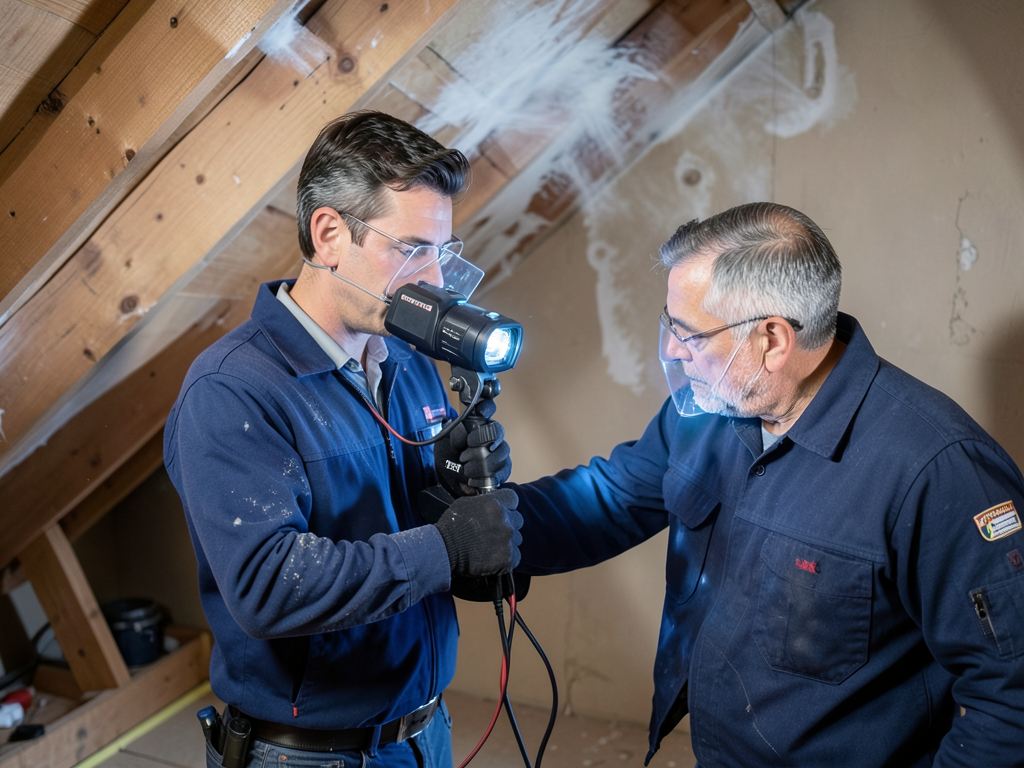
First, we locate the burst pipe and shut off your water supply. Many homeowners do not know where their main shutoff valve is located, and every minute counts. We isolate the damage zone and document the extent of flooding with thermal imaging cameras. This reveals wet insulation, saturated drywall, and pooling water behind walls that you cannot see with your eyes.

Next, we deploy truck-mounted extractors and submersible pumps to remove standing water. These units pull hundreds of gallons per hour, far beyond what shop vacs or rental equipment can handle. Speed matters because water migrates. It flows through floor joists, soaks carpet padding, and travels along electrical conduits. If you wait, a single burst pipe can flood multiple rooms.

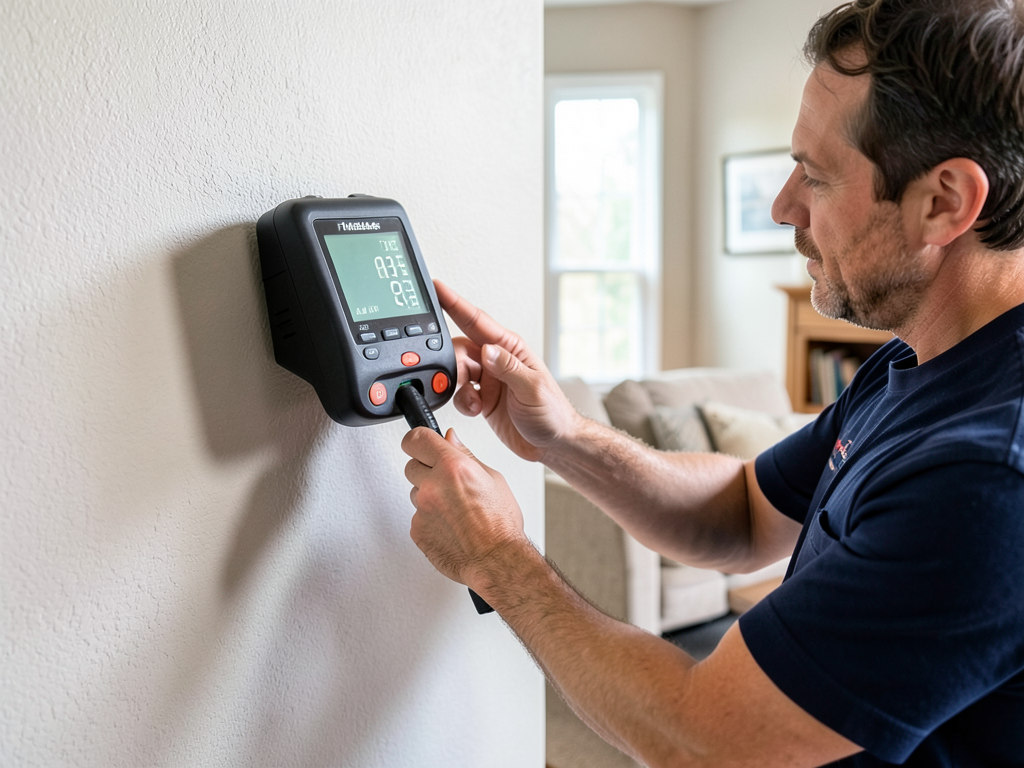
After extraction, we place commercial air movers and low-grain refrigerant dehumidifiers to dry structural materials. We monitor moisture levels in framing lumber, subfloors, and drywall using pin-type and non-invasive meters. We do not rely on guesswork. Materials must reach equilibrium moisture content, which for wood framing in Raleigh is typically 12 to 14 percent.

We also apply antimicrobial treatments to affected surfaces. Raleigh's 70 percent average humidity accelerates mold growth, and contaminated materials can trigger health issues. Our IICRC-certified technicians know which materials can be saved and which must be removed.

This is water extraction for frozen pipes done correctly. No shortcuts, no missed moisture, no callbacks.

What Happens When You Call Us for Emergency Frozen Pipe Cleanup

Frozen Pipe Burst Cleanup in Raleigh – 60-Minute Emergency Response, 24/7 Water Extraction
01

Immediate Dispatch and Damage Assessment

Our emergency line connects you to a live dispatcher who deploys a crew to your property within 60 minutes. When we arrive, we perform a visual inspection, locate the burst pipe, shut off your water, and document the damage with photos and thermal imaging. You get a clear assessment of what happened and what needs to happen next before we begin extraction.
02

Water Extraction and Structural Drying

We remove standing water using truck-mounted extractors and submersible pumps, then position air movers and dehumidifiers to dry structural materials. Our technicians monitor moisture levels daily using calibrated meters, adjusting equipment placement as conditions change. We track drying progress with detailed logs and psychrometric readings to ensure complete moisture removal before we pull equipment from your property.
03

Final Verification and Restoration Coordination

Once moisture readings reach acceptable levels, we perform a final walkthrough and provide documentation for your insurance claim. If repairs are needed, we coordinate with your contractor or provide referrals to trusted local professionals. You receive a detailed report showing moisture maps, equipment logs, and before-and-after photos. Our goal is to return your home to pre-loss condition with zero hidden moisture remaining.

Why Raleigh Homeowners Trust Us With Burst Pipe Emergencies

We have worked in Raleigh neighborhoods from Five Points to Wakefield for years. We understand how homes are built here. We know the difference between a 1950s slab foundation in Cameron Park and a modern crawl space home in Brier Creek. That local knowledge matters when water floods your property.

Raleigh building codes require specific moisture control measures in crawl spaces, and we adhere to those standards during remediation. We know how to work with local plumbers who understand freeze protection for exposed piping. We also understand how insurance adjusters in Wake County evaluate water damage claims, and we provide the documentation they need to process your claim without delays.

Our IICRC-certified technicians carry the same equipment to every job, whether you live in a 1,200-square-foot bungalow in Oakwood or a 4,000-square-foot home in North Ridge. We do not scale back service based on property size. You get the same industrial-grade extractors, the same thermal imaging, the same moisture monitoring protocol.

We also respond to commercial frozen pipe bursts. Office buildings, retail spaces, and medical facilities cannot afford downtime. We deploy larger crews and more equipment to minimize business interruption. Our teams work nights and weekends to get you operational again.

You can verify our work. We provide daily moisture logs, psychrometric data, and before-and-after photos. We explain what we found, what we did, and why we did it. No surprises, no upselling, no hidden moisture left behind.

Raleigh has plenty of water damage companies. We are the one that shows up fast, documents everything, and finishes the job correctly.

What You Can Expect When We Handle Your Frozen Pipe Burst Cleanup

60-Minute Emergency Response Time

Our dispatch center operates 24 hours a day, 365 days a year. When you call, a live person answers and sends a crew to your property within one hour. We do not wait until morning. We do not tell you to call back during business hours. Frozen pipe bursts flood homes at 2 a.m. just as often as they happen at noon, and our response time does not change. You get the same rapid deployment whether you call on a Tuesday afternoon or Christmas morning. Speed is not negotiable in water damage restoration.

Comprehensive Moisture Detection and Documentation

We use thermal imaging cameras and moisture meters to find water you cannot see. Drywall, insulation, and subflooring hold moisture long after surface water disappears, and hidden moisture causes mold and rot. Our technicians scan walls, ceilings, and floors to map the full extent of water intrusion. We document findings with photos, moisture readings, and equipment placement diagrams. You receive a detailed report showing exactly where water traveled and how we addressed it. This documentation is critical for insurance claims and future property transactions.

Complete Structural Drying with Daily Monitoring

We do not pull equipment until materials reach equilibrium moisture content. Our technicians return daily to take moisture readings, adjust air movers and dehumidifiers, and log progress. Drying time depends on the extent of flooding, material types, and environmental conditions, but most residential jobs take three to five days. We track temperature, humidity, and specific moisture levels in framing, subflooring, and drywall. When readings stabilize within acceptable ranges, we perform a final verification scan before removing equipment. You get proof that drying is complete, not just an assumption.

Insurance Coordination and Restoration Support

We work directly with your insurance company to streamline the claims process. Our documentation packages include moisture maps, daily logs, equipment inventories, and photos that adjusters need to evaluate your claim. We can also provide repair estimates and coordinate with contractors if structural repairs are needed. Many homeowners do not know what their policy covers or how to navigate the claims process, and we guide you through it. Our goal is to remove the administrative burden so you can focus on getting your home back to normal.

Frequently Asked Questions

You Have Questions,
We Have Answers

What to do when a pipe freezes and bursts? +

Shut off your main water supply immediately to stop flooding. Turn off electricity to affected areas to prevent shock hazards. Document the damage with photos for insurance. Remove standing water with towels or a wet vac if safe. Move furniture and valuables to dry areas. Contact a professional water damage restoration company right away. Raleigh's freeze-thaw cycles can cause secondary damage fast, especially in crawl spaces and attics. Do not attempt to thaw frozen pipes with open flames. Professionals will extract water, set up drying equipment, and assess structural damage within hours.

How to clean up after a pipe burst? +

Start with water extraction using pumps or wet vacs to remove standing water. Remove soaked materials like carpets, padding, and damaged drywall within 24-48 hours to prevent mold growth. Set up industrial fans and dehumidifiers to dry the structure thoroughly. Raleigh's high humidity makes professional drying equipment critical. Disinfect all affected surfaces with antimicrobial treatments to kill bacteria. Monitor moisture levels in walls and subfloors with meters. Document everything for insurance claims. Professional restoration crews handle extraction, structural drying, mold prevention, and reconstruction faster than DIY methods, minimizing long-term damage.

How much do plumbers charge to unfreeze pipes? +

Plumbers typically charge between service call fees and hourly rates to thaw frozen pipes. Emergency after-hours calls cost more. The price varies based on pipe location, accessibility, and severity. Multiple frozen sections increase costs. However, plumbers address the freeze, not the resulting water damage. If pipes burst before thawing, you need water damage restoration services separately. Raleigh homeowners often face frozen pipes in crawl spaces and exterior walls during cold snaps. Prevention through insulation and heat tape costs far less than emergency service and cleanup. Always address freezing pipes immediately to avoid burst damage.

Does homeowners insurance cover water damage from frozen pipes? +

Most homeowners policies cover sudden and accidental water damage from burst frozen pipes. Coverage typically includes structural repairs, content replacement, and professional cleanup costs. However, insurers may deny claims if you failed to maintain reasonable heat or neglected known maintenance issues. Raleigh's occasional hard freezes require winterization steps like insulating exposed pipes. Document the damage immediately with photos and timestamps. Keep all receipts from emergency services and temporary repairs. Contact your adjuster fast. Policies exclude gradual damage or neglect. Review your specific policy limits and deductibles before winter arrives.

Should you leave your faucets open if your pipes are frozen? +

Yes. Open faucets slightly to relieve pressure buildup in frozen pipes. Let both hot and cold water drip from faucets served by exposed pipes. The flow, even minimal, helps prevent complete blockage and reduces pressure that causes bursts. Focus on faucets in exterior walls, crawl spaces, and unheated areas common in Raleigh homes. Keep cabinet doors open under sinks to allow warm air circulation. Do not close faucets until pipes thaw completely and flow returns to normal. This technique prevents pressure ruptures but does not thaw pipes. Use safe heat sources alongside this method.

What not to do if pipes are frozen? +

Never use open flames, propane torches, or kerosene heaters to thaw pipes. Fire risk is extreme, especially near insulation or wood framing. Do not pour boiling water directly on frozen pipes. Rapid temperature changes can crack pipes. Avoid ignoring the problem hoping it resolves itself. Raleigh freeze events may last days, worsening the blockage. Do not turn off your heat to save money during vacations. Pipes in crawl spaces and attics freeze fast when temps drop. Never wait until pipes burst. Act immediately when you notice reduced flow or frozen sections to prevent catastrophic flooding.

What kills mold after a water leak? +

Professional antimicrobial treatments and EPA-registered disinfectants kill mold after water leaks. Bleach solutions work on non-porous surfaces but do not penetrate porous materials like drywall or wood. Hydrogen peroxide-based products kill mold without toxic fumes. However, cleaning surface mold does not address hidden growth inside walls or under flooring. Raleigh's humidity accelerates mold colonization within 24-48 hours after water damage. Professional remediation removes contaminated materials, treats affected areas with specialized agents, and uses HEPA filtration during removal. Moisture elimination is critical. Mold returns if you do not fix the water source and dry structural components completely.

How much water should I run to keep pipes from freezing? +

Let faucets drip at a pencil-lead thickness flow rate during freezing temperatures. Both hot and cold lines need movement. Focus on faucets along exterior walls, in crawl spaces, or serving unheated areas. Running water prevents stagnant freezing and maintains minimal pressure relief. Raleigh homes with poor crawl space insulation or older plumbing in exterior walls need extra attention. Open cabinet doors under sinks to circulate warm air. This approach works for short cold snaps but does not replace proper pipe insulation and heating. Monitor weather forecasts and start dripping before temperatures drop below freezing overnight.

How to dry out a house after burst pipe? +

Stop the water source first. Use pumps and wet vacs to extract standing water immediately. Remove soaked materials like carpet, padding, insulation, and damaged drywall within 48 hours. Set up commercial dehumidifiers and air movers to dry structural components thoroughly. Raleigh's humidity slows natural evaporation, making professional drying equipment essential. Monitor moisture levels in walls, subfloors, and ceiling cavities with meters. Drying takes days, not hours. Open windows only if outdoor humidity is lower than indoor levels. Professionals prevent mold growth, structural warping, and hidden moisture pockets that cause long-term problems.

Does insurance cover if a pipe bursts? +

Yes, most homeowners insurance policies cover sudden pipe bursts as accidental water damage. Coverage includes emergency water extraction, structural repairs, and damaged belongings. However, insurers require you to maintain heat and winterize your home during cold weather. Raleigh's occasional hard freezes make winterization documentation important. Gradual leaks, neglect, or lack of maintenance void coverage. File claims immediately with photos, timestamps, and professional assessment reports. Policies have coverage limits and deductibles. Read your specific policy to understand exclusions. Emergency mitigation costs are usually covered even before adjuster approval to prevent further damage.

Why Raleigh's Freeze-Thaw Cycles Make Frozen Pipe Prevention Critical for Homeowners

Raleigh sits in a climate zone where winter temperatures swing dramatically. A sunny 55°F afternoon can drop to 18°F overnight, and those rapid temperature changes stress plumbing systems. Pipes in unheated crawl spaces, attics, and exterior walls freeze when cold air penetrates insulation gaps. When temperatures rise, the ice melts and the pipe ruptures. This freeze-thaw pattern is why we see burst pipe water damage restoration calls spike in January and February. Homes built before 1980 are especially vulnerable because insulation standards were lower and crawl space vents were more common. Modern homes in developments like Brier Creek and Wakefield have better insulation, but exposed hose bibs and poorly insulated rim joists still freeze.

Raleigh homeowners also face unique challenges with crawl space flooding. The clay soil common throughout Wake County does not drain quickly, so water from burst pipes pools beneath your foundation. That standing water wicks into floor joists and subflooring, creating long-term moisture problems if not extracted and dried properly. Local building codes require vapor barriers and ventilation in crawl spaces, and we ensure remediation work meets those standards. We also understand how local insurance adjusters evaluate claims and what documentation they require. Choosing a local frozen pipe flood cleanup provider means working with a team that knows Raleigh construction, Raleigh soil conditions, and Raleigh insurance requirements.
Water Damage Restoration Services in The Raleigh Area

While based in Raleigh, Silverline proudly serves the surrounding areas, providing expert water damage restoration wherever you are. Our interactive map allows you to visualize our service radius and plan your visit, or simply understand our immediate response capabilities. We are dedicated to reaching you quickly, ensuring prompt and efficient service for your home or business, no matter your precise location within our service area, ready to assist.

Address:
Silverline Water Damage Restoration Raleigh, 306 E Hargett St, Raleigh, NC, 27601

Additional Services We Offer

Our news updates

Latest Articles & News from The Blogs

Understanding the Three Categories of Flood Water (And Which Ones Are Actually Dangerous)\p>When water floods your Raleigh home the source…

Understanding the Three Categories of Flood Water (And Which Ones Are Actually Dangerous)

Understanding the Three Categories of Flood Water (And Which Ones Are Actually Dangerous)\p>When water floods your Raleigh home the source…

Why Water Travels Up Your Walls (The Physics of Capillary Action in Raleigh Homes)

Why Water Travels Up Your Walls (The Physics of Capillary Action in Raleigh Homes) When you see a small puddle…

Can Solar Panel Installation Cause Roof Leaks in Your Blue Ridge Home?

Can Solar Panel Installation Cause Roof Leaks in Your Blue Ridge Home? Solar panels create mounting points that penetrate your…

Contact Us

Every minute counts when a frozen pipe bursts. Call (984) 294-5900 now for 60-minute emergency response. Our crews are ready 24/7 to extract water, dry your home, and prevent mold. Do not wait until morning.