Menu

Water Bug & Pest Infestations in Raleigh – Expert Diagnosis and Moisture Elimination to Stop the Source

We identify the hidden water damage attracting Oriental cockroaches, water bugs, and sewer roaches, then eliminate the moisture problem permanently so pests lose their habitat.

Slider Image 1
Slider Image 2
Slider Image 3
Slider Image 4
Slider Image 5
Slider Image 7
Slider Image 8
Slider Image 9
Slider Image 10
Slider Image 11

Why Water Damage Creates Pest Problems in Raleigh Homes

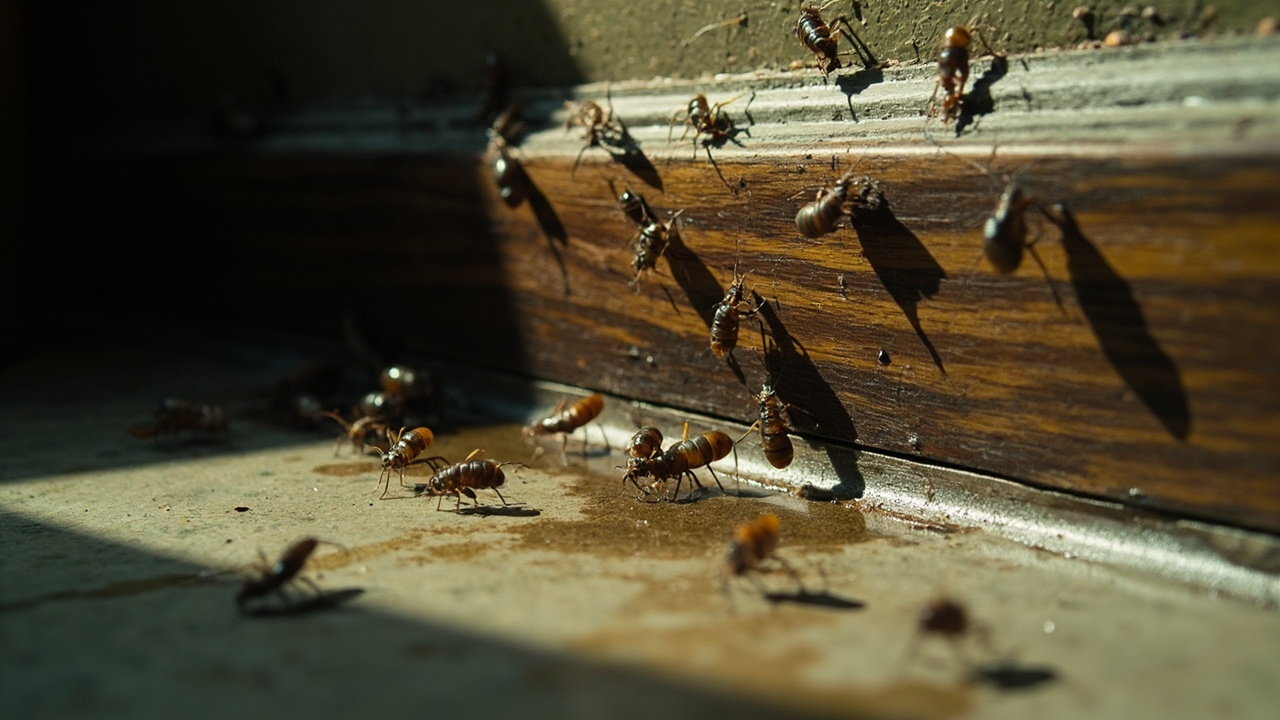
You see a water bug scuttle across your bathroom floor at night. You find Oriental cockroaches near your washing machine. You notice sewer roaches emerging from floor drains after heavy rain. These are not random occurrences. They are symptoms of a moisture problem.

Raleigh's humid subtropical climate creates ideal conditions for moisture-related pest infestations. Our average annual humidity hovers around 70 percent. When you add hidden water leaks, poor crawl space ventilation, or foundation seepage common in neighborhoods like Mordecai and Oakwood, you create the damp environment insects need to thrive.

Water bugs and Oriental cockroaches require constant moisture to survive. They congregate near leaking pipes, condensation buildup on HVAC ducts, or saturated subfloors. A single slow leak under your kitchen sink can support dozens of roaches. A wet crawl space becomes a breeding ground.

The pests are the visible problem. The water damage is the root cause.

Many Raleigh homeowners spray pesticides and wonder why the bugs return within weeks. The answer is simple. You are treating the symptom while the moisture source remains active. Water damage roaches will keep coming back until you eliminate the water attracting them.

Our clay-heavy soil in the Triangle area exacerbates the issue. Clay does not drain well. During prolonged rain events, water pools around foundations and seeps through cracks. This creates chronic dampness in basements and crawl spaces where sewer roach infestations take hold.

If you are seeing water bugs or roaches regularly, you have a moisture intrusion problem that needs professional attention.

Why Water Damage Creates Pest Problems in Raleigh Homes
How We Eliminate the Moisture Attracting Pests

How We Eliminate the Moisture Attracting Pests

We approach pest-related water damage differently than exterminators. We locate and repair the moisture source so pests lose their habitat permanently.

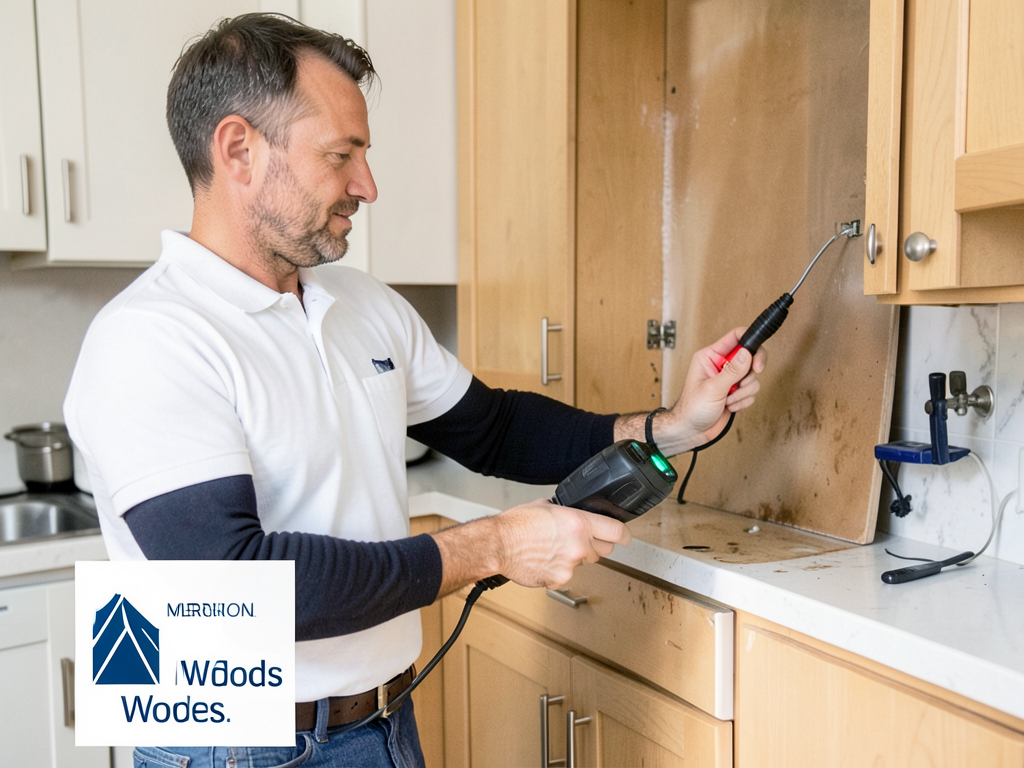
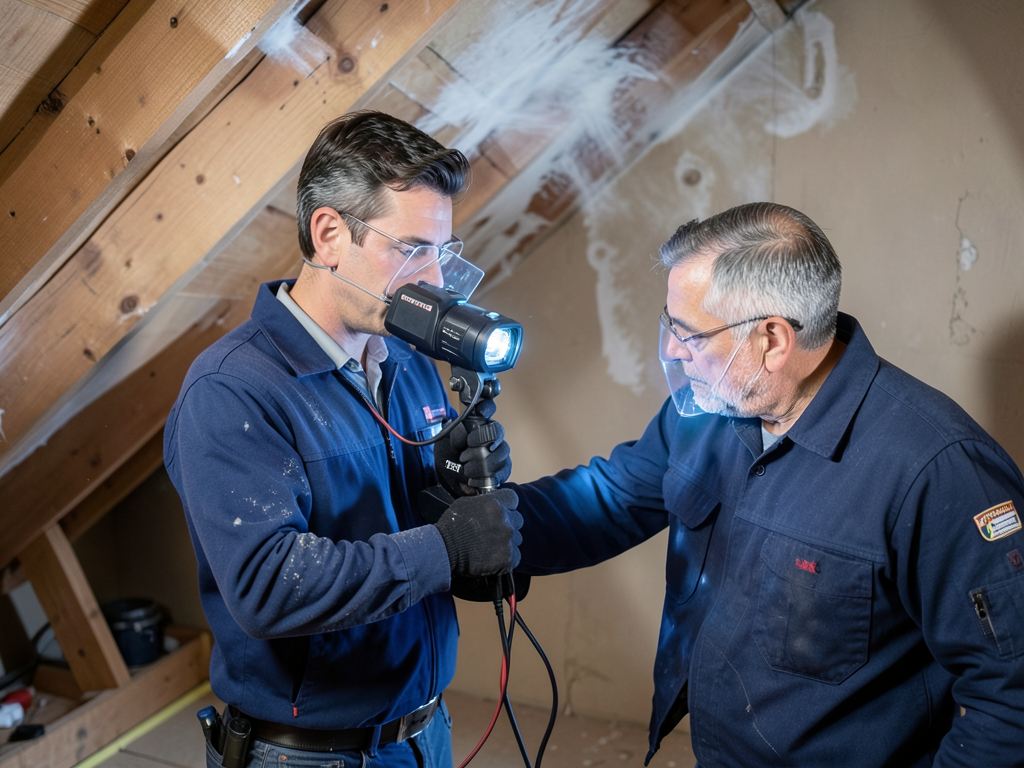
Our process starts with thermal imaging and moisture mapping. We use FLIR infrared cameras to detect temperature differentials behind walls and under floors. These variations reveal active water intrusion invisible to the naked eye. We map moisture content using pin and pinless meters calibrated to identify saturation levels in wood framing, drywall, and concrete.

Once we identify the source, we categorize the damage. A leaking supply line creates clean water damage. A sewage backup or washing machine overflow introduces contaminated water that requires biohazard protocols. Sewer roach infestations often indicate Category 3 water intrusion carrying fecal matter and pathogens.

We extract standing water using truck-mounted pumps capable of removing hundreds of gallons per hour. We then deploy commercial-grade dehumidifiers and air movers to reduce relative humidity below 50 percent. This threshold is critical. Damp environment insects cannot survive when humidity drops below their physiological requirements.

For structural drying, we remove wet insulation, cut flood cuts in drywall to expose wall cavities, and apply antimicrobial treatments to prevent mold colonization. We repair the source leak, whether it is a failed wax ring on a toilet, a cracked drain line, or foundation hydrostatic pressure.

We verify drying using daily moisture readings until materials return to their dry standard. Only then do we reconstruct. This thoroughness ensures moisture-related pest infestations do not recur because the environment no longer supports them.

What Happens During a Moisture Inspection for Pest Activity

Water Bug & Pest Infestations in Raleigh – Expert Diagnosis and Moisture Elimination to Stop the Source
01

Initial Assessment and Documentation

We photograph pest activity locations and interview you about patterns. When do you see bugs? Where do they congregate? We inspect common moisture entry points like crawl space vents, basement floor drains, and plumbing penetrations. We look for efflorescence on foundation walls, water stains on subfloors, and condensation on cold water pipes. This establishes our investigation scope.
02

Thermal and Moisture Testing

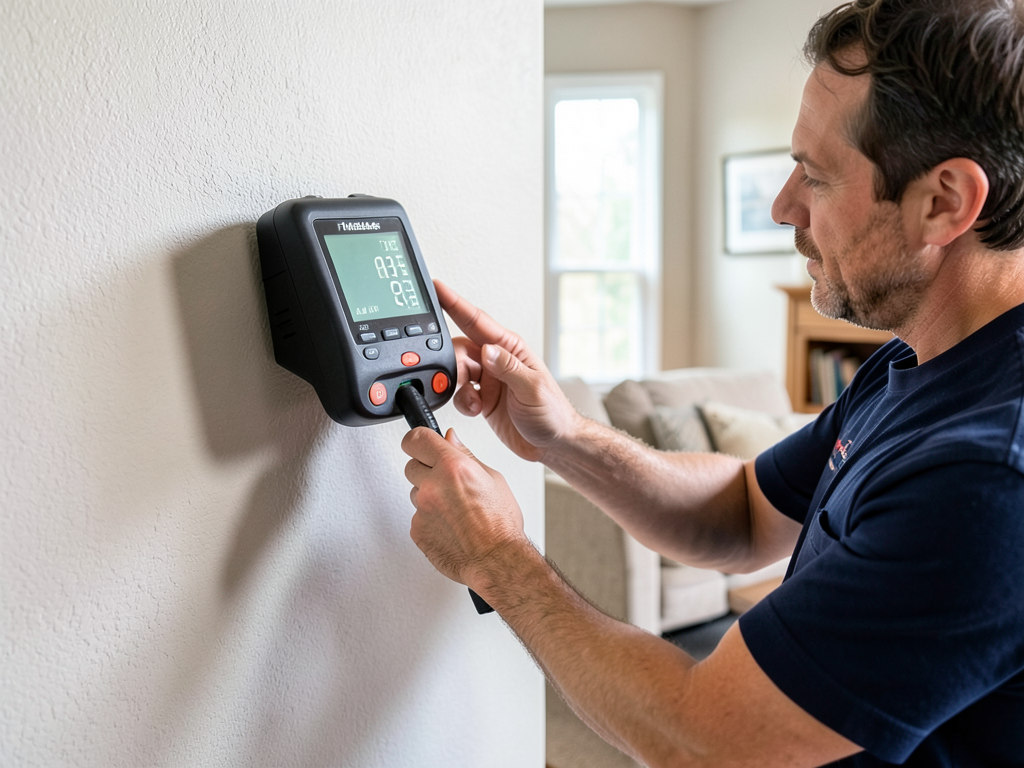
We scan walls, ceilings, and floors with infrared cameras to locate temperature anomalies indicating hidden moisture. We verify findings with calibrated moisture meters. We test relative humidity in crawl spaces and basements using hygrometers. Readings above 60 percent confirm conditions supporting water damage roaches. We probe subflooring near bathrooms and kitchens where plumbing leaks concentrate. We document every finding with photos and moisture content percentages.
03

Source Identification and Repair Plan

We pinpoint the exact moisture source, whether it is a leaking appliance hose, failed sump pump, or grade drainage directing water toward your foundation. We provide a detailed repair estimate covering water extraction, structural drying, leak repair, and reconstruction. We explain how eliminating the moisture will eliminate the pest habitat. You receive a timeline, scope of work, and insurance claim assistance if applicable.

Why Raleigh Property Owners Trust Us for Pest-Related Moisture Issues

We understand the specific challenges Raleigh homeowners face. Our soils, our climate, and our housing stock create unique vulnerabilities.

Many homes in historic districts like Oakwood and Boylan Heights feature pier and beam foundations with ventilated crawl spaces. These designs made sense decades ago but create moisture traps in our current climate. Humid exterior air enters crawl spaces, contacts cooler ground, and condenses. This chronic dampness attracts Oriental cockroach problems and wood-destroying insects.

We have worked extensively in these neighborhoods. We know how to retrofit vapor barriers, install crawl space dehumidifiers, and seal foundation vents without compromising historic character. We understand local preservation guidelines and work with homeowners to balance moisture control with architectural integrity.

Our rapid response matters because water damage accelerates quickly in Raleigh's heat. A small leak in July can produce visible mold growth within 48 hours. The same moisture that feeds mold spores feeds sewer roach infestations. We arrive promptly, assess thoroughly, and begin mitigation immediately to prevent secondary damage.

We also navigate insurance claims daily. We document damage using industry-standard protocols that insurers recognize. We provide detailed estimates using Xactimate software. We communicate directly with adjusters to advocate for proper scope and prevent claim denials. Most homeowners do not realize their policy covers water damage from sudden plumbing failures but excludes damage from deferred maintenance. We help you understand the difference.

Choosing a local water damage restoration company means choosing someone who understands your home's construction, your neighborhood's quirks, and the specific pest pressures our climate creates. We are not a national franchise following a generic script. We are Raleigh specialists solving Raleigh problems.

What You Can Expect From Our Service

Rapid Response Timeline

We answer calls 24 hours a day because water damage does not wait for business hours. When you call about pest activity linked to moisture, we schedule an inspection within 24 hours for standard cases. For active leaks or sewage backups, we dispatch immediately. Our average response time for emergency calls is under two hours anywhere in the Raleigh metro area. We arrive with truck-mounted extraction equipment, moisture meters, and thermal cameras ready to assess and begin mitigation the same day if needed.

Comprehensive Moisture Assessment

Your initial consultation includes a complete moisture investigation. We do not charge for assessments when you proceed with our recommended services. We inspect all suspected areas, test moisture levels in building materials, and map the extent of water intrusion. We provide written findings explaining what we discovered, why pests are present, and how we will eliminate the moisture source. You receive photos, moisture content readings, and a clear explanation of the problem before any work begins.

Certified Drying and Restoration

We follow IICRC S500 standards for water damage restoration. This means we dry your home to documented standards using calibrated equipment and daily monitoring. We do not guess when materials are dry. We measure moisture content until readings match the dry standard for each material type. Once drying is verified, we repair or replace damaged materials using quality products that match your existing finishes. You receive a home that is structurally sound, properly dried, and inhospitable to moisture-dependent pests.

Preventive Recommendations and Follow-Up

After completing repairs, we provide specific recommendations to prevent future moisture problems. This might include installing a sump pump, regrading soil around your foundation, adding crawl space encapsulation, or upgrading bathroom ventilation. We explain which measures offer the most protection for your specific situation. We also offer follow-up moisture checks at 30 and 90 days post-repair to verify the problem has not returned. Our goal is permanent resolution, not temporary fixes that allow damp environment insects to reestablish within months.

Frequently Asked Questions

You Have Questions,
We Have Answers

How to get rid of a waterbug infestation? +

Start by eliminating water sources. Fix leaking pipes under sinks, repair dripping faucets, and address condensation on pipes. Seal entry points around windows, doors, and foundation cracks with caulk or weatherstripping. Remove clutter in basements and crawl spaces where water bugs hide. Use boric acid powder in dry areas along baseboards and under appliances. For serious infestations in Raleigh homes, professional treatment targets breeding sites and harborage areas that DIY methods miss. High humidity from our climate creates ideal conditions, so run dehumidifiers in basements and crawl spaces to keep moisture below 50 percent.

What causes water bugs in your house? +

Water bugs enter Raleigh homes seeking moisture and food. Leaking plumbing, standing water in drains, and humid crawl spaces attract them. Our area's clay soil and seasonal flooding drive them indoors during heavy rains. Cracks in foundations, gaps around utility lines, and torn window screens provide entry. Overgrown vegetation against your foundation creates bridges for pests. Inside, they feed on organic debris in drains, pet food left out overnight, and cardboard boxes in damp storage areas. Poor ventilation in bathrooms and kitchens increases humidity levels that make your home appealing to these moisture-dependent insects.

How do you know if you have a waterbug infestation? +

You will see live insects, typically 1.5 to 2 inches long, dark brown or black, scurrying when you turn on lights at night. Check for oval-shaped droppings that look like black pepper near water sources. Shed exoskeletons in corners, under sinks, or in basements indicate active populations. You might notice a musty, oily odor in infested areas. Inspect around bathtubs, under kitchen sinks, in laundry rooms, and near water heaters. In Raleigh's humid climate, check crawl spaces and basement floor drains regularly. Finding multiple bugs during daylight hours signals a significant infestation requiring professional attention.

What is the hardest bug infestation to get rid of? +

Bed bugs rank as the most difficult infestation to eliminate. They hide in tiny cracks, reproduce rapidly, and resist many pesticides. German cockroaches follow closely due to their fast reproduction and ability to survive on minimal resources. Termites require specialized treatment because colonies extend beyond visible damage into soil and wall voids. Carpenter ants nest deep in structural wood, making complete elimination challenging. Water bugs are easier to control than these pests because they depend on moisture sources you can identify and eliminate. Address water intrusion, seal entry points, and remove harborage areas to break their lifecycle without extensive chemical treatment.

What kills waterbugs instantly? +

Boric acid powder kills water bugs within hours when they crawl through it. The powder sticks to their bodies and legs, and they ingest it during grooming. Apply thin layers in dry areas under appliances, along baseboards, and in cabinet voids. Diatomaceous earth works similarly by damaging their exoskeletons and causing dehydration. For immediate knockdown, gel baits formulated for cockroaches poison water bugs within 24 hours. Direct contact sprays containing pyrethroids kill on contact but do not provide residual control. These methods work best when combined with moisture control and exclusion to prevent reinfestation in Raleigh's humid environment.

Does pouring bleach down the drain get rid of roaches? +

Bleach temporarily clears organic debris in drains but does not eliminate roach or water bug infestations. It kills insects on direct contact but provides zero residual protection. Pests live in wall voids, under cabinets, and in crawl spaces, not just drain pipes. Bleach also damages older plumbing and creates toxic fumes when mixed with other cleaners. Instead, clean drains with enzymatic cleaners that break down organic buildup where insects feed. Seal gaps around pipe penetrations under sinks. Address the moisture problems and entry points that allow pests inside. Focus on exclusion and source reduction rather than quick chemical fixes.

What time of year are water bugs most active? +

Water bugs are most active from late spring through early fall in Raleigh, peaking during June through September. Warm temperatures and high humidity during our summer months accelerate their reproduction. You will see more activity during rainy periods when they enter homes to escape flooding. They remain active year-round indoors where temperatures stay above 70 degrees. Population spikes occur after heavy storms when saturated soil drives them from outdoor harborage sites. Fall migrations happen as temperatures drop and they seek heated structures. Monitor activity levels during humid weather and after prolonged rain to catch infestations early before populations explode.

What smell do water bugs hate? +

Water bugs avoid peppermint oil, cedarwood oil, and bay leaves, but these repellents provide temporary relief at best. The strong scents may deter them from treated areas temporarily, but they do not address the root causes of infestation. Citrus peels and cucumber slices are folk remedies with minimal effectiveness. Rather than relying on smell deterrents, eliminate moisture sources that attract them. Fix leaks, improve ventilation, and seal entry points. Essential oils work as short-term barriers in specific locations but fail without proper exclusion work. Professional treatments target breeding sites and harborage areas that smell-based deterrents cannot reach.

Are water bugs as bad as roaches? +

Water bugs and American cockroaches are often the same insect. Both contaminate food, spread bacteria, and trigger allergies through shed skins and droppings. Water bugs bite when handled, while most roach species do not. Both reproduce quickly in favorable conditions and indicate moisture problems in your home. The main difference is habitat preference. Water bugs concentrate near plumbing and drains, while German cockroaches infest kitchens more broadly. Both require similar control methods including moisture elimination, exclusion, and targeted treatment. In Raleigh's climate, either pest signals underlying water intrusion or ventilation issues that need correction beyond just killing visible insects.

Where do water bugs hide during the day? +

Water bugs hide in dark, moist locations during daylight hours. Check under sinks, behind toilets, and beneath bathtubs where plumbing leaks create humidity. They occupy gaps behind appliances like refrigerators and dishwashers. Basement floor drains, sump pump pits, and crawl space vents provide ideal harborage. Look inside cardboard boxes stored in damp areas and behind water heaters. Wall voids near plumbing chases offer protection from light. In Raleigh homes, inspect around exterior HVAC condensate lines and beneath exterior faucets. They wedge into expansion joints in concrete and cracks in foundation walls. Nocturnal by nature, they emerge after dark to forage.

How Raleigh's Clay Soil and Humidity Create Chronic Pest-Attracting Moisture

Raleigh sits on predominantly Cecil and Appling clay soils. These soils have low permeability. When we receive our average 46 inches of annual rainfall, water does not drain away from foundations quickly. It pools, saturates the soil, and creates hydrostatic pressure that forces moisture through foundation cracks and porous concrete. This chronic seepage keeps basements and crawl spaces damp year-round. Add our 70 percent average humidity, and you have perfect conditions for Oriental cockroach problems and water bug activity. These pests require moisture to breathe through their exoskeletons. A damp crawl space in Five Points or North Hills becomes a roach sanctuary.

We have restored hundreds of Raleigh homes dealing with moisture-related pest infestations. We understand how pier and beam foundations in older neighborhoods trap humidity. We know how modern HVAC systems create condensation problems in poorly insulated crawl spaces. We work regularly with local pest control companies who call us when they identify water damage as the root cause of recurring infestations. They handle the extermination. We handle the moisture elimination. This collaborative approach gives you permanent results because we address both the symptom and the source. Choosing a water damage company familiar with Raleigh's specific construction and climate challenges ensures you get targeted solutions, not generic approaches that fail to account for our unique conditions.
Water Damage Restoration Services in The Raleigh Area

While based in Raleigh, Silverline proudly serves the surrounding areas, providing expert water damage restoration wherever you are. Our interactive map allows you to visualize our service radius and plan your visit, or simply understand our immediate response capabilities. We are dedicated to reaching you quickly, ensuring prompt and efficient service for your home or business, no matter your precise location within our service area, ready to assist.

Address:
Silverline Water Damage Restoration Raleigh, 306 E Hargett St, Raleigh, NC, 27601

Additional Services We Offer

Our news updates

Latest Articles & News from The Blogs

Understanding the Three Categories of Flood Water (And Which Ones Are Actually Dangerous)\p>When water floods your Raleigh home the source…

Understanding the Three Categories of Flood Water (And Which Ones Are Actually Dangerous)

Understanding the Three Categories of Flood Water (And Which Ones Are Actually Dangerous)\p>When water floods your Raleigh home the source…

Why Water Travels Up Your Walls (The Physics of Capillary Action in Raleigh Homes)

Why Water Travels Up Your Walls (The Physics of Capillary Action in Raleigh Homes) When you see a small puddle…

Can Solar Panel Installation Cause Roof Leaks in Your Blue Ridge Home?

Can Solar Panel Installation Cause Roof Leaks in Your Blue Ridge Home? Solar panels create mounting points that penetrate your…

Contact Us

If you are seeing water bugs or roaches regularly, you have a moisture problem that needs expert attention. Call (984) 294-5900 now for a comprehensive moisture assessment. We will find the source, eliminate the water, and restore your home to dry, pest-inhospitable conditions.