Menu

Cupping or Buckling Wood Floors in Raleigh – Expert Diagnosis and Moisture Remediation to Save Your Hardwoods

We identify the hidden moisture source causing your warped hardwood flooring, stop ongoing damage with industrial dehumidification, and restore structural stability before you face a full floor replacement.

Slider Image 1
Slider Image 2
Slider Image 3
Slider Image 4
Slider Image 5
Slider Image 7
Slider Image 8
Slider Image 9
Slider Image 10
Slider Image 11

Why Your Hardwood Floors Are Warping in Raleigh Homes

You walk across your living room and feel the edge of a floorboard catch your sock. You look down and see lifting floorboards, raised wood floor edges, or swollen wood planks creating uneven surfaces where your floor used to lie flat. This is not normal settling. This is moisture damage, and it is accelerating.

Raleigh's humid subtropical climate creates ideal conditions for wood floor failure. Summer humidity regularly exceeds 70 percent, and when your HVAC system struggles or your crawl space floods during heavy thunderstorms, that moisture migrates upward into your subfloor and hardwood. The wood absorbs water, expands, and has nowhere to go except up or down. That creates cupping, where the edges rise higher than the center, or buckling, where entire sections peak and separate from the subfloor.

Peaking hardwood joints are a red flag. They indicate moisture saturation below the surface. You might also notice gaps between boards during dry months, then sudden tightness and warping when humidity spikes. This cycle stresses the wood fibers and breaks down structural integrity.

The source is rarely obvious. A slow leak under your kitchen sink, a cracked sewer line in your slab, or condensation from ductwork in your crawl space can saturate your subfloor for weeks before you see surface symptoms. By the time you notice warped hardwood flooring, the moisture content in your wood is already dangerously high. Without professional moisture mapping and remediation, you are looking at permanent damage and eventual replacement.

Why Your Hardwood Floors Are Warping in Raleigh Homes
How We Stop Moisture Damage and Stabilize Your Wood Floors

How We Stop Moisture Damage and Stabilize Your Wood Floors

We do not sand down your cupping and call it fixed. That is treating the symptom, not the disease. We locate the moisture source, eliminate it, and then reverse the damage using controlled drying.

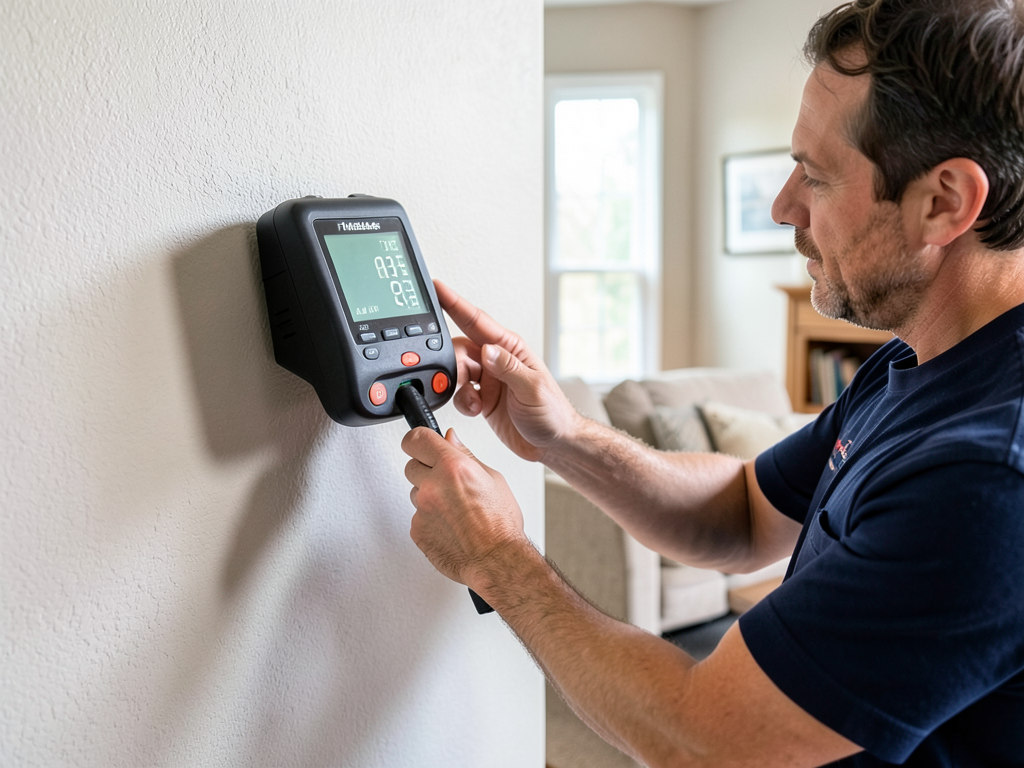
Our first step is moisture mapping with pin and non-invasive meters. We test your hardwood, subfloor, and underlayment to measure moisture content as a percentage. Hardwood should sit between 6 and 9 percent moisture content in Raleigh. If we find readings above 12 percent, we know you have active moisture intrusion. We also use thermal imaging cameras to trace hidden leaks in walls, under slabs, or in your crawl space. We find the source before we start drying.

Once we identify the leak or humidity issue, we stop it. That might mean repairing a supply line, sealing a crawl space vent, or fixing a failed vapor barrier. Then we deploy commercial-grade dehumidifiers and air movers to bring your wood back to equilibrium. We do not blast heat or overdry. We monitor moisture levels daily and adjust airflow to avoid cracking or further warping.

For severe buckling, we may need to remove sections of flooring to access saturated subfloor or joists. We dry the framing, treat for mold if present, and reinstall or replace boards as needed. If your hardwood is solid and the cupping is mild, controlled drying often allows the boards to flatten naturally over two to four weeks.

We document everything for your insurance claim. We photograph the damage, log moisture readings, and provide a detailed scope of work that explains why drying is necessary and how we prevented further loss.

What Happens When We Restore Your Buckled Hardwood

Cupping or Buckling Wood Floors in Raleigh – Expert Diagnosis and Moisture Remediation to Save Your Hardwoods
01

Moisture Source Detection

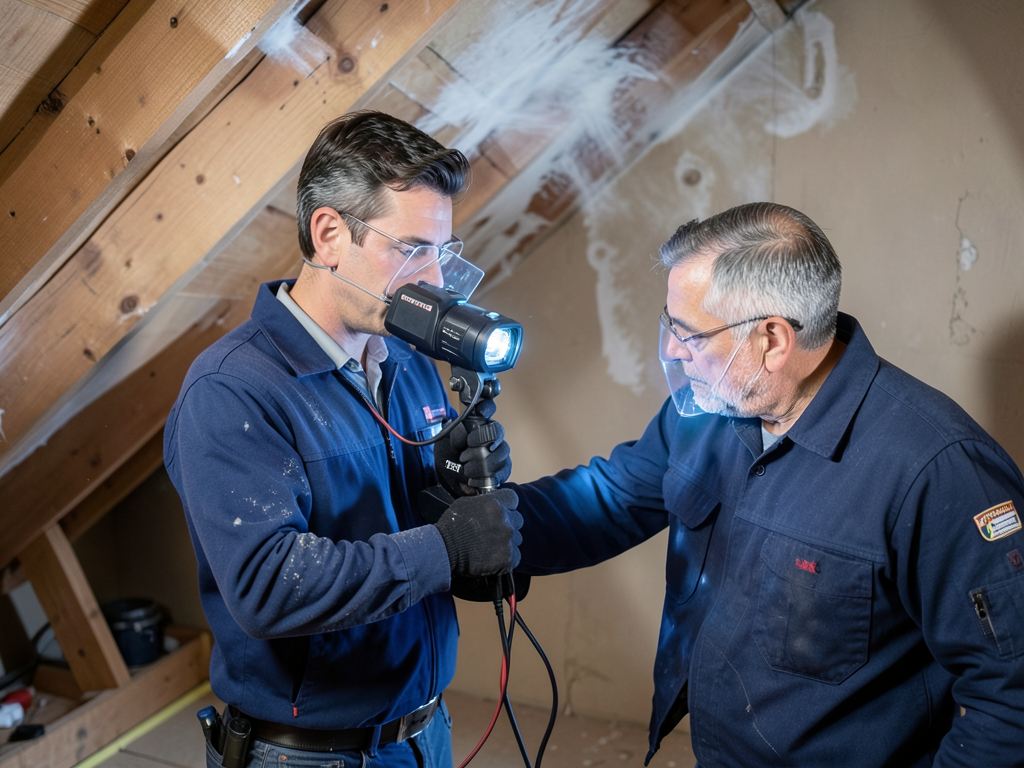
We arrive with thermal imaging cameras and moisture meters to scan your floors, walls, and subfloor. We trace the moisture back to its origin, whether that is a hidden plumbing leak, crawl space condensation, or a failed HVAC drip pan. We map every affected area and measure moisture content in both the hardwood and the subflooring to establish a drying baseline.
02

Controlled Structural Drying

We deploy industrial dehumidifiers and low-grain refrigerant units to pull moisture from the air and wood fibers. Air movers create controlled airflow across the surface without oversaturating the environment. We monitor daily and adjust equipment placement to ensure even drying. This process takes one to three weeks depending on the severity of saturation and the species of wood.
03

Stabilization and Inspection

Once moisture content drops to 6 to 9 percent, we remove equipment and let your floor acclimate for 48 hours. We reinspect for residual cupping or gaps. If boards have flattened, you may only need refinishing. If buckling was severe, we discuss board replacement or repair. You get a final moisture report and documentation for your insurance carrier.

Why Raleigh Homeowners Trust Us with Hardwood Floor Restoration

You need someone who understands how Raleigh's climate interacts with your home. Most contractors will tell you to replace the floor. We save it when possible, because we know how to dry wood correctly.

We work in older homes in Oakwood and Cameron Park where solid oak and heart pine floors are irreplaceable. We also handle modern engineered flooring in North Hills and Brier Creek, where the core layers react differently to moisture. Each installation requires a different drying strategy. We adjust our approach based on wood species, subfloor type, and installation method.

We also understand local building codes and how moisture control requirements have changed over the years. Homes built before 1980 often lack vapor barriers in crawl spaces. Homes built after 2000 may have oriented strand board subfloors that swell differently than plywood. We account for these variables when we create your drying plan.

You also get direct communication with your insurance adjuster. We provide the documentation they need to approve your claim. We explain why drying is less expensive than replacement, and we show them the moisture data that proves your floor can be saved. Most adjusters in Wake County know us, and they trust our assessments.

We do not subcontract the work. Our team handles the entire process from moisture detection to final inspection. You get the same technicians throughout the job, and you get a single point of contact who answers your questions without delay. We also coordinate with your flooring contractor if refinishing or board replacement is needed after drying. We make the process seamless.

What You Can Expect During Hardwood Floor Drying

Response Time and Availability

We respond within two hours of your call. Moisture damage accelerates quickly, and every day of delay increases the risk of permanent warping or mold growth. We arrive with diagnostic equipment and begin moisture mapping immediately. If your floor is actively buckling or if you have standing water, we start extraction and drying the same day. We operate 24/7, including weekends and holidays, so you never wait for business hours to get help.

Initial Assessment and Moisture Mapping

We measure moisture content in your hardwood, subfloor, and joists using calibrated pin and non-invasive meters. We also use thermal imaging to trace hidden leaks behind walls or under slabs. You get a written assessment that explains what caused the damage, how severe the saturation is, and what drying strategy we recommend. We walk you through the findings before we start work, and we answer every question you have about the process and timeline.

Final Condition of Your Floor

If we catch the damage early, your floor will flatten as it dries and may only need light sanding and refinishing. If the buckling was severe, some boards may remain slightly cupped or cracked and will need replacement. We give you a final moisture report that shows your floor is dry and stable. You can then decide if you want to refinish, replace sections, or leave it as is. The goal is to prevent further damage and give you options.

Ongoing Monitoring and Prevention

After drying, we recommend installing a crawl space dehumidifier or upgrading your vapor barrier to prevent future moisture intrusion. We also suggest monitoring indoor humidity with a hygrometer and keeping levels between 30 and 50 percent year-round. If you need follow-up moisture checks after seasonal humidity swings, we offer that service at no charge for the first six months. We want to make sure your floor stays stable.

Frequently Asked Questions

You Have Questions,
We Have Answers

What is the difference between cupping and buckling floors? +

Cupping happens when the edges of wood planks rise higher than the center, creating a concave shape. This occurs when moisture infiltrates the bottom of the boards faster than the top, causing uneven swelling. Buckling is more severe. The entire plank lifts and separates from the subfloor, often creating visible gaps or dramatic peaks. Buckling typically results from prolonged water exposure or installation over wet subfloors. In Raleigh's humid climate, both issues stem from moisture imbalance, but buckling indicates structural failure requiring immediate professional intervention, while cupping may be reversible if caught early.

Will cupped hardwood floors flatten out? +

Sometimes, but not always. If you catch cupping early and remove the moisture source, floors may flatten as they dry. This process takes weeks or months and requires controlled drying to prevent cracking. Success depends on how long moisture was present and wood species. In Raleigh's fluctuating humidity, you need professional moisture monitoring to ensure proper drying. Forcing the process with dehumidifiers too quickly causes new problems. If cupping persists after drying or the wood has crowned (center higher than edges), sanding may be needed. Never sand wet or damp floors.

What does a buckled hardwood floor look like? +

A buckled floor shows dramatic vertical displacement. You will see planks that have lifted completely from the subfloor, creating peaks or tent-like shapes across the surface. Gaps appear between boards and the underlayment. The floor may feel spongy or unstable when you walk on it. In severe cases, entire sections warp upward, making furniture placement impossible. Buckling differs from minor cupping because the damage is structural, not just cosmetic. Raleigh homeowners often see buckling after slab leaks, flooding, or HVAC failures that introduce excessive moisture beneath the flooring system.

Can wood floor cupping be fixed? +

Yes, but success depends on severity and timing. Minor cupping caused by seasonal humidity changes may reverse naturally once moisture levels stabilize. For significant cupping in Raleigh homes, professionals first identify and eliminate the moisture source, whether it is a plumbing leak, foundation issue, or high crawl space humidity. The floor must dry completely under controlled conditions. Moisture meters confirm when wood returns to acceptable levels. If cupping remains after drying, refinishing and sanding can restore flatness. Attempting DIY fixes without addressing the underlying moisture problem guarantees the issue will return.

How Raleigh's High Humidity and Crawl Space Construction Cause Wood Floor Failure

Raleigh's average summer humidity sits between 70 and 80 percent, and most homes built before 2000 have vented crawl spaces that allow that humid air to circulate under your floor. When outdoor air enters your crawl space, it cools and condenses on your floor joists and subfloor. Over time, that condensation saturates the wood, migrates upward into your hardwood, and causes swollen wood planks and lifting floorboards. Newer homes with sealed crawl spaces avoid this issue, but older construction in neighborhoods like Mordecai and Five Points remains vulnerable. If you notice seasonal cupping that worsens in July and August, your crawl space is the likely culprit.

We have worked with hundreds of Raleigh homeowners who face this exact problem. We understand local construction methods and how homes in different parts of Wake County respond to moisture. We also work directly with local insurance adjusters who know our reputation and trust our assessments. That means faster claim approvals and less back-and-forth. When you choose a local restoration company like Silverline Water Damage Restoration Raleigh, you get someone who knows your home, your climate, and your insurance carrier. You do not get that with a national franchise.
Water Damage Restoration Services in The Raleigh Area

While based in Raleigh, Silverline proudly serves the surrounding areas, providing expert water damage restoration wherever you are. Our interactive map allows you to visualize our service radius and plan your visit, or simply understand our immediate response capabilities. We are dedicated to reaching you quickly, ensuring prompt and efficient service for your home or business, no matter your precise location within our service area, ready to assist.

Address:
Silverline Water Damage Restoration Raleigh, 306 E Hargett St, Raleigh, NC, 27601

Additional Services We Offer

Our news updates

Latest Articles & News from The Blogs

Replacing Water Damaged Subfloors Under Your New LVP in North Raleigh Water damage beneath luxury vinyl plank flooring in North…

Replacing Water Damaged Subfloors Under Your New LVP in North Raleigh

Replacing Water Damaged Subfloors Under Your New LVP in North Raleigh Water damage beneath luxury vinyl plank flooring in North…

Fast Flood Cleanup for Daycares and Schools in the Forestville Area

Fast Flood Cleanup for Daycares and Schools in the Forestville Area When water floods a daycare or school in Forestville…

Professional Water Damage Restoration for Medical Offices Near Rex Hospital

Professional Water Damage Restoration for Medical Offices Near Rex Hospital When water floods a medical office the stakes go far…

Contact Us

Call (984) 294-5900 now for emergency moisture detection and hardwood drying. We respond in two hours, diagnose the source, and start controlled drying the same day. Your floor can be saved if we act fast.