Menu

Toilet Overflow Cleanup in Raleigh – 30-Minute Emergency Response to Stop Contamination

When sewage backs up, every minute spreads bacteria and soaks deeper into your floors. Our certified crews arrive fast with hospital-grade disinfection and industrial water extraction built for Raleigh's older plumbing systems and humid conditions.

Slider Image 1
Slider Image 2
Slider Image 3
Slider Image 4
Slider Image 5
Slider Image 7
Slider Image 8
Slider Image 9
Slider Image 10
Slider Image 11

Why Toilet Overflows Escalate So Fast in Raleigh Homes

You flush. The water rises. It does not stop. Within seconds, contaminated water spills onto tile, seeps under baseboards, and saturates subflooring. In Raleigh, the problem compounds fast. Most homes in neighborhoods like Oakwood, Mordecai, and Five Points were built between the 1920s and 1970s, long before modern drainage standards. Cast iron waste lines corrode from the inside. Tree roots from mature oaks and sweetgums invade aging clay sewer laterals. High summer humidity means wet building materials do not dry on their own. They rot.

Toilet overflow cleanup is not about mopping. Sewage carries E. coli, salmonella, and pathogens that require Category 3 water remediation protocols. If the water sat for more than an hour, bacteria colonies multiply. If it soaked into drywall or carpet padding, those materials must be cut out and disposed of as biohazard waste. If you smell it, the contamination has already spread through porous surfaces. The clock starts the moment water hits the floor.

Emergency toilet water extraction requires negative air pressure to prevent airborne particles, antimicrobial treatments rated for fecal contamination, and thermal imaging to track hidden moisture migration behind walls. You need a team that understands Raleigh's construction patterns and moves fast enough to prevent structural damage and illness.

Why Toilet Overflows Escalate So Fast in Raleigh Homes
How Professional Toilet Flood Restoration Actually Works

How Professional Toilet Flood Restoration Actually Works

Toilet sewage removal starts with containment. We isolate the affected area using polyethylene barriers and set up HEPA-filtered air scrubbers to capture airborne pathogens before they spread through your HVAC system. This is not optional. Category 3 water contains human waste, and cross-contamination can render an entire home unsafe.

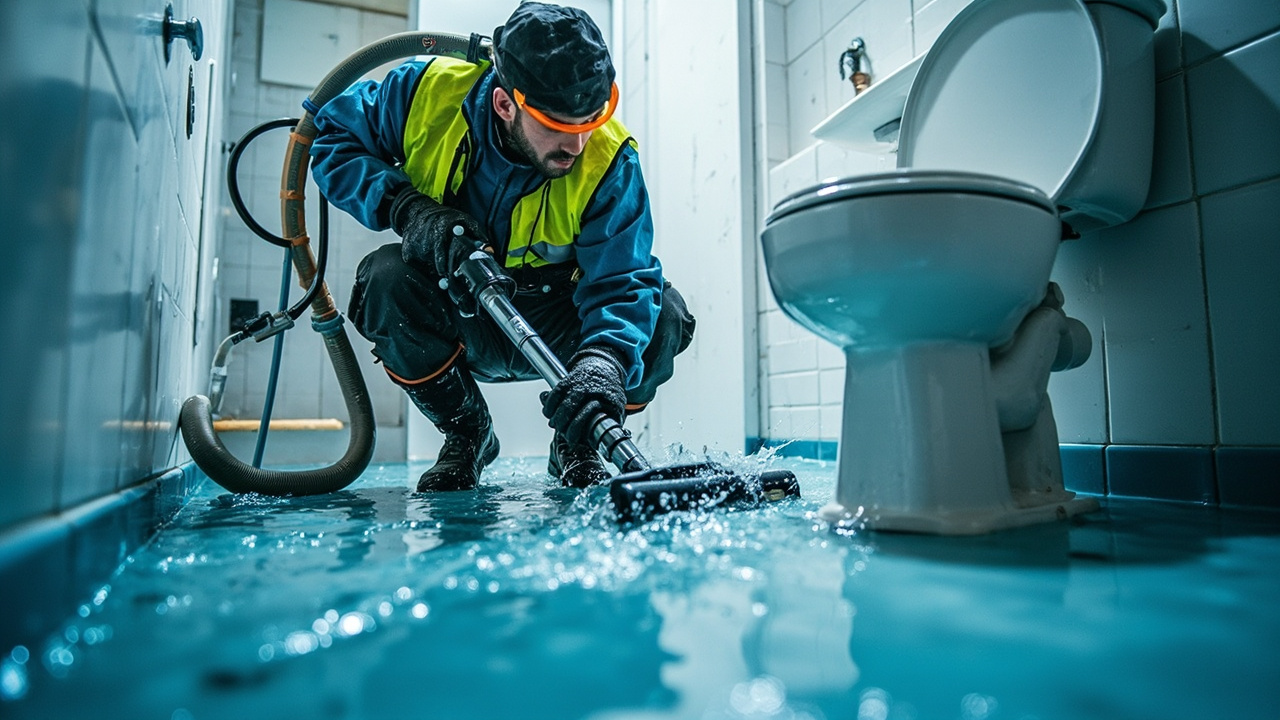
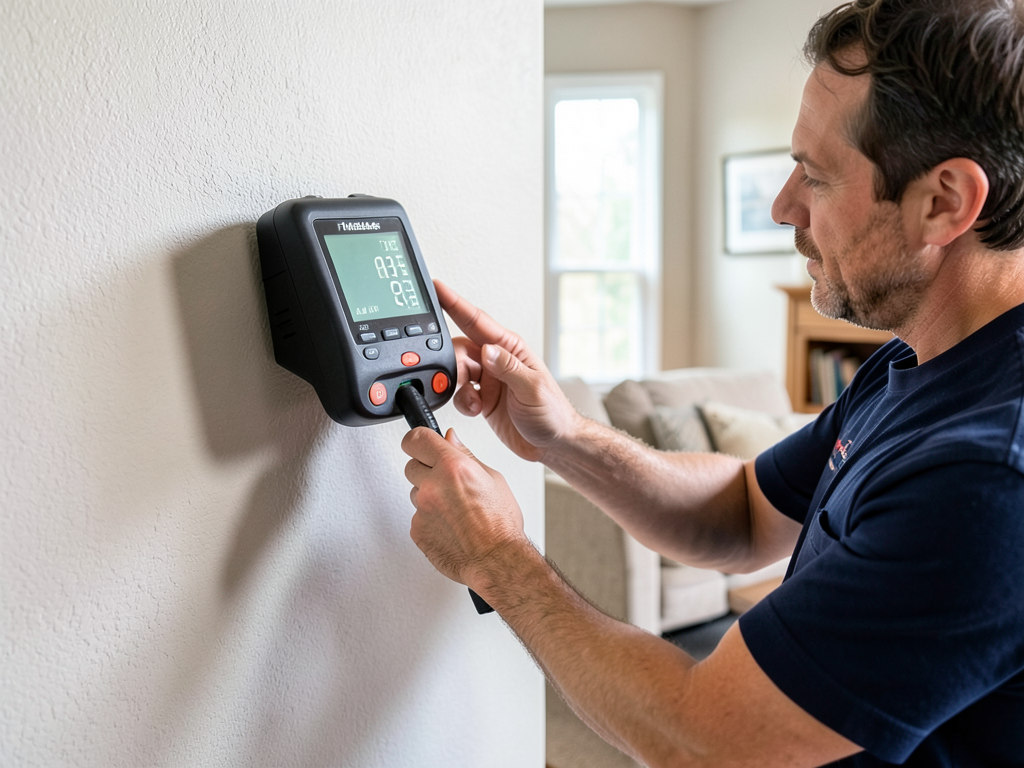
Next comes extraction. We use truck-mounted extraction units that pull thousands of gallons per hour, paired with weighted wands that press deep into carpet and padding. Standing water removal is the easy part. The real work is subsurface moisture. We pull baseboards, drill weep holes in drywall if needed, and use moisture meters to map saturation levels in framing lumber and subfloors. Raleigh's older homes often have tongue-and-groove hardwood over pine subfloors. If sewage reached the subfloor, we cannot save it. That layer must be torn out to prevent permanent odor and microbial growth.

After extraction, we apply EPA-registered disinfectants formulated for fecal matter, not all-purpose cleaners. We fog affected areas, treat all hard surfaces, and inject antimicrobial agents into wall cavities if contamination traveled through baseboards. Then we bring in commercial dehumidifiers and high-velocity air movers to force-dry structural components to below 15 percent moisture content. This takes three to five days, depending on humidity and material density.

Overflowing toilet cleanup is a biohazard event. The process follows IICRC S500 standards for water damage and S520 standards for mold remediation, because sewage creates the perfect environment for fungal amplification within 48 hours.

What Happens When You Call for Toilet Overflow Remediation

Toilet Overflow Cleanup in Raleigh – 30-Minute Emergency Response to Stop Contamination
01

Immediate Dispatch and Containment

We dispatch a crew within 30 minutes of your call. The team arrives with extraction equipment, containment barriers, and personal protective equipment rated for sewage exposure. First priority is stopping additional water flow, isolating the affected area, and removing all standing contaminated water using truck-mounted vacuums. We document moisture levels and photograph damage for insurance claims before any demolition begins.
02

Disinfection and Demolition

We remove and bag all porous materials that absorbed sewage, including carpet, padding, drywall, and insulation. Non-porous surfaces like tile and porcelain get scrubbed with hospital-grade disinfectants, then treated with antimicrobial fog to kill bacteria in cracks and grout lines. We use thermal cameras to identify hidden moisture behind walls and under flooring, then treat those areas even if they look dry.
03

Structural Drying and Verification

Industrial dehumidifiers and air movers run continuously for three to five days to pull moisture from framing, subfloors, and wall cavities. We take daily moisture readings and adjust equipment placement based on drying progress. Once all structural components reach safe moisture levels, we conduct a final antimicrobial treatment and provide moisture verification reports for your insurance carrier and for safe reconstruction.

Why Raleigh Homeowners Trust Local Water Damage Specialists

Raleigh sits in Wake County, where residential building codes evolved significantly after Hurricane Fran in 1996. Homes built before that storm often lack backflow preventers and proper venting in waste lines. We know the construction timelines in neighborhoods like Boylan Heights, Cameron Park, and Hayes Barton. We know which streets still have clay sewer laterals that crack under root pressure. That local knowledge determines how we approach demolition and moisture mapping.

You do not want a crew that treats your 1940s bungalow like a 2015 tract home. Older Raleigh homes have plaster walls, not drywall. They have hardwood floors nailed directly to joists, not floating laminate. When sewage soaks those materials, the remediation protocol changes. Plaster holds moisture longer. Hardwood cupping is irreversible if not dried within 48 hours. We adjust our drying strategy based on what your home is actually made of, not a generic checklist.

We also work directly with Raleigh-area plumbers who understand the root intrusion patterns from our urban tree canopy and the corrosion rates in pre-1960 cast iron. Toilet overflow remediation is only half the job. If the underlying plumbing failure is not fixed, the problem repeats. We coordinate with licensed plumbers to scope your waste line, identify the blockage source, and make sure the repair is done right before we close walls.

Insurance companies in North Carolina require specific documentation for Category 3 water losses. We provide moisture logs, photo documentation, and detailed scope-of-work reports that meet adjuster requirements, so you do not get stuck fighting for coverage after the fact.

What to Expect During Emergency Toilet Water Extraction

Response Time and Availability

We run 24/7 emergency dispatch, including weekends and holidays. Most calls get a crew on-site within 30 minutes if you are inside the Raleigh city limits. Our trucks carry full extraction and containment equipment, so we start mitigation immediately, not after a second trip for supplies. You do not wait. We do not schedule you for tomorrow. Sewage contamination is a health emergency, and we treat it that way. If the overflow happened at 2:00 a.m., we are there by 2:30 a.m. with lights, equipment, and a plan.

Initial Assessment and Scope

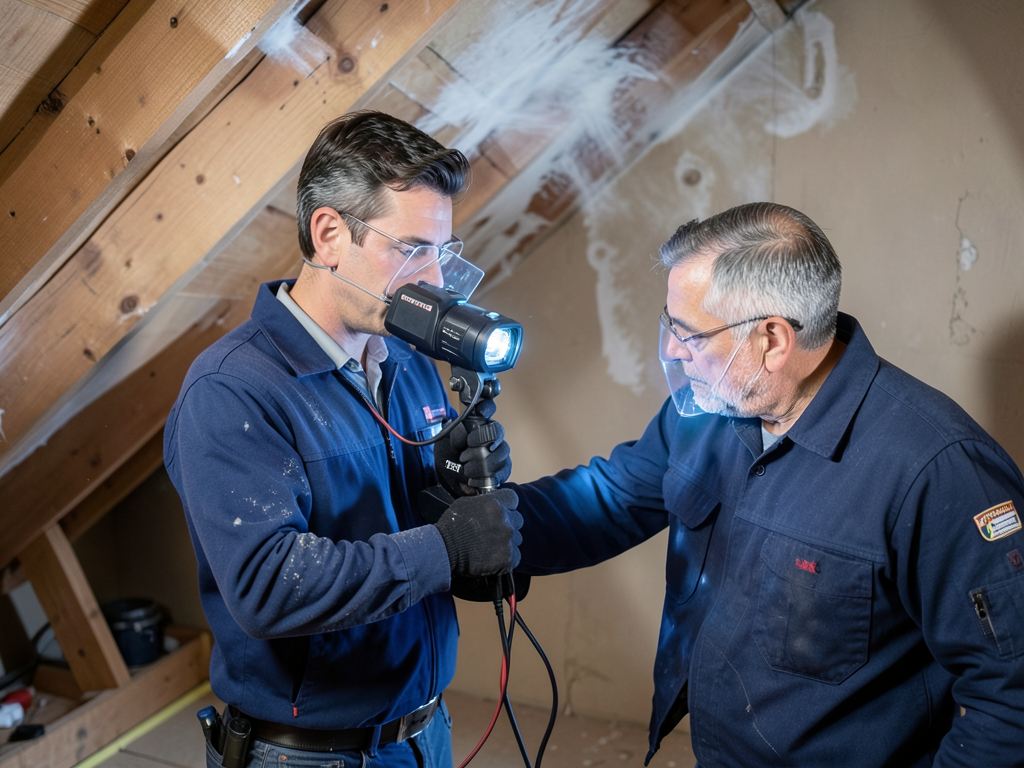
Before we remove anything, we walk the entire affected area with moisture meters and thermal imaging. We map wet zones, check adjacent rooms for wicking, and identify hidden moisture in wall cavities. You get a verbal explanation of what needs to be removed, what can be saved, and why. We take photos and document moisture readings for your insurance claim. If your policy requires a separate estimate, we provide that before demolition starts. No surprises, no upselling. We explain the science, show you the readings, and let you make informed decisions.

Final Drying and Clearance

Structural drying is not guesswork. We use calibrated moisture meters daily to track progress in studs, subfloors, and joists. When every material reads below 15 percent moisture content, we remove equipment and conduct a final walkthrough. You receive a moisture verification report with before-and-after readings, antimicrobial treatment logs, and equipment placement records. This documentation proves to your insurance company and future buyers that the job was done to industry standards. Your home is safe, dry, and ready for reconstruction.

Post-Remediation Support

After drying is complete, we stay available. If you need referrals for licensed plumbers to fix the underlying drain issue, we provide contacts. If your contractor has questions during reconstruction, we walk the site and review moisture reports. We keep all documentation for five years, so if you sell your home or need records for insurance renewability, we have them. Toilet flood restoration does not end when equipment leaves. We make sure you have what you need to rebuild correctly and avoid future contamination events.

Frequently Asked Questions

You Have Questions,
We Have Answers

Can you pour vinegar in a toilet overflow tube? +

Yes, you can pour white vinegar into the overflow tube to clean internal toilet parts and remove mineral deposits. In Raleigh, hard water buildup from our municipal supply often clogs jets and drains. Pour one cup of vinegar directly into the overflow tube, let it sit for 30 minutes, then flush. This loosens calcium and lime scale. However, if you already have a toilet overflow emergency with water on your floor, stop using the toilet immediately and call a water damage restoration company. Vinegar cleans components but does not fix overflows caused by clogs or broken seals.

Will toilet overflow cause mold? +

Yes, toilet overflow absolutely causes mold. Toilet water contains bacteria, waste, and organic matter that feeds mold spores. In Raleigh's humid climate, mold growth starts within 24 to 48 hours after a spill. Porous materials like drywall, subflooring, and baseboards absorb contaminated water quickly. Black mold and toxic species thrive in dark, damp bathroom spaces. You need professional extraction, antimicrobial treatment, and structural drying to prevent mold colonization. Do not wait. The longer water sits, the worse the mold problem becomes. Immediate cleanup protects your health and your home.

What are two things you should never flush down a toilet? +

Never flush wipes or feminine hygiene products. Even products labeled flushable do not break down in Raleigh's sewer system. Wipes bind with grease and create blockages that cause backups and overflows. Tampons, pads, and applicators absorb water, expand, and lodge in pipes. These items are the top causes of residential toilet overflows we see in Wake County. Only human waste and toilet paper belong in your toilet. Everything else goes in the trash. Preventing clogs stops overflow emergencies before they flood your bathroom and damage your floors.

What is the best cleaner for toilet rim jets? +

White vinegar or a commercial citric acid cleaner works best for toilet rim jets. Raleigh's moderately hard water leaves mineral deposits that clog the small jets under the toilet rim. Heat one cup of white vinegar, pour it into the overflow tube, and let it sit for one hour. Use a small wire or allen wrench to manually clear each jet hole. For stubborn buildup, apply a paste of baking soda and vinegar directly to the jets. Avoid bleach-based cleaners in the tank. They corrode rubber seals and cause leaks or overflows.

Can I leave vinegar in the toilet tank overnight? +

Yes, leaving white vinegar in the toilet tank overnight is safe and effective for removing mineral buildup. Pour two cups of vinegar into the tank, avoid flushing, and let it sit for eight to twelve hours. Vinegar dissolves calcium deposits on the fill valve, flapper, and flush valve without damaging rubber components. In the morning, scrub the tank walls with a brush and flush twice to rinse. This simple maintenance prevents clogs and overflow issues common in Raleigh homes with hard water. Do this every three to six months to keep your toilet running smoothly.

What do plumbers recommend for cleaning toilet tanks? +

Plumbers recommend white vinegar or a diluted bleach solution for toilet tank cleaning. Pour two cups of white vinegar into the tank and let it sit overnight to remove mineral deposits and bacteria. For disinfection, use one cup of bleach diluted in a full tank, let it sit for 15 minutes, then flush. Avoid drop-in tank tablets. They corrode flappers and gaskets, causing slow leaks that waste water and lead to overflows. In Raleigh, regular tank maintenance prevents hard water buildup and extends the life of toilet components. Clean your tank twice per year.

How do Japanese bathrooms not get mold? +

Japanese bathrooms resist mold through superior ventilation, quick-drying materials, and daily maintenance habits. They use exhaust fans that run continuously, waterproof wall panels instead of drywall, and sloped floors with central drains. After every shower, users squeegee walls and run the fan. In Raleigh's humid climate, you can apply these principles by upgrading bathroom ventilation, wiping down wet surfaces daily, and fixing leaks immediately. Mold grows when moisture lingers. Airflow and rapid drying prevent spores from colonizing. Good habits stop mold before it starts.

What kills black mold in a toilet? +

A mixture of bleach and water kills black mold in toilets. Mix one cup of bleach with one gallon of water, pour it into the bowl, scrub with a stiff brush, and let it sit for ten minutes before flushing. For tank mold, pour one cup of bleach into the tank, wait 15 minutes, scrub, and flush twice. Black mold in toilets signals a moisture problem or leak. In Raleigh homes, check for condensation on tanks, leaking flappers, or poor ventilation. Fix the moisture source, or mold returns within weeks.

Why is the black stuff in my toilet coming back? +

Black residue returns because you have a persistent moisture problem, bacterial growth, or mold colonization in your toilet tank or bowl. Common causes include a leaking flapper, condensation from Raleigh's humid summers, or mineral deposits that harbor bacteria. The black substance is usually mold, mildew, or manganese from water supply. Clean the tank and bowl with bleach, replace worn flappers and gaskets, and improve bathroom ventilation. If the problem continues, test your water quality and inspect for hidden leaks. Surface cleaning does not fix the root cause.

Should you flush the toilet after every pee? +

You do not need to flush after every pee in your own home, but you should flush regularly to prevent odor and bacteria buildup. The phrase if it's yellow let it mellow saves water but increases ammonia concentration and stains. In shared or guest bathrooms, always flush for hygiene and courtesy. Raleigh municipal water rates make the cost of flushing minimal compared to potential plumbing issues from urine crystallization in pipes. Modern low-flow toilets use less than 1.6 gallons per flush. Flush when needed. Skipping flushes does not justify the sanitation risks.

Why Raleigh's Aging Sewer Infrastructure Makes Fast Toilet Overflow Cleanup Critical

Raleigh's urban core sits on a sewer system where large sections date back to the 1940s and 1950s. Many residential laterals are still clay tile, installed in four-foot sections with compression joints that separate under root pressure. Neighborhoods near Crabtree Creek and Pigeon House Branch see seasonal water table shifts that exacerbate joint failure. When roots from mature hardwoods invade these lines, they create blockages that send sewage back up through the lowest fixture in your home, which is almost always the ground-floor toilet. If that overflow is not extracted and disinfected within hours, contamination spreads through flooring, drywall, and HVAC returns. Raleigh's 70 percent average summer humidity means wet organic material does not dry on its own. It rots and grows mold.

We are IICRC-certified in water damage restoration and applied microbial remediation, which means our training and protocols align with national standards for sewage cleanup. We work with Wake County environmental health inspectors, Raleigh building code officials, and insurance adjusters who know what proper Category 3 remediation looks like. Choosing a local team means you get someone who understands Raleigh construction eras, who has relationships with the plumbers and contractors you will need next, and who documents work in a way that protects your insurance claim. Toilet sewage removal is not a DIY project. It is a licensed, regulated process that requires specialized equipment and training.
Water Damage Restoration Services in The Raleigh Area

While based in Raleigh, Silverline proudly serves the surrounding areas, providing expert water damage restoration wherever you are. Our interactive map allows you to visualize our service radius and plan your visit, or simply understand our immediate response capabilities. We are dedicated to reaching you quickly, ensuring prompt and efficient service for your home or business, no matter your precise location within our service area, ready to assist.

Address:
Silverline Water Damage Restoration Raleigh, 306 E Hargett St, Raleigh, NC, 27601

Additional Services We Offer

Our news updates

Latest Articles & News from The Blogs

Replacing Water Damaged Subfloors Under Your New LVP in North Raleigh Water damage beneath luxury vinyl plank flooring in North…

Replacing Water Damaged Subfloors Under Your New LVP in North Raleigh

Replacing Water Damaged Subfloors Under Your New LVP in North Raleigh Water damage beneath luxury vinyl plank flooring in North…

Fast Flood Cleanup for Daycares and Schools in the Forestville Area

Fast Flood Cleanup for Daycares and Schools in the Forestville Area When water floods a daycare or school in Forestville…

Professional Water Damage Restoration for Medical Offices Near Rex Hospital

Professional Water Damage Restoration for Medical Offices Near Rex Hospital When water floods a medical office the stakes go far…

Contact Us

Do not wait for contamination to spread. Call (984) 294-5900 right now for immediate dispatch. Our crews are standing by 24/7 with full extraction and disinfection equipment. We handle the emergency, document everything for insurance, and make your home safe again.