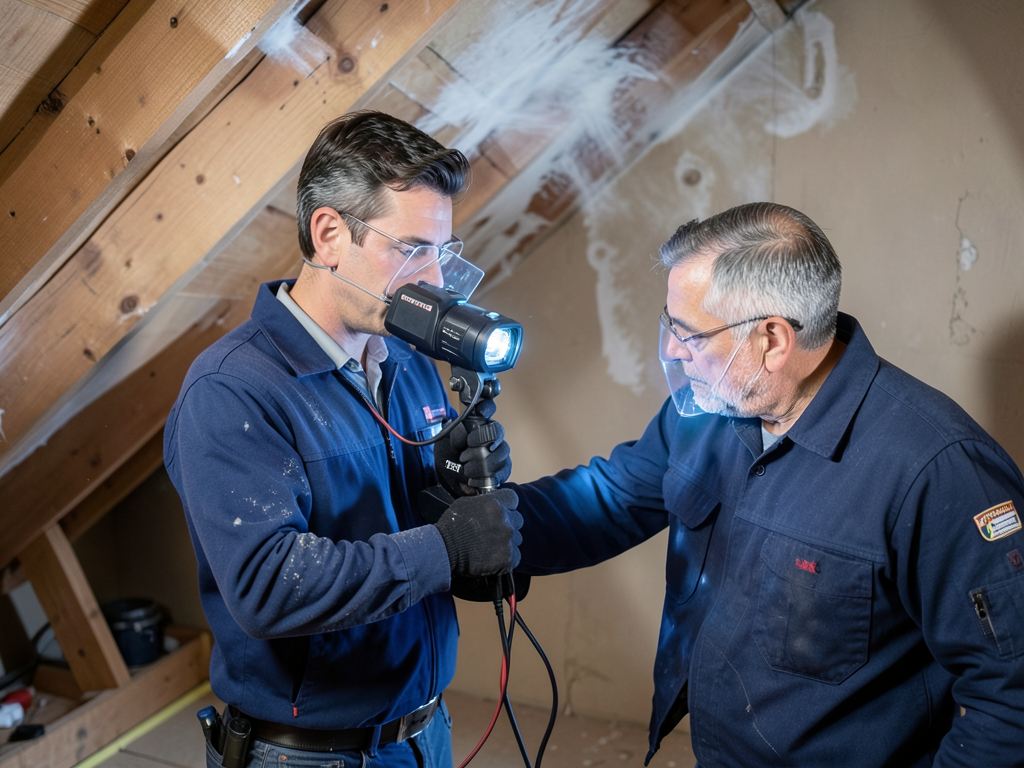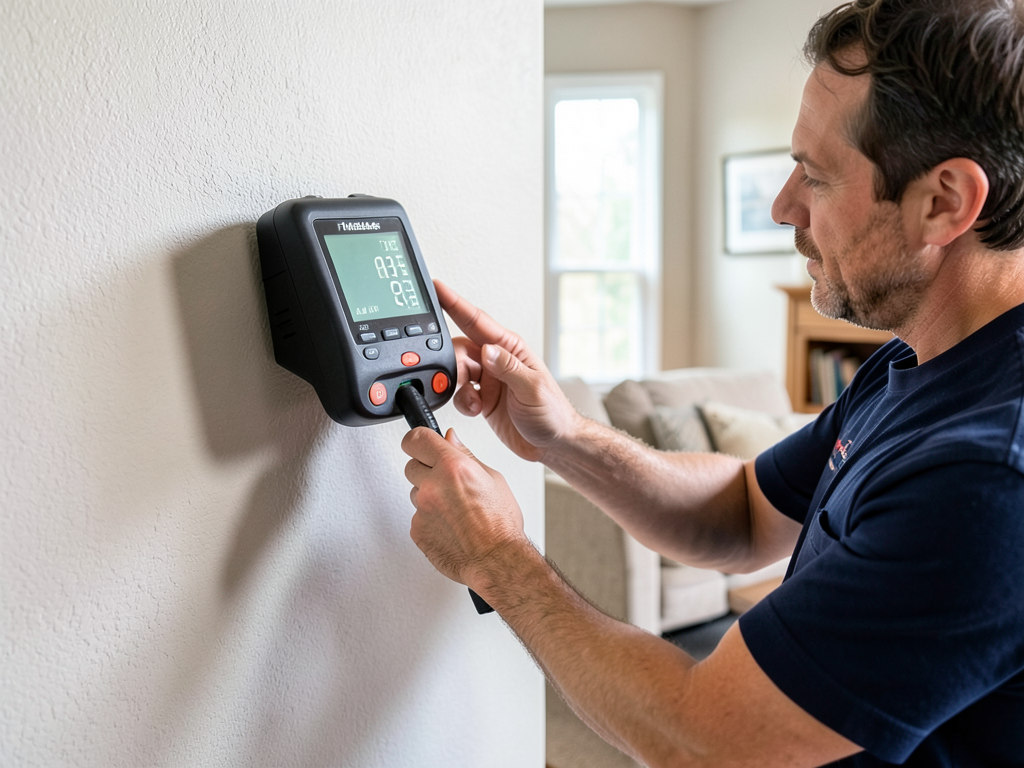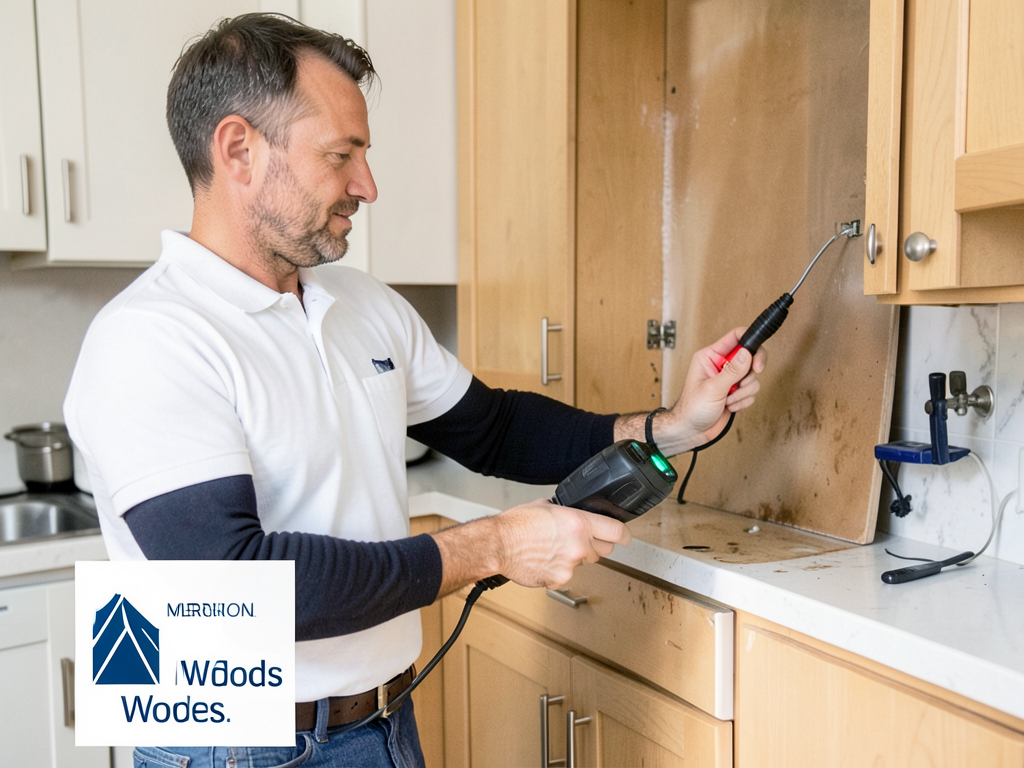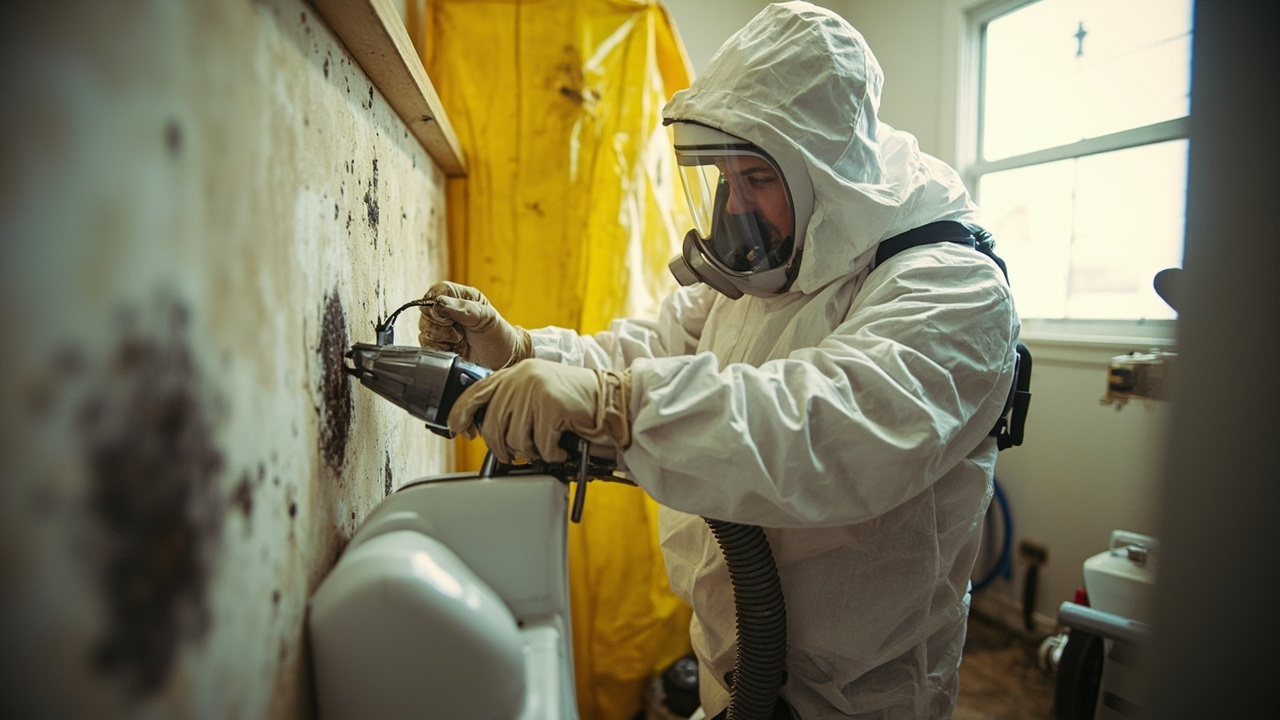


Raleigh averages 215 days per year with relative humidity above 60 percent. During summer months, outdoor humidity often exceeds 80 percent by morning. When that humid air enters vented crawl spaces, it contacts cooler surfaces like floor joists and ductwork, causing condensation. This moisture feeds mold colonies on wood framing and insulation. Attics face similar challenges. Poor ventilation and radiant heat from asphalt shingles create hot, humid conditions perfect for mold growth on roof sheathing and rafters. Professional mold abatement in these spaces requires controlled demolition, antimicrobial treatment, and often structural modifications like sealing vents or adding ridge ventilation.
Wake County building codes require licensed contractors for mold remediation projects exceeding 10 square feet. Silverline Water Damage Restoration Raleigh maintains IICRC certifications and follows North Carolina regulatory standards for containment, air filtration, and disposal. We work regularly with local insurance adjusters, home inspectors, and real estate agents who trust our documentation and clearance protocols. Choosing a contractor familiar with Raleigh construction methods, local code requirements, and regional moisture patterns ensures compliant, effective mold mitigation. Our reputation is built on repeat business and referrals from neighbors who know we deliver verified results, not temporary fixes.