


Fuquay-Varina sits in the heart of Wake County where clay-heavy soils create drainage challenges that send water straight toward home foundations during heavy rainfall. The town experiences intense summer thunderstorms that dump several inches in minutes, overwhelming gutters and creating flash flood conditions in low-lying neighborhoods near Bass Lake and the Cape Fear River watershed tributaries.
Older homes around downtown Fuquay and Varina's historic tobacco district often have crawl spaces built before modern vapor barrier standards, making them vulnerable to groundwater intrusion and humidity damage. Newer developments south of Highway 55 face different challenges where rapid construction sometimes means improperly graded lots that channel rainwater toward foundations instead of away.
Winter freeze-thaw cycles stress pipe systems throughout the area. When temperatures drop below freezing then spike back to the 50s within 24 hours, pipes expand and contract until weak points burst, sending hundreds of gallons into walls and ceilings. Water heater failures strike without warning in homes across Buckhorn Creek and Broad Street neighborhoods where aging infrastructure meets modern demand.
The combination of seasonal storms, clay soil drainage issues, and aging plumbing infrastructure creates constant water damage risk across Fuquay-Varina. Professional water removal services must respond immediately to prevent permanent structural damage and dangerous mold colonization in our humid climate.
Silverline Water Damage Restoration Raleigh built its reputation responding to water emergencies across Wake County communities where response time determines how much property owners save. We maintain equipment staging throughout the Raleigh metro area, putting extraction trucks, commercial dehumidifiers, and thermal imaging cameras within rapid reach of every Fuquay-Varina neighborhood.
Our technicians hold IICRC certifications in water damage remediation and applied structural drying, meaning they understand the science behind moisture migration through building materials common to North Carolina construction. They know how water travels through Fuquay-Varina's typical brick veneer homes, where it pools in crawl spaces, and how quickly mold spores activate in our climate conditions.
We deploy industrial-grade equipment that removes water faster and dries structures more thoroughly than basic shop vacuums and fans. Our truck-mounted extraction systems pull thousands of gallons from flooded basements and crawl spaces. Low-grain refrigerant dehumidifiers create ideal drying conditions even during humid summer months when ambient moisture fights against restoration efforts.
Insurance coordination separates professional water damage restoration from basic cleanup services. We document every stage with thermal imaging, moisture readings, and detailed photo evidence that insurance adjusters need to process claims quickly. Our team communicates directly with carriers to explain scope, justify equipment placement, and defend proper protocols that protect your claim value.
Fuquay-Varina homeowners face enough stress during water emergencies without fighting their restoration company or insurance carrier. Silverline handles the technical restoration work and claim documentation so you can focus on getting your family back to normal.

Our dispatch system activates crews throughout Wake County within minutes of your call. Technicians arrive at Fuquay-Varina properties within one hour carrying extraction equipment and moisture detection tools to begin emergency mitigation immediately. Water damage spreads exponentially during the first few hours, destroying flooring, drywall, and contents that quick response saves.

Thermal imaging cameras and penetrating moisture meters reveal hidden water behind walls, under flooring, and in ceiling cavities where visual inspection misses trapped moisture. We map every affected area to ensure complete drying that prevents mold growth weeks after the emergency seems resolved. Surface drying leaves hidden moisture that destroys structures from the inside.
Every Silverline technician completes Institute of Inspection, Cleaning and Restoration Certification training in water damage restoration and applied structural drying. These credentials prove mastery of psychrometrics, proper equipment placement, and documentation protocols that insurance carriers and building science professionals recognize. Certification ensures your restoration follows industry standards that protect your property and claim.
We understand how water behaves in Fuquay-Varina's clay soils, how quickly mold activates in Wake County humidity levels, and which local contractors handle repairs after water damage restoration completes. Our experience serving the greater Raleigh metro area means we navigate local building codes, know reputable reconstruction partners, and understand regional construction methods that affect drying strategies.
Silverline Water Damage Restoration Raleigh provides comprehensive water damage mitigation, structural drying, and restoration services for residential and commercial properties across Fuquay-Varina. Our service range covers everything from emergency water extraction and content pack-outs to reconstruction coordination and mold remediation.
We handle water damage from all sources including storm flooding, plumbing failures, appliance malfunctions, roof leaks, and sewage backups. Each water category requires different safety protocols and equipment. Clean water from supply line breaks demands different treatment than contaminated water from washing machine overflows or hazardous sewage backups that require specialized disposal and antimicrobial treatment.
Our equipment inventory includes truck-mounted extraction units, commercial dehumidifiers, air movers, thermal imaging cameras, moisture meters, negative air machines, and specialty drying equipment for hardwood floors and structural cavities. We scale equipment deployment to match damage severity, deploying dozens of dehumidifiers and air movers for whole-house flooding or targeted drying systems for isolated leak damage.
The water damage cleanup process extends beyond removing standing water. Proper structural drying requires monitoring moisture levels daily, adjusting equipment placement as conditions change, and verifying complete dryness before reconstruction begins. We provide detailed moisture mapping and daily documentation that proves proper drying to insurance carriers and protects property owners from future moisture-related failures.
Our emergency response teams deploy immediately to extract standing water from flooded basements, crawl spaces, and living areas using truck-mounted vacuum systems and portable extractors. We remove furniture and contents from affected areas, pull saturated carpeting and pad, and begin structural drying within the first hour. Emergency mitigation stops damage progression and reduces total restoration costs by preventing secondary damage to materials that rapid response saves from water exposure.
We deploy commercial dehumidifiers and air movement systems that create ideal drying conditions in affected structures. Technicians monitor moisture levels daily using thermal imaging and penetrating moisture meters, tracking drying progress in walls, subfloors, and structural cavities. Our process follows IICRC S500 standards for water damage remediation, ensuring complete dryness before reconstruction begins. Proper structural drying prevents mold growth, wood rot, and long-term moisture damage that incomplete drying causes in Fuquay-Varina's humid climate.
Sewage backups and toilet overflows require specialized handling with personal protective equipment, antimicrobial treatments, and proper disposal protocols. Our technicians extract contaminated water, remove porous materials that cannot be safely cleaned, and treat affected surfaces with EPA-registered disinfectants that eliminate pathogens. Category 3 water damage poses serious health risks that professional remediation eliminates. We follow IICRC S500 guidelines for grossly contaminated water, protecting occupants from bacterial and viral exposure.
Fuquay-Varina properties face water damage from multiple sources that vary with seasons and building age. Summer thunderstorms overwhelm drainage systems and drive rainwater through foundation cracks and basement windows. Winter freeze events burst pipes in exterior walls and unheated crawl spaces. Spring humidity creates condensation problems in poorly ventilated attics and crawl spaces.
Older homes near downtown Fuquay experience plumbing failures as galvanized pipes corrode from the inside after decades of service. Water heaters in homes throughout Buckhorn and Sunset Lake neighborhoods reach the end of their 10-year lifespan and fail catastrophically, dumping 40 to 50 gallons into surrounding spaces. Washing machine supply lines crack and spray water for hours before homeowners discover the flooding.
New construction south of Highway 55 sometimes suffers from installation defects where improperly sealed window flashings allow water intrusion during wind-driven rain events. HVAC condensate lines clog and overflow into ceilings, creating hidden water damage that appears as stains weeks after the leak began. These scenarios require different water damage restoration approaches based on water category, affected materials, and contamination level.
Property owners who understand common water damage causes in Fuquay-Varina can take preventive action, but when water strikes, professional restoration services minimize damage and recovery time.
Heavy rainfall overwhelms gutters and saturates clay soil that channels water toward foundations. Basement window wells fill during storms, sending water through window seals into finished lower levels. French drains clog with sediment and fail to divert groundwater away from crawl spaces. Storm-related flooding requires immediate extraction to prevent foundation damage and mold growth in porous building materials.
Freeze-thaw cycles rupture copper pipes in exterior walls and crawl spaces, releasing hundreds of gallons before shutoff valves stop the flow. Supply line failures under sinks and behind toilets spray water for hours when homeowners are away. These plumbing disasters flood multiple rooms and saturate drywall, insulation, and subfloors requiring extensive structural drying and repair before reconstruction begins.
Water heater tank failures dump entire contents onto garage and basement floors, flooding adjacent living spaces through doorways and floor drains. Washing machine supply hoses burst during fill cycles, spraying pressurized water until someone notices. Dishwasher door seals fail and leak slowly onto hardwood floors, causing cupping and buckling that requires flooring replacement. These appliance failures create water damage that spreads quickly through floor assemblies.
Roof leaks around chimney flashings and valley intersections allow water into attic spaces where it saturates insulation and drips into ceiling cavities. HVAC condensate pan overflows send water into ductwork and ceiling assemblies, creating hidden damage that appears as stains weeks later. These slow leaks cause extensive concealed damage before visible signs alert property owners to problems requiring professional moisture detection and remediation.
Water emergencies create chaos and panic. Property owners need restoration companies that take control immediately and communicate clearly throughout the process. Silverline Water Damage Restoration Raleigh follows proven protocols that minimize damage, protect your property, and document every step for insurance purposes.
From your first call, you will speak with trained dispatchers who understand water damage emergencies and gather critical information about your situation. They activate field crews immediately and provide arrival time estimates so you know exactly when help arrives. Our technicians call en route to confirm access and address any immediate safety concerns before arrival.
On-site assessment happens quickly but thoroughly. Technicians identify water sources, classify contamination levels, and map all affected areas using moisture detection equipment. They explain findings in plain language, outline the mitigation process, and answer questions before beginning emergency work. You will understand what is happening, why each step matters, and how long restoration typically takes.
Throughout the drying process, our team monitors moisture levels daily and adjusts equipment as needed. You receive regular updates on drying progress and timeline adjustments based on actual conditions. We communicate with your insurance carrier, provide required documentation, and coordinate with contractors handling repairs after structural drying completes. You stay informed without managing technical details or fighting with insurance adjusters over proper procedures.
Our crews arrive at Fuquay-Varina properties within 60 minutes carrying extraction equipment, moisture meters, and thermal imaging cameras. They immediately stop active water sources if possible, extract standing water, and begin emergency drying to prevent additional damage. This rapid stabilization protects salvageable materials and reduces total restoration costs. You receive an initial assessment explaining damage extent, contamination classification, and recommended mitigation procedures before work expands beyond emergency extraction.
Technicians check moisture levels daily using calibrated meters and thermal imaging, documenting drying progress with photos and written logs. You receive updates on conditions, equipment adjustments, and timeline expectations based on actual readings rather than guesses. We explain when materials reach acceptable moisture levels and are ready for reconstruction. This transparency helps you plan repairs and understand why proper drying cannot be rushed despite wanting your home back to normal.
We photograph affected areas before, during, and after restoration. Moisture readings at each inspection create a documented drying log that proves proper protocols. Detailed scope documents explain all services provided, materials removed, and equipment deployed. This documentation package gives insurance adjusters everything needed to evaluate your claim without disputes over proper procedures. We communicate directly with carriers, answer technical questions, and defend our scope when adjusters question necessity of specific services or equipment.
Effective water damage restoration follows scientific principles and industry standards, not guesswork. Our three-phase approach stops damage progression, removes moisture completely, and prepares structures for safe reconstruction.
Technicians arrive rapidly to extract standing water, move contents from affected areas, and begin emergency drying. We identify water sources, classify contamination levels, and document initial conditions with thermal imaging and moisture readings. Truck-mounted extraction units remove thousands of gallons from flooded spaces. We pull saturated carpeting, remove wet insulation, and place initial dehumidifiers and air movers to begin structural drying. This immediate action stops additional damage and protects materials that quick response saves.
Commercial dehumidifiers and strategic air movement create ideal drying conditions in affected structures. We monitor moisture levels daily, adjusting equipment placement as readings change. Thermal imaging reveals hidden moisture in wall cavities and subfloors that visual inspection misses. Drying continues until moisture meters confirm all materials reach acceptable levels for North Carolina climate conditions. This phase typically requires three to seven days depending on materials affected, humidity levels, and damage severity throughout the structure.
Final moisture readings verify complete structural dryness before equipment removal. We document final conditions with photos and written reports that confirm restoration meets IICRC standards. This documentation protects you from contractor disputes and proves proper drying if moisture issues arise later. We coordinate with reconstruction contractors, explaining affected areas and any materials requiring replacement. You receive complete records for insurance claim closure and future reference about areas affected by water damage.
Professional water damage restoration requires understanding psychrometrics, moisture dynamics, and building science principles that separate effective remediation from inadequate cleanup attempts. Water behaves predictably in building materials based on temperature, humidity, air movement, and material porosity. Successful restoration manipulates these variables to accelerate drying while preventing secondary damage like mold colonization and structural deterioration.
The Institute of Inspection, Cleaning and Restoration Certification publishes the ANSI/IICRC S500 Standard for Professional Water Damage Restoration, which defines proper assessment procedures, equipment selection, and drying verification protocols. This standard categorizes water damage by contamination level and structural damage class, dictating appropriate response procedures for each scenario. Category 1 clean water from supply lines requires different handling than Category 3 grossly contaminated sewage that demands protective equipment and antimicrobial treatment.
Fuquay-Varina's humid subtropical climate complicates structural drying during summer months when ambient humidity exceeds 70 percent. Standard ventilation-based drying fails when outside air contains more moisture than affected structures. Professional restoration uses closed-drying systems with refrigerant dehumidifiers that remove moisture regardless of outdoor conditions. These systems create vapor pressure gradients that pull moisture from deep within building materials into the air where dehumidifiers capture it.
Moisture meters and thermal imaging cameras provide objective data about hidden water that visual inspection misses completely. Penetrating moisture meters measure moisture content deep in wood framing and concrete, revealing trapped water that surface readings cannot detect. Infrared cameras display temperature differentials that identify wet areas behind finished surfaces where evaporative cooling creates distinct thermal signatures invisible to the naked eye.
North Carolina building codes require proper water damage restoration before reconstruction to prevent mold growth and structural deterioration. Contractors who rebuild over inadequately dried structures violate code and create liability. Complete moisture documentation protects property owners, contractors, and insurance carriers from future disputes about proper procedures and hidden damage that incomplete drying causes years after restoration appears complete.
Professional water damage restoration follows ANSI/IICRC S500 protocols that define proper assessment, equipment selection, and drying verification procedures. These standards protect property owners by ensuring restoration companies use proven methods rather than improvised approaches. Insurance carriers recognize IICRC certification as proof of proper training and expect documentation showing compliance with industry standards throughout the restoration process.
Water damage restoration costs depend on water category, affected square footage, materials impacted, and drying difficulty. Category 3 sewage requires specialized disposal and antimicrobial treatment that increases costs over clean water extraction. Hardwood floors demand specialty drying equipment and careful monitoring that standard approaches cannot provide. Multi-story water damage requires equipment on multiple levels, increasing daily monitoring time and equipment deployment costs compared to single-room incidents.
Structural drying typically requires three to seven days depending on materials affected, damage extent, and ambient humidity levels. Hardwood floors and plaster walls dry slower than drywall and carpet. Summer humidity extends drying time compared to winter conditions with lower ambient moisture. Proper drying cannot be rushed without risking incomplete moisture removal that causes mold growth and structural damage after restoration appears complete.
Most homeowner policies cover sudden water damage from plumbing failures, appliance malfunctions, and storm-related incidents but exclude flood damage requiring separate flood insurance. Policies typically cover emergency mitigation, structural drying, and contents restoration but may limit coverage for preventable damage from deferred maintenance. Insurance carriers expect proper documentation proving restoration followed industry standards to approve full claim payment without disputes or coverage denials.
This video explains professional water damage restoration procedures for Fuquay-Varina properties, including emergency water extraction, structural drying protocols, moisture detection technology, and insurance documentation requirements. Viewers learn how water damage restoration companies respond to flooding, pipe bursts, and appliance failures in Wake County homes. The video covers IICRC restoration standards, equipment used for water removal and structural drying, and expected timelines for complete moisture remediation in humid North Carolina climate conditions.
Silverline Water Damage Restoration Raleigh provides emergency response throughout Fuquay-Varina and neighboring Wake County communities where water damage requires immediate professional attention. Our service area spans from historic downtown Fuquay and Varina near the Seaboard Railroad tracks to new developments south of Highway 55 where rapid growth brings modern construction challenges. We respond to calls from established neighborhoods around Bass Lake and Sunset Lake where mature trees and aging infrastructure create unique water damage risks.
Properties near Buckhorn Creek and surrounding low-lying areas face increased flood risk during heavy rainfall when clay soils saturate and drainage systems overflow. These neighborhoods require specialized flood restoration services that address contamination from storm runoff and standing water that sits for hours before draining. Our teams understand how water behaves in these topographies and deploy equipment that handles high-volume extraction and structural drying in challenging conditions.
Downtown Fuquay properties in the tobacco warehouse district and along Broad Street include historic structures built with solid masonry walls and pier-and-beam foundations that demand different drying approaches than modern construction. Water trapped in thick brick walls migrates slowly, requiring longer drying times and specialized monitoring. Crawl spaces in these older homes need careful attention to prevent moisture-related wood rot and pest damage that develops when restoration overlooks hidden water in floor systems.
Newer subdivisions south of Highway 55 and around the Wake Tech campus feature modern construction with OSB sheathing and engineered lumber that absorbs water rapidly and suffers permanent damage if drying begins too late or proceeds incorrectly. These homes require immediate response and aggressive drying equipment to save structural materials that rapid water damage destroys. We maintain staging areas throughout the Raleigh metro region, putting professional water damage restoration within quick reach of every Fuquay-Varina neighborhood regardless of location or property type.
Our service coverage extends to Holly Springs, Angier, and southern Wake County communities where residents need the same rapid response and professional expertise that Fuquay-Varina properties receive. Whether your home sits near the Johnston County line or in established neighborhoods around downtown, Silverline crews arrive quickly with equipment and knowledge that protects your property from water damage progression and secondary deterioration.
Water damage restoration in Fuquay-Varina involves removing water, drying affected areas, and repairing damage to your property. The process typically includes assessment, water extraction, dehumidification, cleaning, and restoration. Fuquay-Varina's humid climate and occasional storms make quick response essential. Most restoration projects take three to seven days depending on damage severity. Professional teams use moisture meters, infrared cameras, and industrial equipment to detect hidden water and prevent mold growth. Your homeowner's insurance often covers water damage from sudden incidents like burst pipes or storm damage. Document everything with photos before restoration begins.
Time matters when dealing with water damage. Contact a restoration company within 24 hours to minimize secondary damage. Water spreads quickly through floors, walls, and belongings. Mold begins growing within 48 hours in Fuquay-Varina's humid conditions. While waiting for help, shut off the water source if possible, move valuables to dry areas, and remove standing water with towels or a wet vacuum. Avoid entering rooms with electrical hazards or contaminated water. Professional teams work with your insurance company to streamline the claims process and begin restoration immediately after assessment.
Restoration companies use specialized equipment including truck-mounted extractors, industrial dehumidifiers, air movers, and HEPA air scrubbers. Moisture detection tools like thermal imaging cameras and hygrometers identify hidden water in walls and subfloors. These tools work together to remove water and reduce humidity levels to normal ranges. Professional-grade equipment dries your property faster than household fans or dehumidifiers. Technicians monitor moisture levels daily throughout the drying process. This equipment prevents structural damage, protects your belongings, and stops mold before it starts. Proper equipment makes the difference between complete restoration and ongoing problems.
Water damage restoration in Fuquay-Varina involves removing water, drying affected areas, and repairing damage to your property. The process typically includes assessment, water extraction, dehumidification, cleaning, and restoration. Fuquay-Varina's humid climate and occasional storms make quick response essential. Most restoration projects take three to seven days depending on damage severity. Professional teams use moisture meters, infrared cameras, and industrial equipment to detect hidden water and prevent mold growth. Your homeowner's insurance often covers water damage from sudden incidents like burst pipes or storm damage. Document everything with photos before restoration begins.
Time matters when dealing with water damage. Contact a restoration company within 24 hours to minimize secondary damage. Water spreads quickly through floors, walls, and belongings. Mold begins growing within 48 hours in Fuquay-Varina's humid conditions. While waiting for help, shut off the water source if possible, move valuables to dry areas, and remove standing water with towels or a wet vacuum. Avoid entering rooms with electrical hazards or contaminated water. Professional teams work with your insurance company to streamline the claims process and begin restoration immediately after assessment.
Restoration companies use specialized equipment including truck-mounted extractors, industrial dehumidifiers, air movers, and HEPA air scrubbers. Moisture detection tools like thermal imaging cameras and hygrometers identify hidden water in walls and subfloors. These tools work together to remove water and reduce humidity levels to normal ranges. Professional-grade equipment dries your property faster than household fans or dehumidifiers. Technicians monitor moisture levels daily throughout the drying process. This equipment prevents structural damage, protects your belongings, and stops mold before it starts. Proper equipment makes the difference between complete restoration and ongoing problems.
Water damage falls into three categories. Category 1 is clean water from supply lines or rain. Category 2 is gray water from appliances or toilet overflow without feces. Category 3 is black water from sewage or flooding. Each category requires different safety protocols and restoration methods. Black water poses serious health risks and requires protective equipment. The damage class depends on evaporation rate and affected materials. Class 1 affects minimal space while Class 4 requires specialty drying for hardwood or concrete. Understanding these classifications helps you communicate with restoration professionals and insurance adjusters.
Most homeowner's insurance policies cover sudden and accidental water damage like burst pipes, appliance malfunctions, or storm damage. Flood damage requires separate flood insurance through FEMA's National Flood Insurance Program. Gradual damage from poor maintenance or neglected leaks typically isn't covered. Review your policy to understand your deductible and coverage limits. Take photos and videos of damage before cleanup begins. Keep receipts for temporary repairs or hotel stays. Restoration companies work directly with insurance adjusters to document damage and justify necessary repairs. Submit your claim immediately after discovering damage.
Look for certified technicians through organizations like the Institute of Inspection, Cleaning and Restoration Certification. Check online reviews and ask for references from recent customers. Choose companies with 24/7 emergency response since water damage worsens by the hour. Verify they have experience with your specific damage type and work with insurance companies. Local Fuquay-Varina companies understand regional challenges like humidity levels and common water damage causes. Ask about their process, timeline, and equipment before signing contracts. Reputable companies provide written estimates and communicate clearly throughout the restoration process.
Professionals follow strict protocols. They start with safety assessment and water source identification. Technicians extract standing water using powerful pumps and vacuums. They remove damaged materials like soaked drywall or insulation. Industrial dehumidifiers and air movers run continuously to dry the structure. Teams monitor moisture levels daily and adjust equipment placement. After drying, they clean and sanitize all affected surfaces. Antimicrobial treatments prevent mold growth. Final restoration includes repairs to walls, floors, and ceilings. Technicians perform final moisture readings to confirm your property is completely dry before completing the project.
Mold thrives in Fuquay-Varina's warm, humid environment. It begins growing within 24 to 48 hours after water exposure. Professional restoration prevents mold through rapid water removal and controlled drying. Dehumidifiers reduce humidity below mold growth thresholds. Antimicrobial treatments kill mold spores on surfaces. HEPA air scrubbers capture airborne spores during cleanup. If mold already exists, technicians contain the area and remove contaminated materials following EPA guidelines. They treat surfaces with specialized solutions and verify remediation success through air quality testing. Fast response is your best defense against mold.
Hardwood floors, drywall, insulation, and carpeting suffer the most from water damage. Porous materials absorb water quickly and require immediate attention. Hardwood floors cup or buckle when moisture penetrates the wood. Drywall crumbles and supports mold growth. Saturated insulation loses effectiveness and must be replaced. Carpet padding breaks down and harbors bacteria. Electronics and appliances exposed to water face electrical hazards and corrosion. Ceiling materials sag and collapse under water weight. Professional assessment determines what items restoration teams clean, dry, or replace based on damage severity and contamination level.
Schedule annual plumbing inspections to catch leaks early. Install water detection devices near washing machines, water heaters, and sinks. Replace washing machine hoses every five years and water heater tanks every ten years. Clean gutters twice yearly to prevent water backup. Maintain proper grading around your foundation to direct water away from your home. Insulate pipes in crawl spaces and attics to prevent freezing. Know your main water shutoff location. Check appliance connections regularly for wear. These simple steps reduce your risk of water damage and protect your Fuquay-Varina property from expensive repairs.
Water damage falls into three categories. Category 1 is clean water from supply lines or rain. Category 2 is gray water from appliances or toilet overflow without feces. Category 3 is black water from sewage or flooding. Each category requires different safety protocols and restoration methods. Black water poses serious health risks and requires protective equipment. The damage class depends on evaporation rate and affected materials. Class 1 affects minimal space while Class 4 requires specialty drying for hardwood or concrete. Understanding these classifications helps you communicate with restoration professionals and insurance adjusters.
Most homeowner's insurance policies cover sudden and accidental water damage like burst pipes, appliance malfunctions, or storm damage. Flood damage requires separate flood insurance through FEMA's National Flood Insurance Program. Gradual damage from poor maintenance or neglected leaks typically isn't covered. Review your policy to understand your deductible and coverage limits. Take photos and videos of damage before cleanup begins. Keep receipts for temporary repairs or hotel stays. Restoration companies work directly with insurance adjusters to document damage and justify necessary repairs. Submit your claim immediately after discovering damage.
Look for certified technicians through organizations like the Institute of Inspection, Cleaning and Restoration Certification. Check online reviews and ask for references from recent customers. Choose companies with 24/7 emergency response since water damage worsens by the hour. Verify they have experience with your specific damage type and work with insurance companies. Local Fuquay-Varina companies understand regional challenges like humidity levels and common water damage causes. Ask about their process, timeline, and equipment before signing contracts. Reputable companies provide written estimates and communicate clearly throughout the restoration process.
Professionals follow strict protocols. They start with safety assessment and water source identification. Technicians extract standing water using powerful pumps and vacuums. They remove damaged materials like soaked drywall or insulation. Industrial dehumidifiers and air movers run continuously to dry the structure. Teams monitor moisture levels daily and adjust equipment placement. After drying, they clean and sanitize all affected surfaces. Antimicrobial treatments prevent mold growth. Final restoration includes repairs to walls, floors, and ceilings. Technicians perform final moisture readings to confirm your property is completely dry before completing the project.
Mold thrives in Fuquay-Varina's warm, humid environment. It begins growing within 24 to 48 hours after water exposure. Professional restoration prevents mold through rapid water removal and controlled drying. Dehumidifiers reduce humidity below mold growth thresholds. Antimicrobial treatments kill mold spores on surfaces. HEPA air scrubbers capture airborne spores during cleanup. If mold already exists, technicians contain the area and remove contaminated materials following EPA guidelines. They treat surfaces with specialized solutions and verify remediation success through air quality testing. Fast response is your best defense against mold.
Hardwood floors, drywall, insulation, and carpeting suffer the most from water damage. Porous materials absorb water quickly and require immediate attention. Hardwood floors cup or buckle when moisture penetrates the wood. Drywall crumbles and supports mold growth. Saturated insulation loses effectiveness and must be replaced. Carpet padding breaks down and harbors bacteria. Electronics and appliances exposed to water face electrical hazards and corrosion. Ceiling materials sag and collapse under water weight. Professional assessment determines what items restoration teams clean, dry, or replace based on damage severity and contamination level.
Schedule annual plumbing inspections to catch leaks early. Install water detection devices near washing machines, water heaters, and sinks. Replace washing machine hoses every five years and water heater tanks every ten years. Clean gutters twice yearly to prevent water backup. Maintain proper grading around your foundation to direct water away from your home. Insulate pipes in crawl spaces and attics to prevent freezing. Know your main water shutoff location. Check appliance connections regularly for wear. These simple steps reduce your risk of water damage and protect your Fuquay-Varina property from expensive repairs.
While based in Raleigh, Silverline proudly serves the surrounding areas, providing expert water damage restoration wherever you are. Our interactive map allows you to visualize our service radius and plan your visit, or simply understand our immediate response capabilities. We are dedicated to reaching you quickly, ensuring prompt and efficient service for your home or business, no matter your precise location within our service area, ready to assist.
Address:
Fuquay-Varina, NC, 27526
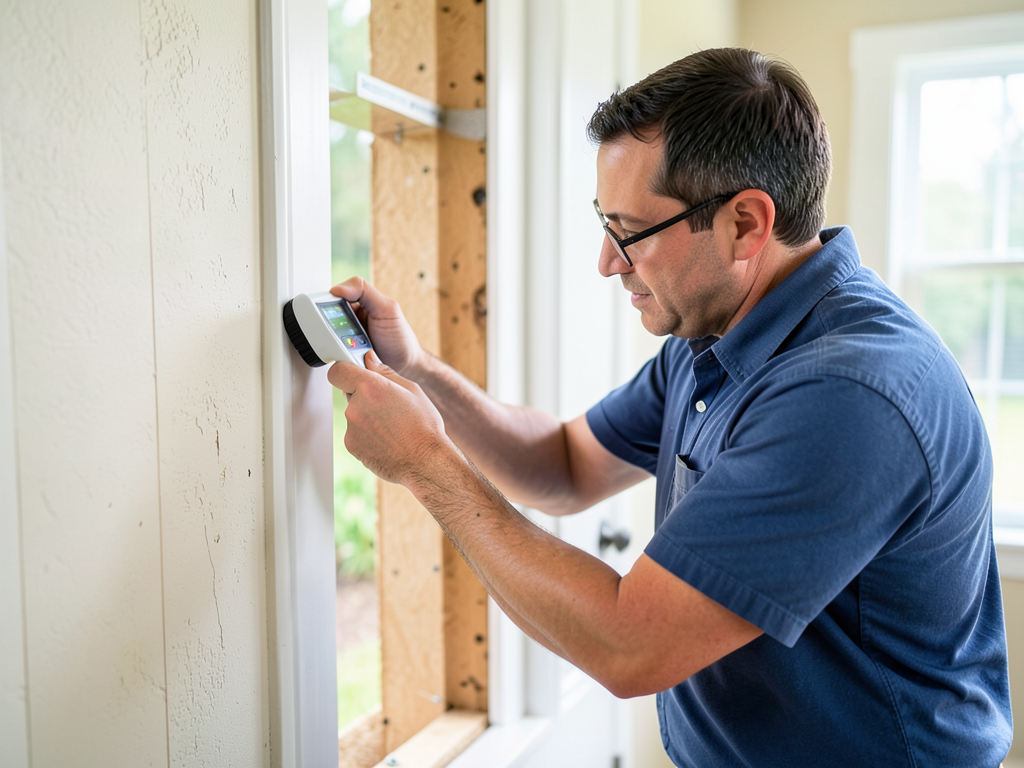
A Raleigh Homeowner Checklist for Preventing Leaks While Your House Is on the Market A small water stain on a ceiling can kill a home sale in Raleigh. Buyers today are trained to walk away…
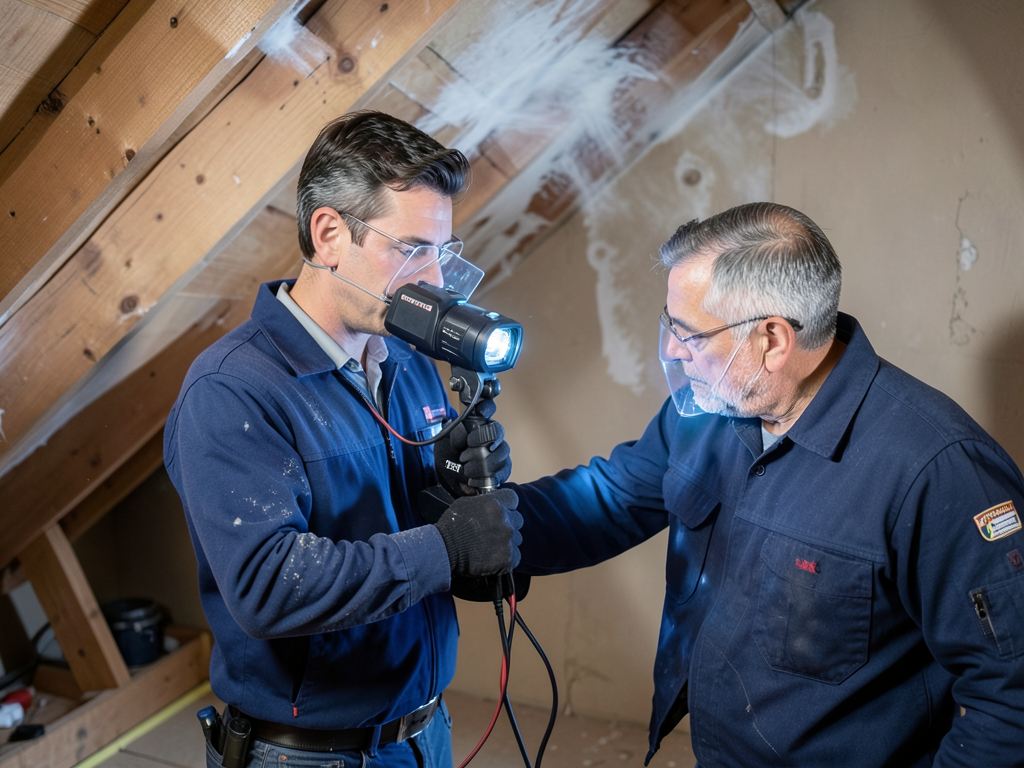
Why Your Umstead Attic Is Dripping Even When It Is Not Raining Water dripping from…
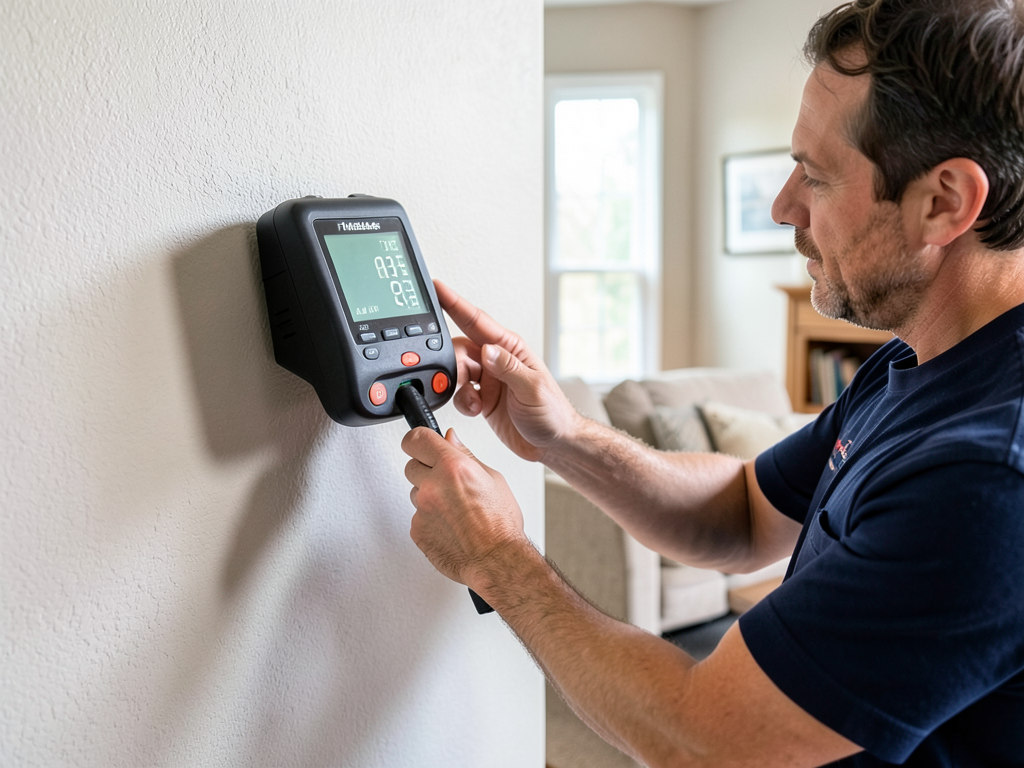
How to Use a Moisture Meter to Check for Hidden Water in Your Walls Finding…
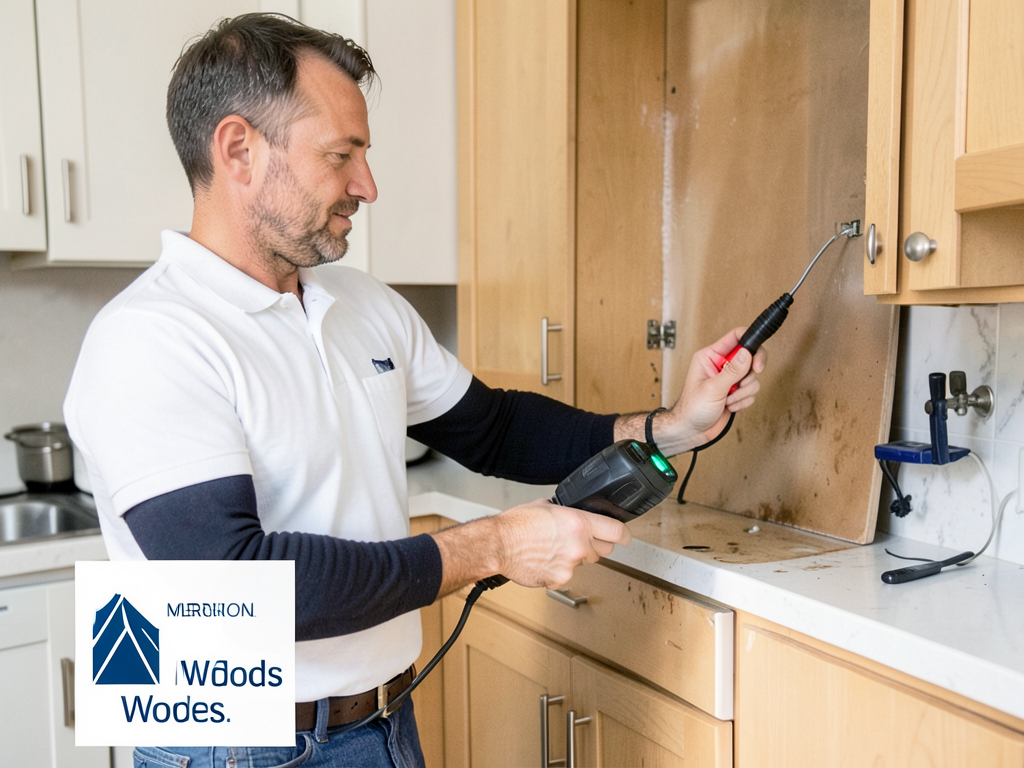
Why Your Fridge Ice Maker Is Leaking Behind the Wall in Your Meredith Woods Kitchen…
Water damage spreads through your home every minute you wait. Call Silverline Water Damage Restoration Raleigh now at (984) 294-5900 for immediate dispatch of certified technicians to your Fuquay-Varina property. We answer 24/7 and arrive within 60 minutes to stop damage progression and begin emergency restoration.