


Clayton sits at the intersection of rapid suburban growth and North Carolina's unpredictable weather patterns. The area's clay-heavy soil drains poorly, causing water to pool around foundations after heavy rains. When Hurricane Florence remnants dumped over 8 inches of rain in 48 hours, hundreds of Clayton homes flooded within minutes.
The town's location along Highway 70 means homes near the Neuse River watershed face elevated flooding risks during spring storms. Newer developments in areas like Flowers Plantation and Riverwood Athletic Club were built on former farmland with shallow water tables. Add Clayton's aging housing stock in downtown areas where cast iron pipes are reaching end-of-life, and you have a perfect storm for water damage events.
Johnston County's building codes require proper grading, but many older homes lack adequate foundation waterproofing. Summer humidity averaging 72 percent means moisture lingers long after the visible water disappears. Without professional extraction and dehumidification within 24 to 48 hours, hidden moisture feeds mold growth inside walls and under flooring. Insurance companies in this region know these patterns, which is why they demand certified restoration documentation for claims processing.
When water floods your Clayton home at 2 AM, you need a restoration company that answers the phone and arrives fast. Silverline Water Damage Restoration Raleigh maintains a dedicated emergency response fleet serving Johnston County with guaranteed 60-minute response times. Our technicians live and work in the greater Raleigh-Clayton area, which means faster arrival than distant national franchises dispatching crews from Wake County.
We hold IICRC certifications in Water Damage Restoration and Applied Structural Drying, the industry gold standard that insurance adjusters recognize and trust. Our crews train continuously on the latest extraction techniques and moisture detection technology. We use truck-mounted extraction systems that remove water faster than portable units, reducing drying time and preventing secondary damage.
Insurance coordination sets us apart. We photograph everything, document moisture readings with thermal imaging, and submit detailed estimates directly to your adjuster. Most Clayton homeowners never write a check because we bill insurance companies directly after getting your approval. We know which local adjusters handle claims for State Farm, Nationwide, and other major carriers serving this area.
Our equipment inventory includes commercial-grade dehumidifiers, air movers, and moisture meters that meet insurance industry drying standards. We monitor drying progress daily with documented readings, giving your insurance company the proof they need to approve your claim without delays. When restoration is complete, we provide a certificate of satisfaction that protects your home's resale value.

Our emergency crews dispatch from local staging areas, not distant warehouses. When you call our Clayton hotline, a certified technician heads to your address immediately with truck-mounted extraction equipment. We arrive within one hour, assess the damage, and start water removal before structural damage spreads.

We handle insurance paperwork from first contact through final payment. Our estimators document everything with photos and moisture readings, then submit detailed claims directly to your carrier. Most Clayton customers pay nothing out of pocket because we coordinate payment with adjusters who know our work quality and documentation standards.
Every crew member holds current IICRC certification in Water Damage Restoration and Applied Structural Drying. These credentials prove we follow industry standards for extraction, drying, and microbial remediation. Insurance adjusters trust our documentation because we use recognized protocols that protect your claim and your home's structural integrity.
We understand Clayton's clay soil drainage issues, local building methods, and regional weather patterns that cause water damage. Our technicians know which neighborhoods flood first during heavy rains and which construction types need special drying attention. This local knowledge speeds restoration and prevents moisture problems other companies miss.
Water damage takes many forms in Clayton homes. A burst washing machine hose floods a laundry room. Spring storms overwhelm gutters and seep into crawl spaces. Frozen pipes rupture in January cold snaps. Each scenario demands different extraction methods, drying strategies, and restoration timelines.
Silverline provides comprehensive water removal services covering every damage category. We handle clean water from supply line breaks, gray water from appliance overflows, and contaminated water from sewage backups. Our response adapts to the water source, affected materials, and contamination level. Hardwood floors require different drying than carpet. Drywall absorbs moisture differently than plaster. We match our equipment and techniques to your home's specific construction and damage severity.
Our service range covers emergency extraction, structural drying, dehumidification, content pack-out and storage, antimicrobial treatment, and full reconstruction. Whether you need water removed tonight or complete renovation after flood damage, we coordinate every phase under one contract. This single-source approach speeds insurance approval and gets you back in your home faster than juggling multiple contractors.
When water floods your Clayton home, our emergency crews arrive within 60 minutes with truck-mounted extraction systems. We remove standing water, extract moisture from carpets and padding, and begin dehumidification immediately. Fast water removal prevents structural damage, stops mold growth, and reduces restoration costs. Our thermal imaging cameras find hidden moisture inside walls and under flooring that portable meters miss. Available 24/7 for burst pipes, appliance leaks, storm flooding, and sewage backups throughout Johnston County.
Removing standing water is just the start. Clayton's humid climate means moisture lingers in building materials for days or weeks without proper drying equipment. We deploy commercial dehumidifiers and air movers positioned based on psychrometric calculations and moisture mapping. Our technicians monitor drying progress daily with calibrated meters, adjusting equipment placement until materials reach acceptable moisture levels. This systematic approach meets IICRC S500 standards and prevents the mold growth that insurance companies refuse to cover.
After water extraction and structural drying, damaged materials need replacement. We handle complete restoration including drywall repair, flooring installation, cabinet replacement, and painting. Our licensed contractors coordinate plumbing repairs, electrical work, and HVAC cleaning under one project timeline. You work with a single estimator and project manager instead of juggling multiple bids. We submit one comprehensive estimate to your insurance company, eliminating the confusion and delays of phased contracting. Your home returns to pre-loss condition faster.
Clayton's combination of aging infrastructure, rapid development, and unpredictable weather creates multiple water damage scenarios. Older homes near downtown Clayton have galvanized pipes nearing 70 years old, prone to pinhole leaks and sudden ruptures. Newer developments in western Clayton were built on clay soil that expands and contracts with moisture changes, stressing foundation walls and creating entry points for groundwater.
Spring storms regularly dump 2 to 4 inches of rain in short periods, overwhelming drainage systems designed for lighter rainfall. Homes near the Neuse River floodplain face elevated risks during hurricane season. January freezes cause exposed pipes in crawl spaces and attics to burst when temperatures drop below 28 degrees. Air conditioner condensate lines clog and overflow in summer, flooding closets and hallways before homeowners notice the problem. Each scenario demands immediate professional response to prevent structural damage and mold contamination.
Frozen pipes burst without warning during Clayton's winter cold snaps, flooding homes with hundreds of gallons before the water shuts off. Supply lines under pressure spray water across rooms, soaking walls, ceilings, and flooring. Immediate extraction prevents drywall collapse and subfloor damage that multiplies restoration costs. We locate the source, stop the flow, and extract water before structural damage spreads.
Heavy rains overwhelm gutters and foundation drainage, pushing water into basements and crawl spaces. Homes built on clay soil near Flowers Plantation and Riverwood see water pooling around foundations during spring storms. Standing water under homes creates humidity that feeds mold growth and rots floor joists. Our crews extract water, dry structural components, and treat surfaces to prevent microbial growth.
Water heaters fail after 10 to 15 years, flooding garages and utility rooms with 40 to 80 gallons. Washing machine hoses burst under constant pressure, spraying water across laundry rooms into adjacent spaces. Dishwashers leak around door seals, damaging hardwood floors and cabinets before homeowners notice the problem. Fast response limits damage to the immediate area and prevents expensive flooring replacement.
Water travels through wall cavities and under flooring, creating hidden moisture pockets that standard cleanup misses. Clayton's humidity above 70 percent during summer means these damp areas never dry without professional dehumidification. Within 48 hours, mold colonies establish and spread. Our thermal imaging cameras find moisture inside walls before mold appears, allowing targeted drying that prevents contamination and protects indoor air quality.
Water damage creates immediate stress. Your home is flooding, belongings are soaking, and you need help right now. When you call Silverline's Clayton emergency line at (984) 294-5900, a real person answers within three rings. We ask targeted questions about the water source, affected areas, and immediate dangers. Within 15 minutes, a crew dispatches to your address with extraction equipment loaded and ready.
Our response follows a proven sequence that protects your property and streamlines insurance claims. We assess damage severity, document everything with photos and moisture readings, extract standing water, and begin structural drying. You receive clear explanations at every step, with timelines for drying completion and restoration. We coordinate directly with your insurance adjuster, eliminating phone tag and claim delays. Most Clayton homeowners tell us the restoration process was less stressful than they feared because we handled details they did not know existed.
Our certified technician arrives within 60 minutes, often much faster for central Clayton addresses. We conduct a thorough inspection using moisture meters and thermal imaging cameras to map visible and hidden water damage. You receive an honest assessment of damage severity, restoration timeline, and estimated costs. We explain what your insurance will likely cover and what falls outside policy limits. If the situation is not an emergency, we tell you. Our goal is informed decisions, not inflated invoices.
Before extraction begins, we photograph and video record all damage from multiple angles. Our technicians document moisture readings in affected materials, create floor plans showing water spread patterns, and note all damaged contents. This thorough documentation supports your insurance claim and prevents disputes over coverage. We submit detailed estimates directly to your adjuster with photos, moisture maps, and industry-standard pricing. Most claims get approved without supplements because our documentation anticipates adjuster questions.
Water damage restoration takes days or weeks depending on severity. We visit daily to check drying progress, adjust equipment placement, and document moisture readings. You receive text updates on drying status and timeline changes. When moisture levels reach acceptable ranges, we provide certified documentation proving your home is dry and ready for reconstruction. Our project manager coordinates all repair work, inspects quality, and ensures your home returns to pre-loss condition before final payment.
Every water damage situation is unique, but successful restoration follows the same proven sequence. We respond fast, extract water completely, dry structural materials thoroughly, and restore damaged areas professionally. This methodical approach meets insurance requirements and protects your home's value.
Call our 24/7 Clayton emergency line at (984) 294-5900. Our dispatcher gathers essential information about your water damage source, affected areas, and safety concerns. A certified crew dispatches immediately with truck-mounted extraction equipment. We arrive within 60 minutes for most Clayton addresses, assess the damage, explain the restoration process, and begin water removal. Our goal is stopping damage progression within the first critical hours.
Our truck-mounted extractors remove standing water faster than portable units, reducing drying time and preventing secondary damage. We extract moisture from carpets, padding, and upholstery using specialized tools. Commercial dehumidifiers and air movers begin structural drying immediately. Technicians position equipment based on moisture mapping and psychrometric calculations. We monitor drying progress daily with calibrated meters, adjusting equipment until building materials reach acceptable moisture levels meeting IICRC S500 standards.
Once structural drying completes, our licensed contractors begin reconstruction. We replace damaged drywall, install new flooring, repair cabinetry, and complete painting. Our project manager coordinates all trades under one timeline, eliminating the hassle of managing multiple contractors. Final inspection ensures quality meets our standards and your expectations. We provide documentation proving your home is fully restored and ready for occupancy. Most Clayton homeowners never write a check because we coordinate final payment directly with insurance carriers.
Effective water damage restoration requires more than shop vacuums and box fans. Professional remediation follows scientific principles of psychrometrics, moisture migration, and microbial growth prevention. The Institute of Inspection, Cleaning and Restoration Certification publishes the ANSI/IICRC S500 Standard for Professional Water Damage Restoration, which defines industry protocols for assessment, water removal, drying, and cleaning.
Water damage falls into three categories based on contamination level. Category 1 involves clean water from supply lines. Category 2 includes gray water from appliances and fixtures containing some contamination. Category 3 covers grossly contaminated water from sewage backups or flood water. Each category demands different safety protocols, disposal procedures, and cleaning methods. Insurance companies require proper category identification because coverage and costs differ significantly.
Structural drying depends on achieving proper vapor pressure gradients. Water molecules migrate from high concentration areas to low concentration areas. Dehumidifiers remove moisture from air, creating low vapor pressure that pulls moisture from building materials. Air movers increase evaporation rates by moving humid air away from wet surfaces. Strategic equipment placement based on moisture mapping and material types accelerates drying while preventing over-drying that can damage hardwood floors and antiques.
Clayton's humid subtropical climate complicates drying because outdoor air often contains more moisture than indoor air. Professional restoration uses refrigerant dehumidifiers that cool air below dew point, condensing moisture regardless of outdoor humidity. Psychrometric calculations determine required equipment capacity based on affected square footage, moisture load, and ambient conditions. Technicians monitor specific humidity and grains per pound daily, adjusting equipment until moisture content matches unaffected areas. This data-driven approach meets insurance documentation requirements and prevents the hidden moisture problems that cause mold outbreaks months after cleanup appears complete.
North Carolina requires water damage restoration contractors to hold proper licensing and insurance. General contractors need a valid NC license for projects over certain thresholds. Proper insurance includes general liability, workers compensation, and pollution liability covering mold and bacteria exposure. Reputable companies provide certificates of insurance directly to homeowners and adjusters, protecting property owners from liability if workers get injured during restoration.
The IICRC S500 Standard defines proper procedures for water damage assessment, classification, extraction, drying, and cleaning. Our technicians follow these protocols exactly, ensuring consistent quality and insurance compliance. We document moisture readings using calibrated meters, calculate psychrometric requirements for drying equipment, and maintain detailed logs proving materials reached acceptable moisture content. Insurance adjusters recognize S500 compliance and approve claims faster when documentation follows recognized standards.
Water damage restoration costs depend on water volume, affected square footage, contamination category, and material types. Clean water from a supply line costs less to remediate than sewage backups requiring disposal and antimicrobial treatment. Hardwood floors demand specialized drying that takes longer than carpet. Contents requiring pack-out and storage add to total costs. Most Clayton homeowners pay nothing out of pocket because insurance covers actual cash value or replacement cost based on policy terms and coverage limits.
Structural drying typically requires three to seven days depending on materials, moisture load, and ambient humidity. Carpet and padding dry faster than hardwood floors. Drywall dries faster than plaster. Clayton's summer humidity extends drying time compared to winter. We monitor moisture daily and remove equipment only when readings meet IICRC standards. Rushing the drying process causes mold growth and material damage. Patient, monitored drying protects your home and prevents problems that void insurance coverage.
North Carolina requires proper contractor licensing and insurance for restoration work. We maintain current general contractor licenses, workers compensation insurance, and general liability coverage. Our technicians hold IICRC certifications in Water Damage Restoration and Applied Structural Drying. We provide certificates of insurance directly to homeowners and adjusters, proving you are protected if problems occur during restoration. Working with properly licensed and insured contractors protects your legal liability and ensures quality workmanship.
Professional water damage restoration process demonstration in Clayton, North Carolina. Shows emergency response procedures, water extraction techniques using truck-mounted systems, structural drying equipment placement, moisture monitoring protocols, and insurance coordination. Explains IICRC S500 standards for water damage remediation, psychrometric drying principles, and mold prevention strategies. Covers common water damage scenarios in Clayton including burst pipes, storm flooding, and appliance leaks. Demonstrates thermal imaging moisture detection and dehumidification equipment used in professional restoration.
Silverline Water Damage Restoration Raleigh serves the entire Clayton area and surrounding Johnston County communities. Our emergency response vehicles position strategically to reach any Clayton address within 60 minutes, often much faster for central locations.
We serve downtown Clayton near the historic Depot and Main Street, where older homes face plumbing challenges from aging infrastructure. The Buffalo Creek area and neighborhoods along Highway 70 Business see frequent water damage from storm runoff and foundation drainage issues. Rapidly growing western Clayton communities including Flowers Plantation, Riverwood Athletic Club, and Brookhaven require our services for both construction defects in newer homes and standard water damage emergencies.
South Clayton neighborhoods near Cleveland Road and Shotwell Road sit on clay soil that expands with moisture, stressing foundations and creating entry points for groundwater during heavy rains. Homes near the Neuse River floodplain face elevated risks during hurricane season and spring storms that dump several inches in short periods. Our crews know these geographic risk factors and adjust our assessment and mitigation strategies accordingly.
We also serve Archer Lodge, Willow Spring, and other Johnston County communities within our response area. The 40 and 42 corridor sees significant new construction where homeowners need emergency response from companies that understand modern building techniques and materials. Older communities along Highway 70 toward Smithfield have construction methods and plumbing systems that require different restoration approaches.
Our local knowledge extends beyond geography to relationships with Clayton area insurance adjusters, plumbers, electricians, and building inspectors. When your water damage requires coordinated repairs across multiple trades, we connect you with trusted professionals who respond quickly and work within insurance guidelines. This network of local contractors speeds your restoration timeline and reduces the stress of managing multiple estimates and schedules.
Whether you live in a 1960s ranch in downtown Clayton, a 1990s home near Cleveland School, or a new construction property in Flowers Plantation, our emergency response reaches you fast. We understand the unique challenges each Clayton neighborhood presents and adapt our restoration approach to your home's specific construction, age, and risk factors. Our goal is always the same: stop damage progression immediately, dry your home thoroughly, and restore it to pre-loss condition as fast as insurance allows.
Water damage restoration in Clayton involves removing water, drying affected areas, and repairing your property after floods, leaks, or burst pipes. Professional teams use industrial equipment like extractors, air movers, and dehumidifiers to prevent mold growth and structural damage. The process typically includes water removal, moisture detection, drying, sanitizing, and restoration. Response time matters - water damage worsens within 24-48 hours. Most restoration companies in Clayton offer 24/7 emergency services. Your homeowner's insurance often covers restoration costs, and professionals work directly with adjusters to document damage and streamline claims.
Start by stopping the water source if possible. Turn off your main water valve for pipe bursts. Move furniture and valuables to dry areas. Remove standing water with towels or a wet vacuum if safe. Open windows for ventilation and turn on fans. Document all damage with photos and videos for insurance claims. Avoid using regular household vacuums on standing water. Call a professional restoration company immediately. Do not enter rooms with electrical hazards or significant structural damage. Quick action within the first 24 hours significantly reduces restoration time and prevents mold growth.
Professional restoration teams in Clayton typically arrive within 1-2 hours for emergency calls. The initial assessment takes 30-60 minutes. Water extraction begins immediately and takes 1-4 hours depending on water volume. Drying and dehumidification require 3-5 days for most residential properties. Severe flooding extends this to 7-10 days. Mold remediation adds 1-3 days if needed. Final repairs and reconstruction take 1-4 weeks based on damage extent. Faster drying happens with professional equipment compared to air-drying alone. Weather conditions and humidity levels affect drying time.
Water damage restoration in Clayton involves removing water, drying affected areas, and repairing your property after floods, leaks, or burst pipes. Professional teams use industrial equipment like extractors, air movers, and dehumidifiers to prevent mold growth and structural damage. The process typically includes water removal, moisture detection, drying, sanitizing, and restoration. Response time matters - water damage worsens within 24-48 hours. Most restoration companies in Clayton offer 24/7 emergency services. Your homeowner's insurance often covers restoration costs, and professionals work directly with adjusters to document damage and streamline claims.
Start by stopping the water source if possible. Turn off your main water valve for pipe bursts. Move furniture and valuables to dry areas. Remove standing water with towels or a wet vacuum if safe. Open windows for ventilation and turn on fans. Document all damage with photos and videos for insurance claims. Avoid using regular household vacuums on standing water. Call a professional restoration company immediately. Do not enter rooms with electrical hazards or significant structural damage. Quick action within the first 24 hours significantly reduces restoration time and prevents mold growth.
Professional restoration teams in Clayton typically arrive within 1-2 hours for emergency calls. The initial assessment takes 30-60 minutes. Water extraction begins immediately and takes 1-4 hours depending on water volume. Drying and dehumidification require 3-5 days for most residential properties. Severe flooding extends this to 7-10 days. Mold remediation adds 1-3 days if needed. Final repairs and reconstruction take 1-4 weeks based on damage extent. Faster drying happens with professional equipment compared to air-drying alone. Weather conditions and humidity levels affect drying time.
Most homeowner's insurance policies cover sudden and accidental water damage like burst pipes, appliance malfunctions, and storm damage. Flood damage requires separate flood insurance through FEMA's National Flood Insurance Program. Insurance typically excludes gradual damage from neglect or lack of maintenance. Document everything immediately with photos and videos. Contact your insurance company within 24 hours. Restoration companies in Clayton work directly with insurance adjusters and handle claim documentation. Keep all receipts for temporary repairs and accommodations. Your policy deductible applies, and coverage limits vary by policy type.
Mold starts growing within 24-48 hours in damp conditions. You need professional restoration when water damage affects multiple rooms, involves contaminated water, or results from sewage backup. Ceiling or wall water stains indicate hidden moisture requiring professional equipment to detect and dry. Standing water deeper than two inches needs industrial extraction equipment. Structural damage to floors, walls, or foundations requires expert assessment. If you smell musty odors or see visible mold, professionals should handle removal. Electrical hazards near water always require professional intervention before entering affected areas.
Category 1 water comes from clean sources like supply lines or faucets. Category 2 gray water contains contaminants from washing machines, dishwashers, or toilet overflow without feces. Category 3 black water includes sewage, flooding, or standing water with bacteria and pathogens. Clean water becomes gray water after 48 hours. Gray water becomes black water if left untreated. Each category requires different safety protocols and cleaning methods. Black water demands professional handling with protective equipment and specialized sanitization. Category affects both restoration approach and insurance coverage in Clayton.
Look for IICRC certification, which shows proper training in water damage restoration. Check online reviews and ratings from Clayton residents. Verify the company offers 24/7 emergency response. Ask about their equipment and drying methods. Confirm they handle insurance claims and provide detailed documentation. Get written estimates before work begins. Choose companies with local experience in Clayton's climate and common water damage scenarios. Avoid companies requiring large upfront payments. Ask for references from recent customers. Response time and availability matter during emergencies.
Professionals use moisture meters to detect hidden water in walls, floors, and ceilings. Infrared cameras identify temperature differences indicating moisture presence. Hygrometers measure humidity levels throughout your home. Industrial-grade water extractors remove standing water faster than household equipment. High-velocity air movers create airflow for faster drying. Commercial dehumidifiers remove moisture from the air. HEPA air scrubbers filter mold spores and contaminants. Antimicrobial treatments prevent mold and bacteria growth. This specialized equipment dries structures thoroughly and prevents secondary damage better than consumer-grade tools.
Remove and discard porous materials like carpet padding, insulation, and drywall soaked beyond repair. Hardwood floors need professional assessment - some dry successfully while warped boards require replacement. Furniture and belongings get evaluated individually based on water category and exposure time. Clean water damage allows more salvage than contaminated water. Professional cleaning and sanitization save many items. Electronics need specialized drying before testing. Important documents go through freeze-drying processes. Personal items with sentimental value receive priority restoration attempts. Mold-contaminated items often require disposal for health and safety.
Inspect plumbing regularly for leaks and corrosion. Replace washing machine hoses every five years. Install water detection alarms near water heaters, washing machines, and sinks. Clean gutters and downspouts twice yearly. Ensure proper grading directs water away from your foundation. Insulate pipes in unheated areas to prevent freezing. Know your main water shut-off valve location. Service your water heater annually. Check appliance connections for wear. Seal basement walls and install a sump pump in flood-prone areas. Address minor leaks immediately before they become major problems.
Most homeowner's insurance policies cover sudden and accidental water damage like burst pipes, appliance malfunctions, and storm damage. Flood damage requires separate flood insurance through FEMA's National Flood Insurance Program. Insurance typically excludes gradual damage from neglect or lack of maintenance. Document everything immediately with photos and videos. Contact your insurance company within 24 hours. Restoration companies in Clayton work directly with insurance adjusters and handle claim documentation. Keep all receipts for temporary repairs and accommodations. Your policy deductible applies, and coverage limits vary by policy type.
Mold starts growing within 24-48 hours in damp conditions. You need professional restoration when water damage affects multiple rooms, involves contaminated water, or results from sewage backup. Ceiling or wall water stains indicate hidden moisture requiring professional equipment to detect and dry. Standing water deeper than two inches needs industrial extraction equipment. Structural damage to floors, walls, or foundations requires expert assessment. If you smell musty odors or see visible mold, professionals should handle removal. Electrical hazards near water always require professional intervention before entering affected areas.
Category 1 water comes from clean sources like supply lines or faucets. Category 2 gray water contains contaminants from washing machines, dishwashers, or toilet overflow without feces. Category 3 black water includes sewage, flooding, or standing water with bacteria and pathogens. Clean water becomes gray water after 48 hours. Gray water becomes black water if left untreated. Each category requires different safety protocols and cleaning methods. Black water demands professional handling with protective equipment and specialized sanitization. Category affects both restoration approach and insurance coverage in Clayton.
Look for IICRC certification, which shows proper training in water damage restoration. Check online reviews and ratings from Clayton residents. Verify the company offers 24/7 emergency response. Ask about their equipment and drying methods. Confirm they handle insurance claims and provide detailed documentation. Get written estimates before work begins. Choose companies with local experience in Clayton's climate and common water damage scenarios. Avoid companies requiring large upfront payments. Ask for references from recent customers. Response time and availability matter during emergencies.
Professionals use moisture meters to detect hidden water in walls, floors, and ceilings. Infrared cameras identify temperature differences indicating moisture presence. Hygrometers measure humidity levels throughout your home. Industrial-grade water extractors remove standing water faster than household equipment. High-velocity air movers create airflow for faster drying. Commercial dehumidifiers remove moisture from the air. HEPA air scrubbers filter mold spores and contaminants. Antimicrobial treatments prevent mold and bacteria growth. This specialized equipment dries structures thoroughly and prevents secondary damage better than consumer-grade tools.
Remove and discard porous materials like carpet padding, insulation, and drywall soaked beyond repair. Hardwood floors need professional assessment - some dry successfully while warped boards require replacement. Furniture and belongings get evaluated individually based on water category and exposure time. Clean water damage allows more salvage than contaminated water. Professional cleaning and sanitization save many items. Electronics need specialized drying before testing. Important documents go through freeze-drying processes. Personal items with sentimental value receive priority restoration attempts. Mold-contaminated items often require disposal for health and safety.
Inspect plumbing regularly for leaks and corrosion. Replace washing machine hoses every five years. Install water detection alarms near water heaters, washing machines, and sinks. Clean gutters and downspouts twice yearly. Ensure proper grading directs water away from your foundation. Insulate pipes in unheated areas to prevent freezing. Know your main water shut-off valve location. Service your water heater annually. Check appliance connections for wear. Seal basement walls and install a sump pump in flood-prone areas. Address minor leaks immediately before they become major problems.
While based in Raleigh, Silverline proudly serves the surrounding areas, providing expert water damage restoration wherever you are. Our interactive map allows you to visualize our service radius and plan your visit, or simply understand our immediate response capabilities. We are dedicated to reaching you quickly, ensuring prompt and efficient service for your home or business, no matter your precise location within our service area, ready to assist.
Address:
Clayton, NC, 27520
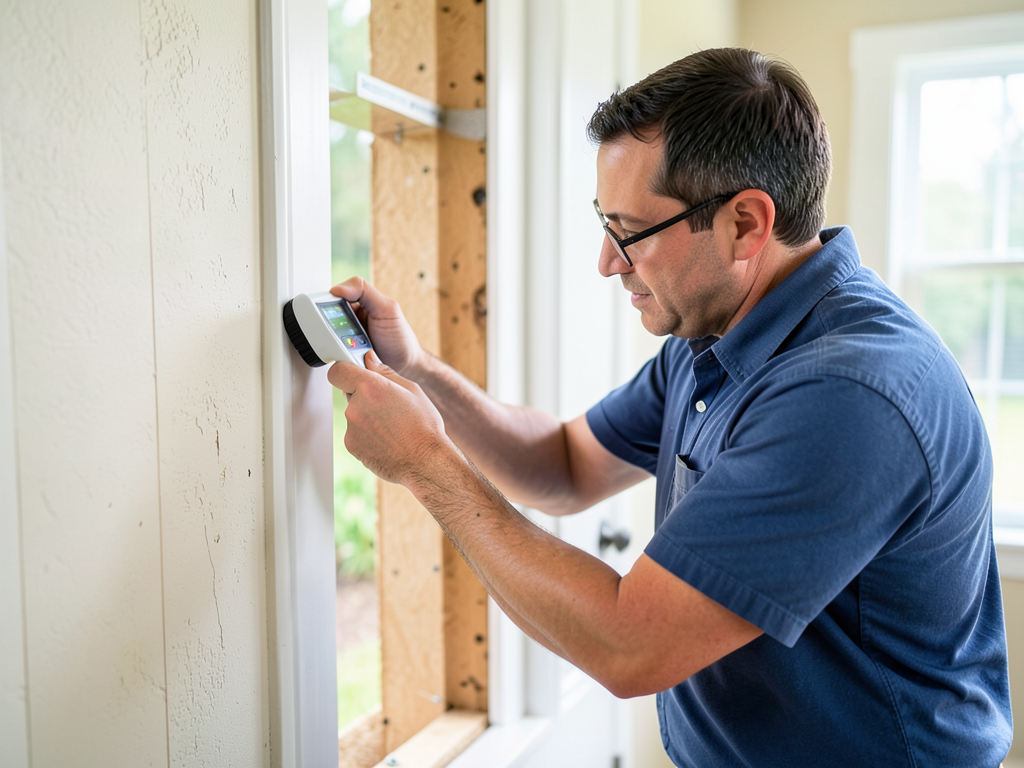
A Raleigh Homeowner Checklist for Preventing Leaks While Your House Is on the Market A small water stain on a ceiling can kill a home sale in Raleigh. Buyers today are trained to walk away…
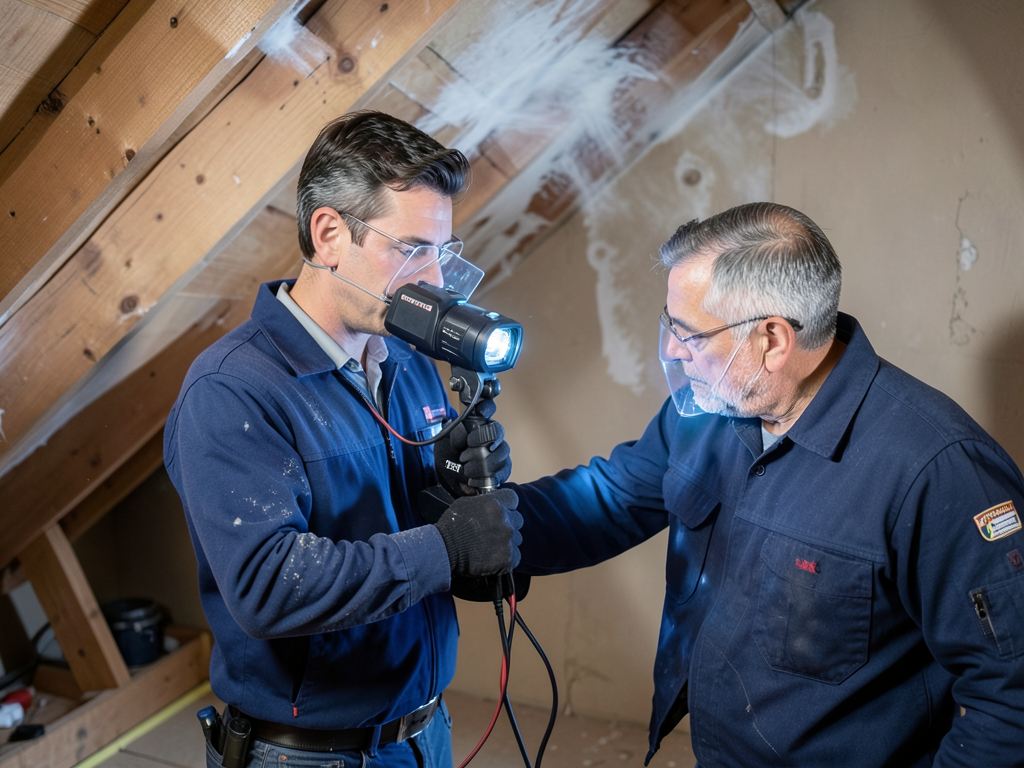
Why Your Umstead Attic Is Dripping Even When It Is Not Raining Water dripping from…
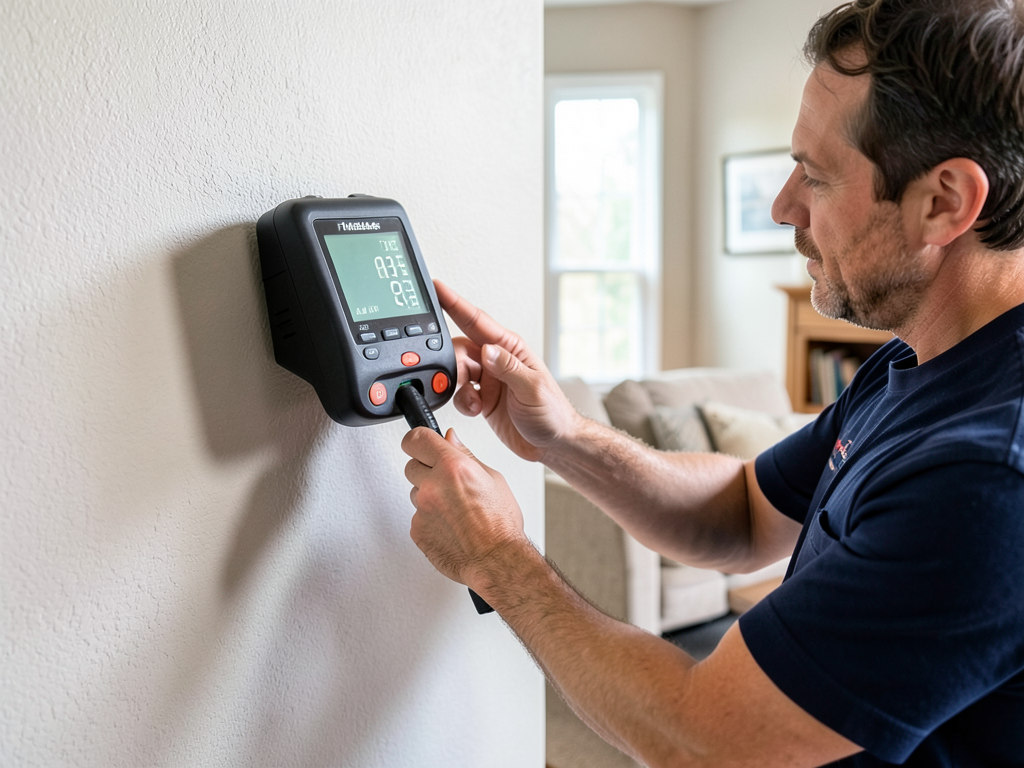
How to Use a Moisture Meter to Check for Hidden Water in Your Walls Finding…
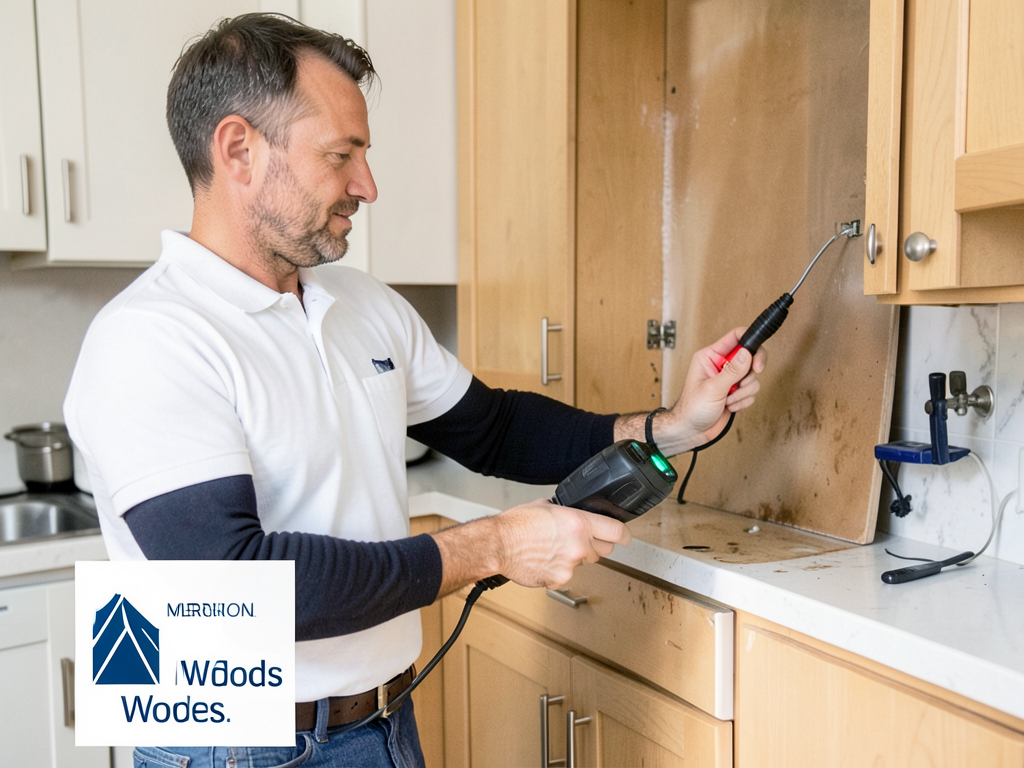
Why Your Fridge Ice Maker Is Leaking Behind the Wall in Your Meredith Woods Kitchen…
Water damage spreads fast. Every minute counts. Call (984) 294-5900 right now for immediate dispatch. Our certified crews are standing by 24/7 with emergency extraction equipment ready. We arrive within 60 minutes, assess your damage, and start water removal immediately. Direct insurance billing available.