


Apex sits in the transition zone between Piedmont clay soil and sandy Coastal Plain sediments, creating unique drainage challenges that many homeowners don't see coming. The clay soil common throughout subdivisions like Bella Casa and Scotts Mill holds water like a sponge, pushing moisture toward foundations during heavy rain events. North Carolina's humidity averages 70 percent year-round, meaning wet building materials never truly dry without professional intervention.
The town's rapid growth since 2000 means thousands of homes were built during boom periods when construction crews rushed jobs. We see the consequences: improperly sealed crawl spaces in neighborhoods near Lake Pine, HVAC condensate lines that weren't pitched correctly, and flashing failures around chimneys. Add in Apex's proximity to the Cape Fear River basin, and you have a recipe for water intrusion during tropical systems that track inland from the coast.
Your homeowner's policy typically covers sudden water damage but excludes flood and gradual seepage. That distinction matters in Apex, where afternoon thunderstorms can dump three inches in an hour but the water pools slowly in crawl spaces over days. Professional water damage remediation within 24 hours prevents the secondary damage that insurance companies fight hardest: mold growth, wood rot, and structural settling that transforms a covered claim into a homeowner's nightmare.
Water damage restoration isn't about showing up with fans and hoping for the best. It's a calculated science of moisture mapping, psychrometric calculations, and controlled drying that prevents secondary damage from spiraling out of control. Silverline Water Damage Restoration Raleigh brings that level of precision to every Apex job, whether we're extracting water from a flooded basement in Friendship or drying out a burst supply line in Bella Casa.
We invested in thermal imaging technology that sees moisture inside wall cavities before it becomes visible mold. Our truck-mounted extraction units remove standing water in minutes instead of hours. Every technician carries a moisture meter calibrated to North Carolina humidity levels, documenting readings that satisfy insurance adjusters and prove when drying is complete. That documentation protects you from claim denials and proves we did the job right.
Speed matters because bacteria colonies double every 20 minutes in standing water. Mold spores germinate within 24 to 48 hours on wet drywall. Wood floor cupping becomes permanent after 72 hours of saturation. We dispatch crews from our Raleigh location within one hour of your call because we understand these biological timelines. Fast response isn't a marketing slogan. It's the difference between restoration and replacement, between a covered claim and a financial disaster.
Our relationship with every major insurance carrier operating in Wake County means we speak their language. We photograph documentation they accept, write estimates in Xactimate format they approve, and provide certificates of insurance that satisfy their requirements. You won't chase paperwork or argue with adjusters. We handle those conversations while you focus on getting your life back to normal.

We keep crews and equipment staged across the Raleigh metro specifically for emergency response. When you call our direct line at 3 a.m. with a flooded basement, you reach a live dispatcher who sends help immediately. No answering services, no callbacks, no waiting until morning. Your water emergency gets addressed while damage is still controllable and your insurance coverage is still clear.

Moisture hides inside walls, under flooring, and above ceilings where traditional inspection misses it completely. Our FLIR thermal cameras detect temperature differentials that reveal wet insulation, saturated studs, and trapped water in places that look dry to the naked eye. We find hidden moisture before it becomes visible mold, protecting your home and preventing insurance disputes about pre-existing conditions.
You shouldn't pay thousands upfront and wait months for reimbursement during a crisis. We bill major insurance carriers directly after securing your authorization, handling the paperwork burden while you coordinate temporary housing or manage business interruption. Our estimators write in Xactimate format that adjusters approve without endless revisions, speeding your claim through processing and getting your property restored faster.
We've restored water damage in Apex homes since the town's population boom began, understanding how local construction methods create specific vulnerabilities. We know which subdivisions have crawl space moisture problems, which builders cut corners on waterproofing, and how Wake County humidity affects drying times. That local knowledge means faster diagnosis, accurate estimates, and restoration methods matched to how your specific home was built.
Water damage restoration breaks into three critical phases that must happen in precise order to prevent additional loss. First comes emergency water removal using truck-mounted extraction equipment that pulls standing water from carpets, padding, and subflooring before gravity pulls it deeper into your home's structure. Second comes structural drying with commercial dehumidifiers and air movers positioned according to psychrometric calculations specific to North Carolina's humidity. Third comes restoration work that repairs what water damaged, from drywall replacement to hardwood floor refinishing.
Silverline Water Damage Restoration Raleigh handles all three phases as a single-source provider, eliminating the coordination nightmare of hiring separate contractors for extraction, drying, and repairs. Our crews carry licenses for water mitigation, mold remediation, and general contracting, meaning the same team that extracts your flooded basement also rebuilds it once drying is complete. That continuity speeds your restoration timeline and provides clear accountability when you're filing insurance claims.
We categorize water damage by contamination level because cleanup requirements vary dramatically. Clean water from a broken supply line needs extraction and drying. Gray water from a washing machine overflow requires antimicrobial treatment. Black water from sewage backups demands full hazmat protocols and material removal. Understanding these categories protects your family's health and ensures we follow IICRC standards that insurance companies require for claim approval.
Standing water continues damaging your property every minute it remains in contact with building materials. Our truck-mounted extractors remove thousands of gallons per hour from carpets, tile, and concrete, stopping additional absorption into subflooring and wall cavities. We extract water from crawl spaces, basements, and slab foundations using submersible pumps rated for solids, clearing standing water even when contaminated with mud or debris. Emergency tarping and board-up services protect properties with roof damage or broken windows from additional water intrusion during active weather events.
Drying wet building materials requires more than pointing fans at walls and hoping for the best. We calculate grain depression between your structure and ambient air, positioning commercial dehumidifiers and air movers to create controlled evaporation without over-drying or under-drying. Moisture meters track progress in studs, drywall, and subflooring three times daily, documenting readings that prove to insurance adjusters when drying is complete. Our equipment runs 24/7 until psychrometric targets are met, typically requiring three to five days for standard water damage in Apex's humid climate.
Once moisture readings confirm your structure is dry, restoration begins to return your property to pre-loss condition. We replace water-damaged drywall, insulation, and baseboards using materials that match your existing finishes. Hardwood floors get refinished if cupping is caught early, or replaced with matching wood species if damage is permanent. Our licensed contractors handle everything from cabinet reinstallation to painting, providing turnkey restoration so you don't coordinate multiple trades. We match your existing finishes, textures, and colors, making repairs invisible once work is complete.
Apex's combination of clay soil, high humidity, and rapid construction growth creates specific water damage vulnerabilities that catch property owners off guard. Homes built during boom periods often have crawl space vapor barriers that weren't sealed properly, allowing ground moisture to wick into floor joists and subflooring. HVAC systems sized incorrectly for North Carolina's humidity fail to control indoor moisture levels, creating condensation problems inside walls during summer months. Older neighborhoods near downtown have cast iron sewer lines reaching their 50-year lifespan, failing without warning and flooding basements with contaminated water.
The town's location in Wake County's western section means properties receive runoff from higher elevations during heavy rain events. Subdivisions built on former farmland often have poor grading that directs water toward foundations instead of away from structures. French drains installed during construction get clogged with clay soil and tree roots, failing precisely when you need them most. These aren't problems you can see during a home inspection or prevent with regular maintenance. They're design and construction issues built into thousands of Apex properties that only become apparent during water emergencies.
Clay soil holds water against your foundation for days after rain events, pushing moisture through block walls into crawl spaces. That standing water creates humidity levels above 80 percent, rotting floor joists and growing mold on insulation. We extract standing water, dry structural wood to safe moisture levels, and coordinate with foundation specialists to address drainage problems that caused flooding in the first place.
Water supply lines fail without warning, releasing hundreds of gallons under full municipal pressure. Plastic washing machine hoses crack after five years of use. Copper pinhole leaks develop in aggressive water chemistry. We respond to supply line failures within one hour because clean water damage becomes contaminated water damage once bacteria growth begins, typically within 24 hours in North Carolina's warm climate.
Apex sits in the path of tropical systems that weaken as they move inland but still dump heavy rain across Wake County. Wind-driven rain finds entry points around chimneys, skylights, and roof penetrations that stay dry during normal weather. We coordinate emergency tarping to stop active leaks, extract water from attics and ceilings, and dry insulation before compression damage becomes permanent and requires complete replacement.
Water heaters fail after 10 years of service, dumping 40 to 50 gallons across garage floors and into adjacent living spaces. Dishwasher supply lines crack under cabinets where leaks go unnoticed for days. Toilet wax rings fail on second-story bathrooms, leaking contaminated water into ceiling cavities and first-floor living areas. We handle all categories of water damage with appropriate protocols for contamination levels and affected materials.
Water emergencies create panic, especially when you're watching damage spread in real time. Our process is designed to stop that panic by taking immediate control of the situation with clear communication and decisive action. When you call our emergency line, you speak with a trained dispatcher who asks specific questions about your water source, affected areas, and safety concerns. That information determines which equipment we load and which specialists we dispatch.
You'll receive a text message within five minutes confirming your technician's name, phone number, and estimated arrival time. Our crews call 15 minutes before arrival so you're not watching out windows wondering when help will arrive. The lead technician walks your property with you, explaining what they see, what equipment they'll use, and what timeline you should expect. That initial assessment takes 20 to 30 minutes and includes moisture readings, thermal imaging, and preliminary documentation for insurance purposes.
We believe water damage restoration should reduce your stress instead of adding to it. You'll never wonder what's happening or when work will be complete. Our project managers update you daily with moisture readings, equipment adjustments, and timeline changes. You receive written documentation at every phase: initial assessment, daily monitoring reports, and final completion certificates that prove drying meets industry standards. That paper trail protects you during insurance claims and provides peace of mind that work was done correctly.
Our emergency line routes to live dispatchers who answer calls 24 hours a day, seven days a week. You won't leave voicemails or wait for callbacks during overnight emergencies. We dispatch crews within 60 minutes for water emergencies because response time determines whether you're facing restoration or replacement costs. Your technician calls 15 minutes before arrival and walks you through every step of the assessment process, explaining what they're testing and why specific equipment is necessary for your situation.
We photograph damage before touching anything, documenting conditions for insurance adjusters who may not visit your property for days. Moisture readings get recorded in written reports that track drying progress from initial extraction through final completion. You receive copies of all documentation for your records, providing proof that restoration followed industry standards if questions arise during claim processing. Our estimators write detailed scopes in Xactimate format that adjusters approve without endless negotiations.
The crew that extracts your water also dries your structure and completes final repairs, eliminating coordination headaches between multiple contractors. You work with one project manager from emergency call through final walkthrough, creating clear accountability and preventing communication breakdowns. Our general contracting license allows us to pull permits, complete repairs, and provide warranties that cover all phases of work. You sign one contract, make one insurance deductible payment, and get one completion certificate when restoration is finished.
Water damage restoration follows a scientific sequence that can't be rushed or reordered without compromising results. We've refined this process through thousands of jobs across Wake County, adapting industry standards to North Carolina's humidity and Apex's specific construction characteristics.
Our lead technician surveys your property within 60 minutes of your call, using thermal imaging to map moisture spread and moisture meters to measure saturation levels in affected materials. We identify your water source, categorize contamination level, and determine which materials can be dried versus which require removal. Truck-mounted extraction equipment removes standing water immediately, pulling moisture from carpets, padding, and porous surfaces before additional absorption occurs. We document initial conditions with photos and moisture readings that establish your baseline for insurance claims.
Commercial dehumidifiers and air movers get positioned according to psychrometric calculations that account for Apex's humidity, your home's square footage, and affected material types. Equipment runs continuously while technicians monitor moisture levels three times daily, adjusting airflow and dehumidification to maintain optimal drying conditions. We track grain depression between your structure and ambient air, proving to insurance adjusters when materials reach dry standards. Drying typically requires three to five days depending on saturation extent and materials affected.
Once moisture readings confirm complete drying, our licensed contractors begin restoration work to return your property to pre-loss condition. We remove and replace water-damaged drywall, insulation, baseboards, and flooring that couldn't be saved. Carpet gets reinstalled after pad replacement and subfloor drying. Walls get textured, primed, and painted to match existing finishes. You receive a final completion certificate documenting that all work meets industry standards and your property is safe for occupancy.
The Institute of Inspection, Cleaning and Restoration Certification publishes the ANSI/IICRC S500 Standard for Professional Water Damage Restoration, which governs how certified technicians assess damage, select equipment, and determine when drying is complete. Insurance companies require restoration companies to follow S500 protocols as a condition of claim approval, making certification and compliance mandatory rather than optional. Silverline Water Damage Restoration Raleigh maintains IICRC certification across our technician team, ensuring every job meets industry standards that protect your property and your insurance coverage.
Water damage gets categorized into three classes based on contamination level and health risk. Category 1 involves clean water from broken supply lines, overflowing sinks, or rainwater that hasn't contacted contaminated surfaces. This water requires extraction and drying but poses minimal health risks during cleanup. Category 2 involves gray water containing chemical or biological contamination from sources like washing machine overflows, dishwasher leaks, or toilet bowls with urine but no feces. Gray water requires antimicrobial treatment during cleanup to prevent bacteria growth. Category 3 involves black water that's grossly contaminated from sewage backups, flooding from rivers or streams, or standing water that's supported bacteria growth for more than 48 hours. Black water requires full hazmat protocols, complete material removal, and professional decontamination before reconstruction begins.
North Carolina General Statute 87-1 requires contractors performing water damage restoration work to hold either a general contractor license or a specialty contractor license for water and fire damage restoration. That license requires proof of liability insurance, workers compensation coverage, and passing a business law examination that covers contract requirements and consumer protection laws. Many emergency restoration companies operate without proper licensing, which invalidates your insurance coverage if discovered during claim processing. We maintain all required state licenses, update them annually, and carry insurance certificates that satisfy every major carrier's requirements.
Psychrometric science governs structural drying by measuring the relationship between temperature, relative humidity, and moisture content in building materials. Our technicians calculate grain depression, which measures the difference between moisture in your structure and moisture in the surrounding air. Positive grain depression means materials will dry. Negative grain depression means ambient air is too humid and materials will absorb moisture instead of releasing it. We adjust dehumidification and airflow based on these calculations, ensuring optimal drying conditions throughout the restoration process. This scientific approach prevents over-drying that cracks wood and under-drying that promotes mold growth.
Every Silverline technician completes IICRC Water Damage Restoration certification training that covers assessment protocols, equipment selection, moisture measurement, and documentation requirements. We follow S500 standards on every job because insurance companies require it for claim approval. Our certification proves we understand proper restoration techniques and gives you confidence that work is being performed correctly according to industry best practices recognized nationwide.
Clean water from supply lines requires different handling than sewage backups or flood water. We assess contamination levels during initial inspection, determining which materials can be dried and which must be removed to protect your family's health. Category 3 black water requires antimicrobial treatment, material removal to studs, and professional decontamination before reconstruction begins. Understanding these categories prevents health risks and ensures restoration methods match actual contamination present.
Structural drying isn't guesswork. We measure moisture content in affected materials using calibrated meters, tracking readings three times daily until psychrometric targets are met. Drywall should measure below 15 percent moisture content. Wood framing should measure below 17 percent. These targets prevent mold growth while avoiding over-drying that damages materials. Our documentation proves to insurance adjusters when drying is complete, protecting you from claim denials based on insufficient restoration.
State law requires restoration contractors to maintain general contractor licenses or specialty licenses for water damage work. That licensing requires liability insurance, workers compensation coverage, and proof of business law knowledge. We maintain all required licenses and carry insurance certificates that satisfy every major carrier operating in Wake County. Our compliance protects your insurance coverage and ensures we're financially responsible if problems arise during restoration work.
This video explains water damage restoration services in Apex, North Carolina, covering emergency response procedures, structural drying methods, and common water damage problems affecting local properties. Topics include water extraction techniques, moisture measurement protocols, insurance documentation requirements, and restoration timelines. The video discusses how Apex's clay soil, humidity levels, and construction characteristics create specific water damage vulnerabilities requiring professional remediation services.
Silverline Water Damage Restoration Raleigh serves the entire Apex area with rapid response times that make the difference between restoration and replacement. Our crews dispatch from our central Raleigh location with direct access to US Highway 1 and NC Highway 55, putting us within 15 minutes of most Apex neighborhoods during emergency calls. We've restored water damage in every section of town, from historic properties near downtown Apex to new construction in western subdivisions pushing toward Jordan Lake.
The Bella Casa neighborhood sees frequent crawl space flooding due to clay soil and poor lot grading that directs water toward foundations instead of away from structures. We've dried dozens of properties in this area, understanding how homes built during the mid-2000s boom often have vapor barriers that weren't sealed properly during construction. Scotts Mill properties near the intersection of Highway 55 and Laura Duncan Road experience similar issues, with finished basements that flood during heavy rain events when sump pumps fail or French drains clog with debris.
Properties in the Friendship community north of Highway 55 have older plumbing systems reaching their service life, creating supply line failures and water heater leaks that flood garages and adjacent living spaces. We respond quickly to these emergencies because clean water damage becomes contaminated water damage once bacteria growth begins in North Carolina's warm, humid climate. Salem Village and surrounding neighborhoods near Salem Street have a mix of older homes and new construction, each presenting unique water damage challenges based on building methods and materials common to their construction era.
The downtown Apex historic district requires specialized restoration techniques that preserve original materials while meeting modern moisture control standards. We've restored water damage in century-old homes with heart pine flooring and plaster walls, using methods that dry these irreplaceable materials without causing additional damage. Center Street properties and surrounding blocks need contractors who understand historic construction and can navigate historic district regulations that govern repairs.
Western Apex subdivisions near the Chatham County line represent the town's newest growth, with homes built within the last five years. These properties have modern construction materials and methods but often suffer from rushed workmanship during boom periods when builders prioritized speed over quality. We see HVAC condensate line failures, improperly installed flashing around roof penetrations, and poorly sealed crawl space vapor barriers that allow ground moisture to enter living spaces.
Our service area extends throughout Wake County including Cary, Holly Springs, and Fuquay-Varina communities adjacent to Apex. We understand how western Wake County's rolling topography affects drainage patterns and how the transition from Piedmont to Coastal Plain geology creates different soil conditions that impact foundation moisture. That local knowledge means faster diagnosis and restoration methods matched to how your specific property was built and how local conditions affect water damage.
Water damage restoration in Apex NC takes 3 to 7 days for most residential projects. Small jobs like a bathroom leak finish in 2 to 3 days. Extensive damage from flooding or burst pipes takes 1 to 2 weeks. The timeline depends on the water category, affected square footage, and materials involved. Clean water extraction completes faster than sewage cleanup. Drying time extends when humidity is high or multiple floors are affected. Your restoration team provides a specific timeline after inspecting your property.
Water damage restoration pricing in Apex varies based on damage severity and affected area size. Small leaks affecting one room sit at the lower end. Major flooding throughout multiple rooms or floors increases the total. The water source matters. Clean water from supply lines differs from contaminated water requiring special handling. Structural repairs, flooring replacement, and mold remediation add to the final bill. Get written estimates from local Apex restoration companies. Most provide free inspections and work directly with insurance companies.
Most homeowners insurance policies in Apex NC cover sudden and accidental water damage. Burst pipes, appliance malfunctions, and roof leaks from storms typically qualify for coverage. Flood damage requires separate flood insurance. Gradual damage from poor maintenance gets denied. Your policy deductible applies before coverage starts. Review your specific policy or contact your insurance agent to confirm coverage. Apex restoration companies document everything and communicate directly with adjusters to help your claim process smoothly.
Water damage restoration in Apex NC takes 3 to 7 days for most residential projects. Small jobs like a bathroom leak finish in 2 to 3 days. Extensive damage from flooding or burst pipes takes 1 to 2 weeks. The timeline depends on the water category, affected square footage, and materials involved. Clean water extraction completes faster than sewage cleanup. Drying time extends when humidity is high or multiple floors are affected. Your restoration team provides a specific timeline after inspecting your property.
Water damage restoration pricing in Apex varies based on damage severity and affected area size. Small leaks affecting one room sit at the lower end. Major flooding throughout multiple rooms or floors increases the total. The water source matters. Clean water from supply lines differs from contaminated water requiring special handling. Structural repairs, flooring replacement, and mold remediation add to the final bill. Get written estimates from local Apex restoration companies. Most provide free inspections and work directly with insurance companies.
Most homeowners insurance policies in Apex NC cover sudden and accidental water damage. Burst pipes, appliance malfunctions, and roof leaks from storms typically qualify for coverage. Flood damage requires separate flood insurance. Gradual damage from poor maintenance gets denied. Your policy deductible applies before coverage starts. Review your specific policy or contact your insurance agent to confirm coverage. Apex restoration companies document everything and communicate directly with adjusters to help your claim process smoothly.
Hidden water damage shows several warning signs in Apex homes. Watch for musty odors in rooms, closets, or basements. Check for water stains on ceilings and walls. Peeling or bubbling paint indicates moisture behind surfaces. Warped or buckling flooring means water damage underneath. Feel for soft spots in walls or floors. Listen for dripping sounds inside walls. Your water bills increase without explanation. Mold grows in corners or around windows. Professional moisture meters and thermal imaging cameras detect hidden problems you miss.
Water damage restoration in Apex is the complete process of returning your property to pre-loss condition. This includes water extraction, drying, sanitizing, and rebuilding. Water damage repair refers only to fixing visible problems like replacing drywall or flooring. Restoration addresses the entire situation. Professionals remove standing water, dry structural elements, prevent mold growth, and restore damaged areas. Repair focuses on cosmetic fixes without addressing underlying moisture or contamination. Choose full restoration services to protect your Apex home from future problems.
Staying in your Apex home during water damage restoration depends on damage extent and location. Minor water damage confined to one room allows you to stay. Major flooding affecting multiple rooms or your kitchen and bathrooms requires temporary relocation. Safety concerns like electrical hazards, sewage contamination, or structural instability mean you must leave. Air quality issues from mold or drying equipment also require evacuation. Your restoration company assesses safety factors and recommends whether staying is advisable. Plan for alternative housing for extensive projects.
Call a water damage restoration company in Apex NC immediately after discovering water damage. Water spreads quickly through floors, walls, and belongings. Mold begins growing within 24 to 48 hours in damp conditions. Waiting even a few hours increases structural damage and restoration expenses. Quick action prevents secondary damage and reduces total repair time. Most Apex restoration companies offer 24/7 emergency response. They arrive within 1 to 2 hours to start extraction and drying. Speed directly impacts your restoration success and final outcome.
Water damage restoration companies in Apex use specialized equipment for thorough drying and cleanup. Industrial water extractors remove standing water quickly. High-powered air movers and dehumidifiers dry floors, walls, and furnishings. Moisture meters measure water content in materials. Thermal imaging cameras find hidden moisture pockets. Air scrubbers remove contaminants and odors. Antimicrobial treatments prevent mold growth. Professionals use truck-mounted or portable extraction units depending on your property layout. This commercial-grade equipment works faster and more effectively than consumer rentals.
Preventing mold after water damage in Apex NC requires fast action and thorough drying. Remove standing water within 24 hours. Dry all affected materials completely within 48 hours. Run dehumidifiers to keep humidity below 50 percent. Increase air circulation with fans. Remove wet carpet padding and insulation immediately. Apply antimicrobial treatments to affected surfaces. Monitor moisture levels with meters until readings normalize. Discard porous materials like drywall if they stay wet beyond 48 hours. Professional restoration companies have protocols specifically designed to prevent mold growth.
Most water damage restoration work in Apex does not require permits. Emergency water extraction and drying fall under maintenance and repairs. Permits become necessary when restoration involves structural changes, electrical work, or plumbing modifications. Replacing damaged drywall or flooring typically needs no permit. Adding walls or moving plumbing lines requires approval from Apex building officials. Your restoration company knows local permit requirements and handles applications when needed. They ensure all work meets North Carolina building codes and Apex regulations for your protection.
Hidden water damage shows several warning signs in Apex homes. Watch for musty odors in rooms, closets, or basements. Check for water stains on ceilings and walls. Peeling or bubbling paint indicates moisture behind surfaces. Warped or buckling flooring means water damage underneath. Feel for soft spots in walls or floors. Listen for dripping sounds inside walls. Your water bills increase without explanation. Mold grows in corners or around windows. Professional moisture meters and thermal imaging cameras detect hidden problems you miss.
Water damage restoration in Apex is the complete process of returning your property to pre-loss condition. This includes water extraction, drying, sanitizing, and rebuilding. Water damage repair refers only to fixing visible problems like replacing drywall or flooring. Restoration addresses the entire situation. Professionals remove standing water, dry structural elements, prevent mold growth, and restore damaged areas. Repair focuses on cosmetic fixes without addressing underlying moisture or contamination. Choose full restoration services to protect your Apex home from future problems.
Staying in your Apex home during water damage restoration depends on damage extent and location. Minor water damage confined to one room allows you to stay. Major flooding affecting multiple rooms or your kitchen and bathrooms requires temporary relocation. Safety concerns like electrical hazards, sewage contamination, or structural instability mean you must leave. Air quality issues from mold or drying equipment also require evacuation. Your restoration company assesses safety factors and recommends whether staying is advisable. Plan for alternative housing for extensive projects.
Call a water damage restoration company in Apex NC immediately after discovering water damage. Water spreads quickly through floors, walls, and belongings. Mold begins growing within 24 to 48 hours in damp conditions. Waiting even a few hours increases structural damage and restoration expenses. Quick action prevents secondary damage and reduces total repair time. Most Apex restoration companies offer 24/7 emergency response. They arrive within 1 to 2 hours to start extraction and drying. Speed directly impacts your restoration success and final outcome.
Water damage restoration companies in Apex use specialized equipment for thorough drying and cleanup. Industrial water extractors remove standing water quickly. High-powered air movers and dehumidifiers dry floors, walls, and furnishings. Moisture meters measure water content in materials. Thermal imaging cameras find hidden moisture pockets. Air scrubbers remove contaminants and odors. Antimicrobial treatments prevent mold growth. Professionals use truck-mounted or portable extraction units depending on your property layout. This commercial-grade equipment works faster and more effectively than consumer rentals.
Preventing mold after water damage in Apex NC requires fast action and thorough drying. Remove standing water within 24 hours. Dry all affected materials completely within 48 hours. Run dehumidifiers to keep humidity below 50 percent. Increase air circulation with fans. Remove wet carpet padding and insulation immediately. Apply antimicrobial treatments to affected surfaces. Monitor moisture levels with meters until readings normalize. Discard porous materials like drywall if they stay wet beyond 48 hours. Professional restoration companies have protocols specifically designed to prevent mold growth.
Most water damage restoration work in Apex does not require permits. Emergency water extraction and drying fall under maintenance and repairs. Permits become necessary when restoration involves structural changes, electrical work, or plumbing modifications. Replacing damaged drywall or flooring typically needs no permit. Adding walls or moving plumbing lines requires approval from Apex building officials. Your restoration company knows local permit requirements and handles applications when needed. They ensure all work meets North Carolina building codes and Apex regulations for your protection.
While based in Raleigh, Silverline proudly serves the surrounding areas, providing expert water damage restoration wherever you are. Our interactive map allows you to visualize our service radius and plan your visit, or simply understand our immediate response capabilities. We are dedicated to reaching you quickly, ensuring prompt and efficient service for your home or business, no matter your precise location within our service area, ready to assist.
Address:
Apex, NC, 27502
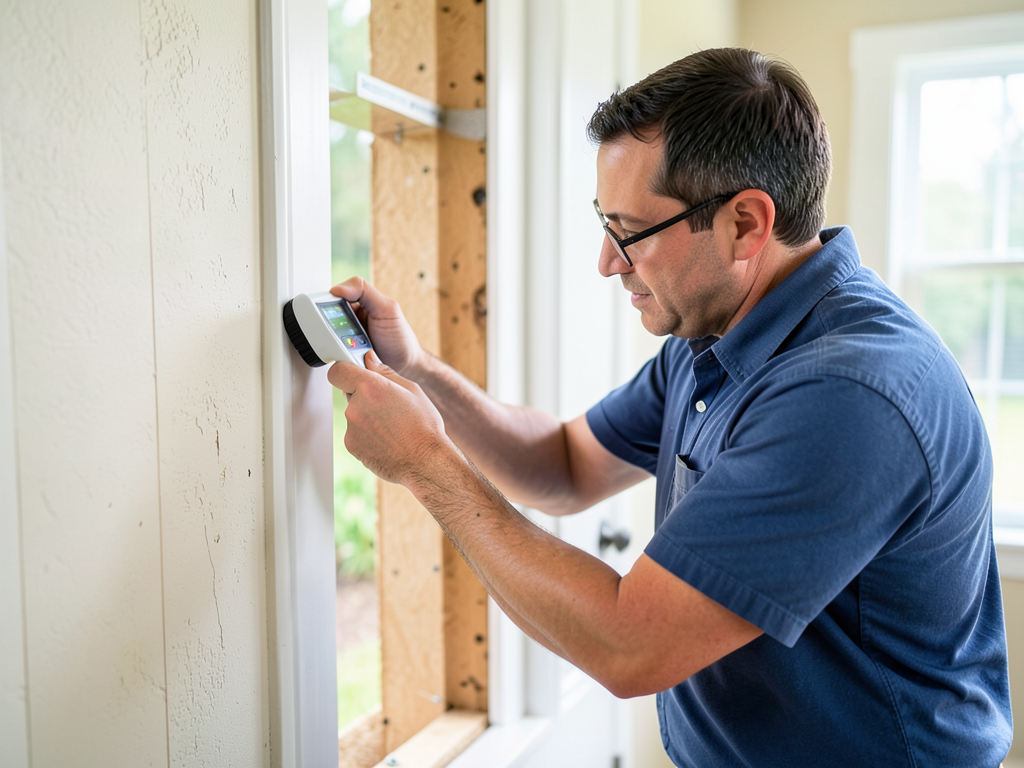
A Raleigh Homeowner Checklist for Preventing Leaks While Your House Is on the Market A small water stain on a ceiling can kill a home sale in Raleigh. Buyers today are trained to walk away…
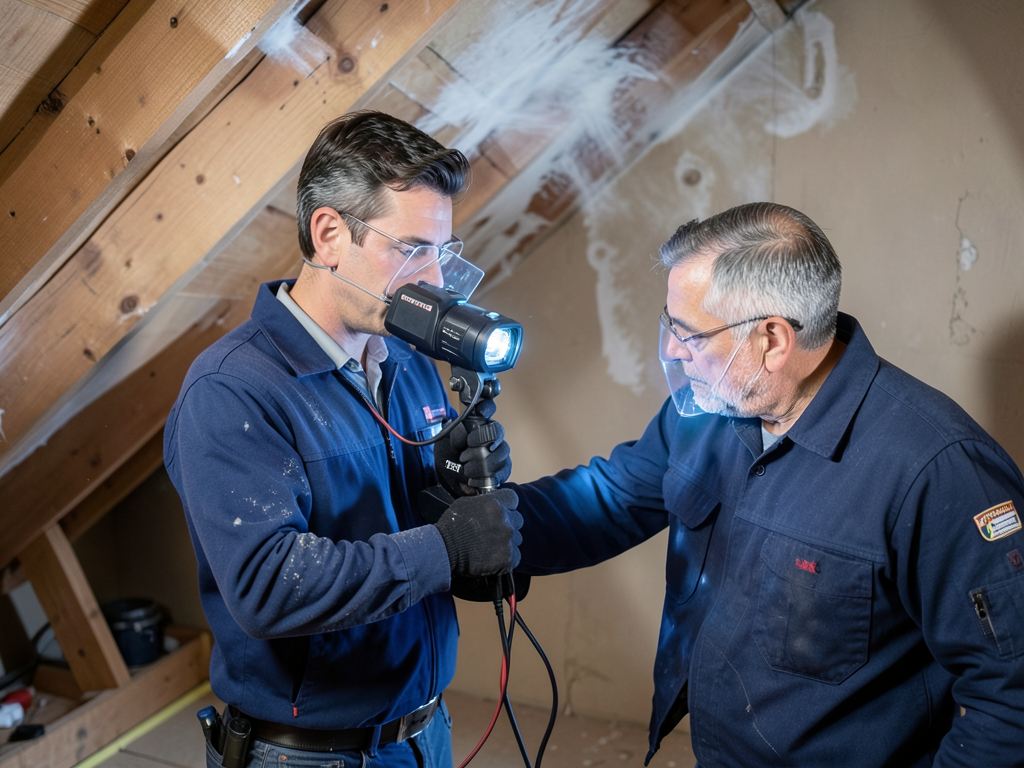
Why Your Umstead Attic Is Dripping Even When It Is Not Raining Water dripping from…
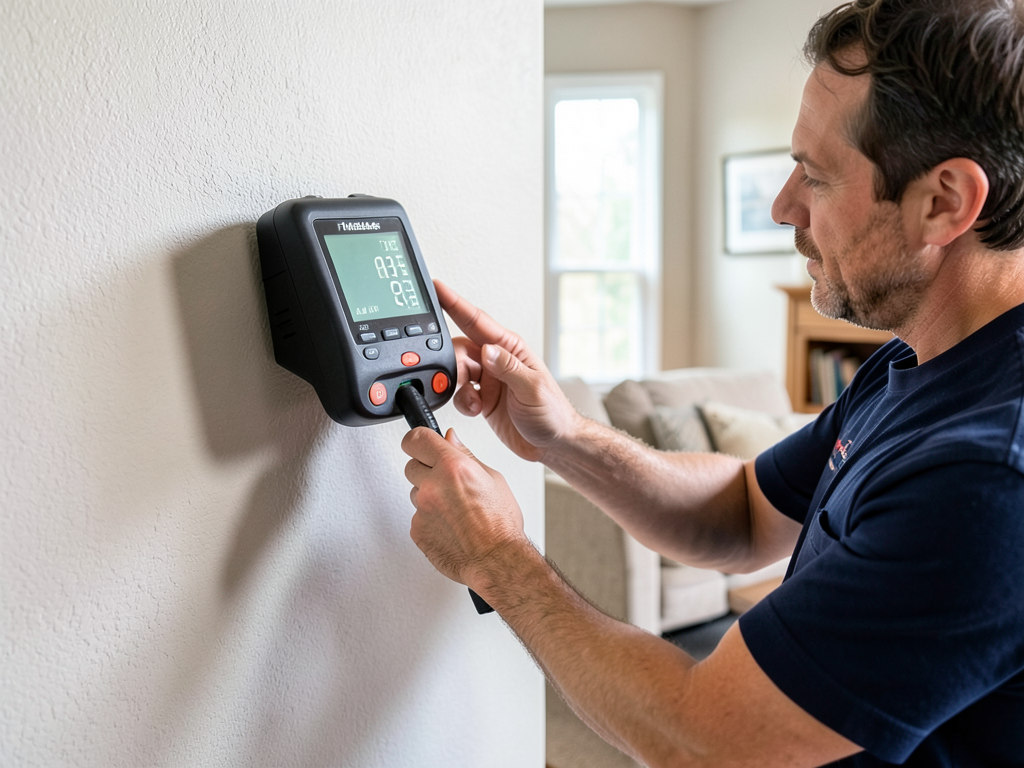
How to Use a Moisture Meter to Check for Hidden Water in Your Walls Finding…
Why Your Fridge Ice Maker Is Leaking Behind the Wall in Your Meredith Woods Kitchen…
Don't wait while water spreads through your property. Call Silverline Water Damage Restoration Raleigh now at (984) 294-5900 for emergency response within 60 minutes. We're standing by 24/7 with crews, equipment, and expertise to stop damage and start drying your Apex property immediately.