
A Raleigh Homeowner Checklist for Preventing Leaks While Your House Is on the Market
A small water stain on a ceiling can kill a home sale in Raleigh. Buyers today are trained to walk away from properties with moisture issues. In a market where timing and perception matter, a single undetected leak can erase months of preparation. This checklist helps you identify and address water risks before a buyer’s home inspector finds them first. How to Choose the Best Water Restoration Company in Cary Without Getting Ripped Off.
Raleigh’s combination of high humidity, aging infrastructure, and seasonal storms creates conditions where leaks often develop in predictable places. Pipes under pressure from foundation movement, roof flashing weakened by sun exposure, and crawl space moisture buildup are common culprits. Left unchecked, these issues can trigger costly repairs, mold remediation, and failed inspections that delay or derail closing. High Indoor Humidity Levels.
The good news is that most water damage risks can be prevented with targeted inspection and maintenance. This guide covers the most vulnerable areas in Raleigh homes, the warning signs to watch for, and when to call a professional before listing your property. Who to Call for Emergency Water Damage in Downtown Raleigh at 3 AM.
Why Raleigh Homes Are Prone to Hidden Leaks
Raleigh’s climate and building stock create a perfect storm for water intrusion. Summer humidity levels often exceed 80 percent, which keeps building materials damp and encourages microbial growth. When temperatures drop below freezing, as they occasionally do in January and February, copper and galvanized pipes can burst if not properly insulated. Water Damage Restoration Cary.
Older neighborhoods inside the Beltline, such as Five Points and Hayes Barton, were built with cast iron drain lines and clay sewer pipes that degrade over time. These materials are susceptible to root intrusion and corrosion, especially in the clay-heavy soils common in Wake County. Homes in newer developments like North Hills and Brier Creek often have PEX plumbing, which resists freezing but can fail at connection points if not installed to code. North Carolina Real Estate Commission.
Stormwater runoff is another major factor. Raleigh’s building code requires proper grading and drainage, but many homes were built before those rules took effect. Poor drainage near the foundation can cause hydrostatic pressure that forces water through basement walls or crawl space vents.
Essential Leak Prevention Checklist for Sellers
Before listing your home, walk through each area of the property and inspect for signs of moisture or water damage. Use this checklist to guide your review.
Roof and Attic
- Check for missing or damaged shingles, especially after high wind events
- Inspect flashing around chimneys, skylights, and vents for cracks or gaps
- Look for dark spots or sagging in the attic ceiling, which may indicate active leaks
- Test attic ventilation to ensure moisture is not trapped
Plumbing System
- Examine visible pipes under sinks, in basements, and near water heaters for corrosion or drips
- Check water pressure; sudden drops can signal hidden leaks
- Inspect washing machine hoses for bulges or cracks
- Look for water stains on ceilings below bathrooms or kitchens
Crawl Space and Foundation
- Check for standing water, mud, or damp soil in the crawl space
- Inspect vapor barriers for tears or gaps
- Look for efflorescence (white mineral deposits) on foundation walls
- Test sump pump operation if one is installed
Windows and Doors
- Check caulking and weatherstripping for cracks or gaps
- Look for water stains or swelling around window sills
- Test door thresholds for proper sealing
Exterior Grading
- Ensure soil slopes away from the foundation at a minimum of 6 inches over 10 feet
- Check gutters and downspouts for clogs or damage
- Verify downspouts extend at least 5 feet from the foundation
Common Warning Signs Buyers Notice First
Buyers and their inspectors are trained to spot subtle signs of past or active water damage. These red flags can trigger immediate concerns:
- Musty odors in basements, closets, or near plumbing fixtures
- Discoloration on walls, ceilings, or baseboards
- Bubbling or peeling paint, especially near windows or doors
- Soft or spongy flooring near sinks, tubs, or dishwashers
- Visible mold growth in corners, grout lines, or on window frames
If any of these signs are present, address them before listing. Buyers will often request a professional inspection, and unresolved issues can lead to price reductions or repair demands that delay closing.
When to Call a Professional
Some water issues require specialized equipment and training to diagnose and repair. Call a licensed water damage restoration professional if you notice:
- Persistent musty odors that do not go away with cleaning
- Water stains that reappear after repainting
- High humidity readings in basements or crawl spaces
- Visible mold growth covering more than 10 square feet
- Suspected plumbing leaks inside walls or under slabs
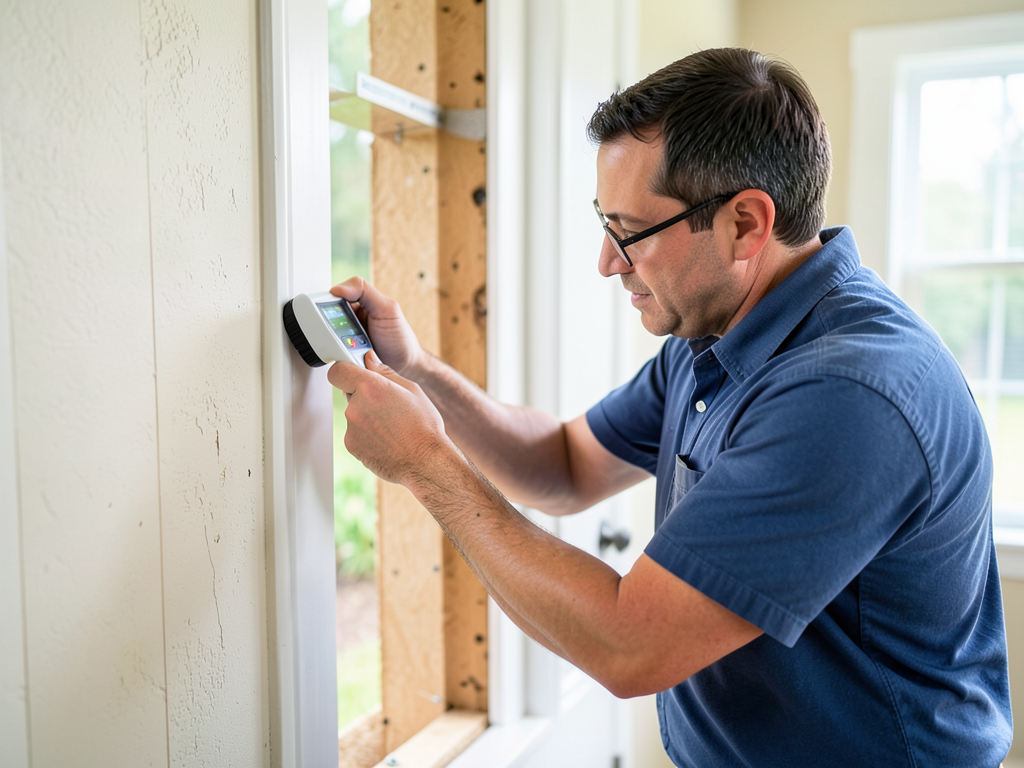
Professionals use moisture meters, thermal imaging, and hygrometers to detect hidden problems. They also follow IICRC S500 standards for water damage restoration, which ensures proper drying and prevents secondary damage like mold growth. IICRC S500 Standards.
Cost-Effective Repairs That Protect Your Sale
Not every leak requires a full-scale restoration. Many issues can be resolved quickly and affordably:
- Replacing damaged roof shingles or resealing flashing
- Fixing minor plumbing leaks with epoxy or replacement fittings
- Cleaning and repairing gutters and downspouts
- Installing or repairing vapor barriers in crawl spaces
- Sealing foundation cracks with hydraulic cement
These repairs typically cost between $200 and $1,500, depending on the scope. Compare that to the potential loss in sale price or the cost of concessions if a buyer discovers the problem during inspection.
Documentation for Buyers
Once repairs are complete, provide documentation to potential buyers. This can include:
- Photos of repaired areas before and after work
- Invoices from licensed contractors
- Moisture readings showing dry conditions
- Warranty information for replaced materials or systems
Transparency builds trust. Buyers are more likely to move forward if they see that issues were professionally addressed rather than hidden.
Final Walk-Through Before Listing
Before your first showing, do a final inspection using this quick checklist:
- Run all plumbing fixtures and check for leaks under sinks
- Flush all toilets and listen for running water
- Check water heater for signs of rust or pooling water
- Inspect attic and crawl space for new moisture or odors
- Walk the exterior and check for new drainage issues after rain
If everything checks out, you are ready to list with confidence. If you find new issues, address them immediately to avoid surprises during the buyer’s inspection period.
Protect Your Sale with Professional Help
Water damage can derail a home sale before it even gets to the negotiation table. In Raleigh’s competitive market, buyers expect move-in ready homes with no hidden problems. A small leak today can become a deal-breaker tomorrow.
If you suspect a problem or want peace of mind before listing, call (984) 294-5900 for a professional moisture inspection. Our team serves Raleigh, Cary, Apex, Garner, and surrounding areas with fast response and certified restoration services. We help you fix problems before they cost you the sale.
Don’t let a hidden leak cost you thousands. Call (984) 294-5900 today to schedule your inspection.
Frequently Asked Questions
How do I know if a leak is active or just a past stain?
Touch the area to see if it is damp. Use a moisture meter if available. Active leaks will feel wet and may have a musty odor. Past stains are usually dry and may be discolored but not damp to the touch.
Can I sell a house with known water damage in North Carolina?
Yes, but you must disclose it on the North Carolina Residential Property Disclosure Statement. Failure to disclose can lead to legal issues after the sale. Some buyers may still purchase with a price adjustment or repair escrow.
How long does a professional moisture inspection take?
Most inspections take 1 to 2 hours for an average-sized home. The technician will check all accessible areas and provide a written report with findings and recommendations. Finding Reliable 24 Hour Water Damage Restoration in Wake Forest.
Will insurance cover water damage repairs before I sell?
It depends on your policy and the cause of the damage. Sudden events like burst pipes are often covered, but gradual leaks or maintenance issues are usually not. Check with your insurance provider before scheduling repairs.