


Morrisville sits in the humid subtropical zone where summer humidity reaches 75 percent and afternoon thunderstorms drop two inches of rain in under an hour. The clay-heavy Carolina soil around neighborhoods like Breckinridge and Church Street swells when saturated, pushing groundwater against foundation walls and into crawlspaces. Older homes near Crabtree Creek face repetitive flood risk during tropical systems, while newer construction around Shiloh and Morrisville Carpenter Road often has inadequate vapor barriers that trap moisture in wall cavities.
The Triangle's temperature swings create condensation inside attics and ductwork, feeding mold growth within 48 hours of water intrusion. Most homeowners don't realize that drywall acts like a sponge, wicking water horizontally across studs and insulation long after the visible puddle disappears. Without immediate extraction and dehumidification, a small leak from a failed washing machine hose or roof flashing becomes a $15,000 remediation project involving wall removal and structural drying. Morrisville's proximity to RDU Airport and Research Triangle Park means many properties sit empty during business travel, allowing slow leaks to cause catastrophic damage before discovery.
Silverline Water Damage Restoration Raleigh operates with IICRC-certified technicians who carry thermal imaging cameras, moisture meters, and truck-mounted extraction units to every Morrisville job. We don't subcontract your emergency to untrained crews. Every technician completes ongoing education in psychrometry, antimicrobial application, and structural drying science because water damage mitigation is technical work that requires understanding vapor pressure, dew point, and material porosity.
Our dispatch center takes calls 24 hours a day and coordinates directly with Morrisville Fire Department when properties need emergency board-up after storm damage or burst pipes. We maintain relationships with local plumbers and electricians to address source problems immediately rather than just cleaning up the symptom. Insurance companies trust our documentation because we photograph every phase, log moisture readings twice daily, and provide detailed estimates that align with Xactimate pricing software used by major carriers.
Most restoration companies show up with shop vacs and fans. We bring commercial dehumidifiers rated for North Carolina humidity, air movers positioned using computational fluid dynamics, and hydroxyl generators that eliminate odor at the molecular level without ozone damage to electronics. We pull baseboards, drill weep holes, and remove wet insulation rather than hoping it dries in place. Corners don't get cut because structural drying done wrong creates mold farms inside your walls that cost triple to fix six months later. Morrisville families choose Silverline because we prioritize thoroughness over speed and document every decision for insurance and resale transparency.

Water spreads six feet per hour across flooring and into wall cavities. Our Morrisville response trucks carry extraction equipment, moisture detection tools, and containment barriers to stop damage progression within the first hour. Every minute counts when your home is flooding.

We communicate directly with your insurance adjuster, provide detailed photo documentation, and submit estimates using carrier-approved software. Most Morrisville clients pay only their deductible because we handle the paperwork, follow-up, and supplement negotiations from start to finish.
Every crew member holds Water Restoration Technician certification and completes continuing education in structural drying, microbial remediation, and applied psychrometry. We use science-based drying protocols with daily moisture mapping, not guesswork with fans pointed at wet carpet.
We understand how Triangle humidity affects drying times, which Morrisville neighborhoods face drainage problems, and how local construction methods respond to water intrusion. Clay soil, crawlspace design, and seasonal condensation require regional knowledge, not generic cleanup procedures.
Water damage restoration involves coordinated phases that must happen in sequence to prevent secondary damage and health hazards. Silverline handles emergency water extraction, structural drying, content restoration, antimicrobial treatment, reconstruction, and final clearance testing under one roof. You work with a single point of contact rather than coordinating between a cleanup crew, a mold company, and a contractor.
Our service range covers everything from Category 1 clean water removal after supply line failures to Category 3 contaminated water cleanup following sewage backups or flood events. We extract standing water, remove damaged materials that can't be salvaged, dry structural components to industry moisture standards, treat affected areas with EPA-registered antimicrobials, and rebuild your space to match existing finishes. Morrisville homeowners receive detailed moisture logs, thermal imaging reports, and air quality test results documenting that your property is truly dry and safe, not just visually acceptable.
Truck-mounted extractors remove standing water within minutes of arrival at your Morrisville property. We contain the affected area with plastic sheeting and negative air pressure to prevent water migration into unaffected rooms. Furniture gets blocked up on foam supports, carpets receive pad extraction, and hardwood floors get mat drying systems to pull moisture without refinishing. This first response determines whether you face minor repairs or major reconstruction.
Dehumidifiers and air movers run continuously while technicians monitor moisture levels in framing, drywall, and subfloors twice daily using penetrating moisture meters. We remove baseboards to dry wall cavities, inject heated air behind cabinets, and document moisture reduction curves to prove materials reach equilibrium moisture content. North Carolina humidity makes structural drying complex, not something accomplished with box fans from the hardware store.
When water sits for more than 48 hours or hidden leaks go undetected, mold colonizes drywall, insulation, and framing. We contain affected areas with HEPA-filtered negative air machines, remove contaminated materials following EPA protocols, treat structural components with antimicrobial solutions, and verify clearance with post-remediation air sampling. Proper mold remediation protects your family's respiratory health and prevents tens of thousands in future damage.
Morrisville properties face water intrusion from multiple sources throughout the year. Summer thunderstorms overwhelm gutters and expose roof penetration failures. Winter freeze-thaw cycles crack exterior faucets and irrigation lines. Spring pollen clogs condensate drains on HVAC systems. The clay soil around Church Street and Breckinridge expands during wet periods, cracking foundation walls and allowing groundwater seepage.
Homes built before 2000 often have galvanized supply lines nearing end-of-life, polybutylene pipes prone to sudden failure, or inadequate flashing around chimneys and skylights. Newer construction near Morrisville Parkway sometimes has improperly installed vapor barriers that trap condensation inside wall assemblies. Washing machine hoses fail without warning. Water heaters leak from corroded tanks. Dishwashers overflow from clogged drains. Each scenario requires different extraction methods, drying strategies, and repair approaches based on water category, affected materials, and contamination level.
Triangle thunderstorms drop intense rainfall that exposes compromised roof shingles, failed flashing, and clogged gutters. Water enters attics, saturates insulation, and drips into living spaces, often going unnoticed until ceiling stains appear. Roof leaks require immediate tarping, attic drying, and insulation replacement to prevent mold growth in confined spaces.
Supply line failures flood homes with hundreds of gallons before shutoff valves get closed. Washing machine hoses rupture during spin cycles. Toilet supply lines crack. Dishwasher connections fail. Each scenario requires fast extraction because clean water becomes contaminated within hours as it spreads across flooring and into cabinetry, turning a simple cleanup into demolition.
Morrisville's older neighborhoods experience sewer line backups when tree roots infiltrate clay pipes or when municipal systems surcharge during heavy rain. Category 3 contaminated water contains pathogens requiring specialized cleanup with antimicrobial treatment, protective equipment, and disposal protocols. Sewage cleanup is health-critical work that homeowners should never attempt themselves.
Slow leaks behind refrigerators, under sinks, or inside wall cavities cause extensive damage before discovery. Condensation from HVAC ducts saturates insulation. Foundation cracks allow groundwater seepage into crawlspaces. These hidden problems create mold farms and structural rot requiring thermal imaging and moisture mapping to locate, then invasive demolition to access and dry.
Water damage creates panic. Your home is flooding, possessions are soaking, and you need help immediately. Silverline's dispatch process is designed to stop your panic and start the solution. When you call, a trained coordinator asks targeted questions about water source, affected area, and immediate safety concerns. We dispatch a crew to your Morrisville property within 60 minutes while simultaneously contacting your insurance carrier to open the claim.
Our technicians arrive with truck-mounted extraction equipment, moisture detection tools, and containment supplies. The crew chief walks your property, explains what happened and why, identifies all affected areas including hidden moisture, and provides a detailed scope of work before starting. You receive a written estimate, moisture map, and timeline. No surprises. No upselling. No pressure. We focus on stopping damage progression immediately, then creating a complete restoration plan that your insurance will cover. Throughout the drying process, technicians document moisture levels daily and explain what the readings mean. You stay informed at every phase.
Our crew arrives at your Morrisville property within 60 minutes of your call with extraction equipment already loaded. The crew chief performs a complete assessment using thermal imaging and moisture meters to locate all affected areas, including hidden moisture behind walls and under flooring. You receive a detailed explanation of what happened, what's damaged, what can be saved, and what requires replacement before any work begins.
We photograph every phase, log moisture readings twice daily, and provide copies of all documentation for your records. Technicians explain what equipment is running and why, how long drying will take, and what the moisture meter readings indicate. Your insurance adjuster receives detailed reports with photo evidence, equipment logs, and industry-standard estimates. No confusion about what's covered or why specific procedures are necessary.
Drying continues until moisture meters confirm that framing, subfloors, and wall cavities reach equilibrium moisture content matching unaffected areas. We provide final thermal imaging reports and moisture logs proving your property is completely dry, not just visually acceptable. Reconstruction matches existing finishes and building codes. You receive clearance documentation suitable for insurance, resale, or personal peace of mind.
Water damage restoration follows industry protocols designed to prevent secondary damage and health hazards. We start with containment and extraction, progress through structural drying, and finish with reconstruction and clearance verification.
Truck-mounted extractors remove standing water immediately upon arrival at your Morrisville property. We contain affected areas with plastic sheeting barriers and establish negative air pressure to prevent moisture migration into unaffected rooms. Furniture gets protected, valuable contents get moved to dry areas, and wet materials that can't be saved get documented and removed. This first phase stops damage from spreading while we develop the complete drying plan.
Commercial dehumidifiers and air movers run continuously while IICRC-certified technicians monitor moisture levels in walls, floors, and framing twice daily. We remove baseboards to access wall cavities, drill weep holes for drainage, and position equipment using airflow calculations specific to your floor plan and material types. Drying continues until moisture meters confirm all building materials reach equilibrium moisture content. North Carolina humidity requires scientific drying protocols, not guesswork.
Once structural drying is verified complete, we treat affected areas with EPA-registered antimicrobials and begin reconstruction. Drywall, flooring, baseboards, and trim get replaced to match existing finishes. Final thermal imaging and moisture mapping confirm your property is completely restored to pre-loss condition. You receive documentation packages including before and after photos, equipment logs, moisture reduction curves, and clearance reports suitable for insurance and resale disclosure.
Water damage restoration is engineering work governed by standards from the Institute of Inspection, Cleaning and Restoration Certification. IICRC S500 Standard defines water damage categories, restoration procedures, and psychrometric principles that determine drying strategies. Category 1 water originates from sanitary sources like supply lines and poses minimal health risk if extracted immediately. Category 2 water contains contamination from appliances, toilet overflow without feces, or aquarium leaks and requires antimicrobial treatment. Category 3 water is grossly contaminated from sewage backups, flooding from rivers or storm surge, and rising groundwater, mandating disposal of porous materials that contacted the water.
North Carolina's humid subtropical climate complicates structural drying because ambient humidity often exceeds 70 percent during summer months. Effective drying requires dehumidifiers to maintain vapor pressure differentials that pull moisture from saturated materials into the air, where it gets condensed and drained. Psychrometric calculations determine equipment placement, runtime, and the specific drying chambers needed to achieve complete moisture removal. Thermal imaging reveals temperature differentials that indicate hidden moisture behind walls, under flooring, and inside ceiling assemblies.
Material porosity determines salvageability. Drywall, insulation, and carpet padding are porous materials that wick contaminated water and cannot be effectively sanitized, requiring removal and replacement. Framing lumber and subflooring are semi-porous materials that can be dried and treated if extraction happens within 48 hours. Hardwood flooring requires specialty mat drying systems that extract moisture without causing cupping or finish damage. These distinctions between materials require technical knowledge, not just industrial fans and hope.
The S500 Standard establishes moisture measurement protocols, equipment placement guidelines, and documentation requirements for water damage restoration. Technicians must monitor temperature, relative humidity, and material moisture content twice daily, calculating drying progress using psychrometric charts. Drying is complete when affected materials reach equilibrium moisture content matching unaffected reference areas.
Category 1 clean water becomes Category 2 within hours as it contacts building materials and surfaces. Category 3 contaminated water requires disposal of all porous materials that contacted the water, treatment of semi-porous materials with antimicrobials, and cleaning of non-porous surfaces. Insurance carriers pay different rates for each category because scope of work and health risk increase substantially.
Structural drying in North Carolina requires three to seven days depending on affected materials, water category, and ambient humidity. Hardwood flooring takes longer than carpet. Plaster walls require more time than drywall. Summer humidity extends timelines. Any company promising 24-hour drying is either lying about completion or using insufficient equipment that guarantees mold growth.
North Carolina homeowner policies cover sudden and accidental water damage but exclude flood, surface water, and maintenance-related failures. Carriers require photo documentation, moisture logs, and detailed estimates matching Xactimate pricing. Proper documentation from IICRC-certified technicians prevents claim denials and ensures you receive full replacement cost coverage rather than depreciated actual cash value.
Professional water damage restoration process for Morrisville NC properties. Explains emergency water extraction, structural drying protocols, IICRC standards, moisture detection methods, and insurance coordination for flood cleanup, burst pipes, and storm damage. Covers water damage categories, drying timelines for North Carolina humidity, and restoration procedures that prevent mold growth in Triangle area homes.
Silverline Water Damage Restoration Raleigh maintains emergency response coverage throughout Morrisville, from established neighborhoods near Morrisville Elementary School and Shiloh to newer developments around Morrisville Parkway and McCrimmon Parkway. We respond to water damage calls in the historic Church Street corridor, the Breckinridge community near Town Hall, and residential areas surrounding Crabtree Creek Greenway. Properties near the Aviation Parkway corridor and Research Triangle Park receive the same 60-minute response time as homes in central Morrisville.
Our service area extends to adjacent communities including Cary to the south, Raleigh to the north and east, and Durham to the northwest. We understand the geographic variations across Wake County that affect water damage patterns. Homes near Crabtree Creek face higher flood risk during tropical weather systems. Properties built on the clay soils common to the Triangle experience foundation settling and crack development that allow groundwater intrusion. Neighborhoods with mature tree canopies see more roof damage from falling branches and clogged gutters filled with leaf debris.
The Town of Morrisville has grown rapidly over the past two decades, with new construction concentrated around Davis Drive, Chapel Hill Road, and the areas near RDU Airport. These newer homes often have modern drainage systems and vapor barriers, but construction defects during the building boom sometimes create moisture problems that don't appear until years after closing. Older properties near the historic town center face aging plumbing infrastructure, outdated electrical systems, and roof assemblies approaching replacement age. Each area of Morrisville presents distinct water damage challenges based on construction era, soil conditions, drainage patterns, and tree coverage. We respond to all of them with the same equipment, training, and urgency regardless of ZIP code or neighborhood.
Water damage restoration timelines depend on the severity of damage to your Morrisville property. Minor water damage from a small leak takes 3-5 days to complete. Moderate damage from burst pipes or appliance failures requires 5-7 days. Severe flooding or extensive damage takes 1-3 weeks. The restoration process includes water extraction, drying, dehumidification, and repairs. Weather conditions in Morrisville affect drying times. Humidity and temperature impact how quickly materials dry. Your restoration company provides a detailed timeline after inspecting your property. They adjust the schedule based on moisture readings and progress throughout the project.
Water damage restoration expenses in Morrisville vary based on multiple factors. The extent of damage affects pricing. A small bathroom leak requires less work than whole-house flooding. The water category matters. Clean water from supply lines differs from contaminated water requiring special handling. Square footage of affected areas impacts the total. Materials needing replacement add to expenses. Your specific situation determines final pricing. Restoration companies provide free inspections and detailed estimates. Get multiple quotes to compare services. Your insurance coverage often reduces out-of-pocket expenses significantly. Contact local restoration professionals for accurate pricing specific to your property.
Most Morrisville homeowners insurance policies cover sudden and accidental water damage. Burst pipes, appliance malfunctions, and roof leaks typically qualify for coverage. Your policy excludes flood damage, requiring separate flood insurance. Gradual damage from poor maintenance gets denied. Insurance companies review the cause of damage before approving claims. Review your policy details to understand your coverage limits and deductibles. Document everything with photos and videos. Contact your insurance agent immediately after discovering water damage. Restoration companies work directly with adjusters to streamline the claims process. Keep all receipts and communication records for your claim file.
Water damage restoration timelines depend on the severity of damage to your Morrisville property. Minor water damage from a small leak takes 3-5 days to complete. Moderate damage from burst pipes or appliance failures requires 5-7 days. Severe flooding or extensive damage takes 1-3 weeks. The restoration process includes water extraction, drying, dehumidification, and repairs. Weather conditions in Morrisville affect drying times. Humidity and temperature impact how quickly materials dry. Your restoration company provides a detailed timeline after inspecting your property. They adjust the schedule based on moisture readings and progress throughout the project.
Water damage restoration expenses in Morrisville vary based on multiple factors. The extent of damage affects pricing. A small bathroom leak requires less work than whole-house flooding. The water category matters. Clean water from supply lines differs from contaminated water requiring special handling. Square footage of affected areas impacts the total. Materials needing replacement add to expenses. Your specific situation determines final pricing. Restoration companies provide free inspections and detailed estimates. Get multiple quotes to compare services. Your insurance coverage often reduces out-of-pocket expenses significantly. Contact local restoration professionals for accurate pricing specific to your property.
Most Morrisville homeowners insurance policies cover sudden and accidental water damage. Burst pipes, appliance malfunctions, and roof leaks typically qualify for coverage. Your policy excludes flood damage, requiring separate flood insurance. Gradual damage from poor maintenance gets denied. Insurance companies review the cause of damage before approving claims. Review your policy details to understand your coverage limits and deductibles. Document everything with photos and videos. Contact your insurance agent immediately after discovering water damage. Restoration companies work directly with adjusters to streamline the claims process. Keep all receipts and communication records for your claim file.
Call for emergency water damage restoration immediately when you face active flooding or standing water. Burst pipes, severe roof leaks, and appliance failures require urgent response. Water spreading rapidly throughout your Morrisville home needs immediate attention. You smell mold or notice visible growth. Ceilings sag or walls bulge from water accumulation. Electrical outlets or fixtures get exposed to water, creating safety hazards. Water damage worsens every hour you wait. Mold grows within 24-48 hours of water exposure. Quick action prevents structural damage and reduces restoration expenses. Trust your instincts when water threatens your property.
Staying home during water damage restoration depends on the damage severity and affected areas. Minor repairs in one room allow you to remain in unaffected spaces. Extensive damage requiring whole-house drying makes staying uncomfortable. Loud equipment runs 24/7 during the drying process. Air movers and dehumidifiers create noise and limit room access. Contaminated water from sewage backups requires immediate evacuation for health safety. Your restoration company assesses safety concerns and provides recommendations. Some Morrisville homeowners stay with family or in hotels during major restorations. Insurance policies often cover temporary housing expenses for severe damage situations.
Water damage restoration encompasses the complete process of returning your property to pre-loss condition. It includes emergency water removal, structural drying, dehumidification, antimicrobial treatments, and full reconstruction. Restoration companies handle everything from initial response through final repairs. Water damage repair refers specifically to fixing damaged materials and surfaces. Repairs include replacing drywall, flooring, and trim after drying completes. Restoration takes a comprehensive approach to your entire property. Repair focuses on individual components. Professional restoration companies in Morrisville provide both services. They dry your structure properly before starting repair work to prevent future mold and structural problems.
Contact a water damage restoration company within the first hour of discovering water damage. Every minute counts when water invades your Morrisville home. Water spreads quickly through flooring, walls, and furnishings. Porous materials absorb moisture rapidly, making drying more difficult. Mold spores begin growing within 24 hours of water exposure. Structural damage worsens as materials stay wet longer. Quick response reduces total restoration time and expenses. Professional teams arrive quickly to extract water and start drying. Even after stopping the water source yourself, hidden moisture continues causing damage. Immediate professional assessment prevents long-term problems and protects your property value.
Professional water damage restoration companies in Morrisville work directly with insurance adjusters throughout the claims process. They document damage with photos, moisture readings, and detailed reports. Restoration teams provide estimates and scope documents adjusters need for claim approval. They communicate progress and any additional damage discovered during restoration. Companies familiar with insurance procedures help expedite your claim. They understand what documentation insurers require. Some restoration companies bill insurance directly after you pay your deductible. This coordination reduces stress during an already difficult situation. Choose a company with proven insurance claim experience for smoother processing.
Morrisville water damage restoration companies use professional-grade equipment to dry your property thoroughly. Industrial air movers create airflow across wet surfaces, accelerating evaporation. Commercial dehumidifiers remove moisture from the air, preventing condensation. Moisture meters and thermal imaging cameras detect hidden water in walls and floors. Extractors remove standing water quickly from carpets and flooring. Air scrubbers filter airborne contaminants and reduce odors. Specialized drying equipment targets hardwood floors and other sensitive materials. Professional equipment works faster and more effectively than household fans and dehumidifiers. Technicians monitor moisture levels daily, adjusting equipment placement for optimal drying results.
Choose a water damage restoration company in Morrisville with rapid emergency response times. Look for 24/7 availability and local presence. Verify they have proper training certifications from industry organizations. Check online reviews and ask neighbors for recommendations. Select companies with experience handling insurance claims. Ask about their equipment and drying methods. Request references from recent Morrisville customers. Compare detailed written estimates from multiple companies. Ensure they provide comprehensive services from extraction through final repairs. Choose a company with a proven track record in your area. Local companies understand Morrisville building codes and common regional water damage issues.
Call for emergency water damage restoration immediately when you face active flooding or standing water. Burst pipes, severe roof leaks, and appliance failures require urgent response. Water spreading rapidly throughout your Morrisville home needs immediate attention. You smell mold or notice visible growth. Ceilings sag or walls bulge from water accumulation. Electrical outlets or fixtures get exposed to water, creating safety hazards. Water damage worsens every hour you wait. Mold grows within 24-48 hours of water exposure. Quick action prevents structural damage and reduces restoration expenses. Trust your instincts when water threatens your property.
Staying home during water damage restoration depends on the damage severity and affected areas. Minor repairs in one room allow you to remain in unaffected spaces. Extensive damage requiring whole-house drying makes staying uncomfortable. Loud equipment runs 24/7 during the drying process. Air movers and dehumidifiers create noise and limit room access. Contaminated water from sewage backups requires immediate evacuation for health safety. Your restoration company assesses safety concerns and provides recommendations. Some Morrisville homeowners stay with family or in hotels during major restorations. Insurance policies often cover temporary housing expenses for severe damage situations.
Water damage restoration encompasses the complete process of returning your property to pre-loss condition. It includes emergency water removal, structural drying, dehumidification, antimicrobial treatments, and full reconstruction. Restoration companies handle everything from initial response through final repairs. Water damage repair refers specifically to fixing damaged materials and surfaces. Repairs include replacing drywall, flooring, and trim after drying completes. Restoration takes a comprehensive approach to your entire property. Repair focuses on individual components. Professional restoration companies in Morrisville provide both services. They dry your structure properly before starting repair work to prevent future mold and structural problems.
Contact a water damage restoration company within the first hour of discovering water damage. Every minute counts when water invades your Morrisville home. Water spreads quickly through flooring, walls, and furnishings. Porous materials absorb moisture rapidly, making drying more difficult. Mold spores begin growing within 24 hours of water exposure. Structural damage worsens as materials stay wet longer. Quick response reduces total restoration time and expenses. Professional teams arrive quickly to extract water and start drying. Even after stopping the water source yourself, hidden moisture continues causing damage. Immediate professional assessment prevents long-term problems and protects your property value.
Professional water damage restoration companies in Morrisville work directly with insurance adjusters throughout the claims process. They document damage with photos, moisture readings, and detailed reports. Restoration teams provide estimates and scope documents adjusters need for claim approval. They communicate progress and any additional damage discovered during restoration. Companies familiar with insurance procedures help expedite your claim. They understand what documentation insurers require. Some restoration companies bill insurance directly after you pay your deductible. This coordination reduces stress during an already difficult situation. Choose a company with proven insurance claim experience for smoother processing.
Morrisville water damage restoration companies use professional-grade equipment to dry your property thoroughly. Industrial air movers create airflow across wet surfaces, accelerating evaporation. Commercial dehumidifiers remove moisture from the air, preventing condensation. Moisture meters and thermal imaging cameras detect hidden water in walls and floors. Extractors remove standing water quickly from carpets and flooring. Air scrubbers filter airborne contaminants and reduce odors. Specialized drying equipment targets hardwood floors and other sensitive materials. Professional equipment works faster and more effectively than household fans and dehumidifiers. Technicians monitor moisture levels daily, adjusting equipment placement for optimal drying results.
Choose a water damage restoration company in Morrisville with rapid emergency response times. Look for 24/7 availability and local presence. Verify they have proper training certifications from industry organizations. Check online reviews and ask neighbors for recommendations. Select companies with experience handling insurance claims. Ask about their equipment and drying methods. Request references from recent Morrisville customers. Compare detailed written estimates from multiple companies. Ensure they provide comprehensive services from extraction through final repairs. Choose a company with a proven track record in your area. Local companies understand Morrisville building codes and common regional water damage issues.
While based in Raleigh, Silverline proudly serves the surrounding areas, providing expert water damage restoration wherever you are. Our interactive map allows you to visualize our service radius and plan your visit, or simply understand our immediate response capabilities. We are dedicated to reaching you quickly, ensuring prompt and efficient service for your home or business, no matter your precise location within our service area, ready to assist.
Address:
Morrisville, NC, 27560
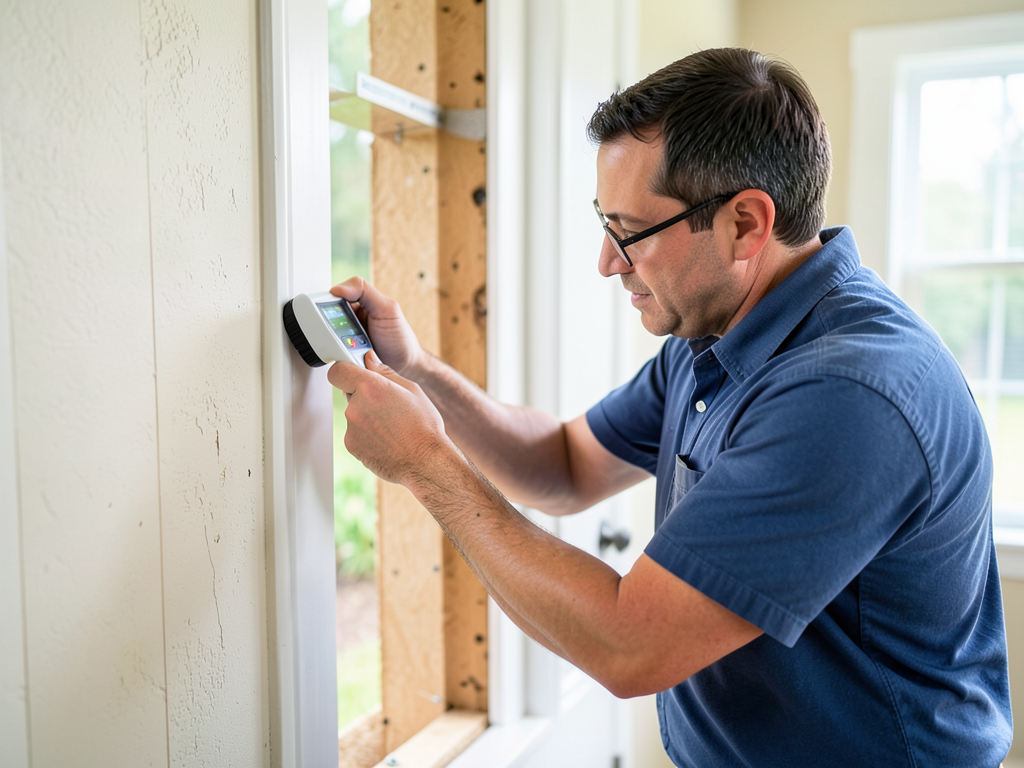
A Raleigh Homeowner Checklist for Preventing Leaks While Your House Is on the Market A small water stain on a ceiling can kill a home sale in Raleigh. Buyers today are trained to walk away…
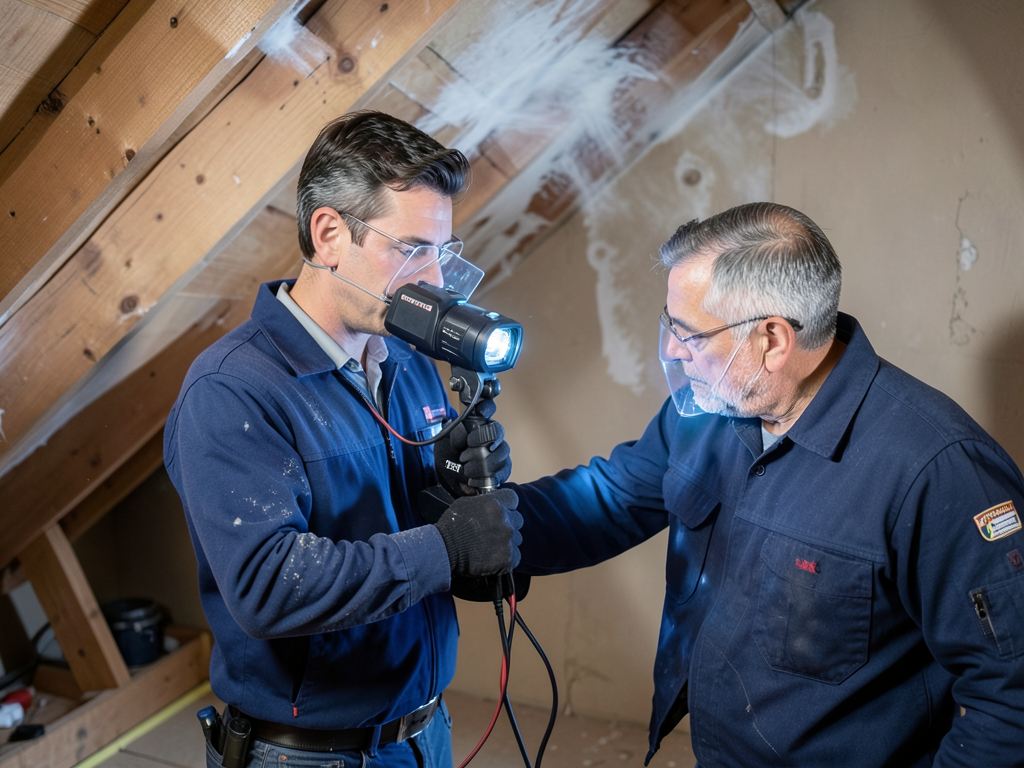
Why Your Umstead Attic Is Dripping Even When It Is Not Raining Water dripping from…
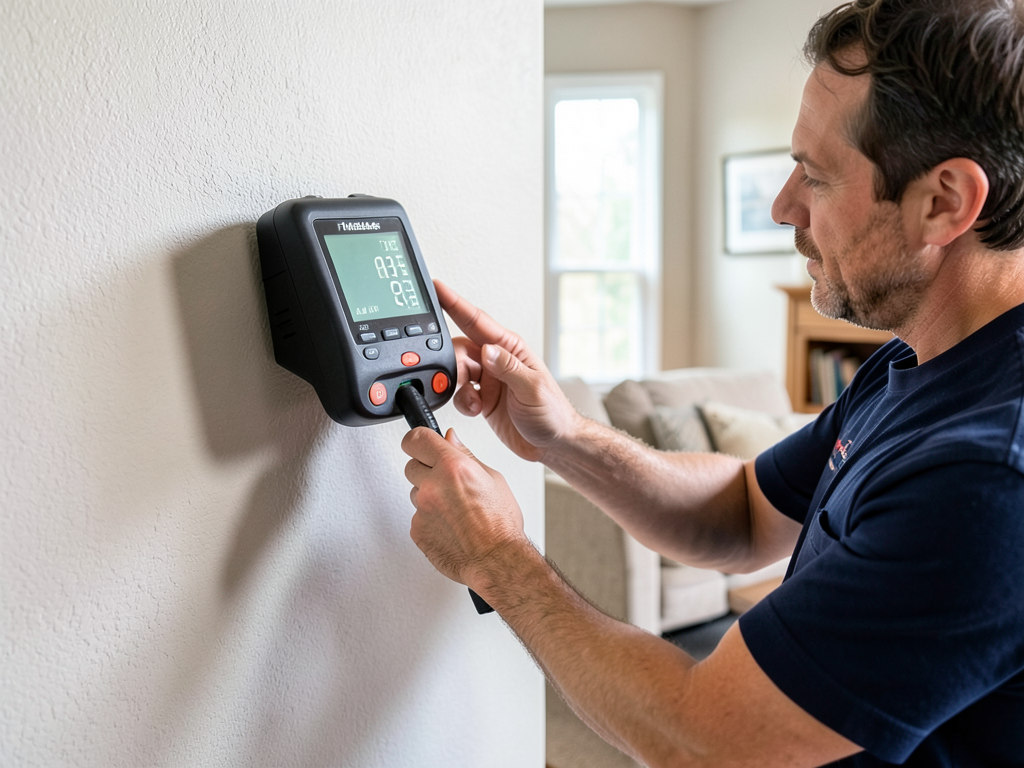
How to Use a Moisture Meter to Check for Hidden Water in Your Walls Finding…
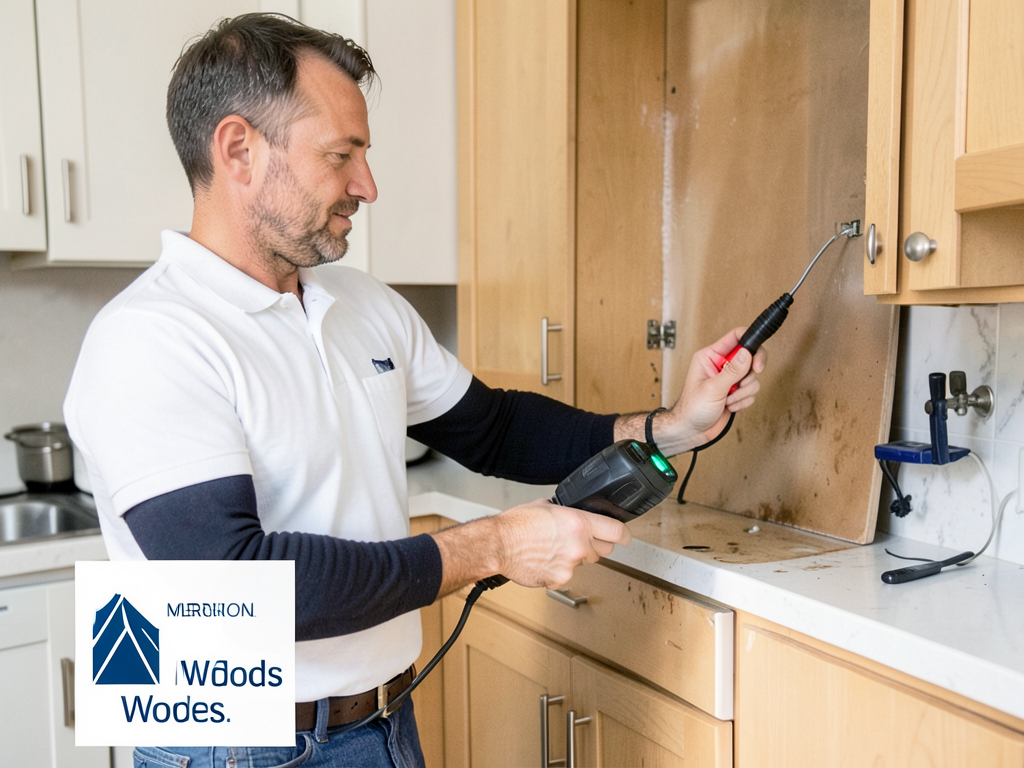
Why Your Fridge Ice Maker Is Leaking Behind the Wall in Your Meredith Woods Kitchen…
Water spreads fast and creates permanent damage within hours. Call Silverline Water Damage Restoration Raleigh now at (984) 294-5900 for 60-minute emergency dispatch to your Morrisville property. Our crews are standing by 24/7 with extraction equipment and insurance coordination ready to stop your damage immediately.