Menu

Sewage Backup Cleanup in Raleigh – 24/7 Emergency Response to Stop Contamination and Restore Safety

When raw sewage invades your property, every minute counts. Our certified teams deploy across Raleigh within 60 minutes to contain biohazards, extract contaminated water, and restore your space to safe, livable conditions.

Slider Image 1
Slider Image 2
Slider Image 3
Slider Image 4
Slider Image 5
Slider Image 7
Slider Image 8
Slider Image 9
Slider Image 10
Slider Image 11

Why Sewage Backups Hit Raleigh Properties Hard

Raleigh sits in the Atlantic Coastal Plain, where clay-heavy soil and seasonal flooding create the perfect storm for sewer line failures. When heavy rains saturate the ground, aging terra cotta pipes shift and crack. Tree roots from the mature oaks lining older neighborhoods like Oakwood and Mordecai invade lateral lines. Municipal sewer systems in areas near Crabtree Creek and Walnut Creek get overwhelmed during thunderstorms, forcing raw sewage back through floor drains and toilets.

A sewage backup is not a water damage problem. It is a biohazard crisis. Category 3 water contains bacteria, viruses, and parasites that pose immediate health risks. You cannot mop this up yourself. Porous materials like drywall, carpet padding, and insulation absorb fecal matter and pathogens within minutes. Without proper sewage removal protocols, you are left with hidden contamination that triggers respiratory illness, skin infections, and long-term mold colonization.

Raleigh's humid subtropical climate accelerates microbial growth. After sewage exposure, you have 24 to 48 hours before bacteria colonies explode and structural damage becomes irreversible. Sewage remediation requires EPA-registered disinfectants, negative air machines with HEPA filtration, and technicians trained in bloodborne pathogen safety. This is not a DIY scenario. This is a controlled decontamination operation.

If you smell sewage, see black water pooling, or notice wastewater backing up through drains, you need immediate sewage damage restoration. Do not wait for the problem to resolve itself. It will not.

Why Sewage Backups Hit Raleigh Properties Hard
How We Execute Safe, Compliant Sewage Remediation

How We Execute Safe, Compliant Sewage Remediation

We do not treat sewage backups like standard water damage. Our technicians arrive in full PPE, including Tyvek suits, nitrile gloves, and respirators rated for particulate and vapor protection. We establish containment zones using polyethylene sheeting and negative air pressure to prevent cross-contamination to unaffected areas.

Step one is source isolation. We identify whether the backup originated from a broken lateral line, a municipal main failure, or a septic system overflow. If tree roots have penetrated your sewer line, we coordinate with licensed plumbers to clear the blockage before extraction begins. If the city sewer system caused the backup, we document everything for your insurance claim and potential municipal liability.

Next comes extraction. We use truck-mounted extractors capable of handling solids and sludge, not shop vacs. Raw sewage cleanup requires equipment that can pull thick, contaminated slurry without clogging. We remove all standing water, then pull saturated materials. Carpet, padding, baseboards, and the bottom two feet of drywall get stripped and disposed of as biohazardous waste. We do not try to save porous materials exposed to Category 3 water. That is a liability.

After extraction, we apply antimicrobial treatments. We use hospital-grade disinfectants that kill E. coli, hepatitis A, and norovirus. Every surface gets scrubbed, treated, and verified clean. We then deploy air movers and dehumidifiers to dry structural cavities. Moisture meters confirm wood framing and subfloors return to normal levels before reconstruction begins.

Silverline Water Damage Restoration Raleigh follows IICRC S500 standards for sewage damage restoration. We document every phase with photo evidence, moisture readings, and microbial testing when required by insurers.

What Happens When You Call for Sewer Backup Cleaning

Sewage Backup Cleanup in Raleigh – 24/7 Emergency Response to Stop Contamination and Restore Safety
01

Immediate Containment and Assessment

We arrive on-site, establish containment barriers, and assess the contamination zone. Our lead technician inspects the source, measures affected square footage, and identifies compromised materials. We categorize the water as Category 3, document conditions for insurance, and create a scope of work. You receive a verbal walkthrough of what gets saved, what gets removed, and what safety protocols we will enforce throughout the project.
02

Extraction and Decontamination

We extract all sewage and contaminated water using industrial equipment, then remove affected materials like carpet, drywall, and insulation. Every hard surface gets scrubbed with EPA-registered antimicrobial agents. We treat subfloors, studs, and concrete slabs to kill pathogens. Air scrubbers with HEPA filters run continuously to capture airborne bacteria and odor molecules. This phase eliminates the immediate health threat and prepares the space for drying.
03

Structural Drying and Verification

We deploy commercial dehumidifiers and air movers to dry framing, subfloors, and wall cavities. Moisture meters and thermal imaging cameras track drying progress daily. Once all materials reach industry-standard moisture levels, we perform a final antimicrobial treatment and odor neutralization. You receive a certificate of completion with moisture logs and photos. Your space is safe, dry, and ready for reconstruction. We coordinate with your insurance adjuster to ensure full documentation for claim approval.

Why Raleigh Property Owners Trust Us for Sewage Emergencies

Sewage backups do not happen during business hours. They happen at 2 a.m. on Sunday. They happen when Crabtree Creek floods after a hurricane remnant dumps six inches of rain in three hours. They happen when your main sewer line collapses under the weight of shifting clay soil. You need a team that answers the phone, dispatches immediately, and arrives with the right equipment.

We operate 24/7 across Raleigh, Cary, Wake Forest, and the surrounding Wake County area. Our trucks carry extraction pumps, antimicrobial agents, PPE, and moisture detection tools. We do not subcontract. Our crews are W-2 employees trained in OSHA bloodborne pathogen standards and IICRC water damage restoration protocols.

Raleigh has a mix of housing stock, from 1920s bungalows in Cameron Park to new construction in Brier Creek. Older homes often have outdated cast iron or clay sewer lines prone to root intrusion and corrosion. Newer developments sometimes experience sewer backups due to improper grading or inadequate stormwater management. We have seen it all. We know which neighborhoods have recurring issues with municipal sewer capacity. We understand how Raleigh's building codes impact reconstruction timelines.

We also work directly with your insurance carrier. We provide detailed estimates, moisture logs, and microbial test results. We know what Liberty Mutual, State Farm, and Allstate require for Category 3 water claims. We handle the documentation so you can focus on getting your life back.

Silverline Water Damage Restoration Raleigh has built a reputation for doing sewage cleanup the right way. No shortcuts. No guesswork. Just safe, compliant remediation that protects your health and your property value.

What to Expect During Sewage Backup Cleanup

Response Time and Availability

We dispatch teams 24 hours a day, seven days a week. When you call, you speak to a live person, not an answering service. Our goal is on-site arrival within 60 minutes for Raleigh proper and 90 minutes for outlying areas like Knightdale or Apex. We understand that sewage exposure creates an uninhabitable environment. Every hour of delay increases contamination spread and health risk. Our trucks are staged across Wake County to ensure rapid deployment, even during after-hours emergencies or severe weather events. You will receive an ETA immediately after your call.

On-Site Assessment and Scope Development

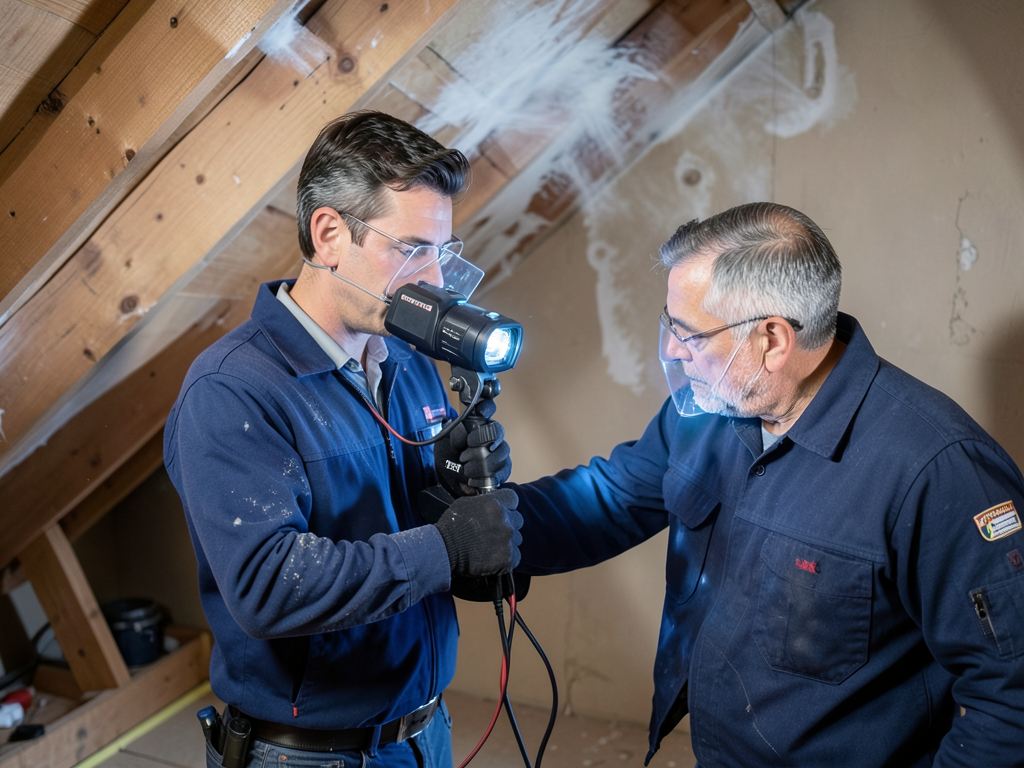
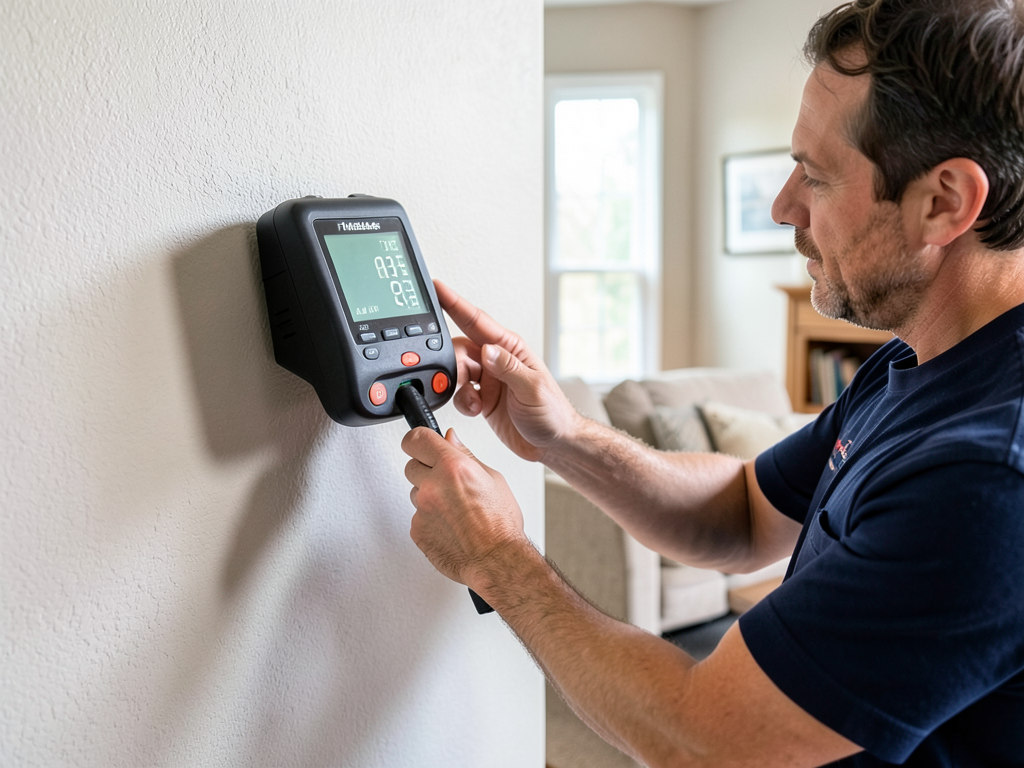
Our lead technician conducts a visual inspection, identifies the contamination source, and measures moisture levels in walls, floors, and subfloors. We use thermal imaging to detect hidden saturation. You receive a verbal explanation of what materials must be removed, what can be salvaged, and what health risks exist. We create a detailed scope of work that includes extraction, demolition, antimicrobial treatment, drying, and odor control. This document goes to your insurance adjuster within 24 hours. We answer all your questions about timeline, safety protocols, and what to expect during each phase of restoration.

Final Decontamination and Safety Verification

After all contaminated materials are removed and structural elements are dried, we perform a final antimicrobial treatment on all exposed surfaces. We use ATP testing to verify cleanliness when required by insurance or health departments. Air scrubbers run until particulate counts return to normal. We apply enzyme-based odor neutralizers to eliminate lingering smells at the molecular level. You receive a certificate of completion with moisture readings, photos, and disposal receipts for biohazardous waste. Your space is safe for occupancy and ready for reconstruction. We guarantee our work meets IICRC S500 standards for Category 3 water damage.

Insurance Coordination and Documentation

We work directly with your insurance carrier to streamline the claims process. Our estimates include line-item breakdowns, moisture logs, and photographic evidence. We participate in adjuster inspections and provide technical explanations for necessary demolition and treatment. Most homeowner policies cover sudden and accidental sewage backups, but coverage varies. We help you understand your policy limits, deductible, and what additional endorsements may apply. If the backup resulted from municipal sewer failure, we document conditions for potential subrogation. We bill insurance directly when possible and offer flexible payment options for out-of-pocket costs. You receive copies of all documentation for your records.

Frequently Asked Questions

You Have Questions,
We Have Answers

How to clean up after sewer back up? +

Stop exposure immediately. Evacuate the area and turn off water if possible. Do not attempt DIY cleanup. Sewage contains Category 3 water with bacteria, viruses, and parasites. Professional extraction removes standing water using truck-mounted vacuums. Contaminated materials like drywall, insulation, and flooring get removed and disposed of per EPA guidelines. All surfaces receive antimicrobial treatment. Industrial air movers and dehumidifiers dry the structure completely. In Raleigh, high humidity slows drying, so professional equipment is essential. Document everything for insurance before cleanup starts. Call a certified sewage cleanup company within one hour to prevent permanent damage and health risks.

How much does sewage backup cleanup cost? +

Sewage cleanup in Raleigh typically ranges based on severity and affected area. Small bathroom backups start lower, while whole-basement flooding costs significantly more. Price factors include water volume, contamination level, structural damage, and required demolition. Raleigh homes built on clay soil often experience foundation shifts that complicate restoration. Insurance usually covers sudden backups but excludes gradual seepage or lack of maintenance. Get a detailed estimate that separates water extraction, demolition, antimicrobial treatment, drying, and restoration. Beware of lowball quotes that skip essential disinfection steps. Emergency response costs more but prevents mold growth in Raleigh's humid climate.

How to get rid of sewer smell after a backup? +

Sewage odor persists because organic matter penetrates porous materials. Surface cleaning does not work. Professionals identify all contaminated materials, including subfloor, wall cavities, and HVAC ducts. Remove and replace affected drywall, insulation, and flooring. Clean hard surfaces with EPA-registered disinfectants. Apply antimicrobial foggers to treat air and surfaces. Run hydroxyl generators or ozone machines to neutralize odor molecules at the molecular level. In Raleigh, humidity traps odors, so complete structural drying is critical. If smell returns, contamination remains hidden. Do not mask odors with air fresheners. Address the source or health risks and odor will persist indefinitely.

Is it safe to clear a sewer line clog myself? +

No. Clearing clogs does not address sewage exposure already in your home. Sewage contains E. coli, hepatitis, salmonella, and parasites. Without proper PPE, antimicrobial protocols, and containment, you risk serious illness. DIY methods cannot extract water from carpet padding, subfloor, or wall cavities where bacteria multiply. Raleigh's humid climate accelerates microbial growth within 24 hours. You also lack professional-grade disinfectants and drying equipment required to prevent mold. Insurance may deny claims if improper cleanup causes secondary damage. Clearing the line is plumbing work. Cleaning contaminated living space is restoration work. Call a certified sewage cleanup company immediately after a backup occurs.

How Raleigh's Clay Soil and Aging Infrastructure Drive Sewer Line Failures

Raleigh sits on Piedmont clay, a dense, expansive soil that shifts with moisture changes. During drought, clay contracts and pulls away from sewer pipes. During heavy rain, it swells and exerts pressure on aging terra cotta and cast iron lines. Neighborhoods built before 1980, like Budleigh, Five Points, and Hayes Barton, often have original sewer laterals that were never upgraded. Tree roots from water oaks and willow oaks infiltrate cracked joints, creating blockages that force sewage back into homes. Add in Raleigh's frequent thunderstorms and flash flooding near Crabtree Creek, and you have a recipe for recurring backups that require professional sewage removal and remediation.

Raleigh enforces strict health codes for sewage damage restoration. Wake County Environmental Services requires proper disposal of Category 3 waste and verification that decontamination meets public health standards. Silverline Water Damage Restoration Raleigh maintains all required permits and follows EPA guidelines for antimicrobial treatment. We work with local plumbers who understand Raleigh's sewer system layout and can diagnose whether the issue is private lateral failure or municipal main backup. Choosing a local provider means faster response, better insurance coordination, and expertise in the specific challenges Raleigh properties face. We are not a franchise. We live here. We know this city's infrastructure and climate risks.
Water Damage Restoration Services in The Raleigh Area

While based in Raleigh, Silverline proudly serves the surrounding areas, providing expert water damage restoration wherever you are. Our interactive map allows you to visualize our service radius and plan your visit, or simply understand our immediate response capabilities. We are dedicated to reaching you quickly, ensuring prompt and efficient service for your home or business, no matter your precise location within our service area, ready to assist.

Address:
Silverline Water Damage Restoration Raleigh, 306 E Hargett St, Raleigh, NC, 27601

Additional Services We Offer

Our news updates

Latest Articles & News from The Blogs

Understanding the Three Categories of Flood Water (And Which Ones Are Actually Dangerous)\p>When water floods your Raleigh home the source…

Understanding the Three Categories of Flood Water (And Which Ones Are Actually Dangerous)

Understanding the Three Categories of Flood Water (And Which Ones Are Actually Dangerous)\p>When water floods your Raleigh home the source…

Why Water Travels Up Your Walls (The Physics of Capillary Action in Raleigh Homes)

Why Water Travels Up Your Walls (The Physics of Capillary Action in Raleigh Homes) When you see a small puddle…

Can Solar Panel Installation Cause Roof Leaks in Your Blue Ridge Home?

Can Solar Panel Installation Cause Roof Leaks in Your Blue Ridge Home? Solar panels create mounting points that penetrate your…

Contact Us

Sewage backups require immediate professional intervention. Do not risk your health or your property. Call Silverline Water Damage Restoration Raleigh now at (984) 294-5900. We dispatch 24/7 and arrive ready to contain, extract, and decontaminate. Your safety is our priority.