Menu

Steps to Take After a Flood in Raleigh – Your Complete Recovery Guide from Water Damage Experts

From immediate safety measures to full structural drying, this comprehensive post-flood recovery checklist helps Raleigh homeowners navigate every critical step to protect their property and health after flooding.

Slider Image 1
Slider Image 2
Slider Image 3
Slider Image 4
Slider Image 5
Slider Image 7
Slider Image 8
Slider Image 9
Slider Image 10
Slider Image 11

Why Raleigh Flooding Creates Unique Recovery Challenges

When floodwater recedes from your Raleigh home, the damage has only begun. Raleigh's humid subtropical climate creates a perfect storm for post-flood complications. Humidity levels regularly exceed 70 percent during summer months, which accelerates mold colonization in wet building materials. You have roughly 24 to 48 hours before mold spores begin active growth on damp drywall, insulation, and subflooring.

The clay-heavy soil throughout Wake County compounds drainage problems. Water pools against foundations longer than in sandy soil regions, which increases hydrostatic pressure and forces moisture through basement walls and crawl spaces. Homes in low-lying neighborhoods near Crabtree Creek or Walnut Creek face recurring flood risks during tropical storms and flash flood events common to the region.

Many Raleigh homes built before 2000 lack proper vapor barriers in crawl spaces. When floodwater saturates these areas, the moisture migrates upward through floor joists and rim boards. What looks like a simple basement flood often means hidden water damage in wall cavities and insulation you cannot see. The immediate actions after flooding determine whether you face a contained cleanup or a complete gut renovation months later.

Your post-flood recovery checklist must account for contaminated water. Floodwater carries sewage, chemicals, pesticides, and bacteria. Walking through standing water without proper protection exposes you to E. coli, hepatitis, and tetanus. Understanding what to do after a house flood means prioritizing safety before salvage.

Why Raleigh Flooding Creates Unique Recovery Challenges
The Professional Approach to Water Damage Clean Up Steps

The Professional Approach to Water Damage Clean Up Steps

Professional flood recovery begins with a contamination assessment. We classify water damage into three categories. Category 1 involves clean water from supply lines. Category 2 involves gray water from appliances or toilet tanks. Category 3 involves black water from sewage or floodwater, which requires complete removal of affected porous materials. Most Raleigh flood events fall into Category 3 due to stormwater runoff mixing with sanitary systems.

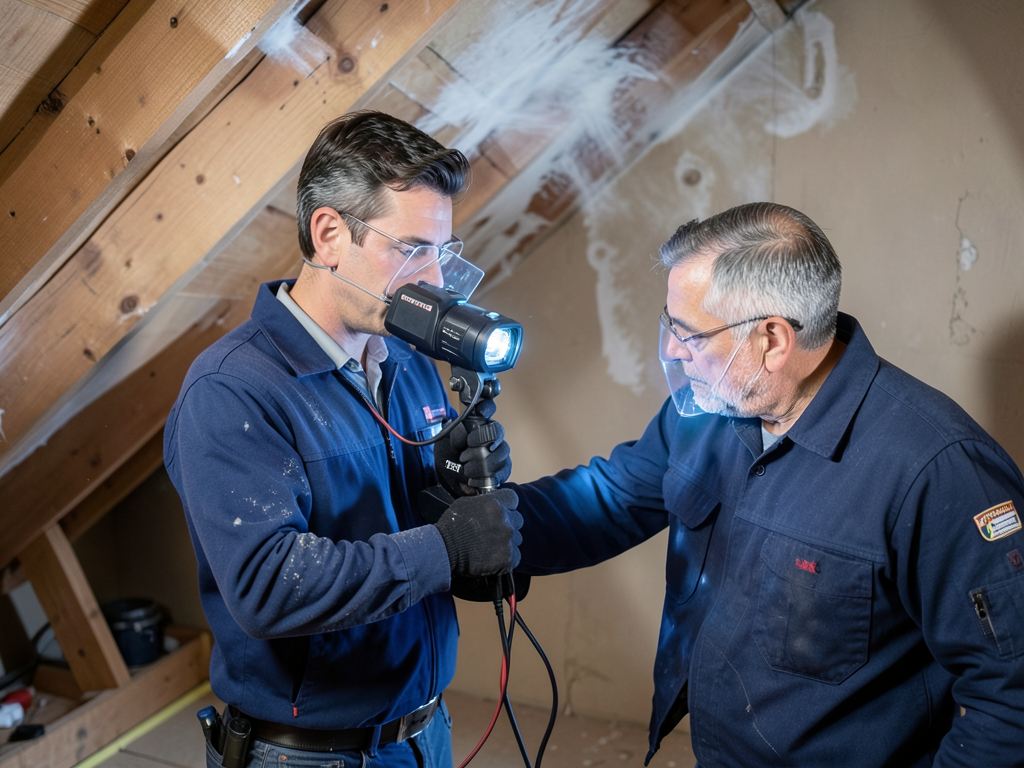
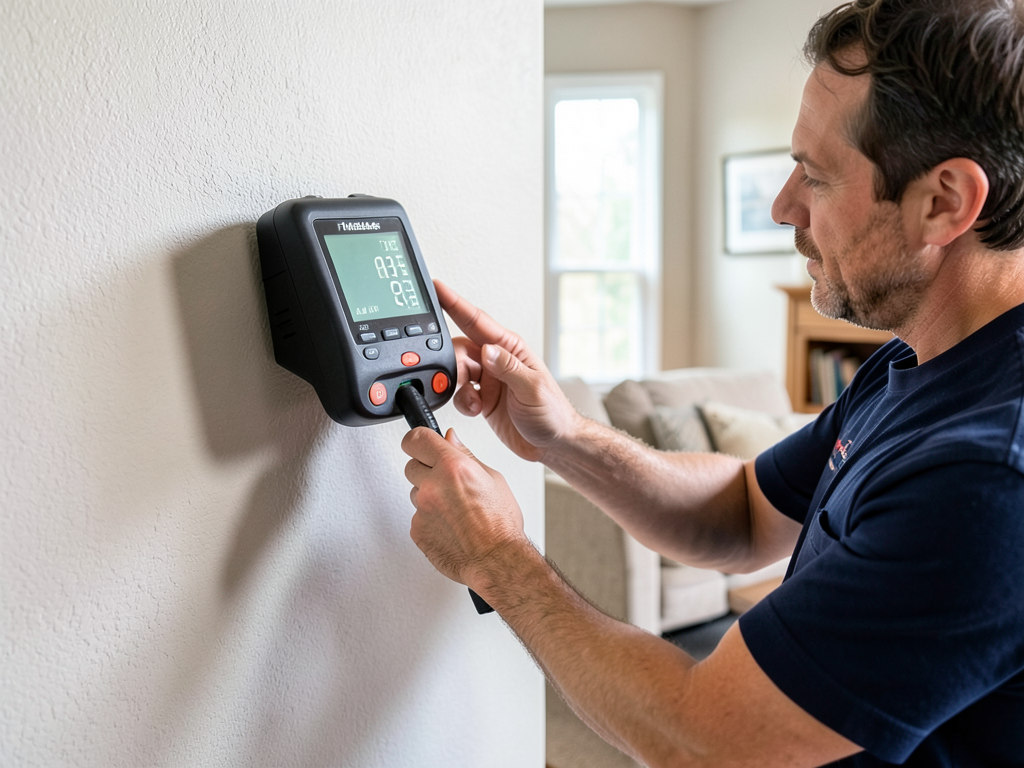
Our guide to handling flood damage starts with moisture mapping using thermal imaging cameras and penetrating moisture meters. We test wall cavities, insulation, and subflooring to identify the full saturation footprint. Surface drying does not equal structural drying. A wall that feels dry to the touch can hold 40 percent moisture content deep in the stud cavity, which guarantees mold growth and wood rot.

We deploy commercial-grade air movers and low-grain refrigerant dehumidifiers to create negative vapor pressure. This pulls moisture from building materials into the air, where dehumidifiers extract it. We target 12 percent moisture content or lower in wood framing and less than 1 percent in concrete slabs. Daily moisture readings track drying progress and prevent premature equipment removal.

Antimicrobial application happens after bulk water removal but before final drying. We apply EPA-registered disinfectants to all contaminated surfaces to kill bacteria and inhibit mold growth. Porous materials like carpet padding, drywall below the flood line, and soaked insulation get removed and disposed of according to North Carolina Department of Environmental Quality guidelines. We document the entire process with photos and moisture logs for your insurance claim.

How Flood Recovery Actually Works in Raleigh

Steps to Take After a Flood in Raleigh – Your Complete Recovery Guide from Water Damage Experts
01

Safety and Damage Assessment

We arrive within hours of your call to perform a safety inspection before you re-enter your home. Our team checks for structural damage, electrical hazards, and gas leaks. We document the water source, contamination level, and affected areas with photos and moisture readings. You receive a detailed scope of work that identifies salvageable materials versus required demolition before any physical work begins.
02

Water Extraction and Containment

Truck-mounted extractors remove standing water at 200 gallons per minute. We pull water from carpets, pad, and subflooring using weighted extraction tools. Containment barriers prevent cross-contamination to unaffected areas. We remove baseboards and drill weep holes in wall cavities to release trapped water. All contaminated materials get bagged and removed from your property daily to prevent secondary damage and odor development.
03

Structural Drying and Verification

Industrial dehumidifiers and air movers run continuously for three to seven days depending on saturation levels. We monitor temperature, humidity, and material moisture content twice daily. Drying equipment stays in place until all building materials reach acceptable moisture levels verified by IICRC standards. You receive a completion certificate with final moisture readings that proves your home is structurally dry and ready for reconstruction.

Why Raleigh Homeowners Trust Local Flood Recovery Expertise

Raleigh flood recovery requires specific knowledge of local building methods and climate challenges. Homes in historic neighborhoods like Oakwood or Mordecai feature pier and beam foundations with ventilated crawl spaces. These spaces flood easily but respond well to targeted drying when you understand the construction. Newer homes in North Raleigh subdivisions use different foundation systems that require modified drying approaches.

We understand North Carolina building codes that govern flood damage repairs. Any electrical work in flooded areas must be inspected and approved by Wake County inspectors before reconnection. Structural repairs must meet current code requirements, not just match the original construction. We coordinate with local building inspectors to ensure your repairs pass inspection the first time.

Our familiarity with Raleigh's flood patterns helps us identify hidden damage other companies miss. We know that homes near Crabtree Creek frequently experience crawl space flooding even when main floors stay dry. Properties in the Brentwood Road area face recurring stormwater backups through foundation drains. This local knowledge lets us check the right areas and prevent surprises during reconstruction.

Insurance claims move faster when you work with a company that documents everything correctly. We provide detailed moisture logs, photo documentation, and itemized scopes that align with Xactimate pricing used by major carriers. Our estimates include line items for antimicrobial treatment, structural drying, and disposal costs that DIY approaches overlook. We communicate directly with your adjuster to explain technical findings and justify necessary repairs.

You need a team that responds immediately but works methodically. We arrive fast to stop progressive damage, but we do not rush the drying process. Proper structural drying cannot be accelerated beyond physics. We give you realistic timelines based on actual moisture readings, not optimistic promises.

What Your Flood Recovery Timeline Actually Looks Like

Emergency Response Time

We dispatch a crew within two hours of your call, 24 hours a day. Our trucks carry extraction equipment, moisture meters, and containment supplies for immediate water removal. The first 24 hours determine whether you face a manageable cleanup or extensive reconstruction. We start water extraction and antimicrobial treatment the same day to halt microbial growth and prevent category escalation. Most homes have standing water removed within four to six hours of our arrival.

Comprehensive Moisture Assessment

Our technicians use thermal imaging and penetrating moisture meters to create a complete moisture map of your property. We check wall cavities, insulation, subflooring, and structural framing that other companies miss. You receive a written assessment that identifies moisture levels in each affected area and explains which materials can dry in place versus requiring removal. This assessment becomes the foundation of your insurance claim and prevents future mold problems from incomplete drying.

Verified Structural Drying

Drying equipment runs continuously for three to ten days depending on saturation levels and building materials. We monitor progress with daily moisture readings and adjust equipment placement to optimize airflow. You do not pay for guesswork. Equipment stays in place until moisture meters confirm all structural materials have reached acceptable dryness levels per IICRC S500 standards. We provide written documentation of final moisture readings that protect you from future moisture-related problems and satisfy insurance requirements.

Post-Drying Verification and Documentation

After drying equipment removal, we conduct a final inspection to verify no residual moisture remains in building materials. You receive a completion certificate with before and after moisture readings, photo documentation, and a summary of all work performed. This documentation proves your home is ready for reconstruction and provides a baseline for future moisture testing. We remain available to answer questions from your insurance adjuster or reconstruction contractor about the drying process and equipment used.

Frequently Asked Questions

You Have Questions,
We Have Answers

What steps to take after a flood? +

Prioritize safety first. Turn off electricity at the breaker if you can do so safely without standing in water. Document all damage with photos and videos before touching anything. Contact your insurance company immediately to start a claim. Remove standing water quickly to prevent mold growth, which thrives in Raleigh's humid climate. Salvage important documents and valuables. Avoid contact with floodwater, which often contains sewage and bacteria. Call a professional restoration company within 24 hours. Mold can colonize in 48 hours, especially during humid summer months common to the Triangle area.

What should I do after the flood? +

Start by ensuring your family is safe and accounted for. Do not enter your home until authorities declare it safe. Once cleared, ventilate the space by opening windows and doors. Remove wet materials like carpet, padding, and drywall within 24-48 hours to prevent mold. Disinfect all surfaces that contacted floodwater. Begin drying the structure using fans and dehumidifiers. Save all receipts for emergency repairs and temporary housing. Contact your mortgage company if payments will be affected. Professional water extraction and structural drying prevent long-term damage and protect your investment.

What precautions should be taken after a flood? +

Wear protective gear including rubber boots, gloves, and masks when entering flooded areas. Floodwater in Raleigh often contains sewage from overwhelmed treatment systems and agricultural runoff from surrounding areas. Throw away food that contacted floodwater or lost refrigeration. Boil tap water if authorities issue notices. Watch for structural damage like sagging ceilings or warped floors. Check for gas leaks and carbon monoxide risks. Prevent mosquito breeding by draining standing water, as North Carolina sees increased mosquito activity after floods. Document everything for insurance purposes before cleanup begins.

What step should be taken when there is a flood? +

Evacuate immediately if authorities issue orders. Move to higher ground and avoid walking or driving through floodwater. Six inches of moving water can knock you down, and 12 inches can carry away vehicles. If trapped, move to the highest level of your building. Once the flood recedes and you return home safely, shut off utilities to prevent electrical fires and gas leaks. Contact your insurance company right away. Remove water and wet materials quickly. Raleigh's clay soil retains moisture, which can cause foundation issues if water sits too long around your home.

How Raleigh's Humid Climate Accelerates Post-Flood Mold Growth

Raleigh's summer humidity creates aggressive mold growth conditions after flooding. Average relative humidity exceeds 70 percent from June through September, which means ambient air already contains enough moisture to support mold colonization. When floodwater saturates drywall and insulation, mold spores begin germinating within 24 hours. The warm temperatures between 77 and 89 degrees throughout summer provide ideal growth conditions. Homes in shaded lots near mature trees in neighborhoods like Hayes Barton or Five Points stay damp longer because reduced sunlight slows evaporation. Professional structural drying with dehumidification is not optional in Raleigh's climate. It is the only way to prevent mold growth that leads to complete drywall replacement and potential health problems.

Working with a local Raleigh water damage company means faster response and better outcomes. We understand Wake County building inspection requirements for flood damage repairs. Our crews know which areas flood repeatedly during tropical storms and where to check for hidden water intrusion. We maintain relationships with local insurance adjusters who trust our documentation and understand our pricing. When you call a national franchise, you get a subcontractor who may not arrive for 12 hours. When you call us, you get our team with our equipment within two hours. That time difference determines whether your hardwood floors can be saved or need replacement. Local expertise matters when your home is underwater and mold growth starts in 24 hours.
Water Damage Restoration Services in The Raleigh Area

While based in Raleigh, Silverline proudly serves the surrounding areas, providing expert water damage restoration wherever you are. Our interactive map allows you to visualize our service radius and plan your visit, or simply understand our immediate response capabilities. We are dedicated to reaching you quickly, ensuring prompt and efficient service for your home or business, no matter your precise location within our service area, ready to assist.

Address:
Silverline Water Damage Restoration Raleigh, 306 E Hargett St, Raleigh, NC, 27601

Additional Services We Offer

Our news updates

Latest Articles & News from The Blogs

Replacing Water Damaged Subfloors Under Your New LVP in North Raleigh Water damage beneath luxury vinyl plank flooring in North…

Replacing Water Damaged Subfloors Under Your New LVP in North Raleigh

Replacing Water Damaged Subfloors Under Your New LVP in North Raleigh Water damage beneath luxury vinyl plank flooring in North…

Fast Flood Cleanup for Daycares and Schools in the Forestville Area

Fast Flood Cleanup for Daycares and Schools in the Forestville Area When water floods a daycare or school in Forestville…

Professional Water Damage Restoration for Medical Offices Near Rex Hospital

Professional Water Damage Restoration for Medical Offices Near Rex Hospital When water floods a medical office the stakes go far…

Contact Us

Every hour of delay increases damage and recovery costs. Call Silverline Water Damage Restoration Raleigh at (984) 294-5900 for immediate dispatch. Our crews are standing by with truck-mounted extraction equipment and industrial drying systems ready to deploy to your property.