Menu

Hotel & Hospitality Flood Cleanup in Raleigh – Industrial-Scale Response That Protects Revenue and Guest Safety

When flooding threatens your hotel operations, you need commercial-grade extraction, structural drying, and sanitization teams that understand hospitality flood remediation protocols and minimize guest displacement across Raleigh properties.

Slider Image 1
Slider Image 2
Slider Image 3
Slider Image 4
Slider Image 5
Slider Image 7
Slider Image 8
Slider Image 9
Slider Image 10
Slider Image 11

Raleigh's Storm Patterns and Aging Infrastructure Create High-Stakes Flooding Risks for Hotels

Raleigh sits at the convergence of the Piedmont and Atlantic coastal weather systems, which means your hotel faces both inland flash flooding from summer thunderstorms and tropical moisture intrusion from coastal systems. The city's older hotel districts near downtown and the capital complex sit in low-lying areas where storm drains, built in the 1970s and 1980s, struggle to handle modern stormwater volumes. When a main sewer line backs up or a tropical system stalls over Wake County, hotels see lobby flooding, basement inundation, and mechanical room failures within hours.

For hospitality properties, flood damage is not just a facilities problem. It is a revenue problem, a liability problem, and a reputation problem. Every flooded guest room is lost occupancy. Every lobby closure is negative online reviews. Every delayed response is potential mold liability and extended business interruption. Hotel emergency water extraction requires industrial pump capacity, commercial air movers, and coordination across housekeeping, maintenance, and front desk teams to protect guest experience while restoring structural integrity.

Raleigh's hospitality market includes conference hotels near the Raleigh Convention Center, extended-stay properties along I-40 and I-440, and boutique inns in historic districts like Oakwood. Each property type faces different flood risks. Conference hotels have ballrooms with expensive AV infrastructure at grade level. Extended-stay properties have ground-floor kitchenettes vulnerable to supply line failures. Historic inns have crawl spaces that trap moisture and original plaster that wicks water vertically. Commercial hotel flood cleanup requires site-specific strategies that account for building age, occupancy type, and mechanical system layout.

Raleigh's Storm Patterns and Aging Infrastructure Create High-Stakes Flooding Risks for Hotels
Industrial Extraction and Multi-Zone Drying Systems for High-Occupancy Properties

Industrial Extraction and Multi-Zone Drying Systems for High-Occupancy Properties

Hospitality water removal is not residential cleanup scaled up. It requires truck-mounted extraction units that pull thousands of gallons per hour, trailer-mounted desiccant dehumidifiers that process entire wings without overloading electrical panels, and containment barriers that isolate affected areas without disrupting guest access to elevators, stairwells, or fire exits. Silverline Water Damage Restoration Raleigh deploys IICRC-certified technicians trained in large-loss restoration who understand how to coordinate with hotel management to maintain partial occupancy during remediation.

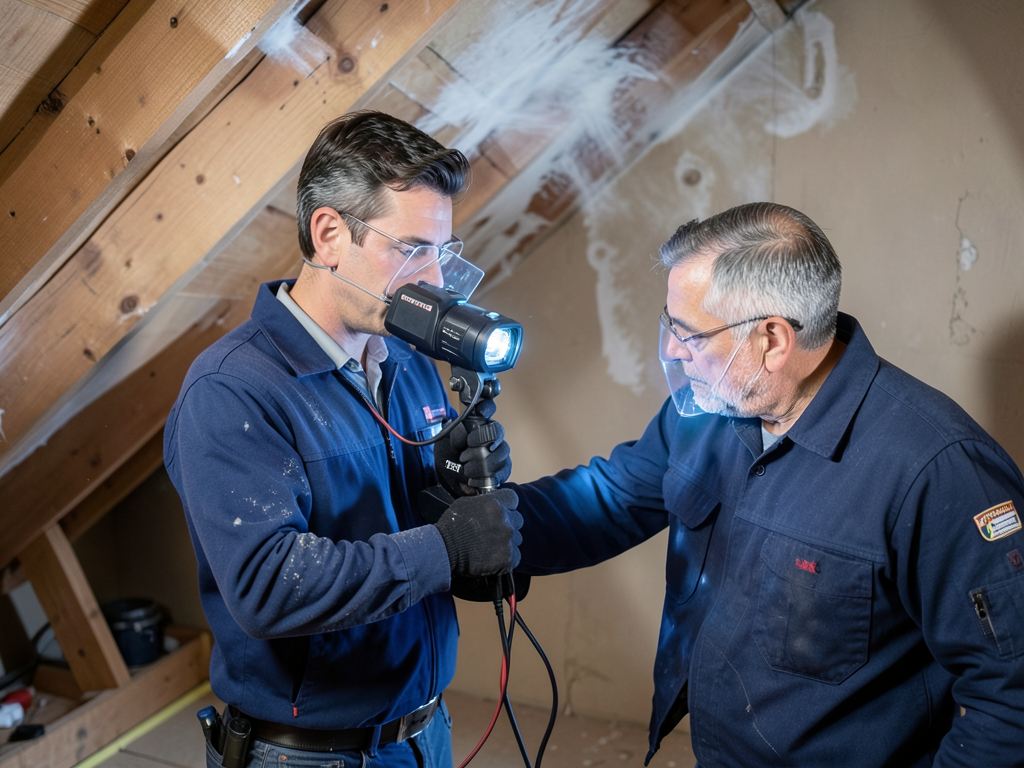
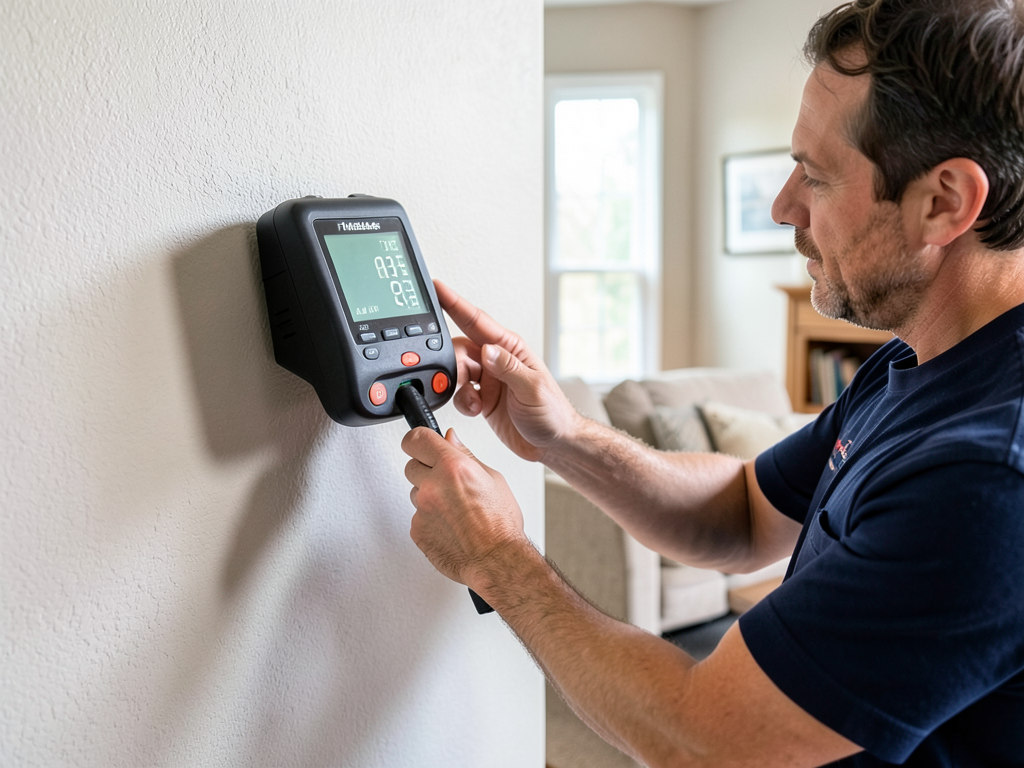
We start with a rapid damage assessment that maps water intrusion across multiple floors, identifies structural cavities where moisture migrates, and documents affected finishes for insurance claims. We use thermal imaging to detect hidden moisture in drywall assemblies, moisture meters to establish baseline readings in unaffected areas, and hygrometers to track vapor pressure gradients in occupied versus unoccupied zones. This data drives our drying plan and gives your insurance adjuster the documentation needed to approve scope without delay.

Our extraction teams use weighted wands on carpeted corridors to pull water from pad and subfloor, trailer-mounted pumps to dewater mechanical rooms and below-grade parking garages, and tile lifts to salvage ceramic or porcelain flooring in lobbies and restaurants. We deploy air movers in staggered patterns that create turbulent airflow across wet surfaces without creating noise complaints in occupied rooms. For properties with central HVAC, we coordinate with your engineers to use the building's air handling units to assist in drying, provided ductwork has not been contaminated by floodwater.

Hospitality flood remediation also means infection control. We apply EPA-registered antimicrobials to hard surfaces, use HEPA vacuums on soft goods before professional laundering, and document sanitation protocols for health department review if the flood source was Category 2 or Category 3 water.

How We Execute Hotel Flood Cleanup Without Displacing Your Guests

Hotel & Hospitality Flood Cleanup in Raleigh – Industrial-Scale Response That Protects Revenue and Guest Safety
01

Incident Command Setup

Within 90 minutes of your call, our project manager arrives on-site to meet with your general manager, chief engineer, and director of housekeeping. We establish a command center in a back-of-house area, map the extent of water intrusion, and create a mitigation sequence that prioritizes guest safety, preserves revenue-generating spaces, and isolates affected wings. You receive a preliminary scope and equipment deployment plan before any extraction begins.
02

Controlled Extraction and Containment

Our crews erect polyethylene barriers with zippered access panels at affected corridor intersections, creating negative air pressure zones that prevent moisture and odor migration to occupied areas. We stage industrial extractors and air movers on service elevators during low-traffic hours, run power from mechanical rooms to avoid tripping guest room circuits, and coordinate equipment noise with your front desk to minimize guest complaints.
03

Progressive Restoration and Turnover

As each zone reaches IICRC drying standards, we demobilize equipment and turn spaces back to housekeeping for final cleaning and furniture reset. You receive daily moisture logs, photographic documentation, and updated occupancy projections. Our goal is to return revenue-generating rooms to inventory as quickly as possible while maintaining the structural integrity and air quality your guests expect from a professional hospitality environment.

Why Raleigh Hospitality Operators Trust Local Flood Restoration Expertise

Raleigh hotel operators face unique challenges that out-of-market restoration vendors do not anticipate. The city's building codes require commercial properties to meet North Carolina Mechanical Code ventilation standards, which means any flood cleanup that impacts HVAC systems must be coordinated with a licensed mechanical contractor and documented for the Wake County Inspections Department. Out-of-state crews often miss these compliance triggers, leading to delayed certificate of occupancy and extended revenue loss.

Silverline Water Damage Restoration Raleigh maintains working relationships with the major property insurance carriers active in the Triangle market, including those that underwrite hospitality portfolios for national brands and independent operators. We submit estimates in Xactimate format, provide daily progress photos through carrier-approved platforms, and coordinate with third-party environmental consultants for post-remediation clearance testing. This streamlines claims and accelerates payment so you can focus on guest services instead of adjuster disputes.

Our technicians also understand Raleigh's hospitality infrastructure. We know that hotels along Glenwood Avenue and Crabtree Valley often have shallow water tables that cause recurring seepage in basement fitness centers. We know that properties near the Neuse River Greenway face elevated flood risk during tropical events when stormwater infrastructure becomes overwhelmed. We know that historic hotels in downtown Raleigh have cast iron drain lines prone to corrosion failure and original terrazzo floors that require specialized drying to prevent delamination.

This local knowledge translates to faster response, more accurate scoping, and fewer change orders. You avoid the discovery delays that occur when a vendor unfamiliar with Raleigh's building stock encounters unexpected conditions like crawl space flooding, remediation-resistant finishes, or municipal water service interruptions that complicate cleanup.

What to Expect During Commercial Hotel Flood Cleanup

Emergency Response Timeline

Our dispatch center operates around the clock to receive emergency calls from Raleigh hospitality properties. You will speak directly with a project manager, not an answering service. We guarantee on-site arrival within 90 minutes for properties inside the I-440 beltline and within two hours for hotels in North Raleigh, Brier Creek, and RTP. Our initial response includes a damage assessment, equipment staging plan, and preliminary cost estimate before any billable work begins. You receive real-time updates via text and email as crews mobilize.

Site Assessment and Moisture Mapping

Before extraction begins, our technicians conduct a floor-by-floor moisture survey using thermal imaging cameras and penetrating moisture meters. We identify wet structural cavities, measure relative humidity in affected zones, and document pre-loss conditions with time-stamped photography. This data becomes the foundation of your insurance claim and our drying protocol. You receive a written mitigation plan that specifies equipment placement, projected drying time, and coordination requirements with your housekeeping and engineering teams. We update this plan daily as conditions change.

Structural Drying and Air Quality Control

Hotel water damage restoration requires precise control of temperature, humidity, and airflow to prevent secondary damage like mold growth or finish delamination. We deploy commercial-grade air movers positioned to create turbulent drying across wet surfaces, low-grain refrigerant dehumidifiers to extract moisture from the air, and desiccant systems for high-humidity environments like indoor pool areas or below-grade spaces. Our technicians monitor conditions twice daily, adjust equipment as materials dry, and document progress with moisture readings logged in IICRC-compliant drying charts. You will see measurable progress every 24 hours.

Post-Remediation Verification and Turnover

Once moisture levels reach IICRC dry standards, we conduct a final walkthrough with your facilities team to verify that all affected areas are ready for reconstruction or return to service. For flood events involving contaminated water, we provide third-party environmental clearance testing that documents safe air quality and surface sanitation. You receive a complete project file that includes moisture logs, equipment deployment records, waste disposal manifests, and photographic documentation. This package supports your insurance claim and provides the liability protection your brand requires when returning rooms to guest occupancy.

Frequently Asked Questions

You Have Questions,
We Have Answers

How Raleigh's Humid Subtropical Climate Accelerates Mold Risk in Flooded Hotels

Raleigh averages 77 percent relative humidity during summer months, which means flooded hotel spaces can develop active mold growth within 48 hours if moisture is not aggressively controlled. The city's location in the Piedmont creates humid stagnation during July and August when high pressure systems park over the region, trapping moisture inside buildings with compromised HVAC systems. Hotels with older construction often lack vapor barriers in exterior walls, allowing humid outdoor air to infiltrate wet assemblies and sustain microbial growth even after visible water is extracted. Commercial hotel flood cleanup in Raleigh requires continuous dehumidification and air movement to counteract these ambient conditions and prevent mold colonization that triggers health complaints and negative reviews.

Raleigh's hospitality market includes properties managed by national brands with strict environmental standards and independent operators with limited capital reserves for unexpected losses. Both need restoration partners who understand local insurance markets, can navigate Wake County permitting when structural repairs trigger code upgrades, and maintain the vendor credentials required by franchise agreements. Silverline Water Damage Restoration Raleigh works with hospitality-focused insurance adjusters, environmental consultants, and reconstruction contractors who know how to restore flooded hotels without violating brand standards or creating code compliance issues that delay reopening.
Water Damage Restoration Services in The Raleigh Area

While based in Raleigh, Silverline proudly serves the surrounding areas, providing expert water damage restoration wherever you are. Our interactive map allows you to visualize our service radius and plan your visit, or simply understand our immediate response capabilities. We are dedicated to reaching you quickly, ensuring prompt and efficient service for your home or business, no matter your precise location within our service area, ready to assist.

Address:
Silverline Water Damage Restoration Raleigh, 306 E Hargett St, Raleigh, NC, 27601

Additional Services We Offer

Our news updates

Latest Articles & News from The Blogs

Replacing Water Damaged Subfloors Under Your New LVP in North Raleigh Water damage beneath luxury vinyl plank flooring in North…

Replacing Water Damaged Subfloors Under Your New LVP in North Raleigh

Replacing Water Damaged Subfloors Under Your New LVP in North Raleigh Water damage beneath luxury vinyl plank flooring in North…

Fast Flood Cleanup for Daycares and Schools in the Forestville Area

Fast Flood Cleanup for Daycares and Schools in the Forestville Area When water floods a daycare or school in Forestville…

Professional Water Damage Restoration for Medical Offices Near Rex Hospital

Professional Water Damage Restoration for Medical Offices Near Rex Hospital When water floods a medical office the stakes go far…

Contact Us

Every hour of delayed response increases your revenue loss and mold liability. Call Silverline Water Damage Restoration Raleigh at (984) 294-5900 for immediate dispatch and a project manager on-site within 90 minutes.