Menu

Basement Flood Cleanup in Raleigh – Expert Water Extraction Within Hours of Your Call

When your Raleigh basement floods, every minute counts. Our basement flood cleanup crews arrive fast with industrial pumps and thermal imaging to stop water damage before it spreads to joists, drywall, and personal belongings.

Slider Image 1
Slider Image 2
Slider Image 3
Slider Image 4
Slider Image 5
Slider Image 7
Slider Image 8
Slider Image 9
Slider Image 10
Slider Image 11

Why Raleigh Basements Flood and What Happens If You Wait

Raleigh sits in a transition zone where Piedmont clay soil meets high seasonal rainfall. That clay does not drain. When storms hit, water pools around foundations. Gutters clog with pine needles and oak debris. Downspouts dump thousands of gallons directly against basement walls. Hydrostatic pressure builds. Water finds the path of least resistance through foundation cracks, window wells, and aging sump pump systems.

You walk downstairs and see standing water. That is the visible problem. The invisible problem is worse. Water wicks into drywall within minutes. It saturates insulation. It seeps under vinyl flooring and soaks the subfloor. Mold spores activate within 24 to 48 hours in Raleigh's humidity. Wood joists start to swell and weaken. Electrical systems become hazards.

Flooded basement water removal is not a mop and bucket job. You need commercial submersible pumps that move hundreds of gallons per minute. You need basement water extraction equipment that pulls moisture from carpet padding and concrete pores. You need dehumidifiers rated for high humidity climates like ours. Waiting three days to call someone turns a drainage problem into a structural repair and mold remediation disaster. The difference between flooded basement remediation done right and flooded basement restoration done wrong is whether you pay for water removal or gut the entire space.

Every hour you delay, water travels further into building materials. The clock starts the moment you see water.

Why Raleigh Basements Flood and What Happens If You Wait
How We Execute Flooded Basement Pumping and Structural Drying

How We Execute Flooded Basement Pumping and Structural Drying

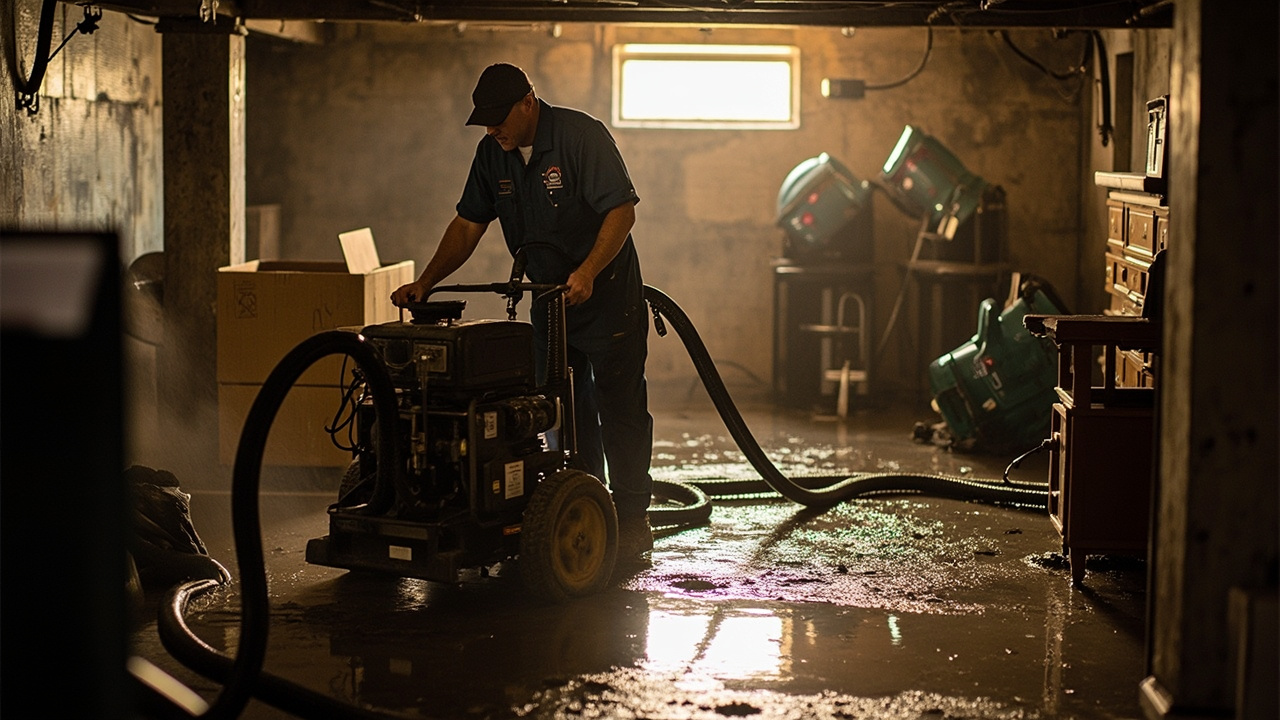
We do not show up with a shop vacuum and towels. Our trucks carry gas-powered trash pumps for bulk water removal and electric submersibles for final extraction. We pull standing water first. Speed matters. Every gallon we remove in the first hour is a gallon that does not soak deeper into concrete or climb higher up drywall.

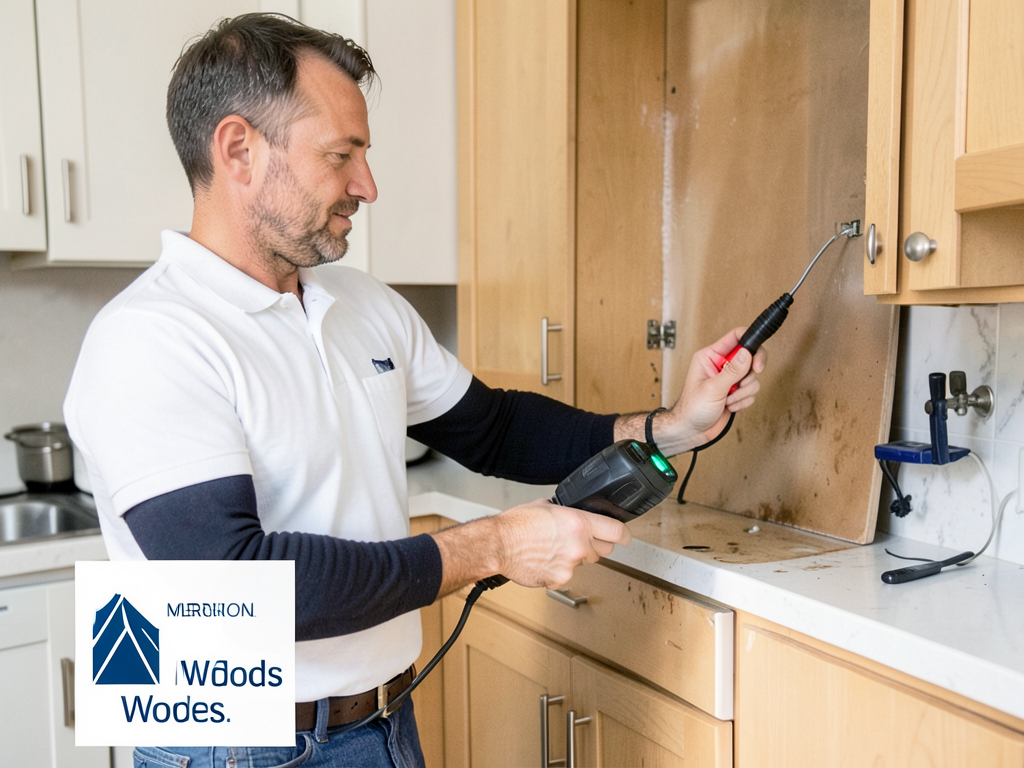
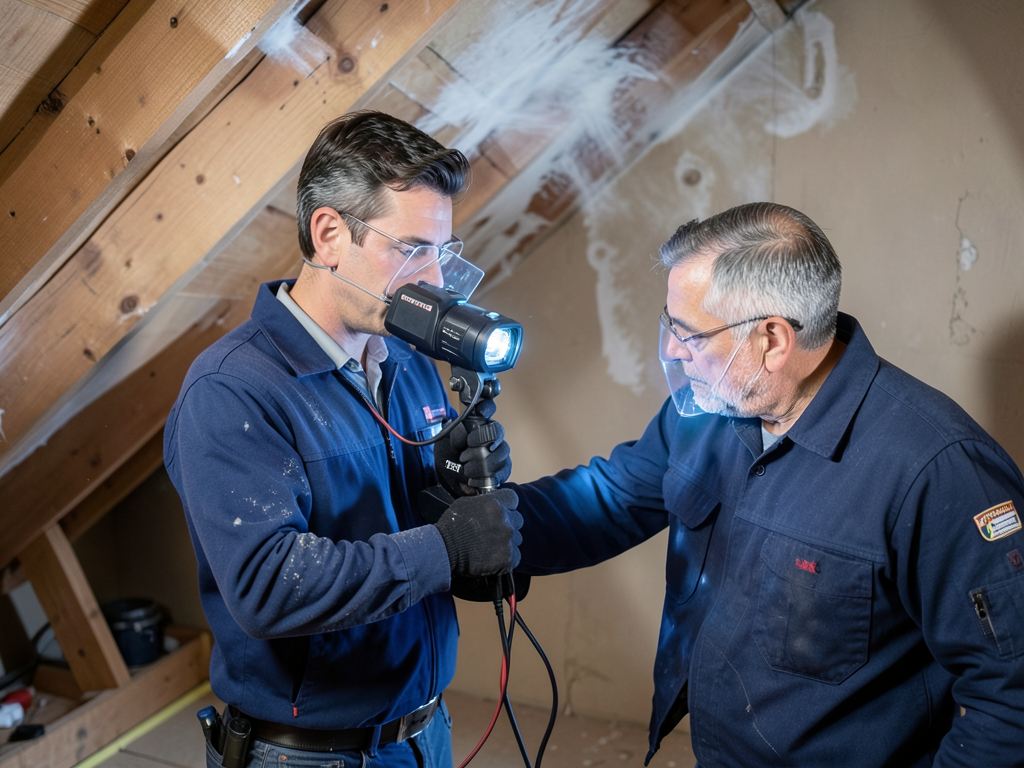
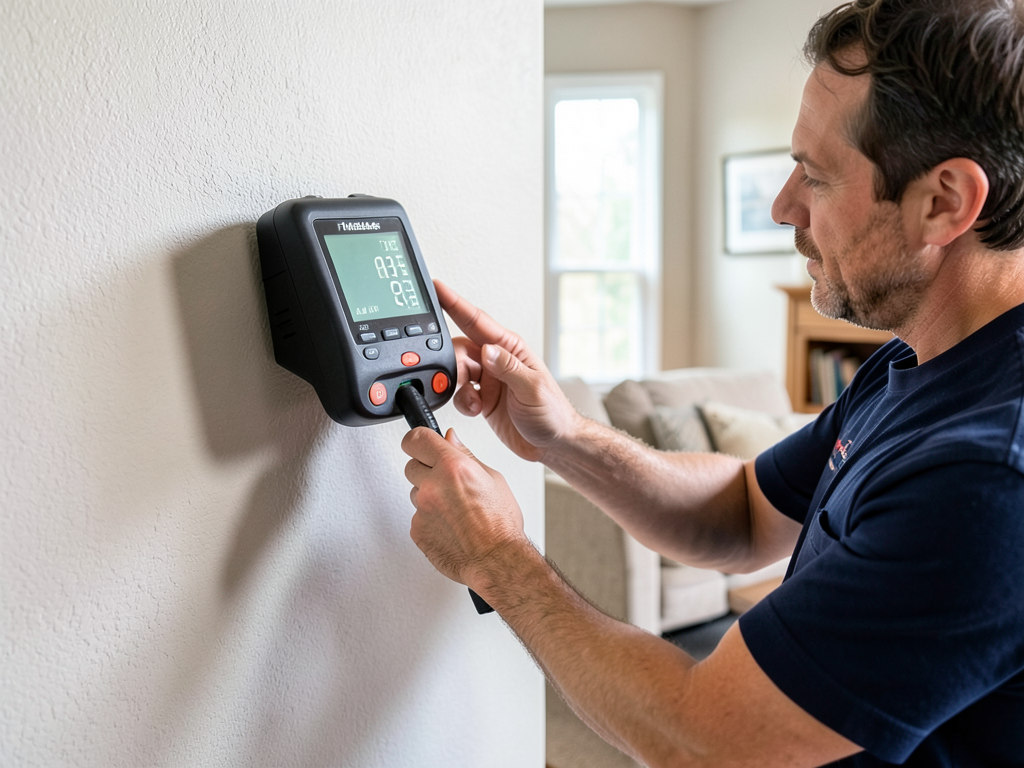
Once the standing water is out, we map moisture levels with pin-type and pinless moisture meters. We check walls at multiple heights. We pull baseboards to inspect hidden saturation. We use thermal imaging cameras to find water trapped in wall cavities and under flooring. This is not guesswork. We document every reading because insurance adjusters want proof of loss and proof of drying progress.

Then we set up the drying environment. We position axial air movers to create airflow across wet surfaces. We place low-grain refrigerant dehumidifiers to pull moisture from the air. In Raleigh's summer humidity, standard dehumidifiers cannot keep up. We use commercial units rated for high moisture loads. We monitor temperature and relative humidity every 12 hours and adjust equipment placement based on drying curves.

We also address contamination. If the flood came from a sewer backup or exterior runoff, we treat affected areas with antimicrobial solutions. We remove porous materials that cannot be salvaged. Carpet padding almost always goes. Drywall that wicked more than 24 inches gets cut and removed. Insulation that stayed wet for more than 48 hours gets pulled.

This is flooded basement remediation done to IICRC S500 standards. We dry to target moisture content, not to visual dryness.

What Happens When You Call for Basement Flood Cleanup

Basement Flood Cleanup in Raleigh – Expert Water Extraction Within Hours of Your Call
01

Emergency Water Removal

We arrive with truck-mounted pumps and portable extraction units. Our crew removes standing water immediately to stop further absorption into floors, walls, and belongings. We document water depth, source identification, and initial moisture readings for your insurance claim. Speed here determines how much of your basement we can save versus how much we have to remove and replace later.
02

Moisture Mapping and Assessment

After bulk water removal, we use thermal imaging and moisture meters to find hidden saturation. Water travels through concrete, under flooring, and into wall cavities. We check every surface, pull baseboards, and inspect insulation. This assessment determines equipment placement and drying strategy. We classify the water category (clean, gray, or black) and calculate the affected square footage for proper drying equipment sizing.
03

Structural Drying and Verification

We install commercial air movers and dehumidifiers to create controlled drying conditions. We monitor moisture levels daily and adjust equipment until all materials reach acceptable dryness standards. Wood joists must return to 12 to 15 percent moisture content. Concrete must drop below 4 percent. We provide final moisture readings and drying logs to your insurance company as proof of proper restoration and claim closure.

Why Raleigh Property Owners Choose Silverline for Basement Flood Restoration

Silverline Water Damage Restoration Raleigh knows how water behaves in Piedmont clay soil conditions. We know which Raleigh neighborhoods have chronic drainage problems. We know which foundation types fail first. That local knowledge changes how we approach every flooded basement pumping job.

We understand Raleigh's building codes. When we remove drywall or insulation, we know what inspectors will look for during rebuild. We know which permits you need. We coordinate with your insurance adjuster because we have worked with every major carrier operating in Wake County. We speak their language. We document losses the way they require. That speeds up claim approval and gets you paid faster.

Our equipment inventory is sized for Raleigh's climate. High humidity means you need more dehumidification capacity than drier regions. We own enough commercial dehumidifiers and air movers to handle multiple large jobs simultaneously. You do not wait three days for equipment to free up from another job. We also stock backup generators because summer storms knock out power, and drying equipment does not work without electricity.

We have restored basements in North Raleigh's newer subdivisions where poor lot grading sends runoff straight into window wells. We have pumped out historic homes in Oakwood where century-old rubble foundations leak. We have handled flooded basements in Brier Creek townhomes where shared sump systems fail. Every neighborhood presents different challenges. We have seen them.

You get technicians who understand the difference between surface water removal and true structural drying. You get documentation that satisfies insurance requirements. You get a local company that answers the phone at 2 a.m. when your sump pump dies during a thunderstorm.

What to Expect During Basement Flood Cleanup

Response Time and Availability

We dispatch crews 24 hours a day, 7 days a week. When you call, you talk to a person who coordinates immediate response, not an answering service. Our average arrival time for emergency flooded basement water removal in the Raleigh metro is under 90 minutes. We arrive faster during overnight hours when traffic is light. Our trucks stay stocked and fueled. We do not waste time gathering equipment after you call. Speed matters because water damage accelerates exponentially. What takes two days to dry in the first six hours takes two weeks to dry if you wait 48 hours to start.

Initial Assessment and Documentation

Before we place a single air mover, we document everything. We photograph water levels, damaged materials, and affected belongings. We measure moisture content in floors, walls, and structural members. We identify the water source and classify contamination level. We map the affected area and calculate square footage. You receive a detailed scope of work that explains what we will remove, what we will dry in place, and what equipment we will use. This documentation becomes the foundation of your insurance claim. Adjusters trust our assessments because we follow industry-standard protocols and provide objective moisture readings.

Drying Results and Final Verification

We do not remove equipment based on how the basement looks. We remove equipment when moisture meters confirm all materials have reached acceptable dryness levels. Wood must stabilize between 12 and 15 percent moisture content. Concrete must drop below manufacturer specifications for flooring installation, typically under 4 percent. Drywall must return to baseline readings that match unaffected areas of your home. You receive final moisture readings in writing. This protects you from future mold growth and structural problems. It also satisfies your insurance company's requirement for verification of proper restoration before they close your claim.

Post-Restoration Monitoring and Prevention

After we complete basement flood restoration, we provide recommendations to prevent future flooding. This might include improving exterior grading, extending downspouts, installing a battery backup sump pump, or sealing foundation cracks. We do not sell you services you do not need. We tell you what actually caused the flood and what will reduce risk. We also offer follow-up moisture checks at no charge within 30 days of project completion. If you notice musty odors or suspect hidden moisture, we come back and verify dryness. We want to catch problems early, not six months later when mold has colonized your walls.

Frequently Asked Questions

You Have Questions,
We Have Answers

How to clean up after a flooded basement? +

Stop the water source first. Turn off electricity to the basement. Remove standing water with a pump or wet vac. Pull out soaked furniture, boxes, and debris. Rip out wet drywall, insulation, and flooring within 24 to 48 hours to prevent mold growth. In Raleigh, high humidity accelerates microbial activity, so speed matters. Use fans and dehumidifiers to dry framing and concrete. Disinfect all surfaces with antimicrobial solutions. Document everything with photos for insurance. For sewage backups or extensive flooding, call a professional crew to handle contaminated water safely and ensure complete structural drying.

How much does it cost to clean up a flooded basement? +

Cleanup costs depend on water volume, contamination level, and structural damage. A minor clean water flood might run a few hundred dollars if you rent equipment and handle it yourself. Moderate flooding requiring professional extraction, drying, and antimicrobial treatment typically costs more, while sewage backups or category 3 water events increase the price due to biohazard protocols. Raleigh basements with finished spaces or HVAC systems face higher restoration bills. Most insurance policies cover sudden flooding from internal sources like burst pipes. Always get a detailed estimate and verify coverage before starting work.

How much does Servpro cost to clean a basement? +

Servpro pricing varies by job scope, water category, and damage severity. They typically charge for water extraction, equipment rental, labor hours, antimicrobial treatment, and disposal. A small basement job may cost less than a large-scale flood with structural drying needs. Servpro operates as a franchise, so Raleigh-area locations set their own rates. Expect a site assessment before receiving a quote. Some homeowners find their pricing higher than local independent contractors, but franchises often work directly with insurance adjusters. Always compare estimates from multiple Raleigh-based water damage companies before committing to ensure fair pricing and service quality.

Will insurance pay for a flooded basement? +

It depends on the water source. Standard homeowners insurance covers sudden internal failures like burst pipes, broken water heaters, or washing machine overflows. It excludes groundwater seepage, surface water intrusion, and sewer backups unless you carry specific endorsements or flood insurance. Raleigh homes in FEMA flood zones near Crabtree Creek or Walnut Creek need separate flood policies through the National Flood Insurance Program. Review your policy declarations page and call your adjuster immediately after a flood. Document all damage with photos and videos. Most carriers require prompt notification and mitigation to approve claims and prevent denial.

How Raleigh's Clay Soil and Storm Patterns Drive Basement Flooding

Raleigh sits on Piedmont clay, which has extremely low permeability. When we get two inches of rain in an hour, that water does not soak into the ground. It runs across the surface and collects against foundations. Neighborhoods built on sloped lots see runoff concentrate at the bottom of hills. Older homes in areas like Mordecai and Budleigh have rubble foundations with no waterproofing membrane. Newer subdivisions in North Raleigh and Brier Creek were graded fast during the building boom, and some lots slope toward homes instead of away. Add in our summer thunderstorms and hurricane remnants, and you have perfect conditions for flooded basements. Basement water extraction in Raleigh requires understanding how clay soil behaves and where water will travel once it hits the surface.

We have worked with every major insurance carrier operating in Wake County. We know their documentation requirements. We know which adjusters prefer thermal imaging reports and which want daily moisture logs. That familiarity speeds up your claim. We also understand local building codes for basement rebuilds after water damage. When we remove drywall or framing, we know what inspectors will check during the rebuild phase. Choosing a local company for flooded basement remediation means working with people who know Raleigh's infrastructure, weather patterns, and regulatory environment. We are not a national franchise reading from a script. We are the team that has pumped water out of basements in your neighborhood dozens of times.
Water Damage Restoration Services in The Raleigh Area

While based in Raleigh, Silverline proudly serves the surrounding areas, providing expert water damage restoration wherever you are. Our interactive map allows you to visualize our service radius and plan your visit, or simply understand our immediate response capabilities. We are dedicated to reaching you quickly, ensuring prompt and efficient service for your home or business, no matter your precise location within our service area, ready to assist.

Address:
Silverline Water Damage Restoration Raleigh, 306 E Hargett St, Raleigh, NC, 27601

Additional Services We Offer

Our news updates

Latest Articles & News from The Blogs

Replacing Water Damaged Subfloors Under Your New LVP in North Raleigh Water damage beneath luxury vinyl plank flooring in North…

Replacing Water Damaged Subfloors Under Your New LVP in North Raleigh

Replacing Water Damaged Subfloors Under Your New LVP in North Raleigh Water damage beneath luxury vinyl plank flooring in North…

Fast Flood Cleanup for Daycares and Schools in the Forestville Area

Fast Flood Cleanup for Daycares and Schools in the Forestville Area When water floods a daycare or school in Forestville…

Professional Water Damage Restoration for Medical Offices Near Rex Hospital

Professional Water Damage Restoration for Medical Offices Near Rex Hospital When water floods a medical office the stakes go far…

Contact Us

Water is traveling deeper into your basement structure right now. Call Silverline Water Damage Restoration Raleigh at (984) 294-5900 for immediate dispatch. Our crews are standing by with pumps, dehumidifiers, and moisture meters. We arrive fast, document everything, and dry your basement to insurance standards.