Menu

Storm Flooding Emergency Service in Raleigh – We Dispatch Crews Within 60 Minutes, 24/7

When floodwater invades your home or business, every minute increases structural damage and mold risk. Our storm flooding emergency service teams are on standby around the clock to extract water, stabilize your property, and start the insurance claim process immediately.

Slider Image 1
Slider Image 2
Slider Image 3
Slider Image 4
Slider Image 5
Slider Image 7
Slider Image 8
Slider Image 9
Slider Image 10
Slider Image 11

Why Storm Flooding Hits Raleigh Properties Harder Than You Think

Raleigh sits in the Neuse River Basin, where summer thunderstorms can dump three inches of rain in under an hour. The clay-heavy soil common across Wake County does not absorb water quickly. Instead, runoff pools against foundations, seeps through basement walls, and overwhelms outdated drainage systems in older neighborhoods like Oakwood and Five Points.

When storm flooding strikes, you face three immediate threats. Standing water weakens floor joists and drywall within hours. Contaminated runoff carries bacteria, sewage overflow, and chemical residue into living spaces. Humidity spikes above 60 percent, creating the ideal environment for mold colonization within 24 to 48 hours.

You need urgent flood cleanup services that address all three dangers simultaneously. Waiting for the water to recede on its own or relying on shop vacuums and fans leaves moisture trapped in wall cavities, subfloors, and insulation. This hidden saturation fuels long-term structural rot and toxic mold growth that standard homeowners insurance may not cover if you delay professional intervention.

Our emergency storm damage restoration process starts the moment you call. We dispatch extraction equipment, deploy thermal imaging to map moisture intrusion, and document every phase for your insurer. Speed is not a convenience. It is the difference between a manageable claim and a total loss.

Raleigh's building codes require moisture mitigation in flood-prone zones, but most properties built before 2010 lack modern vapor barriers or proper grading. We account for these vulnerabilities when we assess your property, ensuring rapid storm water extraction targets both visible pooling and concealed saturation.

Why Storm Flooding Hits Raleigh Properties Harder Than You Think
How We Stop Flood Damage in Its Tracks

How We Stop Flood Damage in Its Tracks

Our 24/7 flood water removal begins with source control. If the flooding stems from a ruptured supply line, storm surge, or sewer backup, we isolate the source and halt further intrusion. You cannot dry a structure while water continues to enter.

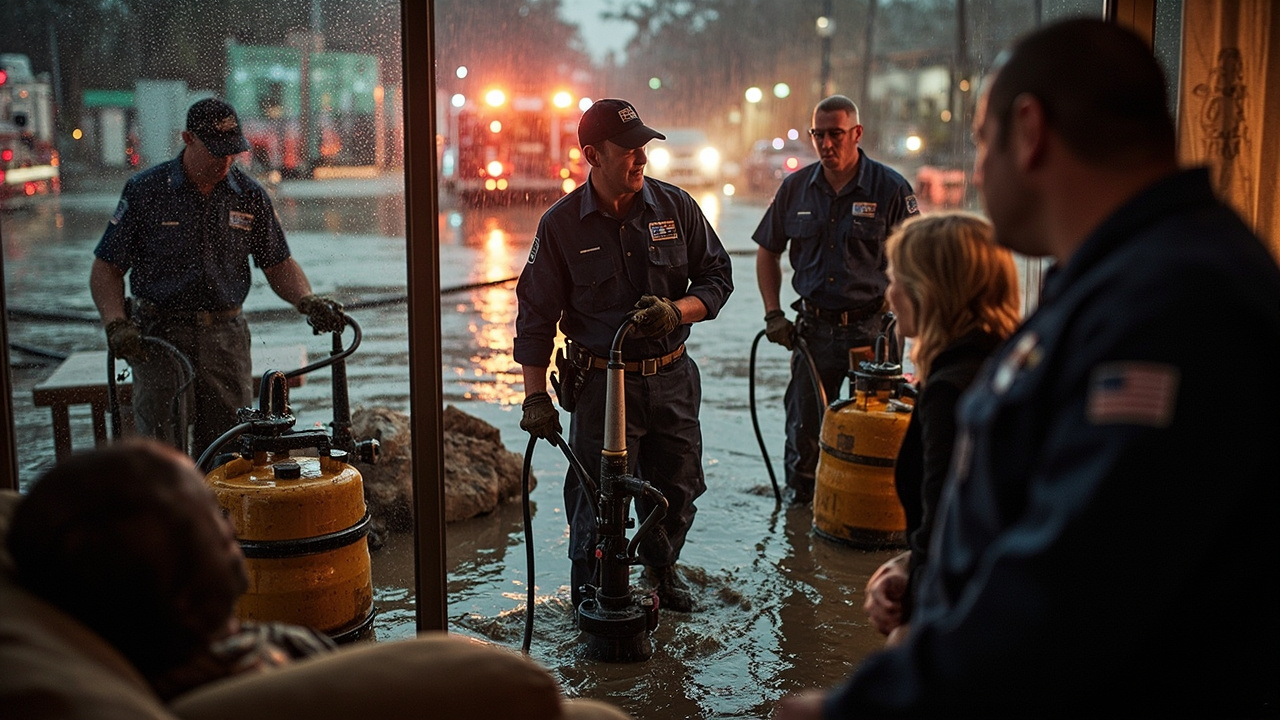
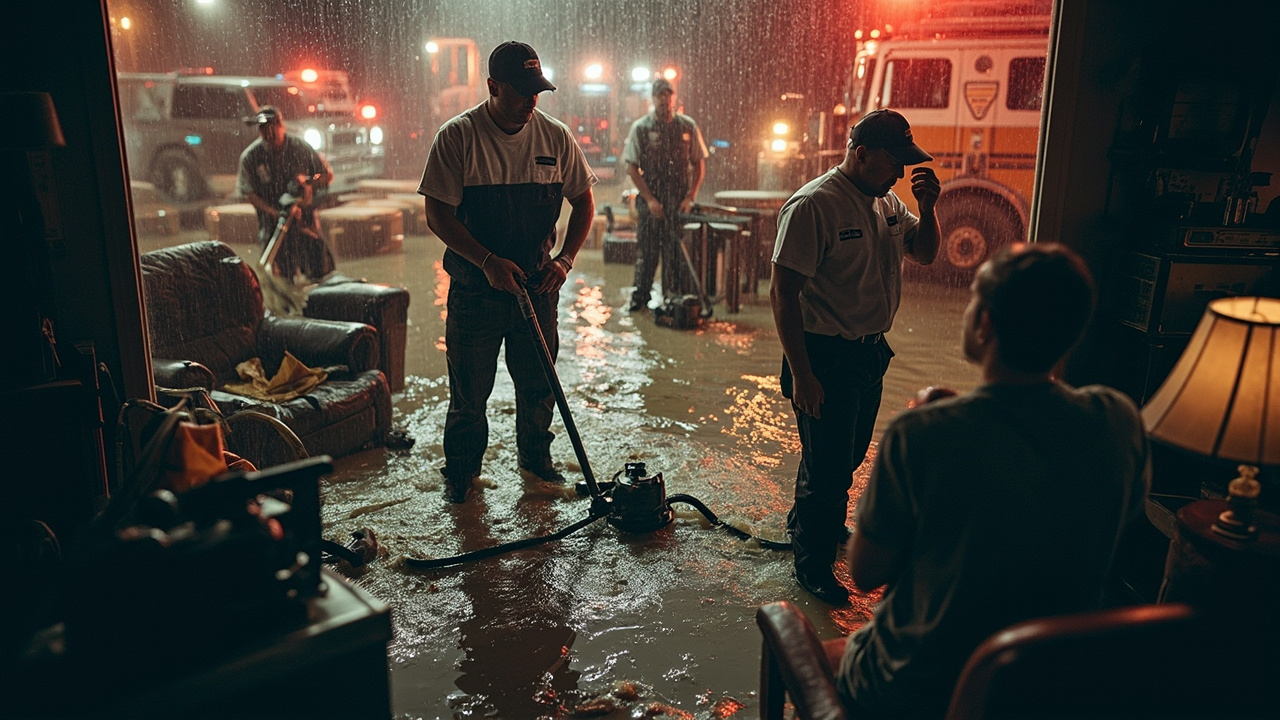
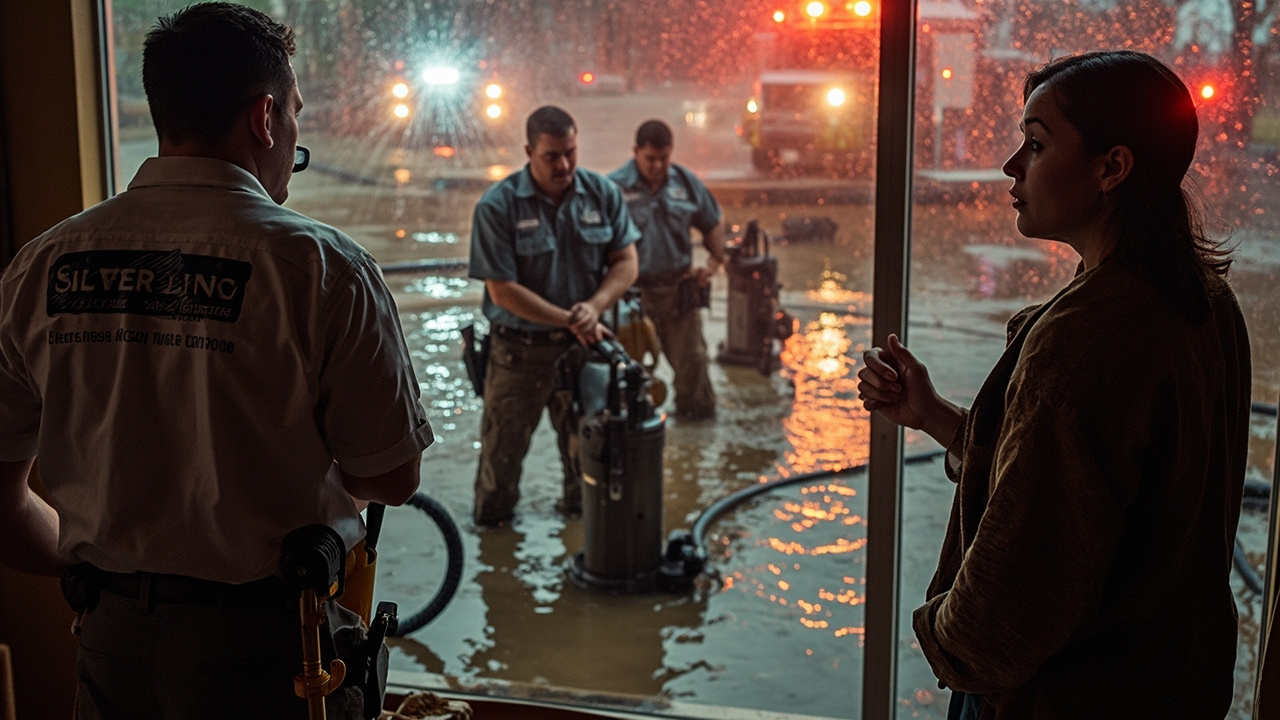
Next, we deploy truck-mounted extractors that remove thousands of gallons per hour. Portable submersible pumps handle standing water in basements and crawlspaces, while weighted extraction wands pull moisture from carpet padding and underlayment. We do not wait for gravity drainage. We force the water out.

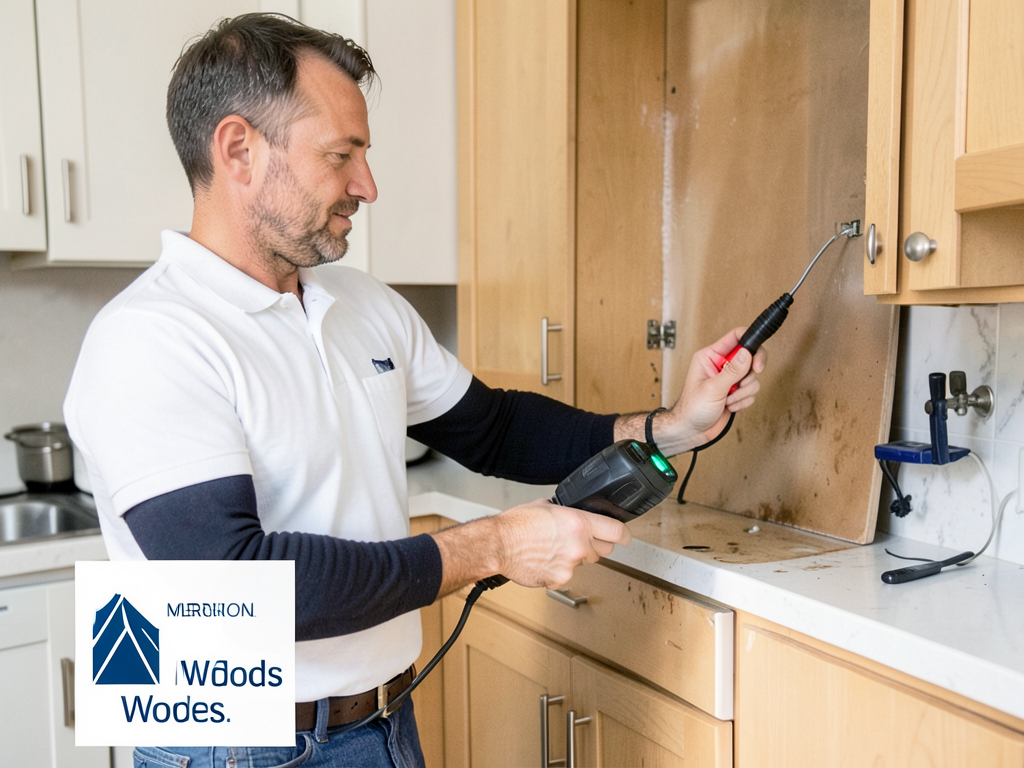
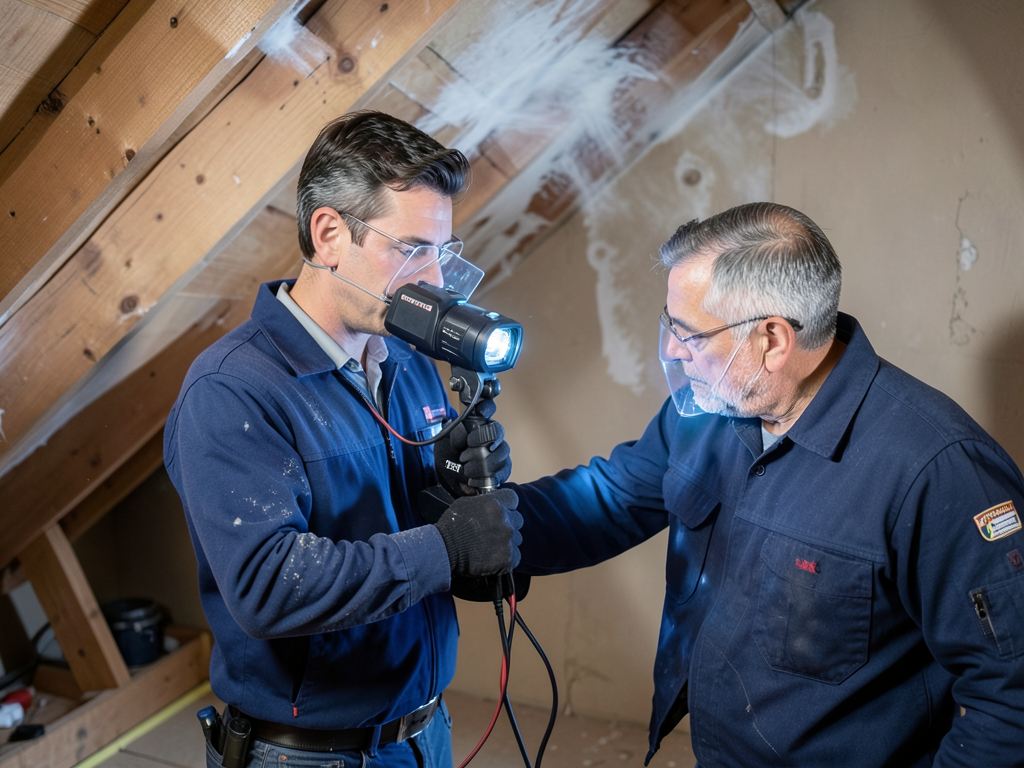
Once bulk extraction is complete, we use infrared thermal cameras to scan walls, ceilings, and subfloors. These tools reveal moisture pockets invisible to the naked eye. A wall may look dry on the surface, but thermal imaging shows a 12-degree temperature differential that indicates trapped water. We drill targeted ventilation ports and insert desiccant dehumidifiers to pull moisture from these hidden zones.

Air movement is the next critical phase. We position axial fans to create cross-ventilation patterns that accelerate evaporation. Low-grain refrigerant dehumidifiers process thousands of cubic feet per minute, stripping humidity from the air and preventing secondary damage. We monitor grain depression and vapor pressure deficit every four hours, adjusting equipment placement as conditions change.

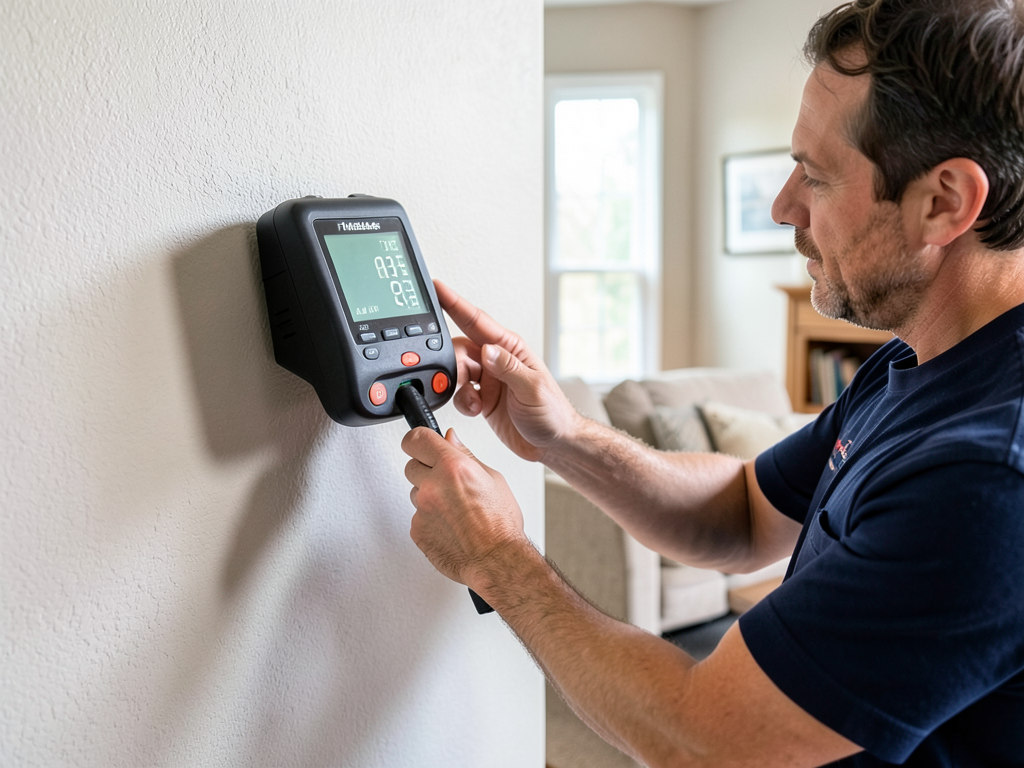
Our emergency flood repair company documents moisture content using pin-type and pinless meters. We take readings at multiple depths and compare them against ANSI/IICRC S500 standards for structural drying. When readings stabilize below 15 percent moisture content for 24 consecutive hours, we know the structure is dry enough to begin reconstruction. This is not guesswork. It is science-backed mitigation that protects your investment and your health.

What Happens When You Call for Storm Flooding Emergency Service

Storm Flooding Emergency Service in Raleigh – We Dispatch Crews Within 60 Minutes, 24/7
01

Immediate Dispatch and Assessment

Within 60 minutes of your call, a crew arrives with extraction equipment, moisture meters, and thermal imaging cameras. We perform a rapid triage assessment to identify active water sources, structural hazards, and contamination levels. You receive a verbal overview of the damage scope and the emergency mitigation plan before we begin work. This assessment also includes photo documentation required by most insurance carriers for flood claims.
02

Water Extraction and Containment

Our team removes all standing water using truck-mounted vacuums and submersible pumps, then establishes containment barriers to prevent cross-contamination between affected and unaffected areas. We remove saturated materials like carpet padding, baseboard trim, and damaged drywall that cannot be salvaged. Antimicrobial treatments are applied to all exposed surfaces to inhibit bacterial growth and odor. This phase typically takes four to eight hours depending on water volume and square footage.
03

Structural Drying and Verification

High-velocity air movers and commercial dehumidifiers run continuously for three to five days to eliminate residual moisture from framing, subfloors, and wall cavities. We monitor moisture levels twice daily and adjust equipment to optimize drying efficiency. Once moisture readings meet industry standards, we provide a certified dry-out report that satisfies insurance requirements and clears the way for reconstruction. This documentation protects you from future mold liability and claim disputes.

Why Raleigh Property Owners Choose Silverline for Flood Emergencies

When storm flooding destroys your sense of safety, you need a team that understands Raleigh's unique flood risks. We have worked in every neighborhood from Brier Creek to Garner, and we know how water behaves in this region. Homes near Crabtree Creek face flash flood surges that overwhelm window wells and seep through foundation cracks. Properties in low-lying areas like Millbrook experience sewer backups when municipal systems overflow during heavy rain events.

We do not treat every flood the same because the contamination source dictates the response protocol. Clean water from a burst pipe requires different antimicrobial treatment than gray water from an appliance discharge or black water from a sewer backup. Our crews follow IICRC S500 and S520 standards for water damage restoration and mold remediation, adjusting procedures based on contamination category and material porosity.

Raleigh's humid subtropical climate means mold growth is not a possibility. It is a certainty if you do not dry structures properly. We have seen too many homeowners attempt DIY flood cleanup, only to discover Stachybotrys and Aspergillus colonies spreading behind walls six weeks later. By that point, remediation costs triple and health complaints escalate.

Our company works directly with your insurance adjuster to streamline the claims process. We provide detailed moisture maps, equipment logs, and daily progress reports that satisfy even the strictest carriers. Most adjusters in the Triangle area recognize our documentation standards, which reduces claim disputes and speeds up your settlement.

You also need a restoration partner with the equipment capacity to handle large-scale flooding. We maintain a fleet of truck-mounted extractors, trailer-mounted dehumidifiers, and backup generators to ensure power failures do not interrupt your drying cycle. When Hurricane-force storms knock out electricity across Wake County, our crews keep working.

What to Expect During Emergency Flood Restoration

Response Time and Availability

We answer emergency calls 24 hours a day, 365 days a year. Our dispatch center routes your call to the nearest available crew, and we commit to on-site arrival within 60 minutes for most Raleigh locations. During severe weather events, response times may extend to 90 minutes due to road closures and high call volume, but we keep you updated every 15 minutes. Once on-site, our team begins water extraction immediately. There is no waiting period for estimates or approvals when your property is actively flooding. We stop the damage first, then handle the paperwork.

Initial Assessment and Scope Documentation

Our lead technician conducts a room-by-room inspection using thermal imaging and moisture meters to map the full extent of water intrusion. We classify the water source as clean, gray, or black water to determine the appropriate safety protocols and antimicrobial treatments. You receive a written scope of work that outlines the extraction plan, equipment requirements, estimated drying time, and preliminary cost range. This assessment also includes digital photos and moisture readings that your insurance carrier will require. We upload documentation to a secure portal you can access anytime to track progress and share with your adjuster.

Final Dry-Out and Clearance Testing

Once all moisture readings stabilize at safe levels, we perform final verification testing using both invasive and non-invasive methods. Pin-type meters measure moisture content inside wall studs, floor joists, and subflooring at depths up to two inches. Thermal imaging confirms there are no residual wet spots concealed behind finished surfaces. You receive a certified dry-out report that documents compliance with IICRC S500 standards. This report is critical if you plan to sell your home within the next few years, as it proves proper mitigation and protects you from future mold liability claims. We also provide recommendations for post-flood upgrades like sump pump installation or improved drainage grading.

Insurance Coordination and Claims Support

We work directly with your insurance company to streamline the claims process and maximize your settlement. Our project managers communicate with adjusters, provide detailed line-item estimates using Xactimate software, and supply all required documentation including moisture logs, equipment invoices, and photo evidence. We attend on-site inspections with your adjuster to ensure they understand the full scope of damage, including hidden moisture intrusion that may not be immediately visible. Most Raleigh-area carriers are familiar with our protocols, which reduces claim disputes and speeds up approval timelines. If your claim is denied or underpaid, we provide the technical documentation you need to file an appeal.

Frequently Asked Questions

You Have Questions,
We Have Answers

Do you call 911 if your house is flooding? +

Call 911 only if someone is injured, trapped, or in immediate danger. For active flooding without injury, shut off power at the breaker if safe, then call a 24/7 emergency water damage restoration company in Raleigh. Flooding spreads fast in Triangle-area homes due to crawl spaces and older foundation designs. Professional crews can extract water and prevent mold within hours. Document everything with photos for insurance. If severe weather caused the flood, monitor city alerts for sandbag stations or evacuation orders near Crabtree Creek or Walnut Creek areas.

How to apply for FEMA $750? +

FEMA's $750 Serious Needs Assistance is not automatic. You must first register with FEMA at DisasterAssistance.gov or call 800-621-3362 after a declared disaster in Wake County. Provide proof of identity, address, and damage. Approval takes days to weeks. This one-time payment covers immediate needs like food or shelter, not full repairs. Most Raleigh flood victims also file homeowners insurance claims simultaneously. A local restoration company can document damage properly for both FEMA and your insurer, which strengthens your case and speeds approval.

What are the emergency procedures for a flood? +

First, evacuate if water is rising or authorities order it. Move to higher ground. Second, shut off electricity at the main breaker if you can do so safely without entering water. Third, grab essentials like medications, documents, and pets. Fourth, call your insurance company immediately. Fifth, contact a 24/7 emergency restoration service in Raleigh to start water extraction. Time matters. Raleigh's humidity accelerates mold growth within 24 to 48 hours. Do not return until authorities confirm safety. Document all damage with photos before cleanup begins.

Who to call if you have a flood? +

Call a certified emergency water damage restoration company in Raleigh immediately. They dispatch crews 24/7 to extract water, dry structures, and prevent mold. Then contact your homeowners insurance provider to file a claim. Do not wait. Raleigh's humid subtropical climate accelerates secondary damage. If flooding resulted from a burst pipe or appliance failure, shut off the water source first. For storm-related flooding near Crabtree Creek or during hurricanes, monitor city alerts. Professional restoration crews handle insurance documentation and work directly with adjusters to streamline your claim.

Who to contact when there is a flood? +

Contact a local emergency water damage restoration company first. They respond 24/7 and start mitigation immediately. Next, call your homeowners insurance provider to open a claim. If flooding occurred during a federally declared disaster, register with FEMA at DisasterAssistance.gov or 800-621-3362. Raleigh's clay soil and drainage patterns can worsen basement and crawl space flooding, so speed matters. Professional restoration teams extract water, dry affected areas, and document damage for insurance. Do not delay. Mold can colonize within 48 hours in Triangle-area humidity.

What to do immediately after a flood? +

First, ensure safety. Do not enter if water contacted electrical outlets. Second, document everything with photos and videos for insurance. Third, call your insurance company and a 24/7 restoration service in Raleigh to start water extraction. Fourth, remove wet items like rugs and furniture if safe. Fifth, open windows for ventilation if weather permits. Raleigh's high humidity slows drying, so industrial dehumidifiers and air movers are critical. Do not use bleach on porous materials. Professional crews handle antimicrobial treatment and structural drying properly.

What is the average FEMA flood payout? +

FEMA grants average $5,000 to $10,000 for flood damage, but payouts vary widely based on damage severity and declared disaster type. FEMA assistance is not a replacement for flood insurance. It covers temporary housing, essential repairs, and personal property, but does not restore your home to pre-flood condition. Most Raleigh homeowners rely on private flood insurance policies through the National Flood Insurance Program, which cover up to $250,000 for structures. FEMA grants are supplemental. Always file insurance claims first and document damage professionally.

Does FEMA give money for flood damage? +

Yes, but only after a federally declared disaster in your county. FEMA provides grants for temporary housing, essential home repairs, and personal property replacement. This is not a loan. You do not repay it. However, FEMA does not cover full restoration costs. Wake County residents must register at DisasterAssistance.gov or call 800-621-3362. Approval takes weeks. Most Raleigh flood victims also carry private flood insurance through NFIP for comprehensive coverage. A local restoration company can document damage properly to strengthen both FEMA and insurance claims.

Who can help me with money urgently? +

For flood-related financial help, file homeowners insurance and flood insurance claims immediately. If a federal disaster is declared in Wake County, apply for FEMA assistance at DisasterAssistance.gov. Local nonprofits like the American Red Cross or United Way may offer emergency relief. The Small Business Administration provides low-interest disaster loans for homeowners. Some Raleigh-area churches and community groups offer short-term assistance. Your restoration company may work with insurance directly to minimize upfront costs. Avoid predatory lenders. Focus on legitimate insurance claims and federal disaster aid first.

What to do if your house is flooding? +

First, shut off electricity at the breaker if safe. Second, stop the water source if possible, like a burst pipe or appliance. Third, move valuables to higher ground. Fourth, call a 24/7 emergency water damage restoration company in Raleigh immediately. Fifth, contact your insurance provider. Do not wait. Raleigh's humidity accelerates mold growth within 24 to 48 hours. Do not use a shop vac for large floods. Professional crews use truck-mounted extractors and industrial dryers. Document damage with photos before cleanup. Speed saves your home and your claim.

How Raleigh's Clay Soil and Aging Drainage Systems Amplify Storm Flooding Damage

Raleigh sits on Cecil and Appling soil series, both clay-heavy compositions that absorb water slowly and shed runoff rapidly. When thunderstorms drop two to three inches in an hour, this soil cannot percolate the volume fast enough. Water sheets across yards, pools against foundations, and infiltrates basement walls through hydrostatic pressure. Neighborhoods built before 1990, like Mordecai and Budleigh, often lack modern French drains or exterior waterproofing membranes. Storm flooding emergency service in these areas requires aggressive extraction and foundation sealing to prevent recurring intrusion during future rain events.

Our crews train specifically on Raleigh's building code amendments related to flood mitigation and moisture control. Wake County enforces strict vapor barrier requirements for crawlspace encapsulation and mandates proper grading away from structures in flood-prone zones. When we perform emergency flood repair, we ensure all work complies with local ordinances so you pass future inspections and avoid code violations that could complicate insurance claims or property sales. Choosing a restoration company that understands Raleigh's regulatory environment protects your investment and ensures long-term structural integrity.
Water Damage Restoration Services in The Raleigh Area

While based in Raleigh, Silverline proudly serves the surrounding areas, providing expert water damage restoration wherever you are. Our interactive map allows you to visualize our service radius and plan your visit, or simply understand our immediate response capabilities. We are dedicated to reaching you quickly, ensuring prompt and efficient service for your home or business, no matter your precise location within our service area, ready to assist.

Address:
Silverline Water Damage Restoration Raleigh, 306 E Hargett St, Raleigh, NC, 27601

Additional Services We Offer

Our news updates

Latest Articles & News from The Blogs

Copper Pipe Leak Repair & Water Damage Restoration in Raleigh, NC Copper pipe pinhole leaks silently damage Stonehenge homes built…

Dealing with Copper Pipe Pinholes and Slow Leaks in Stonehenge Homes

Copper Pipe Leak Repair & Water Damage Restoration in Raleigh, NC Copper pipe pinhole leaks silently damage Stonehenge homes built…

Replacing Water Damaged Subfloors Under Your New LVP in North Raleigh

Replacing Water Damaged Subfloors Under Your New LVP in North Raleigh Water damage beneath luxury vinyl plank flooring in North…

Fast Flood Cleanup for Daycares and Schools in the Forestville Area

Fast Flood Cleanup for Daycares and Schools in the Forestville Area When water floods a daycare or school in Forestville…

Contact Us

Every minute of delay increases your damage and your claim cost. Our crews are standing by right now to dispatch to your Raleigh property. Call (984) 294-5900 to speak with an emergency technician who will route help to your location immediately.