Menu

Water Mitigation vs Restoration in Raleigh – Know the Difference Before Your Insurance Claim Gets Denied

Understanding water damage mitigation vs restoration protects your property and your wallet when Raleigh's humid climate and sudden storms strike your home or business.

Slider Image 1
Slider Image 2
Slider Image 3
Slider Image 4
Slider Image 5
Slider Image 7
Slider Image 8
Slider Image 9
Slider Image 10
Slider Image 11

Why Raleigh Property Owners Confuse Water Mitigation and Restoration

When water floods your basement in Five Points or a pipe bursts in North Hills, you need help fast. But the difference between water mitigation and restoration determines whether you spend thousands or tens of thousands on repairs.

Raleigh's humid subtropical climate creates year-round water damage risks. Summer thunderstorms drop inches of rain in minutes. Winter freeze-thaw cycles crack pipes in older neighborhoods like Mordecai and Oakwood. The clay soil common across Wake County shifts foundations, creating entry points for groundwater. These conditions make understanding water damage mitigation vs restoration critical for Triangle homeowners.

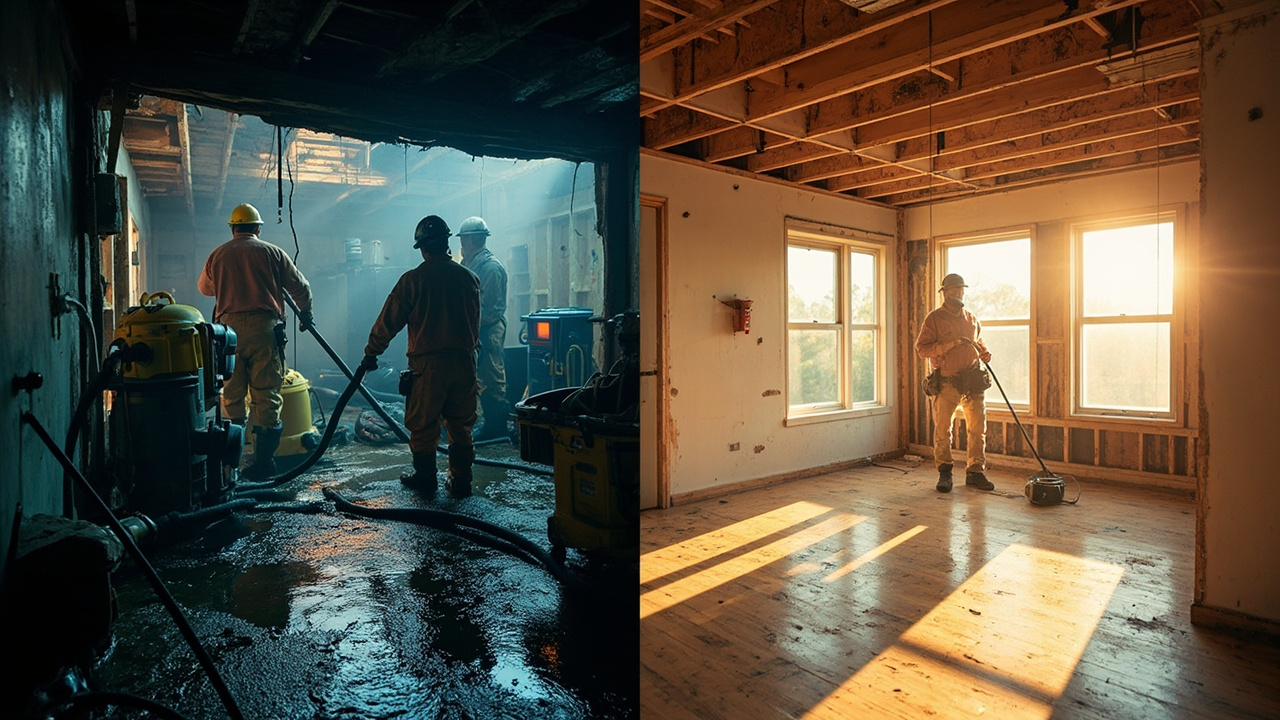
Water mitigation stops damage from getting worse. It happens first, within hours of discovery. Water remediation focuses on extraction, drying, and preventing mold growth in Raleigh's 75% average humidity. Think of it as emergency medicine for your property.

Water restoration rebuilds what was damaged. It happens after mitigation, sometimes weeks later. This is the difference between mitigation vs reconstruction. Restoration replaces drywall, flooring, and cabinets. It returns your space to pre-loss condition.

Most property owners searching "water cleanup vs water repair" do not realize these are separate phases with different timelines, costs, and insurance implications. Skipping proper mitigation leads to mold within 48 hours in Raleigh's climate. Starting reconstruction before complete drying traps moisture behind new materials. Both mistakes cost you money and create health hazards.

The confusion costs Raleigh residents thousands in denied claims and repeated repairs every year.

Why Raleigh Property Owners Confuse Water Mitigation and Restoration
How Professional Water Damage Response Actually Works

How Professional Water Damage Response Actually Works

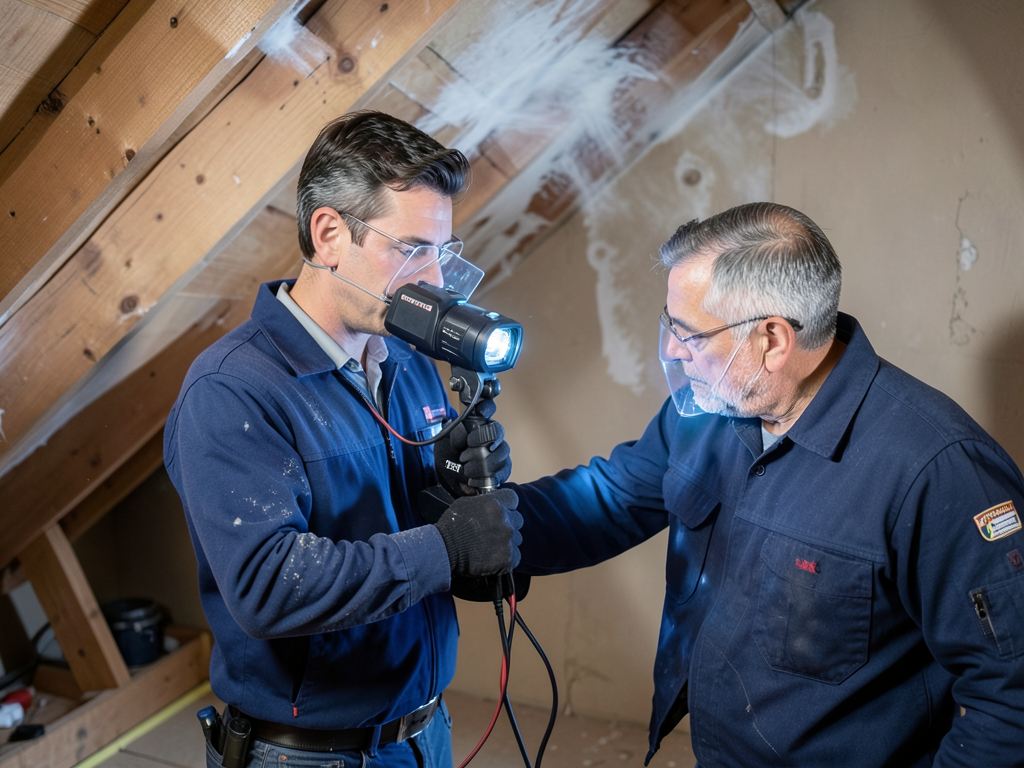
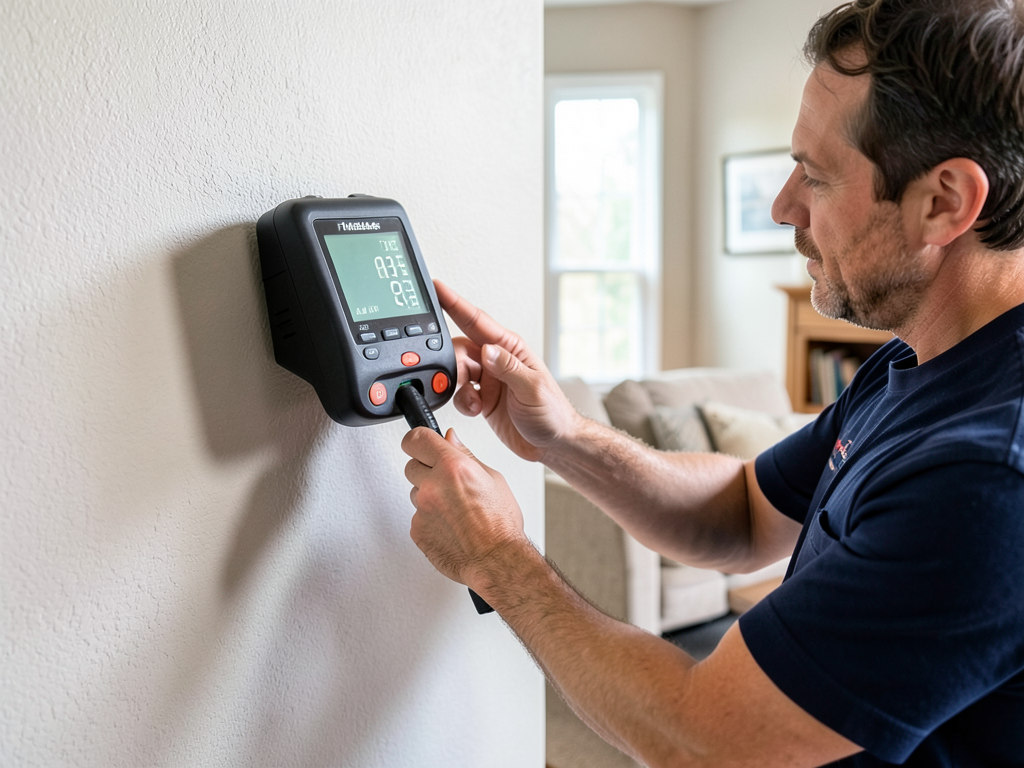
Water mitigation begins the moment you call. Technicians arrive with moisture meters, thermal imaging cameras, and industrial extraction equipment. They locate all affected areas, including hidden moisture in wall cavities and subfloors common in Raleigh's crawl space construction.

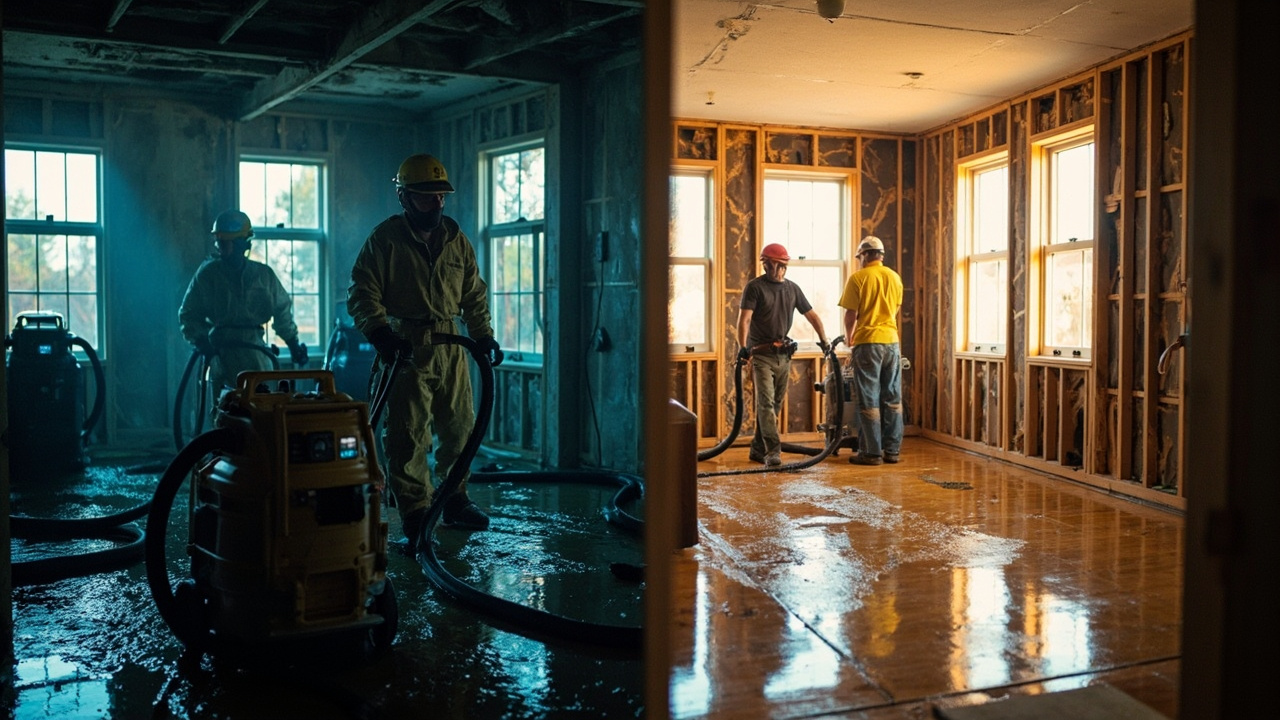
The mitigation team extracts standing water using truck-mounted pumps capable of removing thousands of gallons per hour. They deploy air movers and dehumidifiers calibrated to Raleigh's specific humidity levels. Technicians monitor moisture readings daily until materials reach acceptable drying standards, typically 48 to 72 hours for surface water, longer for structural saturation.

This phase focuses entirely on stabilization. Teams remove wet contents, treat surfaces with antimicrobial agents to prevent mold, and document everything for insurance. The goal is stopping secondary damage, not making your home look normal again.

Water restoration begins only after complete drying verification. Restoration contractors handle reconstruction work like replacing insulation, hanging drywall, installing new flooring, and repainting. In Raleigh homes with hardwood floors, this often means addressing subfloor damage caused by humidity penetration.

Many restoration projects require permits from the City of Raleigh, especially when electrical or plumbing systems need replacement. Contractors familiar with local building codes navigate inspections for HVAC modifications in finished basements and structural repairs to floor joists weakened by prolonged moisture exposure.

The water remediation vs restoration distinction matters for scheduling, budgeting, and insurance coordination. Mitigation companies often partner with restoration contractors, but they perform fundamentally different functions. Trying to skip mitigation and jump to restoration guarantees future problems and potential claim denials.

What Happens When You Call for Water Damage Help

Water Mitigation vs Restoration in Raleigh – Know the Difference Before Your Insurance Claim Gets Denied
01

Emergency Mitigation Response

Technicians assess damage severity within one hour of your call. They identify water sources, classify contamination levels, and map affected zones using moisture detection equipment. Extraction begins immediately to prevent basement flooding from reaching floor joists or Category 3 sewage backup from contaminating porous materials. This emergency phase focuses on damage containment, not cosmetic repair.
02

Controlled Drying Process

Industrial dehumidifiers and air movers run continuously for 48 to 96 hours, monitored through daily moisture readings. Technicians adjust equipment placement based on drying progress in wall cavities, carpet padding, and wooden structural members. In Raleigh's humid conditions, professional drying prevents mold colonization that begins within 24 to 48 hours. Antimicrobial treatments protect vulnerable surfaces during this critical window.
03

Restoration and Rebuilding

After moisture levels meet industry standards, restoration contractors rebuild damaged areas. This includes subfloor replacement, drywall installation, flooring, trim work, and paint. Restoration timelines vary from days for minor repairs to weeks for whole-room reconstruction. Licensed contractors ensure work meets North Carolina building codes and passes required inspections. Your property returns to pre-loss condition with proper materials and workmanship.

Why Local Expertise Matters for Raleigh Water Damage

Raleigh water damage presents unique challenges that out-of-town contractors often miss. Historic homes in Mordecai and Oakwood have pier and beam foundations vulnerable to crawl space flooding. Mid-century homes in Cameron Village feature cast iron drain pipes prone to failure. Newer construction in North Hills and Brier Creek uses oriented strand board subfloors that delaminate rapidly when wet.

Teams familiar with Wake County respond faster because they know the neighborhoods. They understand that homes near Crabtree Creek face flood risks during tropical storms. They recognize that properties near NC State's campus often have finished basements vulnerable to sewer backups during heavy rain events.

Local mitigation specialists maintain relationships with Raleigh insurance adjusters. They document losses according to carrier-specific requirements, reducing claim disputes. They know which local restoration contractors deliver quality work on reasonable timelines. This coordination speeds the entire process from emergency call to final inspection.

Understanding the difference between water mitigation and restoration protects your investment. Mitigation companies certified by the Institute of Inspection, Cleaning and Restoration Certification follow standardized protocols for extraction, drying, and antimicrobial treatment. Restoration contractors licensed through the North Carolina Licensing Board for General Contractors handle structural repairs safely and legally.

Choosing providers who specialize in Raleigh properties means working with teams who understand local building materials, climate challenges, and code requirements. They know that improper drying in our humid climate creates mold problems. They know that restoration work without permits risks insurance claim denial. This local knowledge makes the difference between a successful recovery and a costly disaster.

What to Expect During Water Damage Recovery

Response Time and Availability

Professional mitigation teams in Raleigh operate 24 hours a day, 365 days a year. Emergency response typically begins within 60 to 90 minutes of your call, critical when water spreads through flooring or ceiling cavities. Technicians arrive with truck-mounted extraction equipment and portable generators for power outage situations. The first four hours determine whether you face minor repairs or major reconstruction. Fast mitigation response in Raleigh's humid climate prevents mold growth that begins within 24 to 48 hours. Delays cause exponential damage increases, turning a contained bathroom leak into a whole-floor restoration project.

Assessment and Documentation Process

Technicians use thermal imaging cameras to detect hidden moisture in walls, ceilings, and subfloors. Moisture meters measure water content in wood framing, drywall, and flooring materials. They photograph all affected areas and create detailed loss inventories for insurance claims. Water damage gets classified as Category 1 (clean water), Category 2 (gray water), or Category 3 (black water), determining cleanup protocols and safety requirements. Proper documentation prevents claim disputes and ensures appropriate remediation methods. Most assessments take 30 to 60 minutes and include a written mitigation plan outlining equipment placement, estimated drying time, and affected materials requiring removal or restoration.

Drying Results and Quality Standards

Professional drying brings materials to industry-standard moisture levels, typically 12% to 15% for wood and below 1% for concrete. Technicians verify dryness through daily moisture readings, adjusting equipment as needed. In Raleigh's climate, surface drying happens within 48 to 72 hours, but structural components like floor joists and wall studs require longer. Rushed drying traps moisture, guaranteeing mold growth and material failure. Complete mitigation includes antimicrobial treatment on all affected surfaces and air quality testing before restoration begins. You receive final documentation showing moisture readings returned to normal, protecting you from future liability if problems emerge.

Post-Restoration Monitoring and Protection

Quality restoration contractors provide documentation for all replaced materials, permits, and inspection results. They explain maintenance requirements for new flooring, drywall, and paint in humid conditions. Many offer moisture monitoring services for 30 to 60 days post-restoration, catching hidden problems before they cause visible damage. This followup matters in Raleigh where seasonal humidity fluctuations stress building materials. Contractors should provide care instructions for preventing future water damage, including gutter maintenance, foundation grading, and plumbing inspection schedules. Proper restoration work carries warranties covering workmanship defects, though these typically exclude new water intrusion events or owner neglect.

Frequently Asked Questions

You Have Questions,
We Have Answers

What is the difference between water restoration and mitigation? +

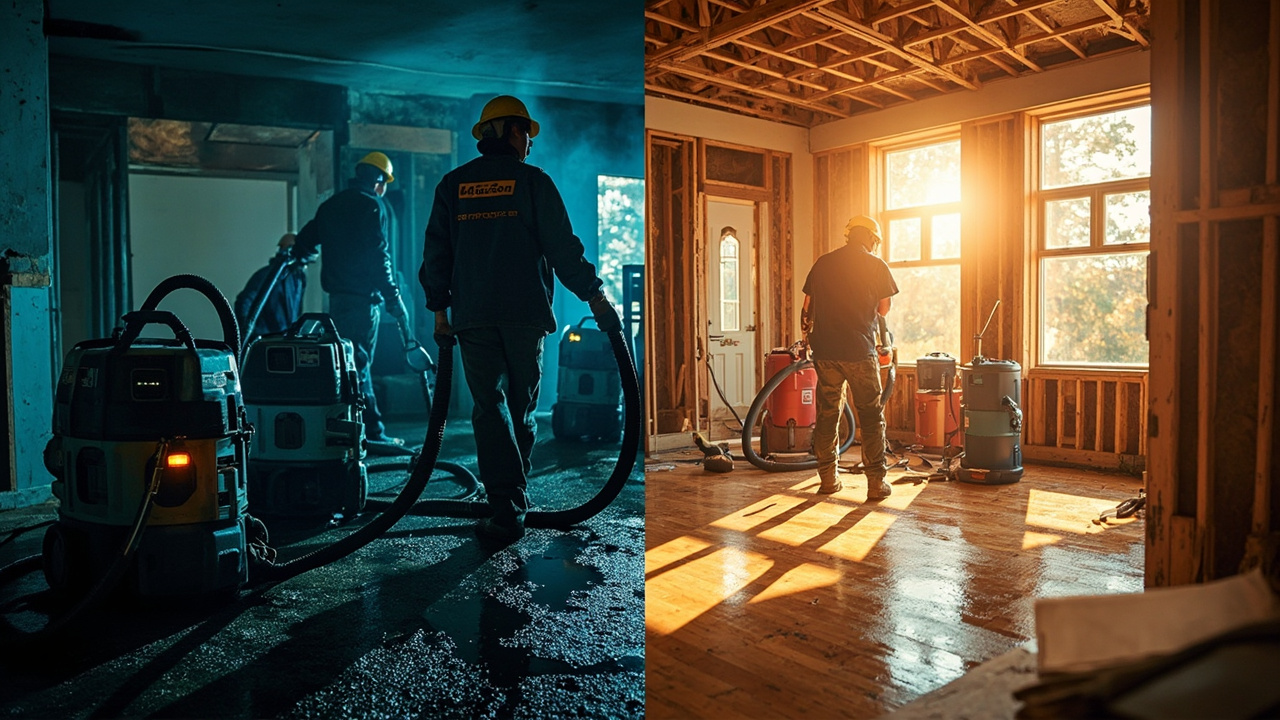
Water mitigation is the immediate response to stop damage from spreading. It includes water extraction, drying, and securing the structure within hours of the event. Restoration is the rebuild phase. This means replacing drywall, repainting, and returning your property to pre-loss condition. Think of mitigation as emergency medicine and restoration as surgery. In Raleigh, high humidity can accelerate mold growth within 24 to 48 hours, so mitigation speed matters. Most companies handle both phases, but mitigation always comes first to prevent further loss.

What is the average cost of water mitigation? +

Water mitigation costs in Raleigh range based on water category, affected square footage, and structural access. A small bathroom leak might run a few hundred dollars. A flooded basement or sewage backup can climb into the thousands. Key cost drivers include equipment rental, labor hours, antimicrobial treatments, and disposal fees. Your homeowner's insurance often covers mitigation if the cause is sudden and accidental, like a burst pipe. Get a detailed written estimate before work begins. Delaying mitigation increases cost because damage spreads fast in our humid climate.

Will insurance cover water mitigation? +

Most homeowner's policies cover water mitigation if the damage results from a sudden, accidental event like a burst pipe, appliance failure, or storm-related roof leak. Gradual damage from long-term leaks or poor maintenance is usually excluded. Flood damage requires separate flood insurance through FEMA. Your adjuster will classify the water source and review your policy terms. In Raleigh, documenting the timeline is critical. Take photos, save receipts, and call your insurance company within 24 hours to start your claim and maximize your coverage.

Do I need water mitigation? +

If you have standing water, saturated drywall, or wet flooring, you need water mitigation immediately. Waiting even 24 hours in Raleigh's humid conditions allows mold spores to colonize porous materials. You cannot see moisture trapped inside wall cavities or under flooring without thermal imaging or moisture meters. Professional mitigation prevents secondary damage like structural rot, buckled hardwood, and electrical hazards. If you smell musty odors or see discoloration, moisture is already present. Acting fast reduces repair costs and protects your health and property value.

Is mitigation the same as restoration? +

No. Mitigation is emergency damage control. Restoration is the rebuild. Mitigation removes water, dries structure, and prevents mold. Restoration replaces damaged materials and returns your home to normal. You cannot skip mitigation and jump to restoration. Mold will grow behind new drywall if moisture remains. In Raleigh, our clay soils and seasonal storms make complete drying essential before any cosmetic work begins. Most restoration companies offer both services in sequence, but mitigation is always the first critical step after water intrusion.

Can I do water mitigation myself? +

You can remove standing water with a wet vac and run fans, but you will miss hidden moisture. Professionals use infrared cameras, hygrometers, and industrial dehumidifiers to measure moisture content inside walls and subfloors. Raleigh's high humidity slows surface evaporation, trapping moisture in structural cavities. Incomplete drying leads to mold, wood rot, and failed insurance claims. If the damage involves sewage, black water, or affects multiple rooms, call a licensed mitigation company. Incorrect drying often costs more to fix later than hiring professionals upfront.

How long should water mitigation take? +

Most residential water mitigation takes three to five days depending on water volume, affected materials, and humidity levels. Extraction happens within hours. Drying requires 72 hours minimum using commercial air movers and dehumidifiers. Raleigh's outdoor humidity can extend drying times, especially in crawlspaces and basements. Technicians monitor moisture readings daily until materials reach safe levels. Sewage or storm flooding takes longer due to contamination protocols. Mitigation is complete only when moisture meters confirm dry readings, not when surfaces feel dry to touch.

How is water mitigation done? +

Water mitigation follows a structured process. Technicians first inspect and classify the water source as clean, gray, or black. Next, they extract standing water using truck-mounted pumps or portable extractors. Then, they remove unsalvageable materials like soaked insulation or padding. Industrial air movers and dehumidifiers dry remaining structure. Antimicrobial treatments prevent mold on porous surfaces. In Raleigh, technicians monitor indoor humidity and moisture content daily using meters. Documentation includes photos and moisture logs for your insurance claim. The process ends when all materials reach safe moisture thresholds.

Is water damage restoration worth it? +

Yes. Water damage compounds fast. What starts as a ceiling stain becomes sagging drywall, mold contamination, and structural rot within days. In Raleigh, high humidity accelerates microbial growth. Professional restoration prevents health hazards, preserves property value, and satisfies insurance requirements. Mold remediation alone can cost thousands if you delay. Restored properties appraise higher than homes with hidden water damage. If your insurance covers the loss, you pay only your deductible. Skipping restoration to save money often results in uninsurable conditions and decreased resale value.

How to dry out walls after a water leak? +

Turn off the water source immediately. Remove baseboards and drill small weep holes at the bottom of the drywall to release trapped water. Run fans angled at walls and use a dehumidifier to pull moisture from the air. In Raleigh, high ambient humidity slows drying, so close windows and run HVAC to control indoor conditions. Check moisture levels with a meter every 24 hours. If readings stay elevated after 72 hours, you likely have trapped moisture requiring professional extraction. Wet insulation inside walls must be removed to prevent mold.

How Raleigh's Clay Soil and Humidity Complicate Water Damage Recovery

Wake County's expansive clay soil shifts dramatically with moisture changes, creating foundation movement that cracks basement walls and floors. These cracks provide pathways for groundwater intrusion during Raleigh's heavy spring rains and tropical storm events. The region's 75% average humidity slows evaporation, extending drying times compared to arid climates. Water cleanup vs water repair becomes critical when humidity prevents proper drying. Materials that would dry in 48 hours in Denver require 96 hours in Raleigh. This extended timeline increases mold risk and mitigation costs, making professional equipment and monitoring necessary for safe recovery.

Silverline Water Damage Restoration Raleigh understands these local challenges because we work exclusively in the Triangle area. Our technicians know which neighborhoods built on clay soil face recurring foundation issues. We recognize construction methods common to different Raleigh eras and how they respond to water damage. Our relationships with local insurance adjusters, building inspectors, and restoration contractors streamline the recovery process. We maintain equipment inventories sized for Raleigh's climate, including commercial-grade dehumidifiers capable of handling our humidity levels. This local expertise ensures proper mitigation and restoration, protecting your property value and your health.
Water Damage Restoration Services in The Raleigh Area

While based in Raleigh, Silverline proudly serves the surrounding areas, providing expert water damage restoration wherever you are. Our interactive map allows you to visualize our service radius and plan your visit, or simply understand our immediate response capabilities. We are dedicated to reaching you quickly, ensuring prompt and efficient service for your home or business, no matter your precise location within our service area, ready to assist.

Address:
Silverline Water Damage Restoration Raleigh, 306 E Hargett St, Raleigh, NC, 27601

Additional Services We Offer

Our news updates

Latest Articles & News from The Blogs

Replacing Water Damaged Subfloors Under Your New LVP in North Raleigh Water damage beneath luxury vinyl plank flooring in North…

Replacing Water Damaged Subfloors Under Your New LVP in North Raleigh

Replacing Water Damaged Subfloors Under Your New LVP in North Raleigh Water damage beneath luxury vinyl plank flooring in North…

Fast Flood Cleanup for Daycares and Schools in the Forestville Area

Fast Flood Cleanup for Daycares and Schools in the Forestville Area When water floods a daycare or school in Forestville…

Professional Water Damage Restoration for Medical Offices Near Rex Hospital

Professional Water Damage Restoration for Medical Offices Near Rex Hospital When water floods a medical office the stakes go far…

Contact Us

Water damage worsens every hour you wait. Call Silverline Water Damage Restoration Raleigh at (984) 294-5900 for immediate mitigation response. Our certified technicians arrive within 60 minutes with professional extraction and drying equipment. We work directly with your insurance company and handle the entire process from emergency mitigation through final restoration.