


Wake Forest sits in the Piedmont region where clay-heavy soil creates drainage problems that funnel water toward foundation walls. Neighborhoods near Smith Creek and Richland Creek flood during heavy rains, while homes in Heritage and Harris Crossing deal with poor lot grading from rapid development. The area's humid subtropical climate keeps relative humidity above 70 percent for months, creating perfect conditions for mold growth within 48 hours of water intrusion.
Local building codes require proper vapor barriers, but many older homes near downtown Wake Forest were built before modern moisture management standards. When HVAC condensate lines clog or washing machine hoses fail, water seeps into crawl spaces where inadequate ventilation traps moisture against floor joists. Winter freeze-thaw cycles crack exterior pipes, and spring storms overwhelm gutters on homes with mature oak canopies.
Wake County's construction boom means newer homes in Holding Village and Traditions often have complex plumbing runs through attic spaces. When a fitting fails in 100-degree attic temperatures, homeowners face ceiling collapse and insulation saturation. Understanding these regional factors helps us respond faster and target the actual source of water intrusion in your specific neighborhood.
Silverline Water Damage Restoration Raleigh operates from our Raleigh facility with dedicated crews covering Wake Forest and northern Wake County. We maintain relationships with local plumbers, electricians, and contractors who understand the area's building characteristics, so we coordinate full repairs without delays. When you call our emergency line, you reach our dispatch center, not an answering service. We send a project manager to your property who stays with your job from water extraction through final clearance testing.
Our technicians hold IICRC certifications in water damage restoration and applied structural drying. We follow ANSI-approved protocols for moisture mapping and use thermal imaging to find hidden water in wall cavities and under flooring. Every job gets documented with photo evidence and moisture readings that insurance adjusters need for claims processing. We submit estimates directly to your carrier and handle the paperwork while you focus on getting your life back to normal.
We invest in truck-mounted extraction units that pull thousands of gallons per hour, commercial dehumidifiers rated for North Carolina humidity levels, and air movers designed for quick-dry applications. When a washing machine floods your laundry room at midnight, we arrive with the equipment to prevent subfloor damage and stop water from spreading to adjacent rooms. Speed matters because water wicks through drywall and insulation, expanding the damage zone every hour. Our 60-minute response time for Wake Forest stops small problems from becoming total renovations.

Our Wake Forest crews deploy within one hour of your call, arriving with truck-mounted extraction equipment and industrial drying systems. We stop water migration immediately, preventing damage from spreading to unaffected areas of your home. Fast response reduces total restoration costs and gets you back in your space sooner.

We communicate directly with your insurance adjuster, providing detailed documentation with moisture readings, thermal images, and scope of loss reports. Our estimates follow Xactimate pricing that carriers accept without disputes. We handle the paperwork so you avoid claim denial from improper documentation or missed deadlines.
Every crew member holds current certification from the Institute of Inspection, Cleaning and Restoration Certification. We follow industry-standard protocols for water classification, moisture mapping, and structural drying. Our training ensures we identify hidden damage that untrained crews miss, preventing mold growth and structural failure down the road.
We know which neighborhoods flood during storms, which subdivisions have problematic soil drainage, and which builders cut corners on moisture barriers. This local expertise helps us find the source of water intrusion faster and recommend permanent solutions that prevent repeat damage specific to your property's location and construction.
Water damage restoration requires multiple specialized services working in sequence to fully dry your property and prevent secondary damage. Silverline provides the complete range of water mitigation, structural drying, and reconstruction services Wake Forest homeowners need after floods, pipe failures, or storm damage. We handle everything from initial emergency water removal through final repairs, eliminating the need to coordinate multiple contractors.
Our service approach starts with rapid water extraction to stop ongoing damage, then shifts to controlled structural drying using commercial dehumidifiers and air movers. Once materials reach acceptable moisture levels, we move into cleaning, sanitizing, and rebuilding damaged areas. This integrated approach ensures proper sequencing, prevents gaps between phases, and gives you a single point of contact throughout your recovery. We categorize our services by the type and severity of water damage your property experienced.
When water floods your home, our crews arrive with truck-mounted extractors that remove standing water in minutes. We pull water from carpets, pad, and subfloors before it saturates structural materials. Emergency board-up protects properties with roof damage, and we move furniture to prevent staining and collapse. Fast extraction stops water from migrating to unaffected rooms and reduces total drying time by days. This initial response determines whether you face a manageable cleanup or a total renovation.
After extraction, we place commercial dehumidifiers and air movers throughout affected areas to pull moisture from building materials. We monitor progress with moisture meters and thermal cameras, adjusting equipment daily until wood framing, drywall, and insulation reach acceptable levels. Proper drying prevents mold growth, wood rot, and structural failure. We follow IICRC drying standards that specify target moisture content for different materials. Wake Forest's high humidity makes controlled drying critical because ambient air contains too much moisture for passive evaporation.
Sewage backups and toilet overflows require specialized handling because contaminated water carries bacteria and pathogens. We suit up in protective equipment to remove category 3 water, dispose of porous materials that absorbed sewage, and sanitize all surfaces with EPA-registered antimicrobials. We remove baseboards to dry wall cavities and apply antifungal treatments to prevent mold. Insurance companies require documented sanitization procedures for contaminated water claims, and we provide the detailed reports adjusters need to approve full remediation costs.
Wake Forest homeowners face water damage from multiple sources throughout the year. Spring storms drop heavy rainfall that overwhelms drainage systems, while summer humidity creates condensation problems in poorly ventilated crawl spaces. Winter brings frozen pipes, and year-round appliance failures flood kitchens and laundry rooms without warning. The area's clay soil drains poorly, directing water toward foundation walls where it seeps through cracks and cold joints.
Older homes near downtown Wake Forest often lack proper vapor barriers and have outdated plumbing that fails under normal use. Newer construction in subdivisions like Holding Village deals with construction defects and warranty issues that leave homeowners stuck between builders and insurance companies. Understanding these common scenarios helps you recognize warning signs before minor leaks become major disasters requiring full remediation and reconstruction.
Supply line failures dump hundreds of gallons into your home before you can shut off the main valve. Water sprays behind walls and soaks insulation, drywall, and flooring. Washing machine hoses split without warning, and water heater tanks develop pinhole leaks that flood garages and utility rooms. These failures require immediate extraction and structural drying to prevent mold growth and subfloor damage.
Heavy rains overwhelm gutters and foundation drainage, pushing water through basement walls and crawl space vents. Neighborhoods near Smith Creek flood when the waterway overtops its banks during severe weather. Wind-driven rain enters through damaged roof shingles and failed flashing. Storm water carries contaminants that require sanitization during cleanup, and delayed response leads to ceiling collapse and structural damage.
Slow leaks behind walls go unnoticed for months, rotting framing and growing mold inside wall cavities. HVAC condensate lines clog and overflow into ceiling spaces, staining drywall and damaging insulation. Roof leaks around chimneys and skylights drip onto attic insulation during every rain. These hidden problems require moisture mapping with thermal cameras to locate the full extent of damage before repairs begin.
Main sewer line blockages force sewage back through floor drains and toilets, flooding basements and crawl spaces with contaminated water. Tree roots infiltrate aging clay sewer pipes, and septic systems fail during heavy rain. Category 3 water requires complete removal of porous materials, thorough sanitization, and antimicrobial treatment. Improper cleanup leaves behind bacteria and pathogens that create health hazards.
When water floods your Wake Forest home, you need immediate answers and fast action. Our process starts the moment you call our emergency line. You speak directly with our dispatch center, describe your situation, and get an arrival time. We ask key questions to determine what equipment to bring and whether you need emergency services like water shutoff or power disconnection. Our project manager calls you while en route to confirm access and discuss any immediate concerns.
We understand you are dealing with a crisis. Water is spreading, belongings are at risk, and you need someone to take control of the situation. Our approach focuses on stopping damage immediately, documenting everything for your insurance claim, and communicating clearly about what happens next. You will know what we are doing, why we are doing it, and how long each phase takes. We set realistic expectations and deliver on our commitments.
Our crew arrives within 60 minutes with extraction equipment and moisture detection tools. We perform a room-by-room assessment, identifying the water source, affected materials, and contamination level. You receive a verbal explanation of what we found and what needs to happen next. We take photos and moisture readings for insurance documentation. If emergency extraction is needed, we start immediately while explaining our process. You get straightforward answers about timeline and costs before work begins.
Your project manager contacts you daily with progress updates and moisture readings. We explain what the numbers mean and when materials will reach acceptable dryness levels. If we discover hidden damage during drying, we photograph it, document it, and discuss options before proceeding. We coordinate with your insurance adjuster and provide the detailed estimates and reports they require. You receive copies of all documentation, moisture logs, and equipment placement diagrams. No surprises, no runaround.
Once structural drying is complete, we move into repairs and reconstruction. We replace damaged drywall, flooring, and trim to match existing finishes. If mold testing is needed, we coordinate with certified hygienists and provide clearance reports. Your project manager conducts a final walkthrough, verifying that all work meets quality standards and your expectations. We provide warranty documentation and remain available if questions arise after job completion. Your home returns to pre-loss condition.
We follow a proven three-phase process that stops damage, dries your property completely, and restores your home to pre-loss condition. This structured approach ensures nothing gets missed and every step builds on the previous one.
We arrive with truck-mounted extractors and portable pumps to remove standing water from floors, carpets, and padding. We extract water from wall cavities using injection ports and pull moisture from subfloors before it spreads to adjacent rooms. Emergency board-up protects properties with roof damage. We move furniture to dry areas and remove wet contents for cleaning. This phase typically takes 2-4 hours depending on water volume and affected area size.
We place commercial dehumidifiers and air movers throughout your property to create controlled drying conditions. We monitor progress daily with moisture meters, adjusting equipment placement as materials dry. We remove wet insulation and non-structural materials that will not dry properly. This phase takes 3-7 days for most jobs, longer for severe flooding or contaminated water. We provide daily moisture logs showing progress toward target levels.
Once moisture readings confirm materials are dry, we begin repairs. We replace drywall, flooring, trim, and damaged building materials. We match paint colors and flooring to blend repairs with existing finishes. If mold remediation is needed, we perform it before closing walls. We conduct a final walkthrough to verify quality and completeness. You receive warranty documentation and copies of all moisture logs, photos, and clearance reports for your records.
Professional water damage restoration follows standards established by the Institute of Inspection, Cleaning and Restoration Certification. These protocols classify water by contamination level and categorize damage by how much moisture materials absorbed. Category 1 water comes from clean sources like supply lines and poses no immediate health threat. Category 2 water contains contaminants that can cause illness, such as washing machine discharge or toilet bowl overflow. Category 3 water is grossly contaminated with sewage, chemicals, or floodwater and requires specialized handling and disposal.
We also assess how deeply water penetrated building materials. Class 1 damage affects only part of a room with minimal moisture absorption. Class 2 involves entire rooms with significant wetting of walls and flooring. Class 3 means water came from above, saturating walls, ceilings, insulation, and subfloors. Class 4 describes specialty drying situations where water saturated materials with low permeability like hardwood floors or plaster walls.
These classifications determine equipment needs, drying time, and whether materials can be saved or must be removed. We use moisture meters to measure water content in wood framing, drywall, and concrete. The IICRC Standard S500 specifies target moisture levels for different materials. For example, wood framing should measure below 16 percent moisture content in Wake Forest's climate zone. We continue drying until readings meet these standards, not just until surfaces feel dry. This prevents mold growth and structural failure that occur when hidden moisture remains in wall cavities and subfloors.
We document our process with daily moisture logs, thermal images showing wet areas, and photos of equipment placement. Insurance companies require this documentation to verify we followed proper protocols. Adjusters know that shortcuts during drying lead to mold claims months later, so they scrutinize moisture logs and drying times. Our adherence to IICRC standards protects you from claim denial and ensures complete drying that prevents future problems.
The IICRC classifies water damage by contamination level. Category 1 comes from sanitary sources and poses minimal risk. Category 2 contains contaminants that cause discomfort or illness. Category 3 is grossly contaminated with sewage or chemicals. Classification determines disposal requirements, safety equipment needs, and sanitization procedures. Water category can change over time as clean water sits and grows bacteria.
Water volume, contamination level, and affected materials drive restoration costs. Category 3 water requires disposal of porous materials and intensive sanitization. Hardwood floors need specialty drying equipment and take longer than carpet. Hidden damage behind walls increases costs when we discover structural issues during extraction. Fast response reduces costs by preventing water migration and secondary damage. Insurance deductibles and coverage limits also affect your out-of-pocket expenses.
Most water damage jobs require 3-7 days of structural drying. Severe flooding or Category 3 water takes longer because we must remove and dispose of saturated materials before drying begins. Hardwood floors need 10-14 days to dry properly without warping. We cannot rush drying by adding more equipment beyond what the space can handle. Attempting to speed the process creates uneven drying and damages materials. We provide daily updates showing moisture reduction progress.
North Carolina does not require specific state licensing for water damage restoration, but reputable companies maintain IICRC certifications and general contractor licenses. Insurance companies often require IICRC certification before approving providers for direct billing. We maintain current certifications in water damage restoration, applied structural drying, and carpet cleaning. These credentials ensure our crews understand industry standards and proper protocols that prevent improper remediation and future liability.
This video explains the professional water damage restoration process for Wake Forest homeowners. Topics include emergency water extraction, structural drying protocols, IICRC standards, water classification systems, and insurance claim documentation. The video covers common causes of water damage in Wake Forest including burst pipes, storm flooding, sewage backups, and hidden leaks. Viewers learn realistic timelines for drying, what to expect during restoration, and why rapid response prevents mold growth and structural damage.
Silverline Water Damage Restoration Raleigh serves all of Wake Forest and surrounding northern Wake County communities. Our crews respond to calls throughout downtown Wake Forest near the historic business district on White Street, where older homes face plumbing failures and poor drainage. We handle water damage in Heritage, where rapid development led to grading issues that direct runoff toward foundations. Neighborhoods like Harris Crossing and Traditions deal with construction defects in newer homes, particularly attic plumbing failures and improperly sealed building envelopes.
We serve properties near Smith Creek and Richland Creek, where storm flooding affects low-lying areas during heavy rainfall. Homes in Holding Village face water intrusion from overwhelmed storm drains and inadequate lot drainage on properties built during the construction boom. The north side of Wake Forest toward the Franklin County line has older septic systems that fail during wet weather, requiring category 3 water remediation and sanitization.
Our service area extends east toward Falls Lake, where homes deal with high water tables and crawl space flooding. We respond to calls in subdivisions off Capital Boulevard and Highway 98, where commercial development changed drainage patterns and increased runoff onto residential properties. West toward Rolesville, we handle water damage in both established neighborhoods and new construction communities.
Each area of Wake Forest presents unique challenges based on soil conditions, building age, and infrastructure. Older homes near downtown need careful handling because plaster walls and hardwood floors require specialty drying techniques. Newer subdivisions have complex HVAC systems and bonus rooms that hide water damage until ceilings collapse. We understand these regional differences and adjust our approach based on your property's location and construction type. Whether you live off Burlington Mills Road, near Wake Forest Reservoir, or in the new developments along Rogers Road, we respond fast with equipment and expertise specific to your situation.
Costs vary based on damage severity, water category, and affected square footage. A small leak in one room might run $1,500 to $3,000, while whole-home flooding can exceed $10,000. Wake Forest homes with crawl spaces face higher costs due to moisture trapping. Class 1 damage (minimal absorption) costs less than Class 4 (deep saturation in hardwoods or stone). Gray water and black water events require specialized disinfection, increasing expense. Most restoration companies offer free inspections to assess your specific situation before quoting. Insurance often covers sudden events like burst pipes, which reduces your out-of-pocket costs significantly.
Yes. Ignoring water damage leads to structural rot, mold growth within 24 to 48 hours, and increased repair costs. Wake Forest's humidity accelerates microbial growth, making fast action critical. Professional restoration removes hidden moisture in walls, subfloors, and crawl spaces that DIY methods miss. Unchecked damage compromises framing, reduces home value, and creates health hazards. Restoration protects your investment and prevents secondary damage that often costs three to five times more than immediate response. Your home is likely your largest asset. Proper restoration preserves its structural integrity and resale value long-term.
Remediation stops damage and removes water. Restoration rebuilds your home to pre-loss condition. Remediation includes water extraction, drying, dehumidification, and antimicrobial treatment. It addresses the emergency but leaves your home incomplete. Restoration follows remediation and involves replacing drywall, flooring, baseboards, and repainting. Think of remediation as triage and restoration as surgery and recovery. Many Wake Forest companies handle both phases, eliminating the need for multiple contractors. You need remediation immediately to prevent mold. Restoration happens after everything dries completely, which takes three to seven days depending on material saturation levels and ambient humidity.
Costs vary based on damage severity, water category, and affected square footage. A small leak in one room might run $1,500 to $3,000, while whole-home flooding can exceed $10,000. Wake Forest homes with crawl spaces face higher costs due to moisture trapping. Class 1 damage (minimal absorption) costs less than Class 4 (deep saturation in hardwoods or stone). Gray water and black water events require specialized disinfection, increasing expense. Most restoration companies offer free inspections to assess your specific situation before quoting. Insurance often covers sudden events like burst pipes, which reduces your out-of-pocket costs significantly.
Yes. Ignoring water damage leads to structural rot, mold growth within 24 to 48 hours, and increased repair costs. Wake Forest's humidity accelerates microbial growth, making fast action critical. Professional restoration removes hidden moisture in walls, subfloors, and crawl spaces that DIY methods miss. Unchecked damage compromises framing, reduces home value, and creates health hazards. Restoration protects your investment and prevents secondary damage that often costs three to five times more than immediate response. Your home is likely your largest asset. Proper restoration preserves its structural integrity and resale value long-term.
Remediation stops damage and removes water. Restoration rebuilds your home to pre-loss condition. Remediation includes water extraction, drying, dehumidification, and antimicrobial treatment. It addresses the emergency but leaves your home incomplete. Restoration follows remediation and involves replacing drywall, flooring, baseboards, and repainting. Think of remediation as triage and restoration as surgery and recovery. Many Wake Forest companies handle both phases, eliminating the need for multiple contractors. You need remediation immediately to prevent mold. Restoration happens after everything dries completely, which takes three to seven days depending on material saturation levels and ambient humidity.
Stop the water source if safe. Turn off your main water valve for plumbing failures. Move valuables to dry areas. Avoid standing water that may contact electrical outlets. Take photos for insurance documentation. Call a licensed restoration company within the first hour. Wake Forest's clay soil and high water tables mean basements and crawl spaces flood quickly, so time matters. Do not use household vacuums on standing water. Do not run HVAC systems, which can spread moisture. Remove area rugs but leave wall-to-wall carpet for professionals to assess. Quick action limits damage and reduces restoration costs.
Most homeowner policies cover sudden, accidental water damage like burst pipes, appliance malfunctions, or roof leaks from storms. Wake Forest experiences heavy thunderstorms and occasional hurricanes, which trigger coverage. Insurance typically excludes gradual damage from neglect, groundwater seepage, or flooding (which requires separate flood insurance). Review your policy declarations page for specific exclusions. Restoration companies work directly with adjusters, documenting damage and negotiating scope. They handle the paperwork and advocate for full coverage. Always file a claim immediately. Delaying can result in denial if the insurer argues you allowed secondary damage to worsen.
Timelines vary by damage extent, not company name. Initial water extraction and equipment placement happen within hours of arrival. Drying takes three to seven days for most residential jobs. Severe flooding in Wake Forest homes with crawl spaces or basements may need 10 to 14 days. Any reputable restoration company follows IICRC drying standards, which dictate monitoring moisture levels until materials reach equilibrium. Reconstruction adds one to three weeks depending on material availability and scope. Ask your chosen company for a project timeline specific to your situation. Generic estimates mean nothing without assessing your actual damage.
Complete restoration includes inspection, water extraction, structural drying, dehumidification, antimicrobial treatment, content pack-out if needed, demolition of unsalvageable materials, odor removal, and full reconstruction. Technicians use moisture meters and thermal imaging to find hidden saturation in walls and subfloors. Industrial dehumidifiers and air movers run continuously. Wake Forest's humidity requires aggressive drying to prevent mold. Restoration rebuilds drywall, replaces flooring, repaints, and restores your home to pre-loss condition. Content cleaning and storage protect belongings during construction. The process ends with final moisture verification and clearance testing to confirm your home is safe and dry.
It depends on saturation time and water category. Subfloors exposed to clean water for under 24 hours can often dry and remain structurally sound. Plywood and OSB swell when saturated but may regain integrity if dried properly. Gray water or black water requires replacement due to contamination. Wake Forest homes built on crawl spaces face higher subfloor risk from poor ventilation and moisture accumulation. Technicians use moisture meters to test wood moisture content. Readings above 19 percent indicate replacement. Leaving damaged subfloor causes squeaking, mold growth, and flooring failure. Trust professional assessment over guesswork.
The average claim ranges from $7,000 to $12,000 nationally, but Wake Forest claims vary widely based on damage source and square footage. Small supply line leaks average $3,000 to $5,000. Whole-home flooding from hurricanes or sewer backups can exceed $25,000. Claims depend on water category, flooring type, and whether mold remediation is needed. Insurance adjusters calculate actual cash value or replacement cost based on your policy. Document everything with photos and videos before cleanup starts. Hire a public adjuster if your insurer undervalues your claim. Accurate documentation and professional estimates maximize your payout.
Mold returns only if moisture returns. Proper remediation removes existing mold and treats surfaces with antimicrobials, but it does not waterproof your home. Wake Forest's humidity means basements, crawl spaces, and attics stay vulnerable without moisture control. Fix the original water source. Install dehumidifiers in problem areas. Improve ventilation. Seal crawl spaces and address grading issues that direct water toward foundations. Professionals remove contaminated materials and apply preventive coatings, but you must maintain dry conditions. If you ignore the moisture source, mold will return within weeks. Address the cause, not just the symptom.
Stop the water source if safe. Turn off your main water valve for plumbing failures. Move valuables to dry areas. Avoid standing water that may contact electrical outlets. Take photos for insurance documentation. Call a licensed restoration company within the first hour. Wake Forest's clay soil and high water tables mean basements and crawl spaces flood quickly, so time matters. Do not use household vacuums on standing water. Do not run HVAC systems, which can spread moisture. Remove area rugs but leave wall-to-wall carpet for professionals to assess. Quick action limits damage and reduces restoration costs.
Most homeowner policies cover sudden, accidental water damage like burst pipes, appliance malfunctions, or roof leaks from storms. Wake Forest experiences heavy thunderstorms and occasional hurricanes, which trigger coverage. Insurance typically excludes gradual damage from neglect, groundwater seepage, or flooding (which requires separate flood insurance). Review your policy declarations page for specific exclusions. Restoration companies work directly with adjusters, documenting damage and negotiating scope. They handle the paperwork and advocate for full coverage. Always file a claim immediately. Delaying can result in denial if the insurer argues you allowed secondary damage to worsen.
Timelines vary by damage extent, not company name. Initial water extraction and equipment placement happen within hours of arrival. Drying takes three to seven days for most residential jobs. Severe flooding in Wake Forest homes with crawl spaces or basements may need 10 to 14 days. Any reputable restoration company follows IICRC drying standards, which dictate monitoring moisture levels until materials reach equilibrium. Reconstruction adds one to three weeks depending on material availability and scope. Ask your chosen company for a project timeline specific to your situation. Generic estimates mean nothing without assessing your actual damage.
Complete restoration includes inspection, water extraction, structural drying, dehumidification, antimicrobial treatment, content pack-out if needed, demolition of unsalvageable materials, odor removal, and full reconstruction. Technicians use moisture meters and thermal imaging to find hidden saturation in walls and subfloors. Industrial dehumidifiers and air movers run continuously. Wake Forest's humidity requires aggressive drying to prevent mold. Restoration rebuilds drywall, replaces flooring, repaints, and restores your home to pre-loss condition. Content cleaning and storage protect belongings during construction. The process ends with final moisture verification and clearance testing to confirm your home is safe and dry.
It depends on saturation time and water category. Subfloors exposed to clean water for under 24 hours can often dry and remain structurally sound. Plywood and OSB swell when saturated but may regain integrity if dried properly. Gray water or black water requires replacement due to contamination. Wake Forest homes built on crawl spaces face higher subfloor risk from poor ventilation and moisture accumulation. Technicians use moisture meters to test wood moisture content. Readings above 19 percent indicate replacement. Leaving damaged subfloor causes squeaking, mold growth, and flooring failure. Trust professional assessment over guesswork.
The average claim ranges from $7,000 to $12,000 nationally, but Wake Forest claims vary widely based on damage source and square footage. Small supply line leaks average $3,000 to $5,000. Whole-home flooding from hurricanes or sewer backups can exceed $25,000. Claims depend on water category, flooring type, and whether mold remediation is needed. Insurance adjusters calculate actual cash value or replacement cost based on your policy. Document everything with photos and videos before cleanup starts. Hire a public adjuster if your insurer undervalues your claim. Accurate documentation and professional estimates maximize your payout.
Mold returns only if moisture returns. Proper remediation removes existing mold and treats surfaces with antimicrobials, but it does not waterproof your home. Wake Forest's humidity means basements, crawl spaces, and attics stay vulnerable without moisture control. Fix the original water source. Install dehumidifiers in problem areas. Improve ventilation. Seal crawl spaces and address grading issues that direct water toward foundations. Professionals remove contaminated materials and apply preventive coatings, but you must maintain dry conditions. If you ignore the moisture source, mold will return within weeks. Address the cause, not just the symptom.
While based in Raleigh, Silverline proudly serves the surrounding areas, providing expert water damage restoration wherever you are. Our interactive map allows you to visualize our service radius and plan your visit, or simply understand our immediate response capabilities. We are dedicated to reaching you quickly, ensuring prompt and efficient service for your home or business, no matter your precise location within our service area, ready to assist.
Address:
Wake Forest, NC, 27587
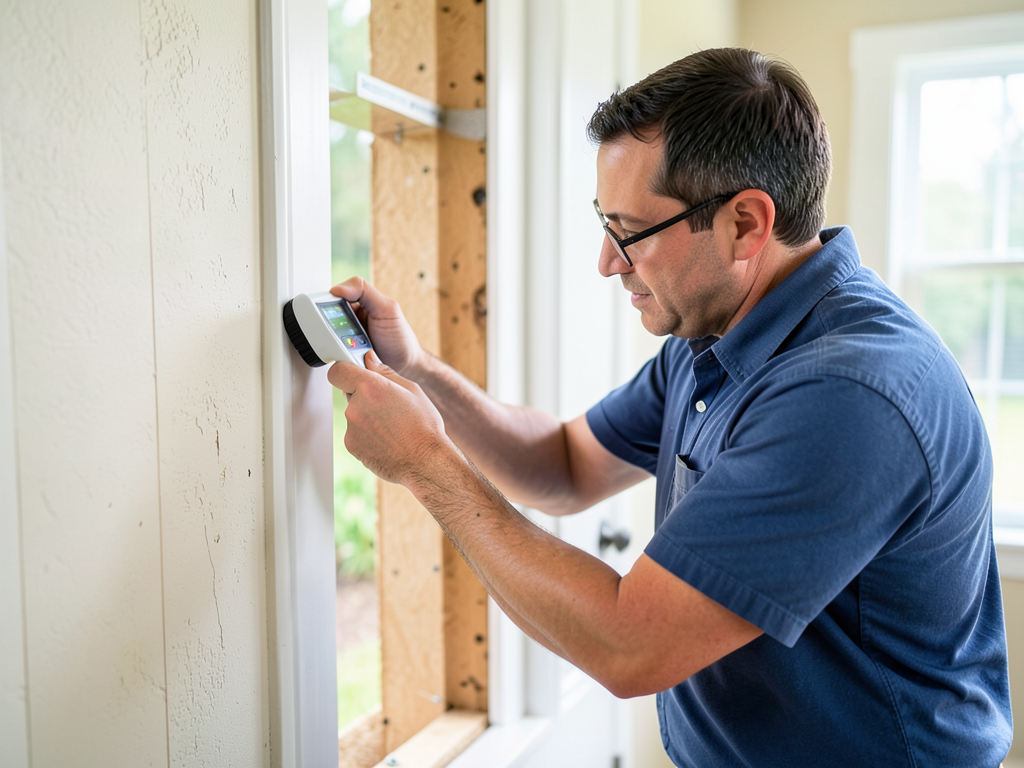
A Raleigh Homeowner Checklist for Preventing Leaks While Your House Is on the Market A small water stain on a ceiling can kill a home sale in Raleigh. Buyers today are trained to walk away…
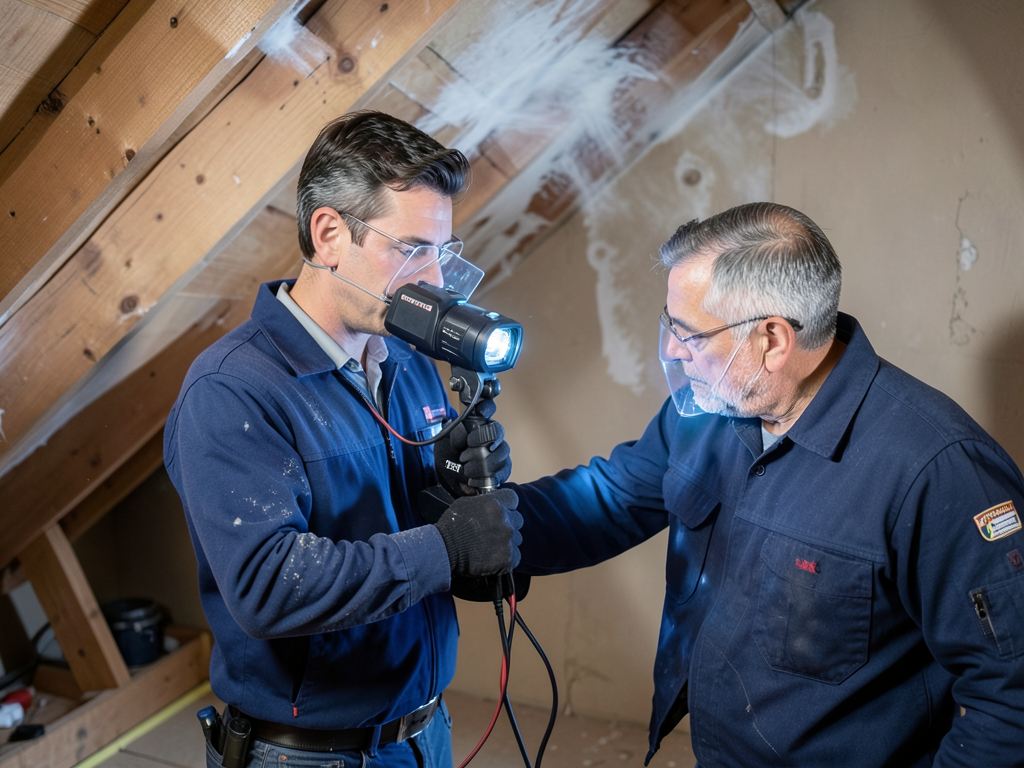
Why Your Umstead Attic Is Dripping Even When It Is Not Raining Water dripping from…
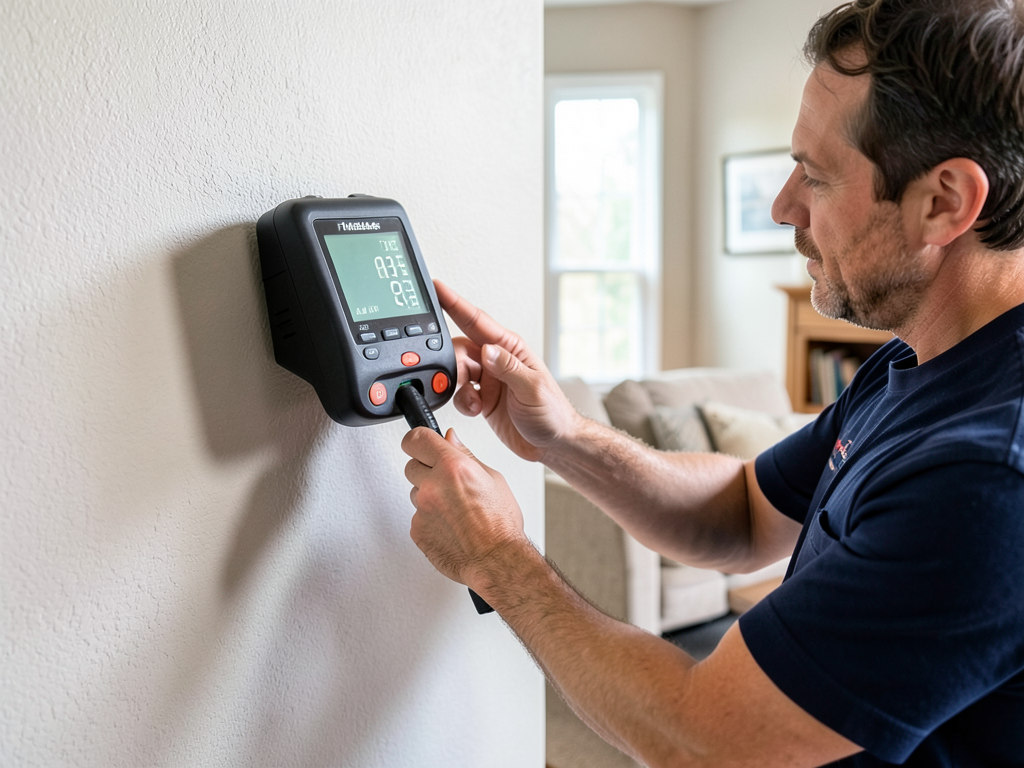
How to Use a Moisture Meter to Check for Hidden Water in Your Walls Finding…
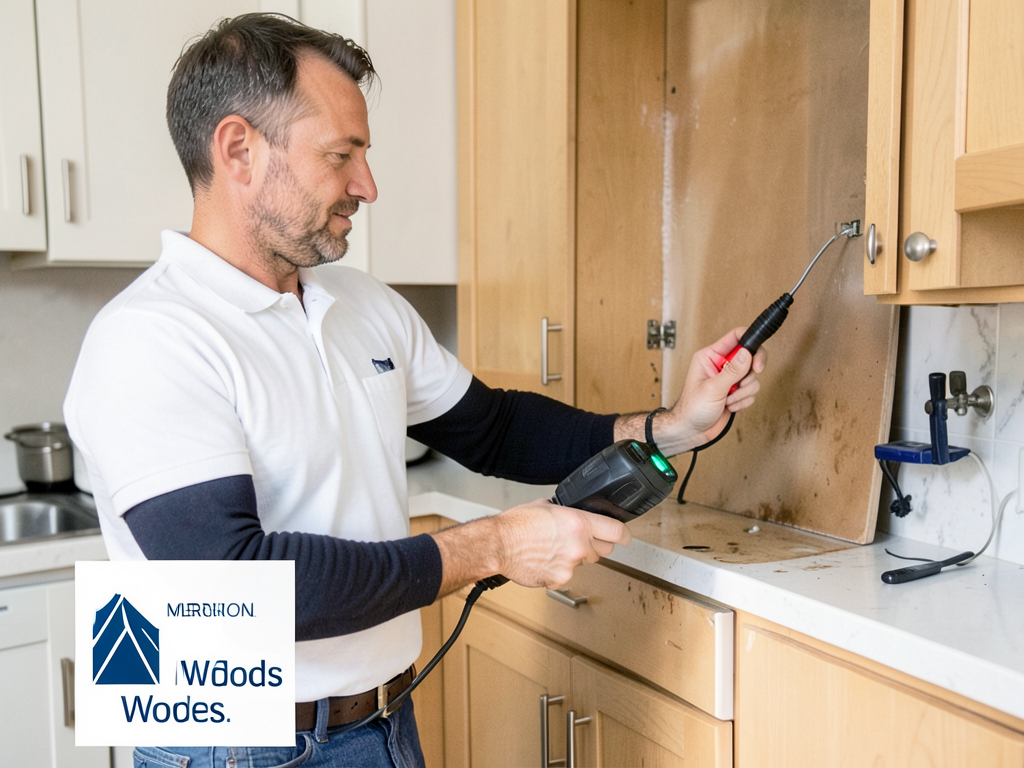
Why Your Fridge Ice Maker Is Leaking Behind the Wall in Your Meredith Woods Kitchen…
Water is spreading through your Wake Forest home right now. Every hour of delay means more damage, higher costs, and increased mold risk. Call Silverline Water Damage Restoration Raleigh at (984) 294-5900 for emergency dispatch within 60 minutes. We answer 24/7 and work directly with your insurance company.