Menu

Washing Machine Overflow Cleanup in Raleigh – On-Site in 60 Minutes or Less

Emergency washing machine overflow water removal with immediate dispatch, advanced extraction equipment, and direct insurance coordination to stop water damage before it spreads through your Raleigh home.

Slider Image 1
Slider Image 2
Slider Image 3
Slider Image 4
Slider Image 5
Slider Image 7
Slider Image 8
Slider Image 9
Slider Image 10
Slider Image 11

Your Washing Machine Just Flooded Your Home

The washing machine hose blew. The drain backed up. The supply line cracked. Within minutes, gallons of water are pouring across your laundry room floor and seeping into adjacent rooms. If you live in Raleigh's older neighborhoods like Oakwood or Cameron Park, you know these homes were not built with waterproof subfloors or modern drain pans. Water moves fast through hardwood, into subflooring, and down into crawlspaces.

Raleigh's humid subtropical climate makes every flood worse. When water sits for more than 24 hours in 70 to 90 percent humidity, mold colonization begins. You are not dealing with surface water anymore. You are dealing with structural saturation, microbial growth, and potential electrical hazards if water reaches outlets or appliances.

Washing machine flood cleanup services require immediate water extraction, moisture mapping with thermal imaging, and controlled drying using commercial dehumidifiers and air movers. This is not a job for a wet vac and box fans. Washer water damage restoration involves removing baseboards, pulling back carpet, and monitoring moisture levels in framing lumber and drywall for days after the visible water is gone.

The longer you wait, the more expensive the fix. Water wicks through drywall, swells wood flooring, and saturates insulation. What starts as a laundry room problem becomes a whole-house remediation project. You need emergency washer flood remediation now, not tomorrow.

Your Washing Machine Just Flooded Your Home
How We Stop Water Damage in Its Tracks

How We Stop Water Damage in Its Tracks

We do not just extract surface water and leave. Silverline Water Damage Restoration Raleigh uses a three-phase protocol designed for washing machine leak water extraction and structural drying.

Phase one is rapid source isolation and extraction. We shut off the water supply, identify the failure point, and deploy truck-mounted extractors that pull water from carpet, padding, and subfloors. Our equipment removes up to 95 percent of standing water in the first pass. We are not using shop vacs. We are using weighted wands and submersible pumps rated for hundreds of gallons per hour.

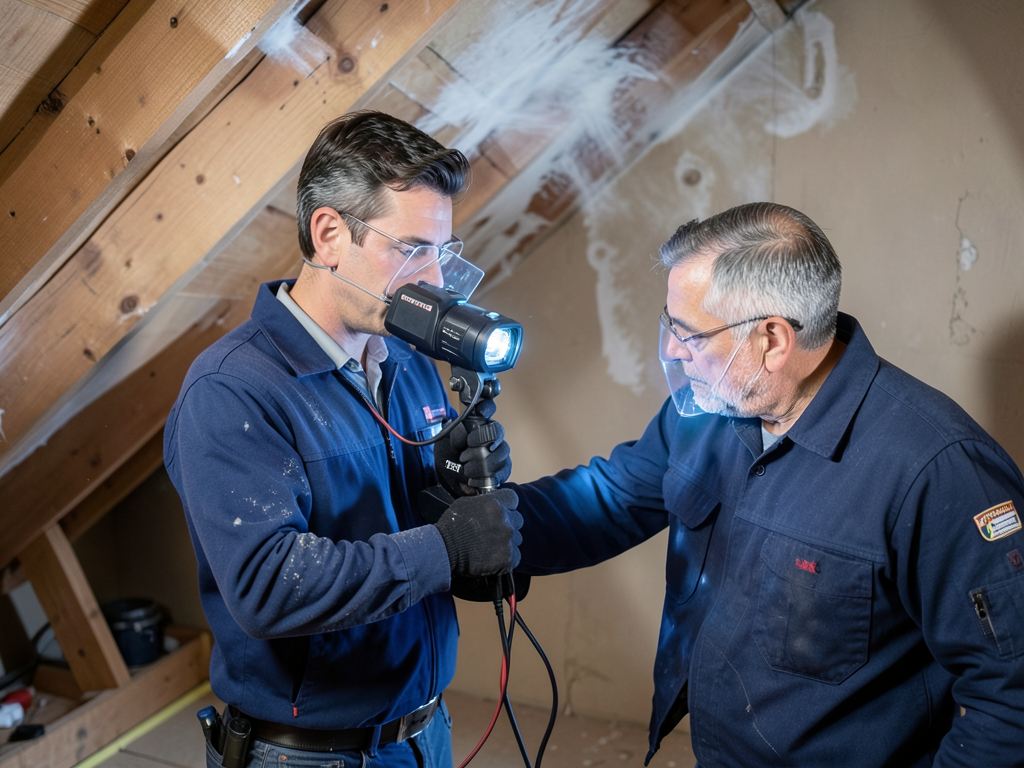
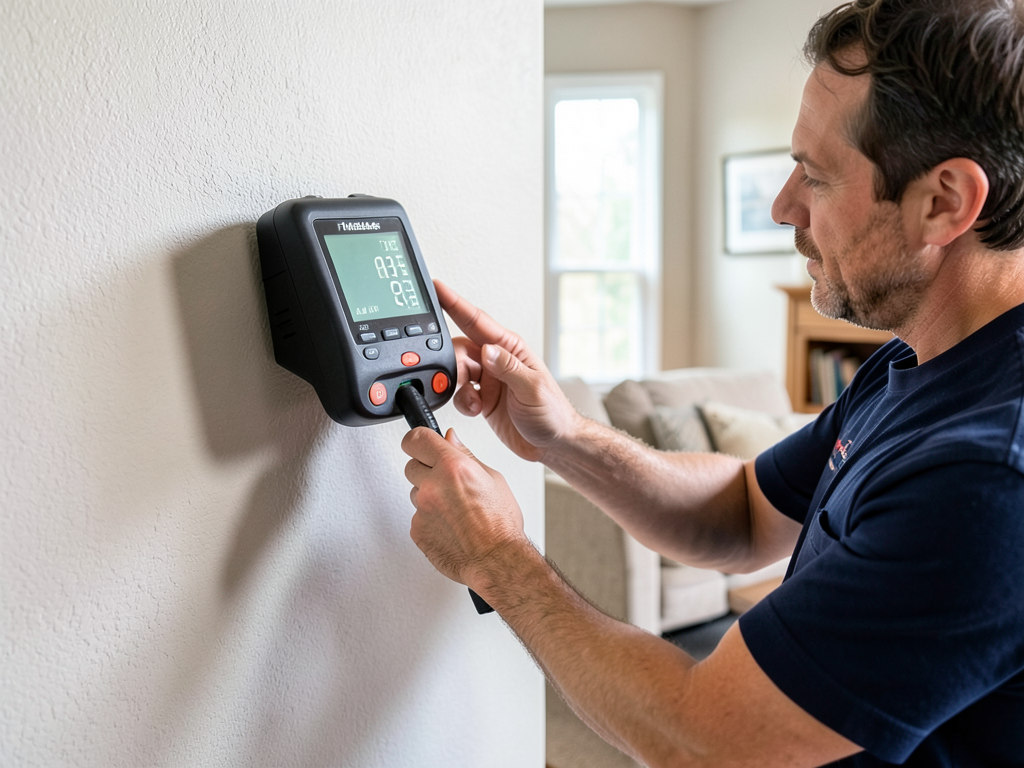
Phase two is moisture detection and removal planning. We use infrared cameras and penetrating moisture meters to map hidden saturation in wall cavities, under cabinets, and inside crawlspaces. This tells us where to place air movers and low-grain refrigerant dehumidifiers. Drying is not random. We calculate grain depression and vapor pressure differentials to engineer airflow patterns that pull moisture out of materials faster than ambient conditions allow.

Phase three is monitoring and verification. We document moisture readings daily until all affected materials return to baseline dry standards. Drywall should read below 15 percent moisture content. Framing lumber should drop below 12 percent. If readings stay elevated, we adjust equipment placement or increase drying capacity.

This is laundry machine overflow water removal done correctly. We do not guess. We measure, document, and verify every step to prevent callbacks and secondary damage.

What Happens When We Arrive

Washing Machine Overflow Cleanup in Raleigh – On-Site in 60 Minutes or Less
01

Immediate Water Extraction

We deploy truck-mounted extraction units and weighted wands to remove standing water from all affected surfaces. This includes carpet, tile, hardwood, and subfloors. Our extractors pull moisture from padding and underlayment in a single pass. We also inspect the washing machine supply lines, drain hose, and overflow pan to confirm the source is secured before beginning drying operations.
02

Moisture Mapping and Containment

We use thermal imaging cameras and pin-type moisture meters to identify hidden water migration in walls, cabinets, and crawlspaces. Containment barriers are set up to isolate affected zones and prevent cross-contamination. Air movers and dehumidifiers are positioned based on airflow modeling to create negative pressure environments that accelerate evaporation. We document baseline moisture readings for insurance and remediation tracking.
03

Drying and Final Verification

Commercial dehumidifiers run continuously until all materials return to dry standards. We take daily moisture readings and adjust equipment as needed. Once framing lumber, drywall, and subfloors read below industry thresholds, we remove equipment and provide a certificate of drying completion. This documentation is required by most insurance carriers and protects you from future liability if mold appears in undried areas.

Why Raleigh Homeowners Call Us First

Raleigh is not Phoenix. You cannot just open windows and expect water to evaporate in 48 hours. Summer humidity here averages 75 percent. That means water does not dry. It sits. And when it sits, mold grows.

We understand the building stock in Raleigh. Homes in Five Points, Mordecai, and Boylan Heights were built between 1920 and 1950 with oak floors, plaster walls, and crawlspace foundations. These materials absorb water differently than modern construction. Oak swells and cups. Plaster crumbles when saturated. Crawlspaces with dirt floors create vapor intrusion that re-wets dried materials if not controlled.

Silverline Water Damage Restoration Raleigh works with every major insurance carrier active in Wake County. We write estimates in Xactimate, submit loss documentation directly to adjusters, and coordinate with plumbers and electricians when repairs extend beyond water damage. You do not chase contractors. We manage the entire process.

We also know Raleigh's municipal codes. If your overflow affected electrical systems, you need a licensed electrician to inspect and certify safety before power is restored. If water reached HVAC ducts, those need to be cleaned and tested for microbial contamination. We coordinate these inspections and provide referrals to licensed professionals who meet local code requirements.

You are not hiring a guy with a truck. You are hiring a certified water damage restoration company with IICRC-trained technicians who understand the science of drying and the reality of working in Raleigh's climate and housing conditions.

What to Expect When You Call

Immediate Dispatch and Arrival

We answer emergency calls 24 hours a day, 365 days a year. When you call (984) 294-5900, you speak to a live person who can dispatch a crew immediately. Most Raleigh-area homes receive service within 60 to 90 minutes of the initial call. Our trucks carry extraction equipment, moisture meters, air movers, and dehumidifiers so we can begin work the moment we arrive. No waiting for equipment rentals or second trips. We bring everything needed to stop damage progression on the first visit.

Detailed Damage Assessment

Before we move a single piece of equipment, we document the full scope of damage. This includes photos, moisture readings, and written notes about affected materials and systems. We map water migration paths using infrared cameras to identify hidden saturation in wall cavities and subfloors. This assessment forms the basis of the insurance claim and ensures nothing is missed during remediation. You receive a copy of this report within 24 hours, along with a preliminary cost estimate for your carrier.

Complete Structural Drying

Drying is not finished when the carpet feels dry to the touch. We monitor moisture levels in structural materials using calibrated meters until readings match pre-loss baselines. Depending on the extent of saturation, this process takes three to seven days. Equipment runs continuously during this period. We visit daily to take readings, adjust airflow, and document progress. Once all materials pass final inspection, we provide certification of drying completion for your records and insurance carrier.

Post-Remediation Support

After drying is complete, we stay available for questions and follow-up inspections. If your insurance carrier requires independent moisture verification, we coordinate that appointment. If you need flooring replaced or drywall repaired, we provide referrals to licensed contractors who specialize in post-water damage reconstruction. We also offer mold inspection services if you have concerns about areas that were not directly affected by the overflow but may have elevated humidity from the event.

Frequently Asked Questions

You Have Questions,
We Have Answers

How to clean a washing machine overflow pipe? +

First, disconnect power and water to the washing machine. Locate the overflow pipe, usually at the back or top of the drum. Remove any visible debris or lint buildup by hand. Use a flexible drain snake or plumbing auger to clear internal blockages. Flush the pipe with hot water mixed with white vinegar to break down soap scum and mineral deposits. In Raleigh's hard water areas, mineral buildup happens faster. If water still backs up or you see persistent clogs, call a professional immediately. Overflow pipes connected to floor drains can cause widespread damage if they fail during a cycle.

How do you remove black mold from a washing machine rubber seal? +

Black mold on the rubber seal is dangerous and requires immediate action. Mix equal parts white vinegar and water in a spray bottle. Spray the affected seal thoroughly and let it sit for 10 minutes. Scrub with a stiff brush, working into all the folds. For stubborn mold, make a paste of baking soda and water and scrub again. Rinse completely with a damp cloth. Raleigh's humidity accelerates mold growth, so leave the door open between loads to air dry. If mold returns quickly or covers large areas, you may have hidden water damage requiring professional inspection and seal replacement.

Why are my clothes sopping wet after spin cycle? +

Sopping wet clothes after spin cycle signal a mechanical failure or drain issue. Check if the drain hose is kinked, clogged, or positioned too high. The drain pump may be failing or blocked by debris like coins or socks. An unbalanced load can also prevent proper spinning. In older Raleigh homes with slower drain systems, the machine may not empty fast enough. Try redistributing the load and running another spin cycle. If clothes remain soaked, the pump, belt, or motor likely needs repair. Continuing to use a malfunctioning machine risks overflow and water damage to floors and walls.

How to clean up a washing machine flood? +

Stop the water immediately. Turn off the washing machine and shut the water supply valve. Remove standing water with a wet vacuum or towels. Pull wet items away from walls and baseboards. Use fans and dehumidifiers to start drying the area within the first hour. Raleigh's humidity slows evaporation, which accelerates mold growth in as little as 24 hours. Check underneath the machine and adjacent rooms for hidden water migration. If water has soaked into flooring, drywall, or cabinets, you need professional water extraction and structural drying. Delayed response turns a simple cleanup into a costly restoration project requiring subfloor replacement.

Can I pour bleach down a washing machine drain pipe? +

Pouring bleach down a washing machine drain pipe is generally safe for occasional maintenance but not a long-term solution. Use one cup of bleach followed by hot water to sanitize and break down soap residue. However, bleach does not dissolve grease, hair, or fabric fibers causing most clogs. In Raleigh homes with PVC drain lines, excessive bleach can degrade older pipe seals over time. Never mix bleach with other cleaners, especially ammonia-based products, as this creates toxic fumes. For persistent slow drains or backups, a mechanical snake or professional drain cleaning is more effective than chemical treatments.

How do you clean the overflow pipe? +

Disconnect the washing machine from power and water. Locate the overflow pipe, usually a small diameter tube connected to the drum or drain system. Remove the pipe if possible and inspect for blockages. Use a bottle brush or flexible drain brush to scrub the interior walls. Flush with a mixture of hot water and white vinegar to dissolve soap scum and mineral deposits common in Raleigh's water supply. For fixed overflow pipes, use a wet vacuum to suction debris from both ends. Reinstall and test with a small water flow. If blockages persist or water backs up, call a technician before running another load.

What is the black gunk in a rubber seal washing machine? +

The black gunk is a combination of mold, mildew, soap scum, fabric softener residue, and lint. It thrives in the damp, dark folds of the rubber seal where water pools after cycles. Raleigh's high humidity makes this worse because the seal never fully dries between loads. This biofilm can cause odors, skin irritation, and eventually degrade the rubber itself. Clean it immediately with vinegar or a mold-killing solution. Wipe the seal dry after every load and leave the door open to prevent recurrence. If the gunk returns quickly despite cleaning, hidden water damage may be feeding mold growth behind the seal.

What kills mold better, bleach or vinegar? +

Bleach kills mold faster on non-porous surfaces, but vinegar is safer for rubber seals and penetrates porous materials better. Bleach destroys mold on contact but does not prevent regrowth and can damage rubber gaskets over time. White vinegar kills about 82 percent of mold species and changes the pH to discourage future growth. For washing machine seals, vinegar is the better choice because it will not degrade the rubber. In Raleigh's humid climate, preventing mold is as important as killing it. For active mold infestations or hidden growth behind walls, professional remediation with EPA-registered antimicrobials is necessary.

Can vinegar damage the washing machine seal? +

Vinegar will not damage washing machine seals when used correctly. White vinegar is acidic enough to kill mold and dissolve mineral deposits but mild enough for rubber and silicone materials. Use it diluted with equal parts water and rinse thoroughly after treatment. Do not leave vinegar sitting on the seal for hours or use it full-strength repeatedly, as prolonged acid exposure can eventually dry out rubber. Raleigh's hard water makes vinegar an effective, safe cleaner for mineral buildup on seals. If your seal is already cracked, brittle, or torn, vinegar did not cause it. Age, heat cycles, and previous water damage are the real culprits.

Why is my washing machine not spinning all the water out of clothes? +

Your washing machine is not spinning water out because of a mechanical failure, drain blockage, or unbalanced load. Check the drain hose for kinks or clogs. The drain pump may be jammed with debris or failing. A worn drive belt or faulty lid switch can prevent the spin cycle from engaging. In Raleigh homes with older plumbing, slow floor drains can back up into the machine and stop the spin. Try redistributing the load and restarting the cycle. If the problem continues, the motor coupling, transmission, or control board may need repair. Do not keep using it or you risk flooding your laundry room.

Why Raleigh's Climate Makes Washing Machine Overflows More Dangerous

Raleigh sits in a humid subtropical zone with average summer humidity between 70 and 90 percent. When a washing machine overflows, that water does not evaporate on its own. It sits in carpet padding, soaks into drywall, and saturates wood framing. In low-humidity climates, you might have 48 hours before mold becomes a concern. In Raleigh, you have less than 24. The combination of heat and humidity creates ideal conditions for microbial growth. Emergency washer flood remediation is not optional here. It is the only way to prevent long-term damage and health risks.

Raleigh's older neighborhoods feature crawlspace foundations, hardwood floors, and plaster walls. These materials were not designed to handle modern washing machine discharge volumes. A single overflow event can release 30 to 50 gallons of water in minutes. Without professional washing machine flood cleanup services, that water migrates into subflooring, saturates floor joists, and creates vapor intrusion in crawlspaces. Local building codes require proper moisture control and ventilation in these areas. We work with inspectors and adjusters who understand these requirements and ensure remediation meets both code and carrier standards.
Water Damage Restoration Services in The Raleigh Area

While based in Raleigh, Silverline proudly serves the surrounding areas, providing expert water damage restoration wherever you are. Our interactive map allows you to visualize our service radius and plan your visit, or simply understand our immediate response capabilities. We are dedicated to reaching you quickly, ensuring prompt and efficient service for your home or business, no matter your precise location within our service area, ready to assist.

Address:
Silverline Water Damage Restoration Raleigh, 306 E Hargett St, Raleigh, NC, 27601

Additional Services We Offer

Our news updates

Latest Articles & News from The Blogs

Understanding the Three Categories of Flood Water (And Which Ones Are Actually Dangerous)\p>When water floods your Raleigh home the source…

Understanding the Three Categories of Flood Water (And Which Ones Are Actually Dangerous)

Understanding the Three Categories of Flood Water (And Which Ones Are Actually Dangerous)\p>When water floods your Raleigh home the source…

Why Water Travels Up Your Walls (The Physics of Capillary Action in Raleigh Homes)

Why Water Travels Up Your Walls (The Physics of Capillary Action in Raleigh Homes) When you see a small puddle…

Can Solar Panel Installation Cause Roof Leaks in Your Blue Ridge Home?

Can Solar Panel Installation Cause Roof Leaks in Your Blue Ridge Home? Solar panels create mounting points that penetrate your…

Contact Us

Every minute counts when water is flooding your home. Call Silverline Water Damage Restoration Raleigh now at (984) 294-5900 for immediate dispatch and emergency water extraction. We are on-site in 60 minutes or less.