Menu

School & University Restoration in Raleigh – Minimize Downtime and Protect Your Academic Investment

When water damage threatens your educational facility, every hour of delay compounds costs and liability. Silverline Water Damage Restoration Raleigh delivers rapid-response school disaster recovery services that restore operations while protecting students, staff, and your institution's reputation.

Slider Image 1
Slider Image 2
Slider Image 3
Slider Image 4
Slider Image 5
Slider Image 7
Slider Image 8
Slider Image 9
Slider Image 10
Slider Image 11

Why Educational Facilities in Raleigh Face Unique Water Damage Risks

Raleigh's educational institutions operate in a challenging environment. The city's humid subtropical climate drives persistent moisture intrusion, particularly in older buildings across the Research Triangle. Universities like NC State and Meredith College manage aging infrastructure where original drainage systems no longer handle modern storm intensities. Heavy rainfall events, which have increased 30% in frequency over the past decade, overwhelm roof systems and perimeter drains.

Academic buildings present distinct challenges. Laboratories contain sensitive equipment vulnerable to water exposure. Dormitories house hundreds of students who cannot be easily relocated. Libraries protect irreplaceable archives. Athletic facilities feature complex HVAC systems where condensation issues go undetected until mold colonizes ductwork.

The clay-heavy soil throughout Wake County shifts with moisture fluctuations, creating foundation movement that cracks basement walls and slab floors. When flash flooding strikes, as it did during recent tropical systems that stalled over the Triangle, water finds every structural weakness. Educational facility water damage restoration demands immediate response because class schedules, housing obligations, and research timelines do not pause for repairs.

University flood cleanup services must address contamination risks when sewage backs up through floor drains in aging buildings. Deferred maintenance budgets mean many campus structures operate with compromised waterproofing until catastrophic failure forces action. The financial exposure extends beyond repair costs to include liability for student health, accreditation risks, and donor confidence.

Why Educational Facilities in Raleigh Face Unique Water Damage Risks
How We Execute College Campus Water Remediation

How We Execute College Campus Water Remediation

Academic building water damage repair requires surgical precision. We deploy containment barriers that isolate affected zones while adjacent classrooms and offices remain operational. Our team coordinates with campus security, facilities managers, and academic schedulers to minimize disruption during peak hours.

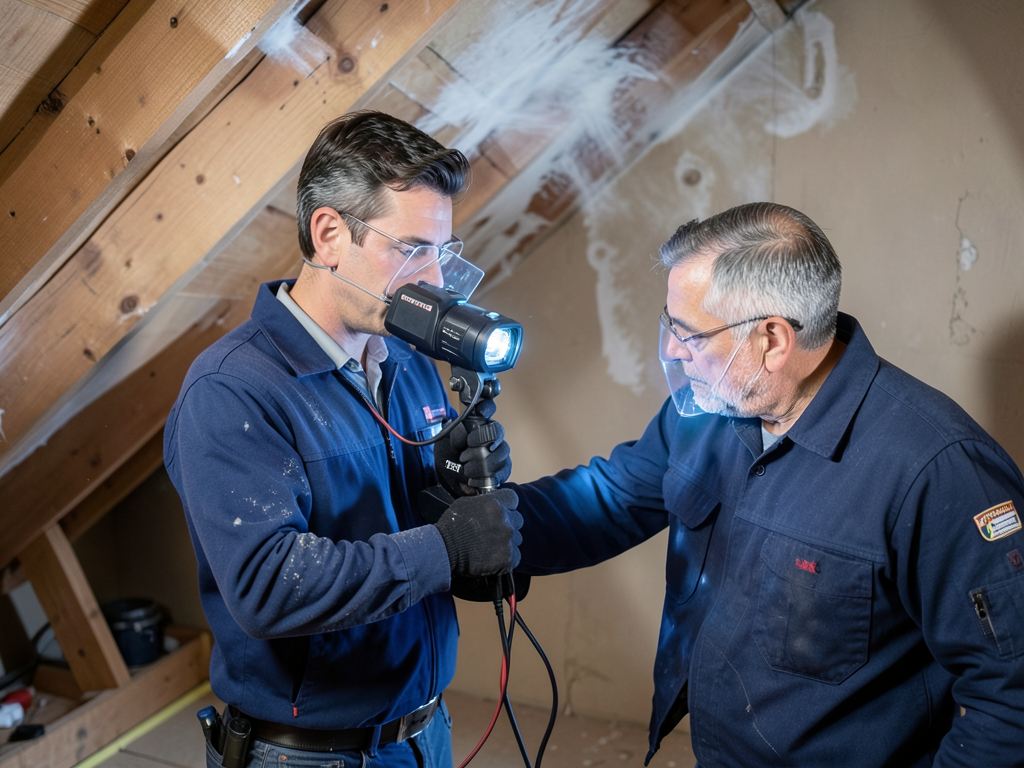
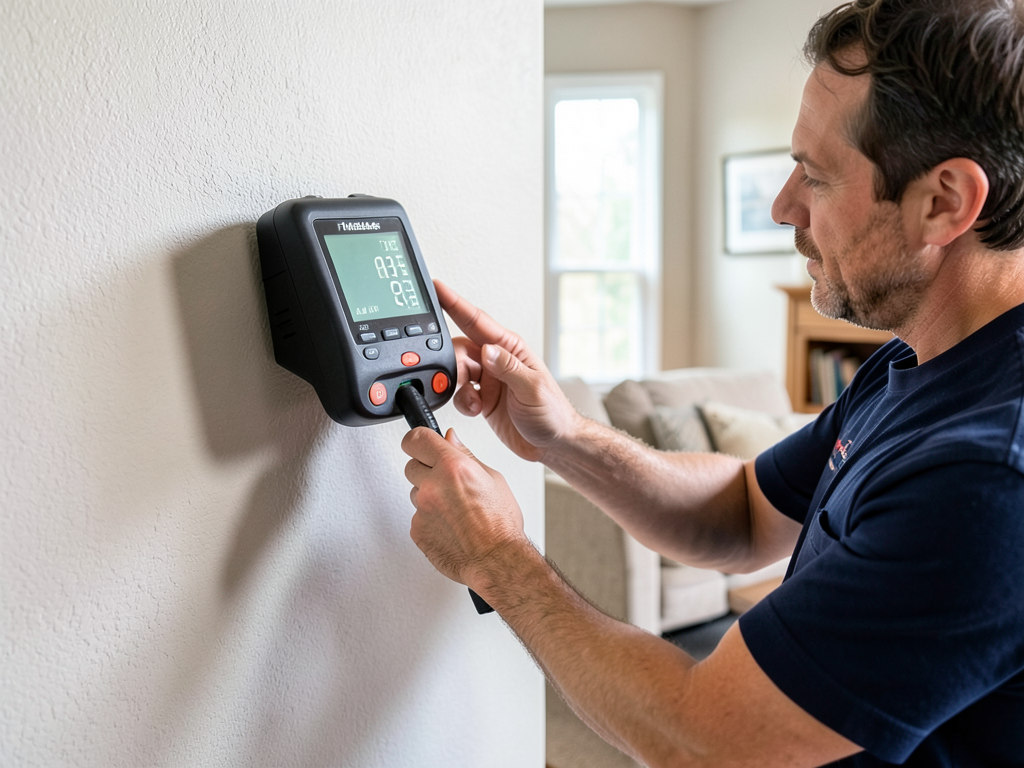
Water extraction begins with truck-mounted pumps capable of removing thousands of gallons per hour from flooded basements and ground-floor spaces. We use thermal imaging cameras to map moisture migration through wall cavities and ceiling plenums, identifying hidden saturation that standard moisture meters miss. This technology proves critical in buildings with drop ceilings and complex mechanical chases where water travels unpredictably.

Structural drying follows a calculated approach. We measure ambient conditions, material moisture content, and evaporation rates to determine equipment placement. Industrial dehumidifiers remove moisture from the air while air movers create circulation patterns that drive vapor away from saturated materials. In laboratory spaces, we maintain negative air pressure to prevent contamination of sensitive research areas.

Documentation runs parallel to physical work. Insurance carriers demand detailed moisture logs, photographic evidence, and chain-of-custody records for any materials removed from the site. We provide daily progress reports that facility directors can share with administrative leadership and risk management teams.

Our school disaster recovery services include content manipulation, moving furniture and equipment to dry areas, cleaning salvageable items, and coordinating with specialized vendors for electronics restoration. When water impacts electrical systems, we work alongside licensed electricians to ensure safety before energizing circuits. HVAC systems receive particular attention because water-damaged ductwork becomes a mold incubator if not properly remediated.

How Emergency Response Protects Your Campus

School & University Restoration in Raleigh – Minimize Downtime and Protect Your Academic Investment
01

Immediate Damage Assessment

Our team arrives on campus within two hours of your call, even during nights and weekends. We conduct a room-by-room evaluation to determine water category, affected square footage, and structural compromise. You receive a written assessment that quantifies the scope, identifies immediate safety hazards like electrical risks or structural instability, and outlines the remediation plan. This documentation becomes the foundation for insurance claims and administrative decision-making.
02

Containment and Extraction

We establish physical barriers using poly sheeting and zipper doors to isolate the work zone from occupied areas. Negative air machines prevent cross-contamination. Water extraction proceeds using submersible pumps for standing water, then weighted extraction tools for carpeting and upholstery. We document moisture readings at penetrations to establish drying benchmarks. This phase typically completes within the first 24 hours, stopping additional damage and creating stable conditions for controlled drying.
03

Drying and Clearance Testing

Drying equipment operates continuously under daily monitoring. We adjust dehumidifier settings and air mover positions based on moisture meter readings taken at multiple depths within affected materials. When readings reach acceptable thresholds, we conduct clearance testing to verify complete drying. You receive final documentation showing moisture content in walls, floors, and structural elements has returned to normal levels. This clearance report protects your institution from future mold claims.

Why Raleigh Educational Institutions Trust Our Team

We understand the operational realities of managing campus facilities. Your institution cannot simply close buildings for weeks while repairs progress. Students need housing. Faculty need classrooms. Research cannot be interrupted. Our approach balances thoroughness with operational necessity.

Silverline Water Damage Restoration Raleigh maintains relationships with structural engineers, industrial hygienists, and reconstruction contractors who understand educational facility requirements. When a situation demands specialized expertise, we coordinate those resources seamlessly. You work with a single point of contact rather than managing multiple vendors.

Our familiarity with Raleigh building codes and Wake County inspection requirements accelerates the approval process for any necessary repairs. We know which permits apply, how to document work for inspectors, and how to navigate the bureaucracy efficiently. This knowledge prevents delays that extend downtime.

Insurance carriers recognize our documentation standards. We provide the detailed records adjusters need to process claims quickly. Our estimates align with Xactimate pricing, eliminating disputes over repair costs. When your risk management team needs technical support during claims negotiations, we provide it.

Educational facility work demands different scheduling than residential projects. We staff projects to accommodate academic calendars, working intensively during break periods and maintaining minimal presence during instruction time. Summer months see our largest university projects because buildings can be fully decommissioned for comprehensive remediation.

We have managed water damage events ranging from single-room pipe breaks to campus-wide flooding affecting multiple buildings. That experience informs our response protocols and equipment staging. When you call, we know what questions to ask and what resources to deploy.

What Your Institution Can Expect

Response Time and Availability

We maintain 24/7 dispatch capability because water damage does not respect business hours. Our team reaches Raleigh campuses within two hours of notification, including holidays and weekends. We keep equipment staged locally rather than requiring transport from regional warehouses. This positioning matters during widespread events when multiple properties compete for limited resources. You receive priority response because we are already positioned in the Research Triangle with dedicated crews and equipment inventories sufficient to handle large-scale university projects.

Initial Evaluation Process

Our assessment team includes technicians trained in moisture detection, structural evaluation, and contamination assessment. We use moisture meters, thermal cameras, and hygrometers to measure conditions throughout the affected area. You receive a written report within four hours that categorizes water by contamination level, identifies materials requiring removal versus drying, and provides a timeline for restoration phases. This documentation gives your administration the information needed for decisions about building closure, class relocation, and budget authorization.

Quality of Restoration Work

We restore buildings to pre-loss condition using materials that match existing finishes and meet current building codes. Our reconstruction partners hold appropriate licenses for commercial work and maintain familiarity with institutional building standards. You will not see mismatched paint, uneven flooring, or cosmetic shortcuts. When we declare a project complete, the space is ready for occupancy without qualification. Our final walkthrough includes you, facilities management, and any necessary inspectors to ensure consensus on completion standards.

Post-Restoration Support

Following project completion, we provide maintenance recommendations specific to your building's vulnerabilities. This might include HVAC filter schedules, roof inspection intervals, or plumbing monitoring protocols. We remain available for questions about the restored areas and can conduct follow-up moisture testing if concerns arise. Our documentation becomes part of your facility records, supporting future maintenance decisions and providing baseline data for risk assessments. If your institution needs emergency preparedness planning or staff training on water damage response, we provide those services.

Frequently Asked Questions

You Have Questions,
We Have Answers

Which school is better, college or university? +

This question compares two educational models, not restoration services. For facility managers at Raleigh schools, colleges, and universities, what matters is protecting your infrastructure from water damage. Universities typically manage larger campuses with complex HVAC systems, dormitories, and research labs. Colleges often have smaller footprints but face identical risks: burst pipes, roof leaks, and flooding. Both need rapid response to minimize downtime and protect liability. Raleigh's humid subtropical climate accelerates mold growth in academic buildings. Your focus should be business continuity, not institutional labels.

What is the difference between the school and college? +

Schools serve K-12 students. Colleges offer undergraduate degrees. This distinction matters for restoration because building codes, occupancy loads, and operational hours differ. K-12 schools in Raleigh must comply with stricter ADA and fire safety standards. Colleges house students 24/7, requiring faster emergency response for dormitory flooding. Both face water damage from aging infrastructure, especially in older Raleigh districts. Your restoration partner must understand these operational differences to minimize disruption during remediation. Insurance requirements and documentation also vary significantly between public schools and private colleges.

Why does Gen Z not go to college? +

This question addresses enrollment trends, not facility management. For Raleigh administrators, the real issue is protecting educational infrastructure regardless of student demographics. Rising costs and online options reduce enrollment, but buildings still need maintenance. Water damage does not wait for budget cycles. Empty classrooms and underutilized dorms still face pipe failures, roof leaks, and HVAC condensation issues. Raleigh's clay soil causes foundation shifts that crack plumbing. Your priority is asset protection and code compliance, not enrollment statistics. Deferred maintenance creates compounding liability.

Where do the 1% go to college? +

Elite institutions invest heavily in facility management, which is the relevant takeaway for Raleigh educational administrators. High-net-worth families choose schools with superior infrastructure and risk mitigation protocols. Water damage in dormitories, labs, or historic buildings destroys reputation and threatens accreditation. Raleigh universities competing for top students must maintain pristine facilities. This means preemptive moisture monitoring, immediate emergency response, and documented remediation protocols. Your restoration partner should provide the same institutional-grade service found at top-tier schools. Protect your investment and competitive positioning.

Is Harvard a school or a university? +

Harvard is a university with multiple colleges. This structure creates complex restoration challenges: diverse building types, historic preservation requirements, and 24/7 operations. Raleigh universities face similar complexity on smaller scales. You manage classroom buildings, labs, dormitories, athletic facilities, and administrative offices. Each requires different water damage protocols. A flooded chemistry lab is not treated like a wet dormitory. Your restoration partner must understand cross-functional coordination, minimize academic disruption, and navigate varied building codes. Scale differs, but operational principles remain identical across all university campuses.

What is the #1 hardest school to get into? +

Admission selectivity does not correlate with facility management needs. Competitive institutions in Raleigh prioritize infrastructure to protect rankings and enrollment. Water damage threatens accreditation, student safety, and institutional reputation. A single mold outbreak in dormitories creates legal liability and negative press. Raleigh's humidity and seasonal storms increase risk. Your focus should be rapid emergency response, thorough documentation for insurance, and minimizing academic interruption. Selective schools cannot afford downtime during critical admission or exam periods. Facility excellence supports competitive positioning.

What are the 4 types of degrees? +

Associate, bachelor's, master's, and doctoral degrees represent different program levels but identical facility risks. Raleigh colleges offering multiple degree types manage diverse spaces: lecture halls, research labs, technical workshops, and graduate housing. Water damage protocols must address varied equipment sensitivities and occupancy patterns. A flooded graduate research lab costs more than a wet undergraduate classroom due to specialized equipment. Your restoration strategy must account for building use intensity and replacement costs. Insurance claims differ significantly between community colleges and research universities based on asset valuation and operational complexity.

How Raleigh's Aging Campus Infrastructure Increases Restoration Complexity

The Research Triangle's educational institutions operate buildings spanning multiple construction eras. NC State's original campus dates to the 1880s, with cast iron plumbing and brick masonry that predates modern waterproofing standards. Even newer construction from the 1960s and 1970s features flat roof systems now beyond their service life. University flood cleanup services in Raleigh must account for lead paint, asbestos pipe insulation, and electrical systems inadequate for modern dehumidification loads. Wake County's clay soil composition means foundation drainage systems clog with sediment, creating chronic seepage that weakens concrete and promotes mold growth in below-grade spaces.

Educational facilities across Raleigh demand contractors who understand institutional operations and regulatory requirements. Campus police require background checks for workers entering dormitories. Environmental health departments inspect remediation work in food service areas. State building codes mandate specific documentation for work on state-funded properties. Silverline Water Damage Restoration Raleigh maintains these clearances and understands the approval chains at major institutions. Our team has restored facilities at universities, private colleges, and public schools throughout Wake County, building relationships with facility directors who value our operational awareness and communication protocols.
Water Damage Restoration Services in The Raleigh Area

While based in Raleigh, Silverline proudly serves the surrounding areas, providing expert water damage restoration wherever you are. Our interactive map allows you to visualize our service radius and plan your visit, or simply understand our immediate response capabilities. We are dedicated to reaching you quickly, ensuring prompt and efficient service for your home or business, no matter your precise location within our service area, ready to assist.

Address:
Silverline Water Damage Restoration Raleigh, 306 E Hargett St, Raleigh, NC, 27601

Additional Services We Offer

Our news updates

Latest Articles & News from The Blogs

Understanding the Three Categories of Flood Water (And Which Ones Are Actually Dangerous)\p>When water floods your Raleigh home the source…

Understanding the Three Categories of Flood Water (And Which Ones Are Actually Dangerous)

Understanding the Three Categories of Flood Water (And Which Ones Are Actually Dangerous)\p>When water floods your Raleigh home the source…

Why Water Travels Up Your Walls (The Physics of Capillary Action in Raleigh Homes)

Why Water Travels Up Your Walls (The Physics of Capillary Action in Raleigh Homes) When you see a small puddle…

Can Solar Panel Installation Cause Roof Leaks in Your Blue Ridge Home?

Can Solar Panel Installation Cause Roof Leaks in Your Blue Ridge Home? Solar panels create mounting points that penetrate your…

Contact Us

Water damage events at educational facilities create immediate risk. Contact Silverline Water Damage Restoration Raleigh at (984) 294-5900 for rapid response that minimizes downtime and protects your institution. Our team deploys immediately with the equipment and expertise your campus needs.