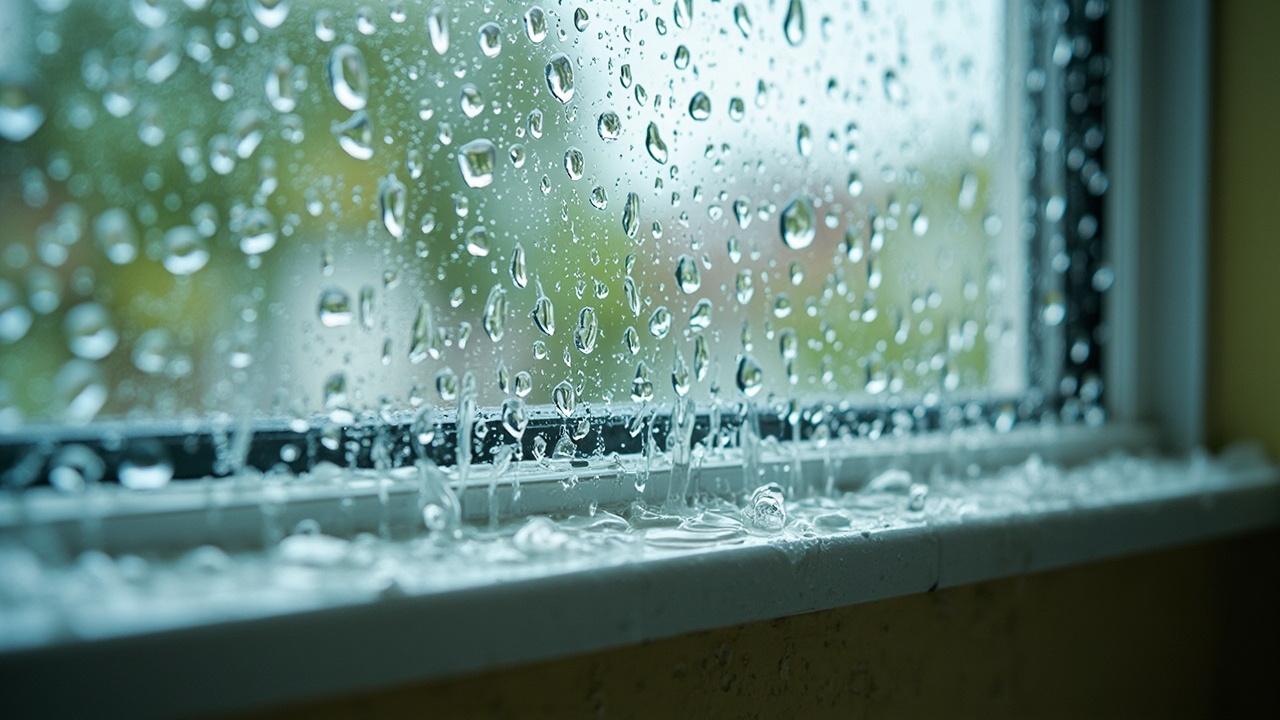
Raleigh sits at the convergence of humid subtropical climate and Piedmont clay soil. Summer humidity averages 75 percent, but winter mornings can drop to 40 percent when your heat runs. Your windows become the coldest surface in the room. When warm, humid indoor air contacts that cold glass, water condenses instantly. Add in the fact that many Raleigh homes have poorly insulated crawlspaces sitting on saturated clay, and you get moisture wicking up through the subfloor. This is why condensation appears even in winter when outdoor humidity is low. Your crawlspace is feeding moisture into the home faster than your HVAC system can remove it.
Raleigh's building codes evolved significantly after 2000, but thousands of homes in Boylan Heights, Mordecai, and Cameron Park were built before modern moisture control standards existed. These homes lack continuous vapor barriers, have vented crawlspaces that introduce humid air, and often have single-pane windows that amplify thermal bridging. Fixing condensation in these older homes requires understanding legacy construction methods and retrofitting moisture control without compromising historic character. We have worked extensively in Raleigh's historic districts and know how to balance moisture control with preservation guidelines.