Menu

Emergency Mold Containment in Raleigh – 24/7 Rapid Response Stops Spread in Under 60 Minutes

Active mold colonies double in size every 48 hours. Our emergency mold containment team isolates contaminated areas immediately, preventing airborne spore migration throughout your Raleigh property while you wait.

Slider Image 1
Slider Image 2
Slider Image 3
Slider Image 4
Slider Image 5
Slider Image 7
Slider Image 8
Slider Image 9
Slider Image 10
Slider Image 11

Why Raleigh Properties Face Critical Mold Containment Emergencies

Raleigh's humid subtropical climate creates the perfect environment for explosive mold growth. When your property experiences water intrusion from roof leaks, burst pipes, or flooding, mold colonies can establish within 24 to 48 hours. The combination of high humidity and warm temperatures means spores spread faster here than in arid climates.

You need urgent mold isolation the moment you spot visible growth or smell that distinctive musty odor. Every hour of delay allows microscopic spores to migrate through your HVAC system, contaminating rooms that were initially clean. This is not a problem you can tackle over the weekend.

Our immediate mold mitigation service focuses on one critical goal: stop the spread right now. We deploy physical barriers, establish negative air pressure, and seal contaminated zones before spores colonize new areas. This is emergency mold abatement at its core.

Raleigh's older homes in neighborhoods like Oakwood and Mordecai present unique challenges. Original hardwood floors, plaster walls, and crawl spaces with limited ventilation create hidden mold reservoirs. You might see surface growth in your bathroom, but the real problem is spreading behind your walls where moisture has been trapped for weeks.

Our rapid mold containment services address both visible colonies and hidden growth. We use thermal imaging to identify moisture patterns you cannot see, then isolate those areas before demolition begins. This prevents cross-contamination during the removal phase.

The health risks are real. Prolonged exposure to airborne mold spores triggers respiratory problems, aggravates asthma, and causes allergic reactions. If you have discovered mold, you need 24/7 mold damage containment to protect your family or employees today.

Why Raleigh Properties Face Critical Mold Containment Emergencies
How We Contain Active Mold Growth in Raleigh Properties

How We Contain Active Mold Growth in Raleigh Properties

Emergency mold containment is not cleaning. It is strategic isolation using physical barriers and controlled airflow to prevent spore migration during the assessment and remediation phases.

When you call Silverline Water Damage Restoration Raleigh, we arrive with containment barriers, negative air machines, and air scrubbers. Our first action is establishing a containment zone using 6-mil polyethylene sheeting sealed with contractor-grade tape. We create an airlock entry system so our technicians can move in and out without releasing spores into clean areas.

Next, we establish negative air pressure inside the containment zone. HEPA-filtered negative air machines pull contaminated air out of the isolated space and exhaust it outside your building. This creates lower pressure inside the containment area than in surrounding rooms. Air flows in, not out. Spores cannot escape.

We run air scrubbers with HEPA filtration inside the containment zone to capture airborne spores before they settle on new surfaces. These machines cycle the air multiple times per hour, removing particulates down to 0.3 microns.

If your HVAC system has been running during the mold growth period, we seal supply and return vents within the containment zone. Ductwork acts as a superhighway for spore distribution. We prevent that.

Our containment protocol also includes protecting contents. We remove unaffected items from the contaminated zone or wrap them in protective sheeting. This reduces the amount of material you will need to discard.

This approach allows our remediation team to work aggressively inside the containment zone without risking spore spread to clean areas. We can tear out drywall, remove insulation, and HEPA-vacuum surfaces while maintaining full containment integrity. That is how immediate mold mitigation protects your property beyond the visible problem.

What Happens During Our Emergency Mold Containment Response

Emergency Mold Containment in Raleigh – 24/7 Rapid Response Stops Spread in Under 60 Minutes
01

Immediate Site Assessment

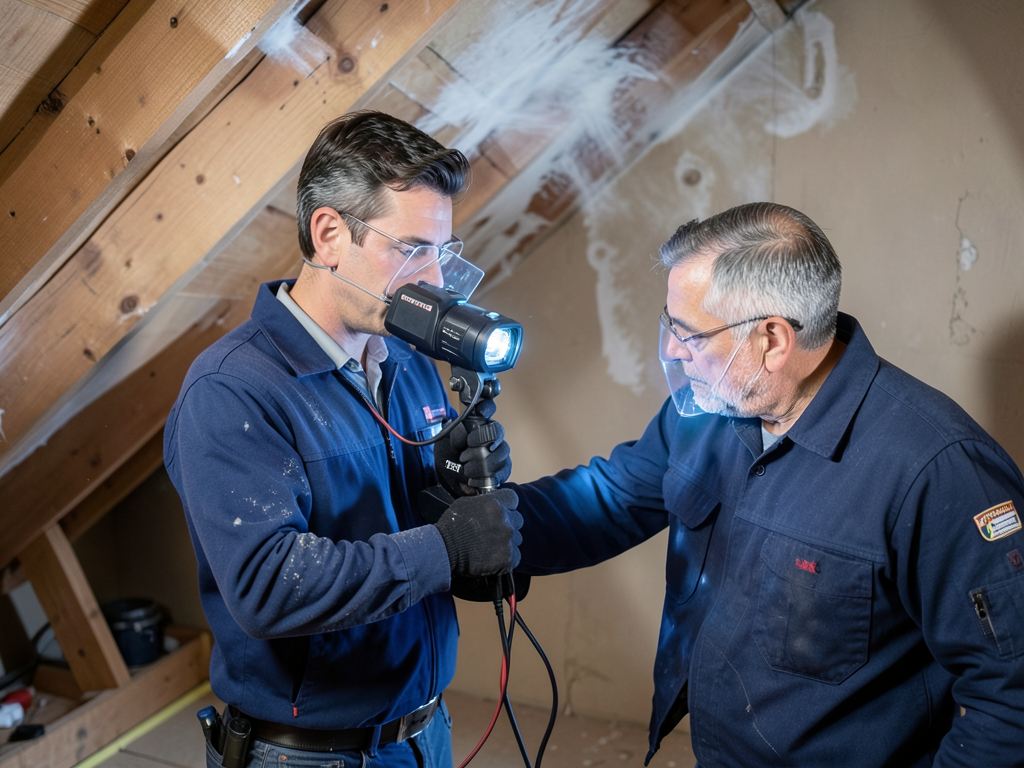
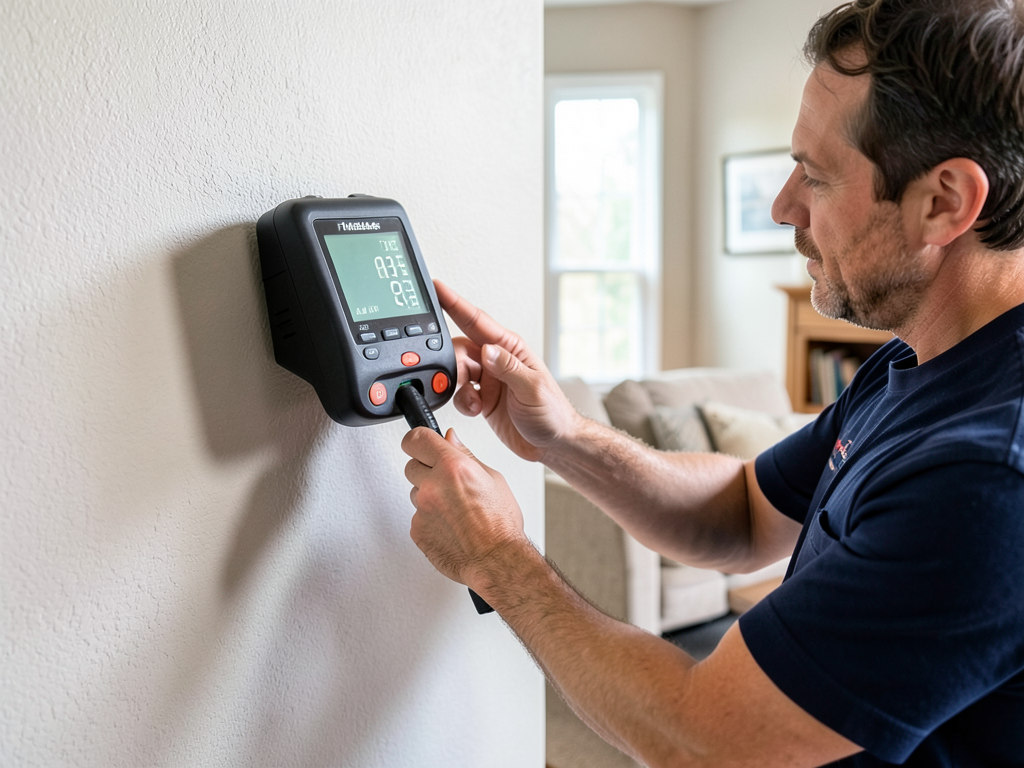
Our technician arrives within 60 minutes to evaluate the contamination extent using moisture meters and thermal imaging cameras. We identify all affected areas, including hidden growth behind walls and under flooring. You receive a verbal containment plan before we move equipment into your property. We document pre-existing conditions with photos to establish a baseline for remediation scope.
02

Containment Barrier Installation

We seal off contaminated zones using polyethylene sheeting and create negative air pressure with HEPA-filtered machines. All HVAC vents, doorways, and penetrations get sealed to prevent cross-contamination. Air scrubbers begin filtering airborne spores immediately. The containment zone becomes a controlled environment where remediation work can proceed safely without spreading contamination to clean areas of your building.
03

Containment Verification and Handoff

We verify negative air pressure using a manometer and confirm HEPA filtration is operating at full capacity. You receive documentation of containment parameters, including air changes per hour and pressure differentials. At this point, the contaminated area is fully isolated and safe for aggressive remediation work. We coordinate with remediation crews or provide a timeline for our team to begin mold removal within the secured containment zone.

Why Raleigh Property Owners Trust Our Emergency Mold Response

When mold is actively growing in your home or business, you need a team that understands Raleigh's building construction and climate challenges. We have contained mold emergencies in Historic Oakwood bungalows with crawl spaces, mid-century ranch homes in North Raleigh with slab foundations, and modern commercial buildings near Research Triangle Park.

Our technicians know that Raleigh's clay soil creates hydrostatic pressure against basement walls and foundation slabs. This forces moisture into your building envelope, creating perfect conditions for mold growth in areas you cannot see. We do not just contain visible mold. We identify and isolate moisture pathways that feed hidden colonies.

We understand local building codes and work with Raleigh inspectors regularly. If your mold problem requires permits for structural demolition, we know the process and can expedite approvals. This keeps your project moving forward without regulatory delays.

Our equipment inventory allows us to scale containment operations for any size emergency. A single bathroom requires different containment protocols than a 10,000-square-foot commercial space with multiple HVAC zones. We have the negative air machines, containment barriers, and air scrubbers to handle both scenarios.

Silverline Water Damage Restoration Raleigh maintains relationships with industrial hygienists and mold testing laboratories. If you need third-party verification of containment effectiveness or post-remediation clearance testing, we coordinate those services. You get documentation that satisfies insurance requirements and protects your liability.

We respond to emergency containment calls 24 hours a day because mold does not respect business hours. A pipe bursts at 2 AM, water saturates drywall, and mold begins colonizing by dinner time the next day. Our rapid response stops that progression before it becomes a building-wide contamination event.

You are hiring a team that treats your mold emergency with the urgency it deserves, not a crew that shows up next Tuesday with a shop vacuum and bleach spray.

What to Expect When You Call for Emergency Mold Containment

Arrival Time and Availability

We dispatch a containment crew within 60 minutes of your call, 24 hours a day, 7 days a week. Our trucks carry full containment equipment, so we do not need to return to the shop for materials. The initial containment setup typically takes 2 to 4 hours depending on the size of the affected area. For large-scale commercial emergencies, we can deploy multiple crews simultaneously to establish containment across your entire facility. You will have physical barriers and negative air pressure in place before the end of our first shift on site.

Initial Assessment and Containment Planning

Our technician performs a visual inspection and uses moisture detection equipment to map the contamination extent. We identify all areas with active growth and elevated moisture levels that could support future growth. You receive a verbal explanation of our containment strategy before we begin installation. We document the affected areas with photos and moisture readings. This assessment informs the containment boundaries and equipment placement. If hidden mold is suspected behind walls or above ceilings, we discuss exploratory demolition within the containment zone to confirm the full scope before remediation begins.

Containment Quality and Protection Standards

We build containment barriers using 6-mil polyethylene sheeting, not thin painter's plastic that tears easily. All seams are double-taped with contractor-grade adhesive tape. Negative air machines include HEPA filters rated to capture 99.97% of particles at 0.3 microns, the size of individual mold spores. We verify negative pressure using calibrated manometers to confirm air is flowing into the containment zone, not out. Air scrubbers run continuously to reduce airborne spore counts inside the isolated area. Our containment systems meet IICRC S520 standards for mold remediation, giving you professional-grade protection during the emergency response phase.

Post-Containment Coordination and Next Steps

Once containment is established, we coordinate the remediation phase. If you are using a separate remediation contractor, we provide them with containment specifications and pressure differential readings. If our team is handling remediation, we transition directly into mold removal and affected material demolition. We maintain containment barriers throughout the entire remediation process. After remediation is complete, we perform HEPA vacuuming of all surfaces within the containment zone before removing barriers. Post-remediation air quality testing can be arranged through third-party industrial hygienists to verify successful remediation and clearance for reoccupation.

Frequently Asked Questions

You Have Questions,
We Have Answers

What is the proper containment for mold? +

Proper mold containment uses physical barriers to stop spore spread during remediation. Professionals seal the contaminated area with heavy-duty plastic sheeting, creating negative air pressure with HEPA-filtered air scrubbers. This pulls air inward, preventing spores from escaping into clean areas. In Raleigh's humid climate, quick containment is critical because moisture accelerates growth. The setup includes sealed doorways, covered HVAC vents, and dedicated decontamination chambers for workers exiting the zone. Never attempt containment yourself if the affected area exceeds 10 square feet. You risk cross-contaminating your entire home and exposing your family to health hazards.

What plant removes 78% of airborne mold? +

The English ivy plant reportedly removes up to 78% of airborne mold spores within 12 hours in controlled studies. However, plants are not a substitute for professional mold remediation. They cannot address the source of contamination, structural damage, or hidden colonies behind walls. In Raleigh's high-humidity environment, relying on houseplants while active mold grows is dangerous. You need immediate source elimination, containment, and air filtration. If you see visible mold or smell musty odors, call a remediation specialist immediately. Plants can supplement air quality after remediation, but they cannot fix an active infestation.

Does FEMA pay for mold remediation? +

FEMA does not typically cover mold remediation unless the mold resulted directly from a federally declared disaster and you meet strict eligibility requirements. Standard FEMA assistance focuses on immediate habitability repairs, not secondary microbial growth. If a hurricane or flood damaged your Raleigh home, document everything immediately. Most homeowners insurance policies exclude mold unless it stems from a covered peril like sudden pipe bursts. Your best option is filing an insurance claim quickly. Many Raleigh restoration companies work directly with insurers to expedite approvals. Do not wait for FEMA. Address mold within 24 to 48 hours to prevent escalation.

Is mold an OSHA violation? +

Yes, excessive mold exposure can trigger OSHA violations if employers fail to protect workers. OSHA does not have a specific mold standard, but it enforces general duty clauses requiring safe work environments. If employees experience respiratory distress, allergic reactions, or work in heavily contaminated spaces without proper PPE and containment, you face citations. Commercial property owners in Raleigh must address mold immediately to avoid liability. Document all remediation efforts, provide respirators and protective gear, and hire certified professionals for large-scale contamination. Ignoring employee complaints or visible growth puts your business at legal and financial risk.

What are the first signs of mold sickness? +

First signs of mold sickness include persistent coughing, sneezing, watery eyes, skin rashes, and headaches. You may notice worsening allergies, sinus congestion, or throat irritation that improves when you leave your home. Some people experience fatigue, difficulty concentrating, or respiratory distress. In Raleigh's humid climate, these symptoms often worsen during summer months when mold thrives. If multiple family members develop unexplained health issues simultaneously, suspect hidden mold growth. Do not ignore these warning signs. Leave the property if symptoms are severe, and call a professional immediately. Prolonged exposure can lead to serious respiratory conditions and immune system damage.

How to create a mold barrier? +

Creating a mold barrier requires sealing contaminated zones with 6-mil polyethylene plastic sheeting. Tape all seams with heavy-duty adhesive, covering walls, floors, and ceilings. Install a zipper door for controlled entry and exit. Set up negative air machines with HEPA filters to pull air from the containment area and exhaust it outside. Cover HVAC registers to prevent spore migration through ductwork. In Raleigh homes with crawlspaces, check for foundation moisture breaches that compromise barriers. This is not a DIY project. Improper containment spreads contamination throughout your home. Professionals use air pressure monitoring and certified protocols to protect your family.

What pulls mold out of the air? +

HEPA air scrubbers and purifiers pull mold spores from the air using high-efficiency particulate filters that capture 99.97% of particles down to 0.3 microns. During active remediation, professionals use negative air machines to continuously filter contaminated air and exhaust it outside. Portable HEPA units help, but they cannot address the root problem. In Raleigh's humid environment, controlling moisture is equally critical. Dehumidifiers reduce airborne spore loads by eliminating the water vapor mold needs to reproduce. If you smell mold or see visible growth, air filtration alone will not solve the problem. You need source removal and containment immediately.

Is it true that English ivy absorbs mold? +

Yes, studies show English ivy absorbs airborne mold spores and reduces concentrations in controlled environments. The plant's leaves trap particulates and break down contaminants. However, this is not a remediation solution. Ivy cannot eliminate existing colonies, repair water damage, or prevent structural deterioration. In Raleigh homes with active infestations, relying on plants is dangerous. You need professional assessment, containment, and removal within 24 to 48 hours. Houseplants can improve indoor air quality after remediation is complete, but they are supplemental, not primary, solutions. If you see mold growth or detect musty odors, call a specialist immediately.

What actually kills mold spores? +

EPA-registered antimicrobial solutions, heat treatments above 140 degrees Fahrenheit, and UV-C light kill mold spores effectively. Professionals use hospital-grade disinfectants and foggers after physical removal. Household bleach only works on non-porous surfaces and does not penetrate wood or drywall where roots embed. In Raleigh's climate, surface cleaning without addressing moisture sources guarantees regrowth. You must remove contaminated materials, dry the structure completely, and treat remaining surfaces with proven biocides. Never rely on vinegar, baking soda, or DIY treatments for anything beyond minor surface mold. Active infestations require professional-grade equipment and certified protocols to ensure complete eradication.

What to do if I can't afford mold removal? +

If you cannot afford full mold removal, prioritize immediate safety. Isolate the contaminated area, stop using it, and control moisture with dehumidifiers. Contact your insurance company immediately, as many Raleigh policies cover sudden water damage that causes mold. Some restoration companies offer payment plans or work directly with insurers to reduce out-of-pocket costs. Apply for emergency home repair grants through Raleigh housing programs or nonprofit organizations. Document everything with photos. Do not ignore the problem. Delaying remediation increases health risks and repair costs exponentially. At minimum, get a professional assessment to understand the scope and explore financing options.

How Raleigh's Humidity and Housing Stock Accelerate Mold Emergencies

Raleigh averages 76% relative humidity during summer months. When indoor humidity stays above 60% for extended periods, mold growth accelerates dramatically. The area's older homes in neighborhoods like Boylan Heights and Cameron Park often lack modern vapor barriers and rely on natural ventilation that fails during humid months. Crawl spaces under these homes trap moisture from the clay soil below, creating permanent mold reservoirs that feed spores into living spaces through floor penetrations. Emergency mold containment becomes critical when water intrusion adds to this baseline humidity problem, creating conditions where colonies can triple in size within 72 hours.

Our team works regularly with Raleigh building inspectors and insurance adjusters who understand local mold patterns. We know which ZIP codes experience the highest rates of crawl space mold due to soil composition and water table depth. This local expertise allows us to anticipate hidden growth locations and build containment zones that address the full contamination footprint, not just visible surface mold. When you hire a containment team that understands Raleigh's specific environmental challenges, you get protection that accounts for regional factors that out-of-town contractors miss completely.
Water Damage Restoration Services in The Raleigh Area

While based in Raleigh, Silverline proudly serves the surrounding areas, providing expert water damage restoration wherever you are. Our interactive map allows you to visualize our service radius and plan your visit, or simply understand our immediate response capabilities. We are dedicated to reaching you quickly, ensuring prompt and efficient service for your home or business, no matter your precise location within our service area, ready to assist.

Address:
Silverline Water Damage Restoration Raleigh, 306 E Hargett St, Raleigh, NC, 27601

Additional Services We Offer

Our news updates

Latest Articles & News from The Blogs

Replacing Water Damaged Subfloors Under Your New LVP in North Raleigh Water damage beneath luxury vinyl plank flooring in North…

Replacing Water Damaged Subfloors Under Your New LVP in North Raleigh

Replacing Water Damaged Subfloors Under Your New LVP in North Raleigh Water damage beneath luxury vinyl plank flooring in North…

Fast Flood Cleanup for Daycares and Schools in the Forestville Area

Fast Flood Cleanup for Daycares and Schools in the Forestville Area When water floods a daycare or school in Forestville…

Professional Water Damage Restoration for Medical Offices Near Rex Hospital

Professional Water Damage Restoration for Medical Offices Near Rex Hospital When water floods a medical office the stakes go far…

Contact Us

Active mold colonies are contaminating clean areas of your building while you read this. Call (984) 294-5900 now for emergency containment within 60 minutes. Our crews are standing by 24/7 with full equipment to isolate your mold problem today.