Menu

Peeling Paint & Wallpaper in Raleigh – We Find the Hidden Water Damage Before It Spreads

Expert moisture detection and structural drying to stop peeling paint and wallpaper from recurring, protecting your Raleigh home from costly mold growth and framing rot.

Slider Image 1
Slider Image 2
Slider Image 3
Slider Image 4
Slider Image 5
Slider Image 7
Slider Image 8
Slider Image 9
Slider Image 10
Slider Image 11

Why Your Paint and Wallpaper Keep Failing in Raleigh Homes

You repaint. The blistering wall paint returns within months. You smooth down lifting wallpaper, and it bubbles again by summer. This cycle frustrates Raleigh homeowners because most painters treat the symptom, not the cause.

Raleigh's humid subtropical climate creates perfect conditions for moisture intrusion. Summer humidity regularly hits 70 to 90 percent. When that moisture penetrates exterior walls through failed flashing, cracked mortar joints, or compromised vapor barriers, it migrates to your interior surfaces. Paint and wallpaper cannot bond to damp substrates. You get flaking paint, bubbling paint, and loose wallpaper as the adhesive breaks down.

Many Raleigh homes built before 1990 lack proper moisture barriers in crawl spaces. Ground moisture wicks up through block foundations and into wall cavities. Newer construction in areas like North Hills or Brier Creek often uses stucco exteriors. When improperly installed, stucco traps water behind the facade. That trapped moisture pushes through drywall, causing paint to blister and wallpaper to lift.

Homes near Crabtree Creek or in flood-prone zones like Five Points experience seasonal water table shifts. Capillary action pulls moisture through porous masonry. The result is chronic peeling on first-floor walls, especially in basements and lower bedrooms.

If you see repeating patterns of paint failure, the issue is not your painter. The issue is undiagnosed water damage. Until you identify and eliminate the moisture source, you will continue repainting every 18 to 24 months.

Why Your Paint and Wallpaper Keep Failing in Raleigh Homes
How We Trace Moisture Migration and Eliminate the Source

How We Trace Moisture Migration and Eliminate the Source

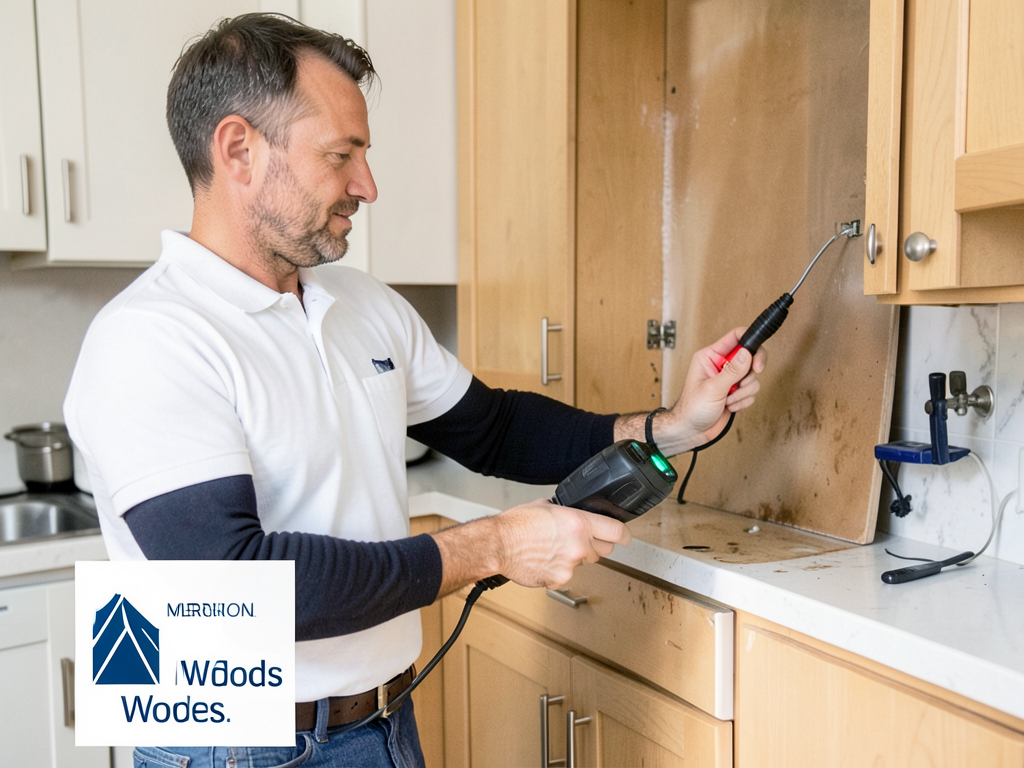
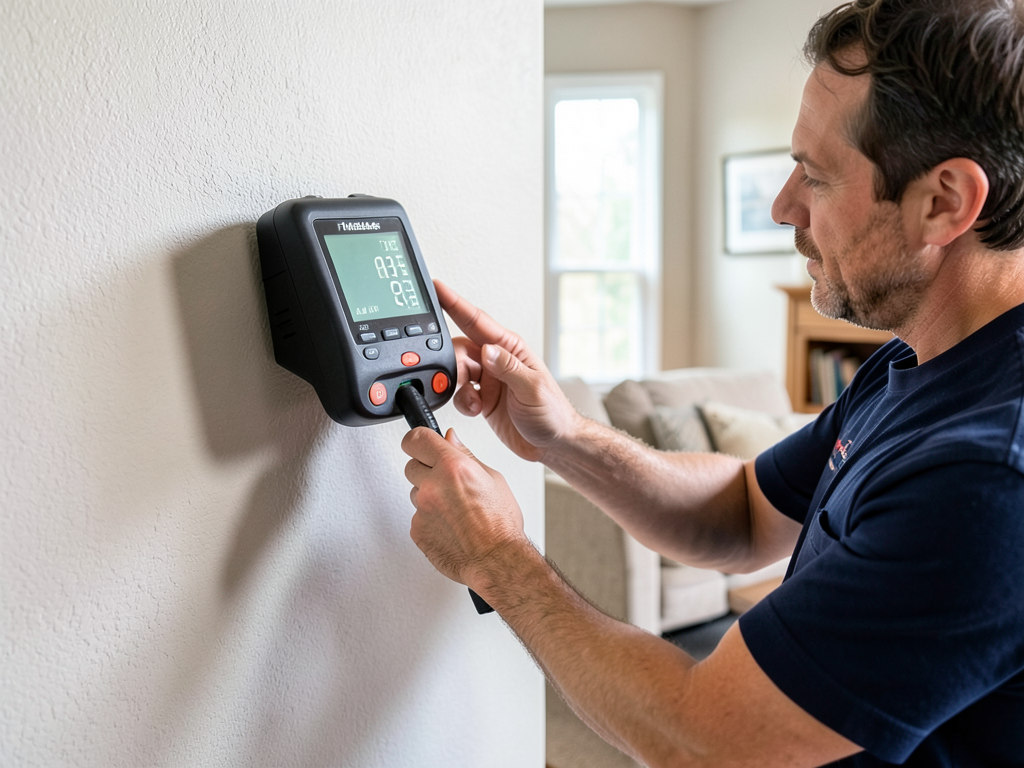
Silverline Water Damage Restoration Raleigh does not patch over cosmetic damage. We use thermal imaging cameras and non-invasive moisture meters to map moisture content inside wall cavities. These tools detect elevated moisture levels invisible to the naked eye. We trace the migration path from entry point to interior surface.

Once we identify the source, we address it systematically. Common culprits include failed window flashing, deteriorated grout in tile surrounds, leaking supply lines behind walls, or condensation from poorly insulated HVAC ducts. In crawl spaces, we check for standing water, inadequate vapor barriers, and foundation cracks allowing groundwater infiltration.

After source elimination, we dry the affected wall cavities using commercial-grade air movers and dehumidifiers. Surface drying is insufficient. Drywall, insulation, and framing lumber must reach equilibrium moisture content below 15 percent. We verify dryness with calibrated hygrometers before any reconstruction begins.

If mold colonization has occurred behind the wallpaper or paint, we contain the area and perform remediation per IICRC S520 standards. This involves HEPA vacuuming, antimicrobial treatment, and removal of non-salvageable materials. Mold grows on damp drywall paper facing within 48 hours. Ignoring it leads to respiratory issues and structural degradation.

We then prep surfaces correctly. This means priming with moisture-resistant primer, replacing damaged drywall, and ensuring proper ventilation. Homes with chronic bathroom humidity benefit from exhaust fan upgrades. Kitchens with poor range hood venting need mechanical solutions, not just new paint.

The goal is permanent resolution. You should not see blistering wall paint return in two years.

What Happens When You Call Us About Failing Surfaces

Peeling Paint & Wallpaper in Raleigh – We Find the Hidden Water Damage Before It Spreads
01

Diagnostic Moisture Mapping

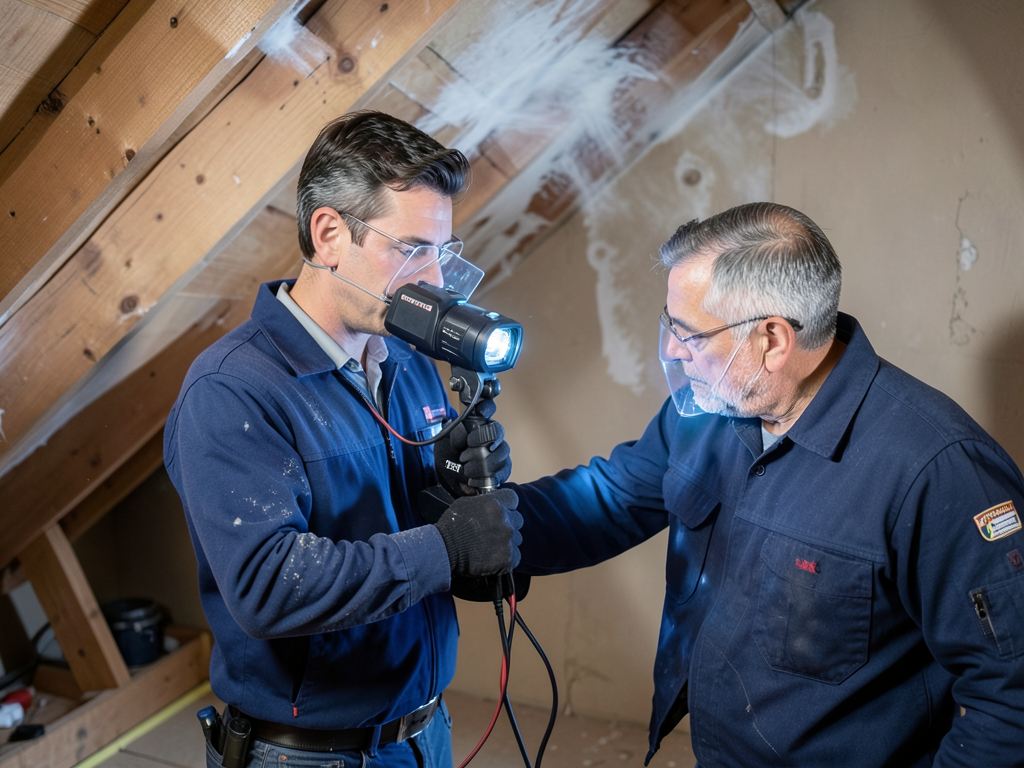
We arrive with infrared thermal cameras and penetrating moisture meters. Thermal imaging reveals temperature differentials caused by evaporative cooling where moisture is present. We scan exterior walls, ceilings below bathrooms, and areas with visible paint damage. Moisture meters give precise readings at multiple depths within the wall assembly. This data tells us if the problem is surface condensation or deep structural saturation.
02

Source Identification and Mitigation

After mapping moisture zones, we trace the entry point. This might require removing baseboards, inspecting attic spaces, or checking crawl space conditions. We look for plumbing leaks, HVAC condensation, exterior envelope failures, or groundwater wicking. Once identified, we stop the water at its source. This could mean repairing a supply line, sealing foundation cracks, or replacing failed window flashing. No drying begins until the source is eliminated.
03

Controlled Drying and Surface Restoration

We deploy air movers and dehumidifiers to extract moisture from wall cavities and structural materials. Drying takes 48 to 72 hours depending on saturation levels. We monitor progress with daily moisture readings. Once materials reach safe levels, we treat for mold if needed, replace damaged drywall or insulation, and prep surfaces for paint or wallpaper. The substrate must be completely dry and stable before any finish work.

Why Raleigh Homeowners Trust Us with Chronic Paint Problems

Silverline Water Damage Restoration Raleigh specializes in the diagnostic work most painting contractors skip. We understand how Raleigh's building methods and climate interact. Homes in Historic Oakwood have different moisture challenges than new construction in Wakefield. Older homes often have lime-based plaster walls and lack vapor barriers. Newer homes may have improperly installed housewrap or missing kickout flashing at roof-to-wall transitions.

We work directly with your insurance carrier when water damage is sudden and accidental. Leaking supply lines, failed water heaters, and storm-driven rain intrusion often qualify for coverage. We document moisture readings, photograph affected areas, and provide detailed estimates. This simplifies your claims process and reduces out-of-pocket expense.

Our technicians hold IICRC certifications in water damage restoration and applied structural drying. This training teaches us how moisture moves through building assemblies, how different materials absorb and release water, and how to calculate drying time based on environmental conditions. Certification matters because improper drying leads to secondary damage like mold growth, wood rot, and lingering odors.

We also understand Raleigh's seasonal patterns. Spring brings heavy rainfall. Summer heat drives humidity into air-conditioned spaces, causing condensation on cold surfaces. Fall and winter see temperature swings that create freeze-thaw cycles in exterior masonry. Each season presents unique moisture risks. We adapt our approach based on when the damage occurred and what environmental factors contributed.

You get honest assessments. If the issue is minor and you can handle it with a dehumidifier and fan, we tell you. If the problem requires wall cavity drying and mold remediation, we explain why and show you the data. No upselling. No scare tactics. Just accurate diagnosis and effective solutions.

What You Can Expect When We Restore Your Walls

Response Time and Availability

We respond to calls within two hours during business hours and offer emergency service for active leaks. Peeling paint itself is not an emergency, but the water damage causing it might be. If you discover a leaking pipe behind a wall with bubbling paint, we treat that as urgent. For diagnostic evaluations of chronic paint failure, we schedule appointments within 24 to 48 hours. Our goal is to get moisture readings quickly so you understand the scope before the damage worsens. We work around your schedule and provide clear arrival windows.

How the Inspection Works

The inspection takes 45 to 90 minutes depending on home size and problem complexity. We start with a visual assessment of all affected areas. We then use thermal imaging to scan walls, ceilings, and floors. Moisture meters give us quantitative data at multiple points. We check crawl spaces, attics, and mechanical systems. You receive a written report with moisture readings, thermal images, and our recommended action plan. We explain what we found, why it happened, and what it takes to fix it. No jargon. No confusing technical language. Just clear answers.

The Quality of Our Work

We dry structures to industry standards. That means wood framing below 15 percent moisture content, drywall below 12 percent, and concrete below acceptable thresholds per ASTM F2170. We document all readings in a drying log. If mold remediation is needed, we follow containment protocols, use HEPA filtration, and apply antimicrobial treatments. Reconstruction includes moisture-resistant drywall in high-risk areas, proper priming, and ventilation improvements where needed. You get a home that stays dry, not just one that looks good for six months.

Post-Restoration Support

After restoration, we provide maintenance recommendations specific to your home. This might include crawl space encapsulation, improved bathroom ventilation, or exterior drainage improvements. We do not offer formal warranties on cosmetic finishes because we are not painters. We do guarantee our drying work. If moisture returns due to our oversight, we address it at no charge. We also offer follow-up moisture checks at 30 and 90 days post-restoration to confirm the problem is resolved. You should never see that blistering wall paint again.

Frequently Asked Questions

You Have Questions,
We Have Answers

Why is my paint peeling like wallpaper? +

Paint peeling in sheets like wallpaper points to a moisture problem beneath the surface. Water damage from leaks, high humidity, or foundation issues causes the substrate to swell and push the paint film away from the wall. In Raleigh, high humidity levels and poor attic ventilation often drive this failure. You may also have a failing vapor barrier or condensation trapped inside the wall cavity. Check for plumbing leaks, roof damage, or crawl space moisture. This type of peeling requires removing the damaged paint, addressing the moisture source, and properly preparing the surface before repainting.

What to do if paint is peeling off the wall? +

First, identify and fix the moisture source causing the peeling. Check for leaks, condensation, or ventilation problems common in Raleigh homes with older HVAC systems. Scrape away all loose paint using a putty knife or paint scraper until you reach sound, adhering paint. Sand the edges smooth to blend the transition. Clean the wall with a damp cloth and let it dry completely. Apply a stain-blocking primer to seal the substrate and prevent future moisture penetration. Once dry, repaint with quality paint designed for your wall type. Skipping moisture repair guarantees the problem returns.

Is it cheaper to paint or peel and stick wallpaper? +

Paint is almost always cheaper than peel and stick wallpaper for equivalent coverage. A gallon of quality interior paint costs less and covers more square footage than similar wallpaper products. Labor time for painting is also shorter since wallpaper requires precise alignment and trimming. Peel and stick offers faster DIY installation for small accent walls, but large projects add up quickly. For Raleigh homeowners dealing with moisture issues, paint also breathes better and handles humidity fluctuations without edge lifting. Consider your skill level and the room's moisture exposure when choosing between the two options.

Can I wallpaper over peeling paint? +

No, wallpaper over peeling paint creates a weak foundation that will fail quickly. The wallpaper adhesive cannot bond properly to loose, unstable paint. You will see bubbling, lifting, and premature wallpaper failure within weeks or months. The underlying paint will continue peeling beneath the wallpaper, creating an uneven surface. You must scrape away all loose paint, sand smooth, prime the wall, and ensure the surface is stable before applying wallpaper. Raleigh's humidity makes this even more critical since moisture will migrate through weak spots and compromise both layers. Proper surface preparation prevents wasted time and materials.

Will Kilz stop peeling paint? +

Kilz primer will not stop paint from peeling if moisture issues persist. It seals stains and provides good adhesion for new paint, but it cannot reverse active moisture damage or repair poor substrate adhesion. You must scrape away all loose, peeling paint first, then address the root cause like leaks or humidity. Once the surface is stable and dry, Kilz creates a solid bonding layer for topcoat paint. In Raleigh homes with crawl space moisture or roof leaks, skipping moisture remediation means the primer and new paint will peel again. Fix the problem, then prime.

Can I paint over paint that's peeling? +

No, painting over peeling paint traps the problem beneath new layers. The new paint will peel along the same failure lines within weeks because it cannot bond to an unstable surface. You must remove all loose paint by scraping and sanding until you reach sound, adhering material. Feather the edges smooth, clean the surface, and apply primer before topcoating. Raleigh's humidity accelerates paint failure when moisture is trapped under fresh layers. Skipping proper preparation wastes paint and labor. Address the substrate issues first, then build your paint system on a stable foundation for lasting results.

What is the difference between flaking and peeling paint? +

Flaking paint breaks away in small chips or fragments, while peeling paint lifts in larger sheets or strips. Flaking indicates surface-level adhesion failure, often from aging paint or poor bonding to a glossy substrate. Peeling points to deeper moisture issues, improper surface prep, or incompatible paint layers. In Raleigh homes, flaking appears more often on trim and doors exposed to sun and temperature swings. Peeling happens on walls and ceilings with water damage or high humidity. Both require scraping and surface repair, but peeling demands moisture investigation before repainting to prevent repeat failure.

Should I scrape off all the peeling paint? +

Yes, scrape off all loose, peeling paint before repainting. Leaving unstable paint creates a weak foundation that will fail again quickly. Use a paint scraper or putty knife to remove everything that lifts easily. Stop when you reach sound, well-adhered paint. Sand the edges to create smooth transitions between scraped and intact areas. This prevents visible ridges under your new paint. In Raleigh's humid climate, thorough scraping is essential since moisture will migrate through any weak spots left behind. Clean the surface after scraping, prime bare spots, and then apply topcoat paint for a durable finish.

Can you put primer over peeling paint? +

No, primer over peeling paint will not solve the problem. Primer bonds to the existing surface, so if that surface is unstable and peeling, the primer will peel too. You must scrape away all loose paint first, creating a stable substrate for primer adhesion. Sand the edges smooth, clean the wall, and let it dry completely. Then apply a quality bonding primer to bare spots and feathered edges before topcoating. Raleigh homeowners skip this step and waste money when the new paint system fails. Primer works only on properly prepared, stable surfaces, not over active failure.

What is the cost of painting a 1000 sq ft house? +

Painting costs vary widely based on surface condition, prep work needed, paint quality, and labor rates in Raleigh. A 1000 square foot house typically ranges from low to mid-tier pricing depending on the number of coats, trim detail, and whether you need extensive scraping or repairs. Homes with peeling paint or moisture damage require more prep time, which increases labor costs. DIY painting saves labor expenses but demands time and skill. Get multiple local estimates that include surface preparation, primer, and quality paint suited to Raleigh's humid climate for accurate budgeting.

How Raleigh's Clay Soil and Humidity Make Paint Failure Common

Raleigh sits on expansive clay soil that swells when wet and shrinks when dry. This seasonal movement creates hairline cracks in foundations and slab edges. During heavy spring rains or tropical storms, groundwater pressure increases. Water migrates through these cracks into crawl spaces and basement walls. Without proper vapor barriers or drainage systems, this moisture wicks up into wall cavities. The result is chronic flaking paint and loose wallpaper on first-floor walls. Homes near Crabtree Creek, Walnut Creek, or in low-lying areas like Mordecai see this frequently. High summer humidity compounds the issue, keeping materials damp for extended periods.

Raleigh's building codes have evolved significantly over the past 30 years. Older homes often lack the moisture control features now required by code. If you live in Historic Oakwood, Boylan Heights, or other established neighborhoods, your home may have no crawl space vapor barrier, inadequate roof ventilation, or original single-pane windows that promote condensation. We understand these legacy construction methods and know how to retrofit modern moisture control without damaging historic character. Choosing a local restoration company means you get someone who understands your home's age, construction type, and the specific moisture risks in your neighborhood.
Water Damage Restoration Services in The Raleigh Area

While based in Raleigh, Silverline proudly serves the surrounding areas, providing expert water damage restoration wherever you are. Our interactive map allows you to visualize our service radius and plan your visit, or simply understand our immediate response capabilities. We are dedicated to reaching you quickly, ensuring prompt and efficient service for your home or business, no matter your precise location within our service area, ready to assist.

Address:
Silverline Water Damage Restoration Raleigh, 306 E Hargett St, Raleigh, NC, 27601

Additional Services We Offer

Our news updates

Latest Articles & News from The Blogs

Replacing Water Damaged Subfloors Under Your New LVP in North Raleigh Water damage beneath luxury vinyl plank flooring in North…

Replacing Water Damaged Subfloors Under Your New LVP in North Raleigh

Replacing Water Damaged Subfloors Under Your New LVP in North Raleigh Water damage beneath luxury vinyl plank flooring in North…

Fast Flood Cleanup for Daycares and Schools in the Forestville Area

Fast Flood Cleanup for Daycares and Schools in the Forestville Area When water floods a daycare or school in Forestville…

Professional Water Damage Restoration for Medical Offices Near Rex Hospital

Professional Water Damage Restoration for Medical Offices Near Rex Hospital When water floods a medical office the stakes go far…

Contact Us

Call Silverline Water Damage Restoration Raleigh at (984) 294-5900 for a diagnostic moisture evaluation. We identify the source, dry the structure, and give you a permanent solution to peeling paint and wallpaper. No more guessing. No more wasted money on cosmetic fixes.