Menu

Fire Damage Safety Checklist in Raleigh – Expert Guidance to Protect Your Family and Property After a Fire

Get a comprehensive fire damage safety checklist designed specifically for Raleigh homeowners and businesses, covering post-fire hazards, structural risks, and critical safety protocols to prevent injury and secondary damage.

Slider Image 1
Slider Image 2
Slider Image 3
Slider Image 4
Slider Image 5
Slider Image 7
Slider Image 8
Slider Image 9
Slider Image 10
Slider Image 11

Why Post-Fire Safety Is Critical in Raleigh Homes

After a fire, your home is not safe to re-enter without following strict after fire safety precautions. Raleigh's older neighborhoods, particularly those around Historic Oakwood and Cameron Park, feature wood-framed construction that remains structurally compromised after fire exposure. The charred framing can collapse without warning, and the humid North Carolina climate accelerates corrosion of metal fasteners and hidden mold growth in damp debris.

You face multiple invisible threats. Soot contains carcinogens and irritants that settle on every surface. Smoke residue turns acidic in Raleigh's humidity, corroding wiring and metal fixtures. Water used to extinguish the fire saturates insulation, drywall, and subflooring, creating mold colonies within 24 to 48 hours. If fire suppression occurred during our wet spring months, standing water becomes a breeding ground for bacteria.

The fire recovery safety guide starts with understanding that your home is now a hazardous environment. Structural beams may look intact but have lost load-bearing capacity. Electrical systems short out when wet. Gas lines may have separated during heat exposure. Asbestos in older Raleigh homes built before 1980 becomes airborne when disturbed by fire.

Following a post-fire hazard checklist is not optional. It is the difference between safe recovery and catastrophic injury. Before you step inside, you need professional assessment to identify compromised structures, contaminated air, electrical hazards, and hidden water damage that will destroy your property if ignored.

Why Post-Fire Safety Is Critical in Raleigh Homes
How Professional Fire Damage Assessment Works

How Professional Fire Damage Assessment Works

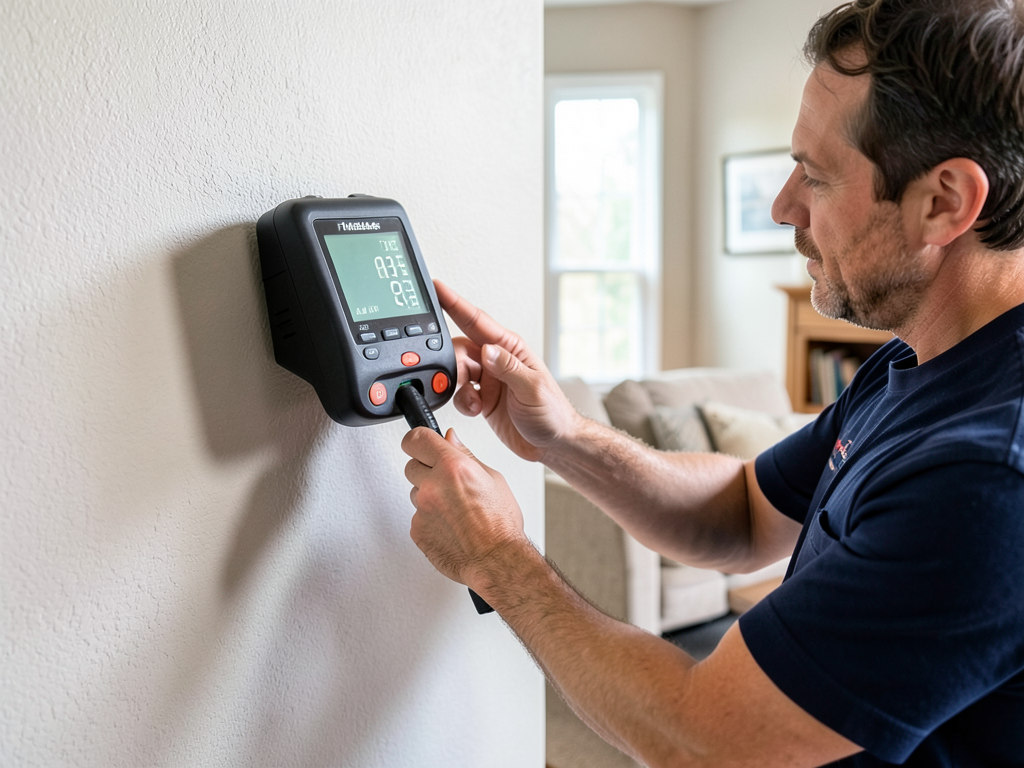
A fire damage safety protocol begins with a trained technician conducting a pre-entry structural evaluation. We do not enter until we confirm that floor joists, roof trusses, and load-bearing walls can support weight. We use moisture meters to map hidden water saturation in walls and ceilings, because what the fire department used to save your home can destroy it through unchecked water migration.

We test air quality for carbon monoxide, volatile organic compounds, and particulate matter. Soot is not just dirty. It is a mix of burned plastics, treated wood, and synthetic materials that release toxic fumes for days after the fire is out. We measure these levels and determine when occupancy is safe.

Our post-fire safety steps include electrical system inspection before restoring power. Fire heat degrades wire insulation, and water creates short circuits. We verify that your panel, breakers, and branch circuits are intact. We also inspect HVAC ductwork, because smoke and soot travel through your ventilation system and will recontaminate cleaned areas if not addressed.

We document every hazard with photos and detailed notes for your insurance claim. This is critical in Raleigh, where insurance adjusters require proof of both fire damage and secondary water damage to approve full remediation costs. We identify structural elements that need demolition, materials that can be cleaned, and systems that require replacement.

The fire recovery safety guide we provide is specific to your property. We do not hand you a generic checklist. We assess your unique damage, your home's construction type, and the extent of smoke, soot, and water intrusion to create a safe path forward.

What Happens During Your Fire Damage Safety Assessment

Fire Damage Safety Checklist in Raleigh – Expert Guidance to Protect Your Family and Property After a Fire
01

Initial Hazard Survey

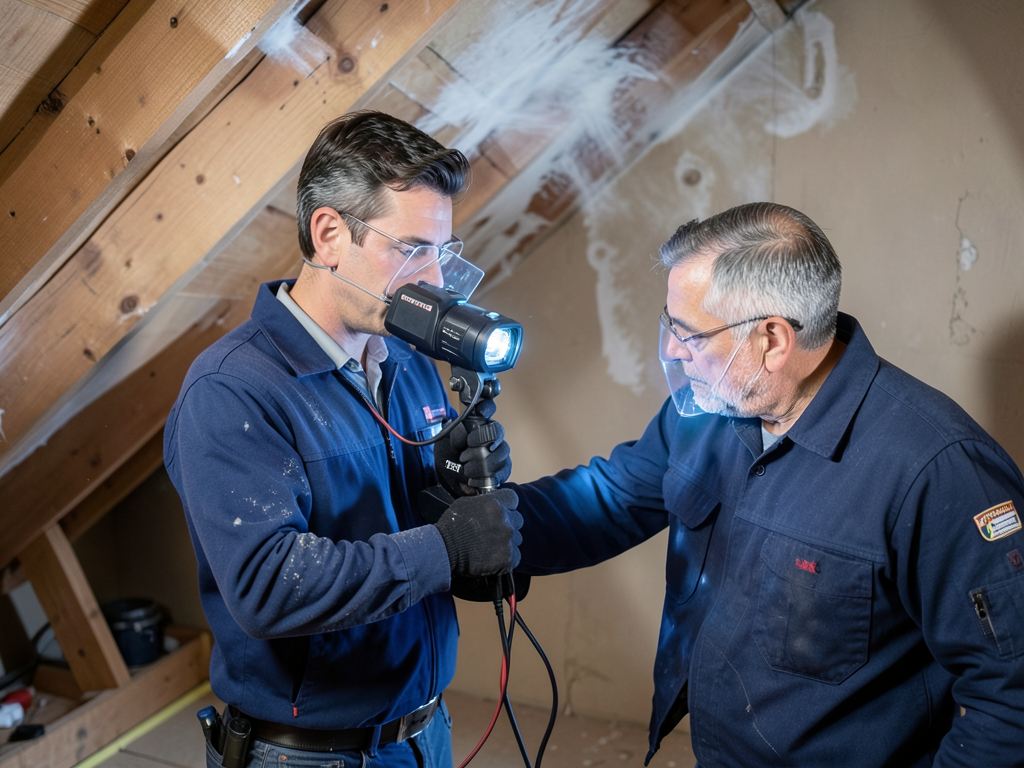
We conduct a perimeter inspection before entering your property. This includes checking for visible structural sag, broken windows that allow rain intrusion, and compromised roofing. We identify immediate fall hazards, unstable walls, and areas where fire weakened framing. We use thermal imaging to locate hidden hot spots that could reignite. This external assessment determines safe entry points and alerts us to sections that require shoring before access.
02

Interior Contamination Mapping

Once entry is safe, we map soot distribution, water damage zones, and air quality throughout the structure. We use particle counters to measure airborne contaminants and moisture meters to identify saturated materials that will develop mold. We inspect attic spaces and crawlspaces where smoke and water migrate unnoticed. We document electrical panel condition, gas line integrity, and HVAC system contamination. This phase produces a room-by-room hazard inventory that guides all cleanup and restoration work.
03

Actionable Safety Plan Delivery

You receive a written fire damage safety checklist specific to your property. It includes which areas are safe to access, which require professional remediation before entry, and what personal protective equipment you need if you retrieve belongings. We outline the sequence for water extraction, structural drying, soot removal, and air scrubbing. We provide timelines for each phase and explain what insurance documentation you need. This is your roadmap to safe, complete recovery.

Why Raleigh Property Owners Trust Local Fire Damage Experts

Raleigh's building stock varies widely. Downtown high-rises follow modern fire codes with sprinkler systems and fire-rated assemblies. Suburban neighborhoods feature wood-framed construction built in the 1970s and 1980s with minimal fire protection. Historic homes in Mordecai and Boylan Heights contain plaster walls, knob-and-tube wiring, and dimensional lumber framing that responds differently to fire exposure than modern engineered lumber.

We understand these differences because we work in Raleigh every day. We know that homes near Crabtree Creek face secondary water damage risks if fire suppression coincides with heavy rain. We know that Wake County requires permits for structural repairs after fire damage, and we coordinate inspections to keep your project moving. We are familiar with local insurance adjusters and what documentation they require to approve claims without delay.

Our technicians are trained in IICRC fire and smoke restoration standards, but training alone is not enough. Experience in Raleigh's specific housing types, climate conditions, and regulatory environment makes the difference between a safe recovery and a dangerous mistake. We have assessed fire damage in every neighborhood, from North Hills condos to rural properties in eastern Wake County.

We also understand the emotional weight of fire loss. You are dealing with trauma, displacement, and uncertainty. We provide clear answers, realistic timelines, and a structured plan that removes ambiguity. You do not need to guess what is safe or what comes next. We handle the complexity so you can focus on recovery.

Choosing a local expert means working with someone who knows Raleigh's building codes, climate challenges, and insurance landscape. It means faster response, better communication, and a team that understands your community.

What to Expect During Fire Damage Safety Assessment

Rapid Response and Availability

We respond to fire damage calls 24 hours a day, seven days a week. Most assessments begin within two to four hours of your call. We understand that delays increase risk. Water continues migrating through your structure, mold begins colonizing damp materials, and acidic soot residue corrodes metal and deteriorates finishes. Speed matters. We arrive equipped to conduct immediate safety evaluations and begin containment if needed. Our goal is to stop secondary damage while providing you with a clear safety plan before the first day ends.

Thorough Property Evaluation Process

Our assessment is not a walkthrough. It is a methodical inspection of structural integrity, environmental hazards, and contamination levels. We use moisture detection equipment to find hidden water. We test air quality to determine when occupancy is safe. We inspect electrical panels, HVAC systems, and plumbing for fire and water damage. We photograph and document every finding for your records and insurance claim. You receive a written report that explains what is damaged, what is salvageable, and what safety risks exist. This eliminates guesswork and provides the foundation for all restoration work.

Detailed Safety and Remediation Plan

After assessment, you receive a comprehensive fire damage safety checklist and remediation plan. It outlines safe and unsafe areas of your property, required personal protective equipment for entry, and the sequence of restoration steps. We explain what work happens first, how long each phase takes, and what results to expect. If structural repairs, electrical work, or mold remediation is needed, we coordinate those trades and manage the timeline. You are never left wondering what comes next or whether your property is safe. Everything is documented, sequenced, and explained in clear terms.

Ongoing Support and Documentation

Fire recovery is not a single event. It is a process that unfolds over days or weeks. We provide ongoing support as conditions change, new hazards emerge, or insurance questions arise. We maintain detailed records of all findings, communications, and work performed. This documentation is critical for insurance claims, permit approvals, and future property transactions. If you need to return to retrieve belongings, we guide you on safe access procedures. If additional testing is required, we coordinate air quality or structural evaluations. Our job is not finished until your property is safe and you understand every step taken.

Frequently Asked Questions

You Have Questions,
We Have Answers

How Raleigh's Humidity and Construction Types Affect Post-Fire Safety

Raleigh's average humidity stays above 70 percent for much of the year, which accelerates mold growth and corrosion after fire suppression. Water used to extinguish the fire saturates wood framing, insulation, and drywall. In our climate, mold colonies establish within 24 to 48 hours. Older homes in neighborhoods like Budleigh and Five Points were built with solid wood framing and plaster walls that trap moisture and dry slowly. Modern homes use oriented strand board sheathing and engineered lumber that delaminate when wet. Both construction types require aggressive drying and monitoring to prevent mold and structural failure after fire and water exposure.

Raleigh's diverse housing stock requires local expertise to assess fire damage correctly. Historic homes contain materials no longer used, such as horsehair plaster and dimensional lumber, which behave differently under fire stress than modern materials. Wake County enforces strict building codes for post-fire repairs, including electrical inspections and structural permits. Working with a local fire damage restoration team means you get accurate assessments based on how Raleigh homes are built, what local inspectors require, and how our climate affects recovery timelines. We know the difference between a 1950s bungalow in Glenwood and a 2010s subdivision home in North Raleigh, and we tailor our safety protocols accordingly.
Water Damage Restoration Services in The Raleigh Area

While based in Raleigh, Silverline proudly serves the surrounding areas, providing expert water damage restoration wherever you are. Our interactive map allows you to visualize our service radius and plan your visit, or simply understand our immediate response capabilities. We are dedicated to reaching you quickly, ensuring prompt and efficient service for your home or business, no matter your precise location within our service area, ready to assist.

Address:
Silverline Water Damage Restoration Raleigh, 306 E Hargett St, Raleigh, NC, 27601

Additional Services We Offer

Our news updates

Latest Articles & News from The Blogs

Replacing Water Damaged Subfloors Under Your New LVP in North Raleigh Water damage beneath luxury vinyl plank flooring in North…

Replacing Water Damaged Subfloors Under Your New LVP in North Raleigh

Replacing Water Damaged Subfloors Under Your New LVP in North Raleigh Water damage beneath luxury vinyl plank flooring in North…

Fast Flood Cleanup for Daycares and Schools in the Forestville Area

Fast Flood Cleanup for Daycares and Schools in the Forestville Area When water floods a daycare or school in Forestville…

Professional Water Damage Restoration for Medical Offices Near Rex Hospital

Professional Water Damage Restoration for Medical Offices Near Rex Hospital When water floods a medical office the stakes go far…

Contact Us

Do not enter your fire-damaged property without a professional safety assessment. Call Silverline Water Damage Restoration Raleigh at (984) 294-5900 now for immediate response. We provide comprehensive fire damage evaluations, detailed safety plans, and expert guidance to protect your family and property.