Menu

Fire & Smoke Damage Restoration in Raleigh – Complete Recovery from Structural Charring to Lingering Odors

Comprehensive fire damage repair and smoke damage cleanup that addresses heat-damaged framing, soot infiltration in HVAC systems, and the acidic residue that continues corroding your property long after the flames are out.

Slider Image 1
Slider Image 2
Slider Image 3
Slider Image 4
Slider Image 5
Slider Image 7
Slider Image 8
Slider Image 9
Slider Image 10
Slider Image 11

Why Fire Damage in Raleigh Homes Goes Deeper Than You See

You smell it before you see it. That acrid, choking odor that clings to every surface. But the real threat from fire damage runs much deeper than singed walls and smoke-stained ceilings.

Raleigh's high humidity creates a compounding problem after fires. Moisture in the air reacts with soot particles to form acidic compounds that actively corrode metal fixtures, wiring, and structural fasteners. What looks like surface damage today becomes a structural liability in six months when hidden corrosion weakens load-bearing connections.

The pine framing common in Raleigh's residential construction absorbs smoke residue like a sponge. These hydrocarbons penetrate deep into the wood grain, releasing toxic fumes for months if not properly remediated. Your HVAC system becomes a distribution network for particulates, circulating contaminated air through ductwork that standard cleaning cannot reach.

Fire restoration services require immediate action because the chemical reactions do not stop when the fire department leaves. Acidic soot continues etching glass, tarnishing metal, and degrading synthetic materials every hour you wait. The thermal shock from firefighting water compounds the problem, saturating insulation and creating ideal conditions for microbial growth within 24 to 48 hours.

Most property owners focus on visible char marks while invisible damage spreads through wall cavities and attic spaces. Professional fire and smoke mitigation addresses both the obvious destruction and the hidden contamination that standard cleaning misses. The difference between surface cleaning and proper restoration determines whether your property recovers or deteriorates over time.

Why Fire Damage in Raleigh Homes Goes Deeper Than You See
How Professional Fire Cleanup Services Actually Work

How Professional Fire Cleanup Services Actually Work

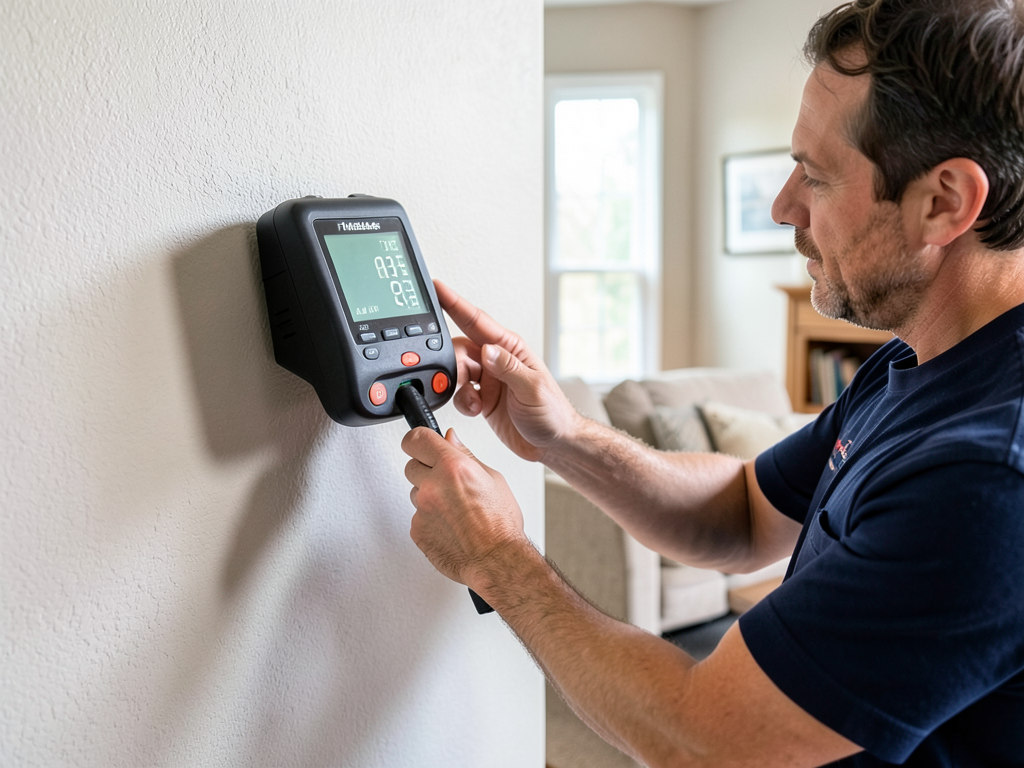
Proper smoke damage cleanup starts with atmospheric testing, not scrubbing walls. We measure particulate density, VOC levels, and pH readings on affected surfaces to map contamination patterns. This diagnostic phase identifies where smoke traveled through your HVAC plenum, which wall cavities contain settled soot, and what materials absorbed vs. what can be cleaned.

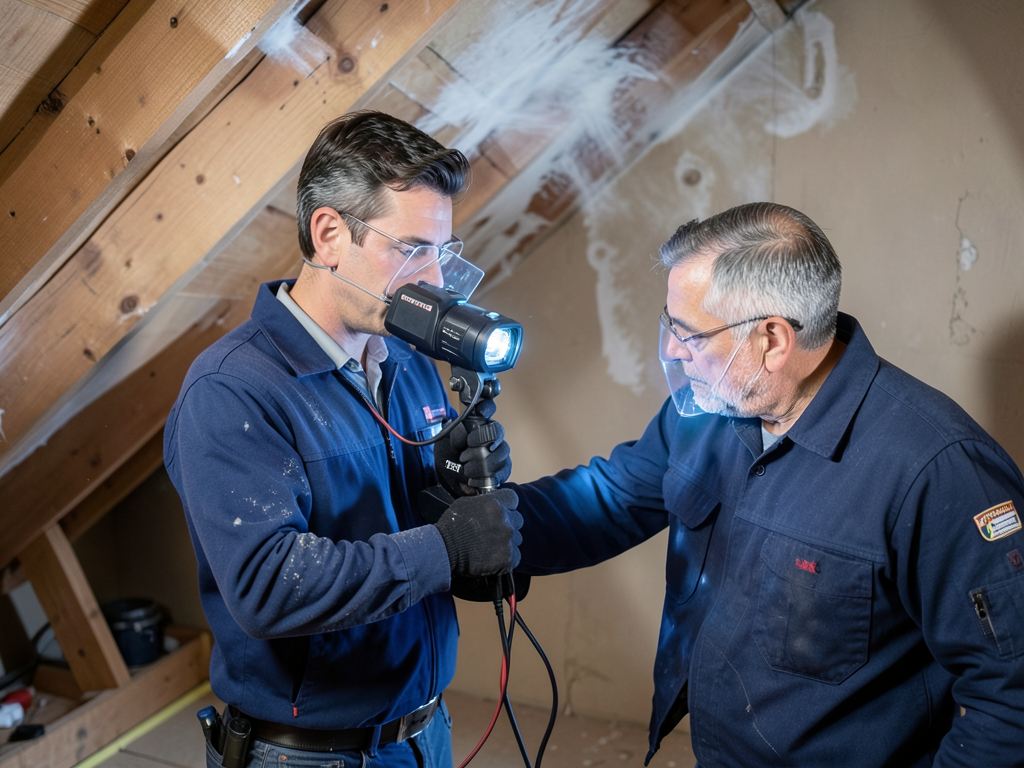
Thermal imaging reveals heat damage invisible to the naked eye. Wood that looks intact may have been heated past its structural threshold, compromising its load capacity. Electrical wiring insulation degrades at specific temperatures. We document these thermal signatures before any cleaning begins because post-fire structural integrity depends on identifying compromised components.

The cleaning sequence matters. Dry soot removal comes first using HEPA-filtered vacuums with specialized attachments that do not smear particles deeper into porous surfaces. Wet cleaning follows only after loose particulates are captured, using pH-specific detergents that neutralize acidic residue without damaging substrate materials. Different soot types require different chemical approaches. Protein residue from kitchen fires needs enzyme cleaners. Synthetic smoke from burned plastics needs solvent-based solutions.

HVAC decontamination is not optional. Your ductwork contains a concentrated deposit of the most dangerous particulates. We seal registers, create negative pressure, and use rotary brush systems to mechanically remove buildup before applying antimicrobial treatments. Return air pathways receive the same attention because contaminated air gets recirculated through your living space with every heating cycle.

Ozone treatment and hydroxyl generation handle molecular-level odors that cleaning cannot reach. These oxidizing technologies break down hydrocarbon chains embedded in building materials, eliminating smells at the source rather than masking them.

What Happens During Your Fire Damage Recovery

Fire & Smoke Damage Restoration in Raleigh – Complete Recovery from Structural Charring to Lingering Odors
01

Emergency Stabilization and Documentation

We arrive within hours to stop ongoing damage. Tarping compromised roof sections prevents water intrusion. Boarding openings secures the property. We photograph every affected area, document pre-existing conditions, and create a detailed scope of loss for insurance purposes. Air scrubbers begin filtering particulates immediately while we assess structural stability and identify safety hazards that require immediate attention before restoration work begins.
02

Contamination Removal and Remediation

Systematic decontamination follows documented protocols. We remove unsalvageable materials, HEPA-vacuum all surfaces, wet-clean with appropriate chemistry, and treat HVAC systems. Thermal fogging penetrates porous materials with deodorizing agents. Contents get packed out for specialized cleaning at our facility. Each material type receives treatment specific to its composition and contamination level. We test surfaces post-cleaning to verify particulate removal meets indoor air quality standards.
03

Reconstruction and Air Quality Verification

Rebuilding incorporates code-compliant materials and methods. New drywall, insulation, and finishes restore your property to pre-loss condition. We conduct final air quality testing to verify VOC levels, particulate counts, and odor elimination meet residential standards. Post-mitigation documentation provides insurance closure and gives you confidence the restoration eliminated health hazards. You receive a detailed record of all work performed, materials installed, and verification testing results.

Why Raleigh Property Owners Choose Local Fire Restoration Experts

Fire damage restoration in Raleigh requires understanding how our specific building methods and climate conditions affect recovery. The brick veneer construction common in Raleigh neighborhoods creates unique challenges. Smoke infiltrates through weep holes and contaminates wall cavities behind the brick facade. Standard cleaning misses this hidden damage.

We work with the same building inspectors, insurance adjusters, and code enforcement officials you will encounter. When the Wake County inspector questions your electrical system or the insurance adjuster disputes your claim scope, we provide the documentation and expertise that moves your project forward. That familiarity with local processes eliminates delays that out-of-area contractors cause.

Raleigh's transition between heating and cooling seasons affects restoration timelines. High humidity during spring and summer requires active dehumidification during reconstruction. We account for seasonal moisture loads when scheduling drying equipment and determining when to seal wall cavities. National franchises follow standardized protocols that do not adjust for regional climate variations.

The age and construction of Raleigh's housing stock creates specific restoration considerations. Homes in Historic Oakwood require different approaches than new construction in North Hills. Original heart pine flooring needs specialized cleaning that differs from laminate. Plaster walls require different techniques than drywall. We match restoration methods to your property's specific construction.

Your insurance claim depends on accurate documentation and realistic scope preparation. We communicate directly with adjusters, provide detailed line-item estimates, and advocate for complete restoration rather than cosmetic repairs. Most fire claims require supplemental estimates as hidden damage appears. Our relationship with local adjusters facilitates those conversations and keeps your project moving toward completion.

What to Expect During Fire and Smoke Mitigation

Response Time and Project Duration

We dispatch crews to Raleigh fire scenes within two hours of your call. Emergency stabilization happens the same day. Complete assessment and scope preparation typically requires 48 to 72 hours as we uncover damage hidden behind surfaces. Cleaning and decontamination for moderate fire damage takes seven to ten days. Reconstruction timelines depend on the extent of structural repairs but most residential projects complete within four to six weeks. Complex claims involving multiple rooms or structural repairs extend timelines but we provide weekly updates and maintain consistent progress. Emergency services operate around the clock because fire damage worsens every hour you wait.

Comprehensive Damage Assessment Process

Initial assessment combines visual inspection with diagnostic technology. Thermal imaging identifies heat-affected framing and wiring. Moisture meters detect water damage from firefighting efforts. Air quality testing measures particulate concentrations and identifies chemical hazards. We inspect attic spaces, crawlspaces, and wall cavities where smoke traveled through building pathways. Contents evaluation determines what can be cleaned versus what requires replacement. You receive a detailed written report documenting all findings with supporting photographs and test data. This assessment forms the foundation of your insurance claim and guides the restoration plan. We explain findings in clear terms so you understand what happened to your property and why specific repairs are necessary.

Quality Standards and Final Results

Successful fire restoration means you cannot detect any evidence of the fire. No lingering odors. No soot stains. No compromised structural elements. We achieve this through systematic contamination removal verified by post-cleaning testing. Air quality measurements confirm particulate levels meet residential standards. Surface pH testing verifies acidic residue has been neutralized. Thermal fogging and hydroxyl treatment eliminate odors at the molecular level rather than masking them. Reconstruction uses quality materials installed to current building codes. Final walkthrough ensures every detail meets your approval before we close the project. You get documentation of all testing results and a detailed record of work performed for your property records and future disclosure requirements.

Post-Restoration Support and Monitoring

Fire restoration does not end when we finish reconstruction. We provide 30-day follow-up contact to address any concerns that arise after you reoccupy the property. Occasionally odors resurface as building materials off-gas when heating systems reactivate. We respond quickly to address these situations. You receive care instructions for cleaned contents and recommendations for maintaining indoor air quality. Our documentation package includes all test results, material specifications, and work completion records you need for insurance closure and future property transactions. If questions arise months later about work we performed, we maintain detailed project files and respond to your inquiries. The relationships we build with Raleigh property owners extend beyond project completion because your satisfaction determines our reputation in this community.

Frequently Asked Questions

You Have Questions,
We Have Answers

How much does smoke damage restoration cost? +

Costs vary based on fire extent, affected square footage, and contamination level. Minor smoke cleaning in one room might run lower than whole-structure remediation. Factors include soot removal, HVAC decontamination, odor neutralization, and content pack-out. Structural repairs, drywall replacement, and flooring add to totals. Most homeowner policies in Raleigh cover fire and smoke damage minus your deductible. Request a detailed estimate after inspection. Professionals assess damage severity, document findings for your insurer, and provide transparent pricing. Raleigh's humid climate can accelerate corrosion from acidic soot, making fast action critical to control costs.

What does fire damage restoration include? +

Fire damage restoration covers emergency board-up, water extraction from firefighting efforts, smoke and soot removal, odor elimination, structural cleaning, and reconstruction. Technicians assess charred materials, remove unsalvageable drywall or framing, and clean surfaces with specialized equipment. HVAC systems get decontaminated to prevent soot recirculation. Contents are inventoried, packed out, and cleaned off-site if needed. Restoration also includes deodorization using thermal foggers or ozone treatments. In Raleigh, humidity control during drying prevents secondary mold growth. The process restores your home to pre-loss condition, coordinating insurance documentation and code-compliant rebuilds.

Can a fire-damaged house be repaired? +

Yes, most fire-damaged homes can be repaired if the structural integrity remains intact. Engineers inspect foundation, framing, and load-bearing walls to confirm stability. Severe cases require partial demolition and rebuild, but many Raleigh homes recover fully. Smoke damage to walls, ceilings, and contents is treatable with professional cleaning and deodorization. Water damage from hoses must be dried within 48 hours to prevent mold. Insurance adjusters evaluate repair feasibility versus total loss. Restoration teams rebuild according to North Carolina building codes, often improving the home beyond its original state. Speed and expert assessment determine success.

Can smoke damage be repaired? +

Yes, smoke damage is repairable through professional cleaning, sealing, and deodorization. Soot particles embed into porous surfaces like drywall, wood, and fabric. Technicians use dry sponges, HEPA vacuums, and chemical cleaners to lift residues. Severe cases may require primer-sealers to lock in odors before repainting. HVAC ducts need cleaning to stop circulation of soot. Contents like furniture and clothing often require off-site restoration. Raleigh's humidity can worsen smoke odor penetration, making fast response important. Thermal fogging or hydroxyl generators neutralize lingering smells. DIY methods rarely eliminate odors permanently. Professional restoration prevents long-term damage and health risks.

Is it worth buying a house with fire damage? +

Buying a fire-damaged house can offer value if you understand hidden costs. Inspect for structural compromise, foundation damage, and lingering smoke odor embedded in framing. Raleigh's clay soils can shift after heat exposure, cracking foundations. Budget for full remediation, including HVAC replacement, electrical rewiring, and plumbing checks. Obtain detailed restoration estimates before purchase. Financing may be harder since lenders hesitate on damaged properties. If priced low enough to cover repairs plus profit, it can work. Hire a structural engineer and fire restoration specialist for pre-purchase assessments. Avoid homes with compromised load-bearing elements or extensive charring.

Will insurance cover smoke damage? +

Most homeowner insurance policies cover smoke damage from covered perils like fire, lightning, or cooking accidents. Review your policy declarations for exclusions. Standard coverage includes cleaning, deodorization, and content restoration. Provide your insurer with photos, professional estimates, and damage inventories. In Raleigh, adjusters may visit within days to assess claims. Keep receipts for temporary housing and emergency repairs. Some policies cap contents coverage or require additional riders for high-value items. Smoke from neglect or maintenance issues may not qualify. Work with restoration companies experienced in insurance coordination to streamline claims and maximize reimbursement.

At what point is a house not worth fixing? +

A house is not worth fixing when repair costs exceed 50 to 70 percent of its market value, or when structural damage is irreparable. Signs include compromised foundation, collapsed load-bearing walls, or extensive fire damage to framing. Raleigh homes in flood zones with repeated water damage may face diminishing returns. Asbestos or lead contamination from older structures adds remediation costs. Insurance total loss thresholds also dictate feasibility. If reconstruction requires full gut-and-rebuild, compare costs to new construction. Consult structural engineers and restoration professionals for objective assessments. Emotional attachment should not override financial reality.

What is the 30/30/30 rule for fire? +

The 30/30/30 rule for fire refers to the timeframe when fire fatalities peak. Most deaths occur within the first 30 seconds of ignition, in homes over 30 years old, and from fires starting between midnight and 3 a.m. This underscores the need for working smoke alarms, escape plans, and regular electrical inspections. Older Raleigh homes may have outdated wiring or lack interconnected detectors. The rule highlights fire prevention over reaction. Install alarms on every level, test monthly, and replace batteries annually. Modern fires burn faster due to synthetic materials, giving you less escape time than decades ago.

Are houses destroyed by fire covered by insurance? +

Yes, homeowner insurance covers houses destroyed by fire if the policy is active and the fire resulted from a covered peril. Policies typically pay actual cash value or replacement cost minus your deductible. Coverage includes structure, contents, and additional living expenses during rebuilding. In Raleigh, insurers may require proof of cause, so cooperate with fire marshal investigations. Intentional fires or policy lapses void coverage. Document everything with photos and inventories. Work with public adjusters or restoration firms experienced in total loss claims. Rebuilding to current North Carolina codes may exceed original coverage limits, so review policy adequacy annually.

How much does it cost to clean up a burned down house? +

Cleaning up a burned house ranges widely based on damage extent and demolition needs. Small fires may cost less for cleanup and deodorization, while total losses require full demolition, debris removal, and site preparation. Costs include hazardous material disposal, foundation cleaning, and permit fees. Raleigh contractors may charge for asbestos or lead abatement in older homes. Insurance often covers cleanup under dwelling coverage. Obtain multiple estimates and confirm licensing. Cleanup prepares the site for rebuild or sale. Factor in dumpster fees, labor, and equipment. Professional crews complete cleanup faster and safer than DIY attempts.

How Raleigh's Climate and Construction Amplify Fire Damage Complexity

Raleigh's 75 percent average humidity combines with fire residue to accelerate corrosion and material degradation. The moisture in our air reacts with acidic soot to create compounds that actively attack metal surfaces, wiring, and fasteners. Properties that sit unmitigated for even a few days develop corrosion damage that would take weeks in drier climates. The seasonal temperature swings between our humid summers and cold winter months create condensation cycles within wall cavities where smoke particulates have settled. This moisture movement spreads contamination deeper into building materials and creates ideal conditions for secondary microbial growth. Fire cleanup services in Raleigh must account for these atmospheric conditions throughout the restoration process.

Wake County building codes and local inspection requirements shape how fire restoration projects proceed in Raleigh. Any structural repairs require permits and inspections. Electrical systems affected by fire must be evaluated by licensed electricians and pass county inspection before re-energizing. These local requirements protect property owners but add procedural steps that extend project timelines. Working with restoration contractors familiar with Wake County processes eliminates delays and failed inspections that occur when out-of-area companies attempt to navigate local requirements. Our established relationships with county inspectors and local trade contractors keep projects moving efficiently through required approval processes while ensuring all work meets or exceeds current code standards.
Water Damage Restoration Services in The Raleigh Area

While based in Raleigh, Silverline proudly serves the surrounding areas, providing expert water damage restoration wherever you are. Our interactive map allows you to visualize our service radius and plan your visit, or simply understand our immediate response capabilities. We are dedicated to reaching you quickly, ensuring prompt and efficient service for your home or business, no matter your precise location within our service area, ready to assist.

Address:
Silverline Water Damage Restoration Raleigh, 306 E Hargett St, Raleigh, NC, 27601

Additional Services We Offer

Our news updates

Latest Articles & News from The Blogs

Replacing Water Damaged Subfloors Under Your New LVP in North Raleigh Water damage beneath luxury vinyl plank flooring in North…

Replacing Water Damaged Subfloors Under Your New LVP in North Raleigh

Replacing Water Damaged Subfloors Under Your New LVP in North Raleigh Water damage beneath luxury vinyl plank flooring in North…

Fast Flood Cleanup for Daycares and Schools in the Forestville Area

Fast Flood Cleanup for Daycares and Schools in the Forestville Area When water floods a daycare or school in Forestville…

Professional Water Damage Restoration for Medical Offices Near Rex Hospital

Professional Water Damage Restoration for Medical Offices Near Rex Hospital When water floods a medical office the stakes go far…

Contact Us

Fire damage compounds every hour. Stop the deterioration now with immediate professional assessment. Call (984) 294-5900 to dispatch our fire restoration team to your Raleigh property. We respond 24/7 with the expertise and equipment to protect what remains and begin recovery immediately.