Menu

How to Handle Insurance Claims in Raleigh – Expert Guidance Through Every Step of the Water Damage Claims Process

Get Your Water Damage Claim Approved Faster with Professional Documentation, Direct Insurer Communication, and Local Expertise in Raleigh's Unique Coverage Requirements

Slider Image 1
Slider Image 2
Slider Image 3
Slider Image 4
Slider Image 5
Slider Image 7
Slider Image 8
Slider Image 9
Slider Image 10
Slider Image 11

Why Water Damage Insurance Claims in Raleigh Require Local Knowledge

Filing a water damage claim in Raleigh presents specific challenges you will not find in drier climates. The Triangle region experiences high humidity year-round, sudden thunderstorms that dump inches of rain in minutes, and seasonal freezes that burst pipes in older homes throughout Historic Oakwood and Cameron Park. Insurance adjusters in this market scrutinize claims differently because they know these patterns.

Your claim outcome depends on proper documentation from the moment water enters your property. Raleigh's clay soil causes foundation shifts that insurers frequently dispute as pre-existing conditions rather than acute water damage. The water damage insurance claim process becomes more complex when adjusters question whether your basement flooding resulted from storm surge or long-term seepage through foundation cracks caused by soil movement.

Most homeowners make critical mistakes in the first 48 hours after discovering water damage. They delay calling their insurer, fail to photograph the extent of damage before emergency mitigation begins, or accept the first settlement offer without understanding policy exclusions common in North Carolina. Wake County properties face specific coverage gaps related to sewer backup and sump pump failure that standard policies exclude unless you purchased riders.

Navigating water restoration claims requires understanding what your adjuster looks for during their inspection. They document moisture readings, identify the water source category, and determine if you took reasonable steps to prevent additional damage. Missing any of these elements gives insurers grounds to reduce your payout or deny your claim entirely.

Why Water Damage Insurance Claims in Raleigh Require Local Knowledge
The Professional Approach to Managing Water Mitigation Claims

The Professional Approach to Managing Water Mitigation Claims

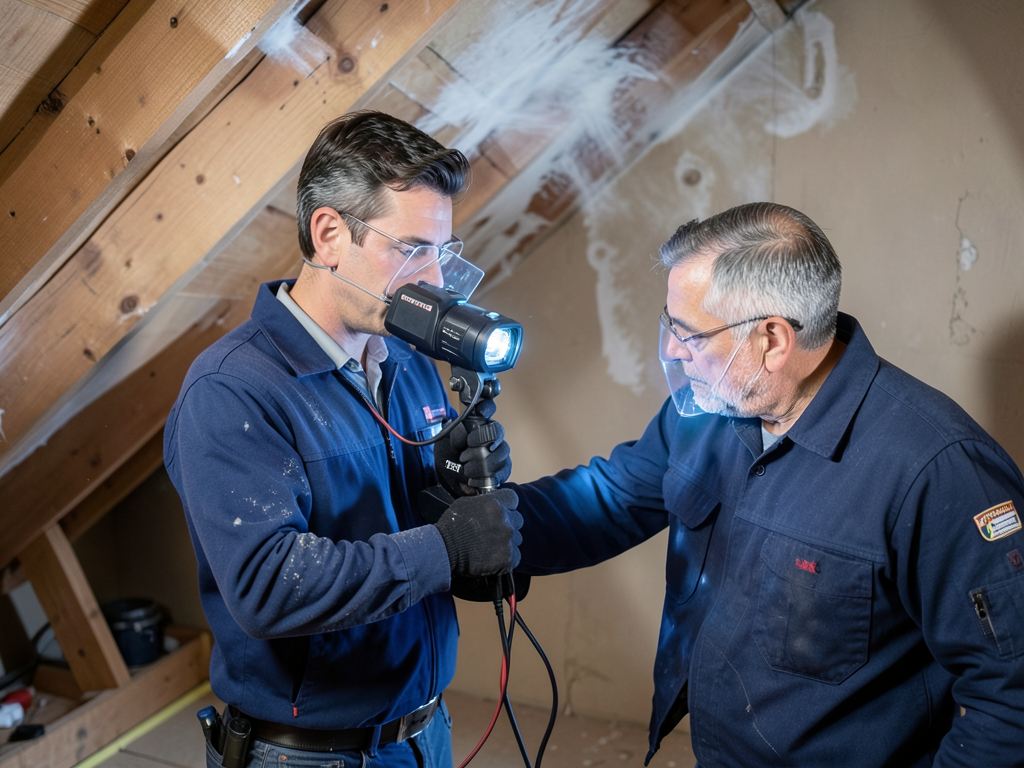
Professional water damage restoration companies document claims differently than homeowners attempting DIY approaches. We use thermal imaging cameras to map moisture intrusion patterns that standard photos miss. Insurers respect these technical assessments because they provide verifiable data about saturation levels in structural materials like subflooring and wall cavities.

The filing a water damage claim process accelerates when you present comprehensive moisture mapping, detailed equipment logs showing extraction volumes, and psychrometric readings that prove proper drying protocol. Adjusters reduce disputes when they see IICRC-certified technicians followed industry standards for water removal and structural drying.

We create a paper trail that connects initial damage assessment to final restoration costs. This includes time-stamped photos of affected areas, material removal documentation, antimicrobial application records, and air quality testing results. Tips for water damage insurance claims center on this principle: insurers pay for documented losses, not verbal descriptions of what happened.

Our approach separates emergency mitigation costs from structural repairs in your claim submission. North Carolina policies typically cover emergency water extraction and drying under one section, while reconstruction falls under different coverage limits. We itemize these phases clearly so adjusters process payments faster without questioning overlapping charges.

Direct communication with your insurance company prevents the common back-and-forth that delays settlements. We provide adjuster access to our project management software where they review real-time updates on drying progress, equipment placement, and moisture readings. This transparency eliminates the skepticism that extends claims processing from weeks to months.

Your Water Damage Insurance Claim Timeline

How to Handle Insurance Claims in Raleigh – Expert Guidance Through Every Step of the Water Damage Claims Process
01

Immediate Notification and Documentation

Contact your insurance carrier within 24 hours of discovering water damage. We photograph all affected areas before moving furniture or beginning water extraction. This includes close-ups of water sources, wide shots showing damage extent, and detail images of saturated materials. We document the initial moisture content using penetrating and non-invasive meters, creating baseline readings that prove the scope of loss to adjusters.
02

Professional Assessment and Estimate

Within 48 hours, we generate a detailed scope of loss using Xactimate estimating software that insurance companies recognize as industry standard. This estimate separates water extraction, structural drying, demolition, antimicrobial treatment, and reconstruction into line items your adjuster expects. We identify all affected structural components, document the water category (clean, gray, or black water), and outline the drying class based on evaporation load and surface permeability.
03

Adjuster Coordination and Settlement

We schedule the adjuster walkthrough after initial mitigation stabilizes the loss but before reconstruction begins. During their inspection, we present moisture logs, equipment placement diagrams, and material testing results that support our scope. Most Raleigh claims settle within 10-14 days when documentation meets adjuster standards. We handle supplement negotiations for hidden damage discovered during demolition, ensuring you receive full compensation for covered losses.

Why Raleigh Homeowners Trust Local Restoration Experts for Claims Assistance

Silverline Water Damage Restoration Raleigh understands how local insurance markets operate. We work with the same adjusters repeatedly across Wake County, which builds professional relationships that benefit your claim outcome. Adjusters trust our assessments because they know we follow North Carolina restoration standards and document losses according to their requirements.

Raleigh's building codes influence how we approach water damage restoration and claims documentation. Homes in Five Points and Boylan Heights feature different construction methods than newer developments in North Hills or Brier Creek. We account for these differences when estimating repair costs because adjusters reduce settlements when they spot generic estimates that ignore local building practices.

Our familiarity with Raleigh's seasonal water damage patterns helps position your claim properly. We explain to adjusters why a February pipe burst in an uninsulated crawl space differs from summer storm damage, using weather data from RDU airport to support timeline documentation. This context prevents insurers from claiming negligence when freezes damage plumbing in older neighborhoods where homes lack modern insulation standards.

We maintain relationships with public adjusters and insurance attorneys in the Triangle region for claims that face initial denial. Most disputes resolve without legal intervention when restoration companies present proper documentation, but knowing when to escalate protects homeowners from unfair settlements. Your claim deserves full coverage under your policy terms, and we advocate for appropriate compensation throughout the process.

Local restoration companies respond faster than national chains when adjusters request additional documentation or clarification on scope items. We attend supplement meetings in person rather than handling disputes through distant call centers, which accelerates approval for hidden damage discovered during restoration work.

What to Expect During the Insurance Claims Process

Response Time and Initial Assessment

We arrive within 60 minutes of your call to assess water damage and begin emergency mitigation. This rapid response prevents secondary damage that insurers exclude from coverage when you delay mitigation efforts. Our technicians document the loss scene immediately, capturing evidence before water spreads to additional areas or materials deteriorate beyond their initial damage state. We contact your insurance company while on-site, providing them with preliminary assessment details that expedite claims opening. Most carriers approve emergency mitigation costs immediately, allowing us to begin water extraction and structural drying without waiting for adjuster approval.

Comprehensive Loss Documentation

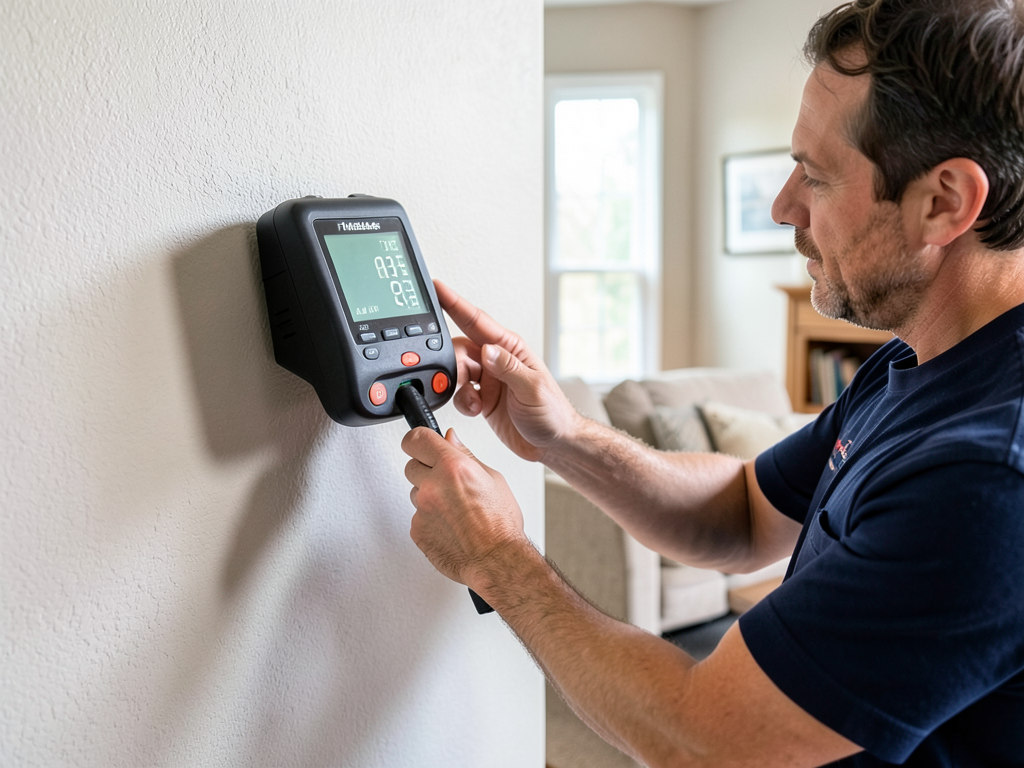
Our assessment process captures every detail adjusters need to approve your claim. We map moisture intrusion using thermal imaging that reveals water migration behind walls and under flooring. Moisture meters provide quantifiable readings that establish drying benchmarks and prove when materials reach acceptable moisture content. We photograph each affected room from multiple angles, document all damaged contents, and create detailed notes about water source, category, and class. This documentation package includes equipment logs showing dehumidifier runtime, air mover placement diagrams, and daily moisture readings that prove we followed proper drying protocols.

Restoration Quality and Completeness

Your property returns to pre-loss condition through systematic restoration that matches original materials and finishes. We coordinate with your adjuster on material selections, ensuring approved alternatives meet your expectations when exact matches prove unavailable. Reconstruction follows the approved scope precisely, with change orders documented and submitted for any additional damage discovered during demolition. Final walkthrough inspections confirm all work meets North Carolina building codes and manufacturer specifications. We provide detailed invoicing that matches the approved estimate line-by-line, preventing payment disputes that delay claim closure.

Post-Restoration Support and Follow-Up

Claims assistance extends beyond restoration completion. We maintain project files for five years, providing documentation if you need to reference the loss for future insurance applications or property sales. Our team answers adjuster questions that arise during their final review, clarifying technical aspects of the restoration process. We help you understand your final settlement statement, identifying any withheld depreciation you can recover after repairs finish. If moisture issues reappear within 30 days, we return to assess whether additional drying is needed and document findings for potential supplement claims.

Frequently Asked Questions

You Have Questions,
We Have Answers

How do you handle insurance claims? +

Start by documenting all damage immediately with photos and videos. Contact your insurance company within 24 hours to report the claim. In Raleigh, sudden storm damage from hurricanes or flash flooding requires fast action to prevent mold growth in our humid climate. Mitigate further damage by stopping active leaks if safe. Keep all receipts for emergency repairs and temporary lodging. Request a copy of your policy to understand your coverage limits and deductibles. Never sign anything or accept a settlement without fully reviewing the scope of damage. A professional restoration company can provide detailed estimates that support your claim documentation.

What are the 3 D's of insurance claims? +

The 3 D's are Duty, Delay, and Deny. Duty means the insurer must investigate your claim fairly. Delay refers to tactics that slow down the claims process, hoping you'll accept a lower payout. Deny happens when insurers reject valid claims using technicalities or incomplete documentation. Raleigh homeowners face this after hurricane season when insurers get flooded with claims. You combat this by documenting everything thoroughly, responding to requests promptly, and knowing your policy inside out. If you suspect bad faith tactics, North Carolina law protects policyholders from unfair claim handling practices.

What not to say during an insurance claim? +

Never say the damage is your fault or admit negligence. Avoid phrases like "I think" or "maybe" that create uncertainty about facts. Do not exaggerate damage, but also do not downplay it. Never say you're unsure about the cause if you know it was storm-related or a burst pipe. In Raleigh's clay soil areas, foundation settling is common but saying "it's always been like that" can invalidate coverage. Stick to factual observations. Do not speculate about repair costs or timelines. Let your documentation and professional assessments speak for you.

What is the 80% rule in insurance? +

The 80% rule means you must insure your home for at least 80% of its replacement cost to avoid a coinsurance penalty. If you underinsure, the payout gets reduced proportionally even on partial losses. Example: your Raleigh home needs $400,000 to rebuild, but you only carry $250,000 coverage. That's under 80%, so the insurer pays less than full damage costs. With Raleigh's rising construction costs and historic home values in neighborhoods like Oakwood, review your coverage annually. Replacement cost differs from market value. Your policy should reflect actual rebuild expenses, not what you paid.

What are the 5 P's of insurance? +

The 5 P's are People, Property, Premises, Products, and Professional liability. For homeowners handling water damage claims in Raleigh, focus on Property and Premises. Property covers your structure and belongings damaged by covered perils like burst pipes or storm surge. Premises liability protects you if water damage from your home affects a neighbor's property, common in attached homes near downtown Raleigh or shared-wall construction. Understanding these categories helps you identify what coverage applies. Review your declarations page to confirm limits for each category before filing your claim.

What are the 4 phases of the claim process? +

Phase one is Notice, when you report the claim immediately after discovering damage. Phase two is Investigation, where the adjuster inspects damage and reviews your policy coverage. Phase three is Evaluation, when the insurer determines payout based on estimates and policy limits. Phase four is Resolution, the final settlement or denial. In Raleigh, investigation can take longer after widespread hurricane damage when adjusters handle hundreds of claims. Expect 30 to 60 days for straightforward water damage claims, longer for complex cases. Track all communication and keep copies of submitted documentation throughout each phase.

What not to say to an insurance claim adjuster? +

Never admit fault or say you neglected maintenance. Do not agree with their damage assessment without getting a second opinion. Avoid saying you're in a rush to settle or face financial hardship. That signals you'll accept less. Do not provide recorded statements without understanding your rights under North Carolina law. Never say prior damage existed if it didn't, but do not hide known issues either. In Raleigh's older neighborhoods, adjusters may blame age-related wear, so clarify what's storm damage versus normal aging. Stick to facts. Answer only what's asked. Provide documentation, not speculation.

What are the three most common mistakes on a claim that will cause denials? +

First mistake is incomplete documentation. Missing photos, receipts, or contractor estimates weaken your claim significantly. Second is delayed reporting. Waiting days to file after discovering water damage in Raleigh's humidity lets mold develop, which insurers may exclude as a separate, unrelated issue. Third is admitting policy violations like deferred maintenance or allowing coverage to lapse. Even a brief gap can void protection. Other errors include accepting the first lowball offer, not understanding your actual coverage limits, or failing to mitigate further damage. Read your policy carefully and document everything chronologically.

How long should an insurance company take to settle a claim? +

North Carolina law requires insurers to acknowledge claims within eight business days and respond to communications within 10 business days. Simple claims should settle within 30 days. Complex water damage claims involving structural issues or mold remediation can take 60 to 90 days. After major Raleigh-area storms, expect longer timelines as adjusters manage high claim volumes. If your insurer delays unreasonably without valid cause, you have grounds to file a complaint with the North Carolina Department of Insurance. Document all delays and unresponsive behavior. You may need professional help if settlement drags past 90 days.

What insurance adjusters won't tell you? +

Adjusters work for the insurance company, not you. Their goal is minimizing payout while staying legal. They won't tell you that initial offers are negotiable or that you can hire a public adjuster to fight for higher compensation. They won't mention policy provisions that favor you or that North Carolina law prohibits certain bad faith tactics. In Raleigh's competitive insurance market, they won't suggest getting independent repair estimates or that depreciation can be recovered. They may not explain supplemental claims for hidden damage found during repairs. Read your policy thoroughly and get professional documentation to counter low initial assessments.

How Raleigh's Clay Soil and Humidity Complicate Water Damage Claims

Raleigh sits on expansive clay soil that shifts with moisture changes, creating foundation movement that insurers scrutinize during water damage claims. When adjusters inspect basement flooding or crawl space water intrusion, they look for evidence that foundation cracks existed before the acute water event. The navigating water restoration claims process in Wake County requires proving that storm water or plumbing failures caused your damage, not long-term seepage through foundation gaps created by soil movement. We document moisture patterns that distinguish sudden water intrusion from chronic foundation issues, protecting your claim from denial based on pre-existing condition exclusions.

Our team understands how Raleigh's humid climate affects drying timelines and insurance expectations. Adjusters familiar with Triangle-area claims know that structural drying takes longer here than in arid climates because ambient humidity slows evaporation rates. We set realistic drying goals based on local conditions and communicate these timelines to insurers upfront, preventing disputes over equipment rental costs. Managing water mitigation claims successfully in Raleigh requires expertise in both restoration science and local insurance market expectations. Choosing a restoration company that works regularly with Triangle-area adjusters ensures your claim receives fair treatment based on regional realities rather than generic policy interpretation.
Water Damage Restoration Services in The Raleigh Area

While based in Raleigh, Silverline proudly serves the surrounding areas, providing expert water damage restoration wherever you are. Our interactive map allows you to visualize our service radius and plan your visit, or simply understand our immediate response capabilities. We are dedicated to reaching you quickly, ensuring prompt and efficient service for your home or business, no matter your precise location within our service area, ready to assist.

Address:
Silverline Water Damage Restoration Raleigh, 306 E Hargett St, Raleigh, NC, 27601

Additional Services We Offer

Our news updates

Latest Articles & News from The Blogs

Understanding the Three Categories of Flood Water (And Which Ones Are Actually Dangerous)\p>When water floods your Raleigh home the source…

Understanding the Three Categories of Flood Water (And Which Ones Are Actually Dangerous)

Understanding the Three Categories of Flood Water (And Which Ones Are Actually Dangerous)\p>When water floods your Raleigh home the source…

Why Water Travels Up Your Walls (The Physics of Capillary Action in Raleigh Homes)

Why Water Travels Up Your Walls (The Physics of Capillary Action in Raleigh Homes) When you see a small puddle…

Can Solar Panel Installation Cause Roof Leaks in Your Blue Ridge Home?

Can Solar Panel Installation Cause Roof Leaks in Your Blue Ridge Home? Solar panels create mounting points that penetrate your…

Contact Us

Do not let insurance complexity delay your recovery. Call Silverline Water Damage Restoration Raleigh at (984) 294-5900 for immediate assistance with documentation, adjuster coordination, and full restoration services that maximize your claim settlement.