Menu

Sump Pump Failure Cleanup in Raleigh | 24/7 Emergency Water Extraction and Damage Control

When your sump pump fails, water invades fast. Our emergency sump pump failure cleanup teams arrive within 60 minutes across Raleigh to extract standing water, prevent structural damage, and protect your property from mold and foundation compromise.

Slider Image 1
Slider Image 2
Slider Image 3
Slider Image 4
Slider Image 5
Slider Image 7
Slider Image 8
Slider Image 9
Slider Image 10
Slider Image 11

Why Sump Pump Failures Hit Raleigh Homes Without Warning

You walk into your basement and freeze. Water covers the floor. Your sump pump sits silent. The system that should protect you just failed during the exact moment you needed it most.

Raleigh's high water table and clay-heavy soil create intense hydrostatic pressure against foundation walls. When seasonal storms dump 3 to 5 inches of rain in hours, groundwater rises fast. Your sump pump kicks into overdrive, cycling continuously until a float switch sticks, the motor burns out, or the discharge line clogs with sediment.

The result is catastrophic. Sump pump backup water removal becomes urgent within the first 24 hours as standing water seeps into drywall, insulation, and floor joists. Raleigh's humidity accelerates mold colonization. What starts as a mechanical failure transforms into structural compromise if you delay broken sump pump water damage restoration.

Homes in Five Points, Mordecai, and neighborhoods near Crabtree Creek face elevated risk during spring and hurricane season. The same clay soil that causes foundation settling also prevents water from draining naturally. When your pump stops, gravity works against you. Water finds cracks in concrete, migrates through porous block, and saturates organic materials.

Emergency sump pump cleanup services focus on speed because every hour of standing water increases repair costs exponentially. Sump pump overflow cleanup is not just about extraction. It requires identifying why the system failed, removing contaminated materials, and deploying industrial dehumidifiers to pull moisture from structural cavities before microbial growth begins.

Why Sump Pump Failures Hit Raleigh Homes Without Warning
Our Rapid Response Protocol for Sump Pump Failure Water Extraction

Our Rapid Response Protocol for Sump Pump Failure Water Extraction

When you call our emergency line, we dispatch a crew immediately. Our trucks carry truck-mounted extractors capable of removing thousands of gallons per hour. We do not wait for business hours. Sump pump failure water extraction requires action while water still pools on the surface, before it migrates deeper into your foundation assembly.

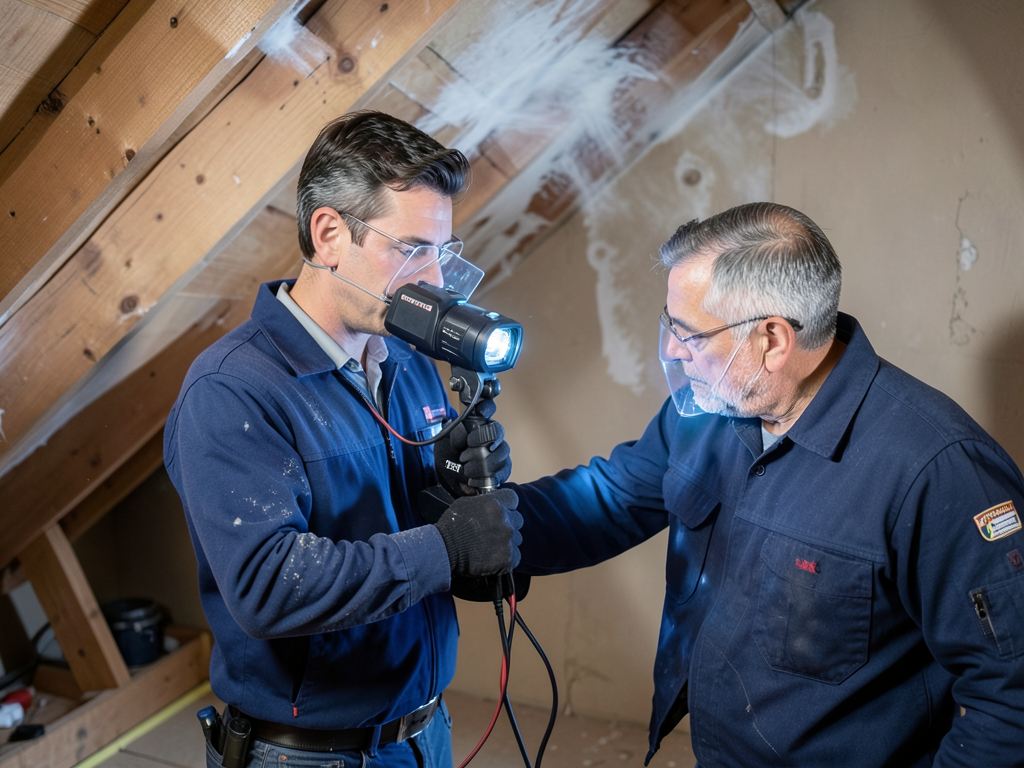
Our lead technician arrives with moisture detection equipment. We use thermal imaging cameras to map water intrusion behind walls and under flooring. This technology reveals hidden saturation that standard visual inspection misses. We document moisture readings at multiple depths to establish a baseline for drying verification later.

We deploy submersible pumps for rapid bulk water removal, then switch to weighted extraction wands that pull water from carpet pad and concrete pores. For sump pump overflow cleanup, we inspect the failed unit to determine if the issue was mechanical, electrical, or related to check valve failure. A stuck float is different from a burned impeller. The diagnosis guides our remediation strategy.

Air movement is critical. We position axial fans to create cross-ventilation that prevents moisture from condensing on cool surfaces. Low-grain refrigerant dehumidifiers pull water vapor from the air and drain it continuously. We monitor ambient and material moisture levels every 12 hours, adjusting equipment placement as drying progresses.

Broken sump pump water damage restoration involves more than drying. We remove water-damaged insulation, cut drywall 12 inches above the waterline to expose wall cavities, and treat framing with antimicrobial solutions. If your basement contains finished living space, we document pre-loss conditions with photos for insurance claims and coordinate contents pack-out if necessary.

Our goal is controlled, measurable drying that returns your basement to pre-loss moisture levels within 3 to 5 days.

What Happens When We Arrive for Emergency Sump Pump Cleanup

Sump Pump Failure Cleanup in Raleigh | 24/7 Emergency Water Extraction and Damage Control
01

Immediate Water Extraction

We start removing standing water within minutes of arrival using truck-mounted pumps and portable extractors. Our team inspects your sump pump basin, checks discharge lines for blockages, and confirms whether the failure was mechanical or power-related. We document water depth and affected square footage for insurance purposes while extraction equipment runs continuously.
02

Structural Moisture Mapping

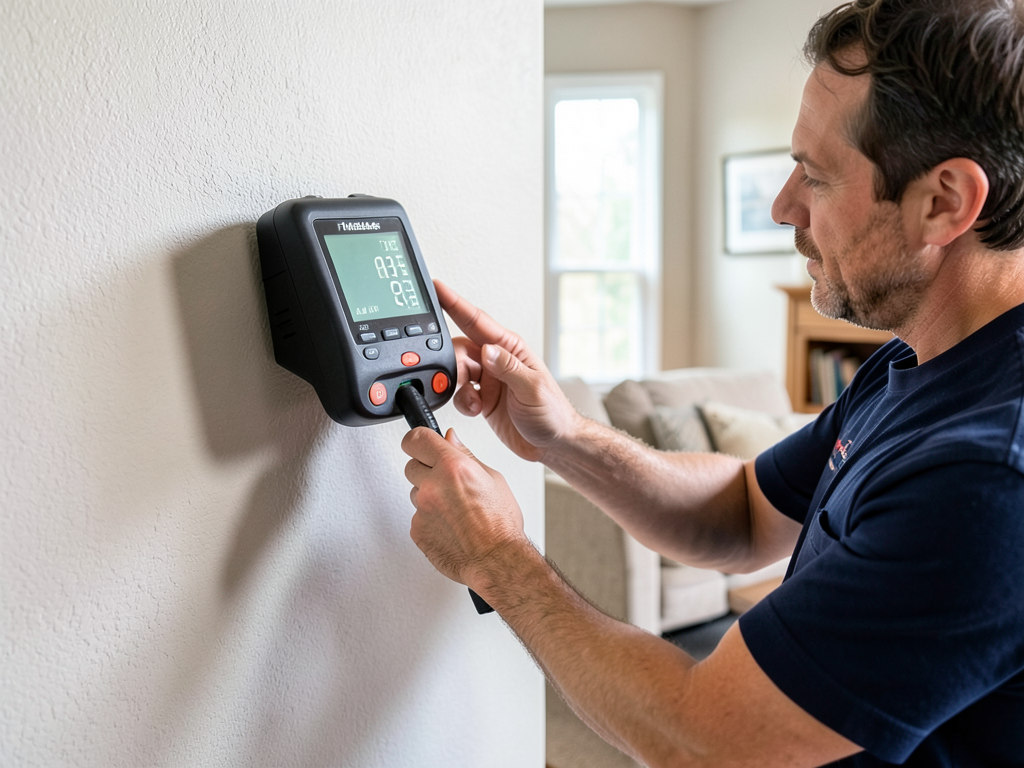
After bulk water removal, we use pin-type and non-invasive moisture meters to test walls, flooring, and framing. Thermal imaging reveals water trapped inside insulation and behind vapor barriers. We mark affected areas with tape and create a drying plan based on material types and saturation levels. This data drives equipment placement and establishes target moisture content for each building material.
03

Controlled Environment Drying

We establish a drying chamber using air movers and dehumidifiers positioned for maximum vapor extraction. Temperature and humidity sensors feed real-time data to our monitoring system. We return every 12 to 24 hours to take moisture readings and adjust equipment. Drying continues until wood framing reads below 15 percent moisture content and concrete falls under acceptable thresholds.

Why Raleigh Homeowners Trust Our Sump Pump Failure Cleanup Expertise

Sump pump failures require someone who understands both mechanical systems and water damage science. You need a team that can diagnose why your pump failed and execute emergency sump pump cleanup services without causing secondary damage to your home.

We respond to calls across Raleigh 24 hours a day because sump pump backup water removal cannot wait until morning. Our technicians carry commercial-grade extraction equipment, not shop vacuums. We understand the relationship between Raleigh's clay soil composition and hydrostatic pressure. When your sump pump fails, water does not just sit on your basement floor. It actively migrates through foundation cracks, wicks up drywall, and saturates floor joists.

Our approach to broken sump pump water damage restoration follows IICRC S500 standards for water damage remediation. We do not guess at moisture content. We measure it with calibrated instruments and document readings at each visit. This precision matters when you file an insurance claim. Adjusters want data, not estimates.

We work directly with your insurance carrier to streamline the claims process. Our estimates include line-item breakdowns for extraction, structural drying, demolition, and antimicrobial treatment. We provide daily logs showing equipment runtime and moisture trend data. This documentation supports your claim and reduces disputes over scope.

Raleigh homeowners choose us because we solve the root problem. If your sump pump failed due to a clogged discharge line, we identify that during our initial assessment. If the float switch malfunctioned, we document it. Our cleanup service addresses immediate water damage while giving you the information needed to prevent recurrence.

We operate with transparency. You receive a written scope of work before we start, daily updates during the drying process, and final clearance documentation when moisture levels return to normal.

What to Expect During Sump Pump Failure Cleanup in Raleigh

Emergency Response Time

We dispatch crews within 60 minutes of your call, day or night. Our emergency sump pump cleanup services operate around the clock because water damage accelerates rapidly. When you contact us, you speak with a dispatcher who logs your address and sends the nearest available team. We arrive with extraction equipment already loaded and ready to deploy. You do not wait days for an estimate. We begin water removal immediately and provide documentation while equipment runs.

Comprehensive Damage Assessment

Our initial inspection goes beyond visible water. We use thermal imaging and moisture meters to detect hidden saturation in walls, subfloors, and insulation. You receive a verbal walkthrough explaining what we found, which materials require removal, and how long drying will take. We photograph affected areas and document moisture readings for your insurance claim. This assessment takes 30 to 45 minutes and establishes a clear scope of work before we proceed with full-scale remediation.

Thorough Structural Drying

We do not remove equipment until moisture levels return to normal. Our drying process typically runs 3 to 5 days, depending on materials affected and saturation depth. You receive daily updates showing moisture trend data and remaining drying time. We adjust air mover placement and dehumidifier settings based on real-time readings. Final clearance includes documentation proving all materials meet industry standards for moisture content. This verification protects you from future mold claims.

Post-Cleanup Recommendations

After completing sump pump failure water extraction and drying, we provide a written summary of our findings. This report includes photos, moisture logs, and recommendations for preventing future failures. We explain whether your sump pump needs replacement, if your discharge line requires rerouting, or if a battery backup system would add redundancy. You receive this documentation for your records and insurance file. We remain available to answer questions as you move into the reconstruction phase.

Frequently Asked Questions

You Have Questions,
We Have Answers

How to clean up after sump pump failure? +

Stop water at the source immediately. If safe, shut off the main water supply and power to the sump pump. Document damage with photos for insurance. Remove standing water using a wet vac or submersible pump. Pull out soaked materials like rugs, boxes, and furniture within 24 hours to prevent mold. Disinfect all affected surfaces with antimicrobial solution. Open windows and run fans to dry the space. In Raleigh's humid climate, professional extraction and dehumidification are critical. Water wicks into drywall, subfloors, and insulation fast. Call a restoration team within the first hour to minimize damage.

How much does it cost to have a sump pump cleaned? +

Sump pump cleaning typically costs between $150 and $300 for routine maintenance. This includes debris removal, float switch inspection, and discharge line checks. Emergency cleanup after a failure runs much higher. Water extraction, structural drying, antimicrobial treatment, and repairs can range from $1,500 to $7,000 depending on how much water flooded your basement and how long it sat. Raleigh's clay soil and seasonal storms make basements vulnerable. Cost factors include square footage affected, contamination level, and whether mold has started. Most restoration companies offer free inspections to assess damage before quoting a price.

What to do when a sump pump fails? +

Act within minutes. First, ensure the area is electrically safe. Shut off power to the basement if water is near outlets or electrical panels. Stop the water source if possible. Call a water damage restoration company immediately. Raleigh homes often have finished basements with carpet, drywall, and electronics at risk. While you wait, move valuables to higher ground and start documenting damage with photos and video. Do not attempt repairs yourself if sewage or significant water volume is involved. Professional extraction equipment removes water 100 times faster than shop vacs, reducing secondary damage.

How do you clean sludge out of a sump pump? +

Disconnect power first. Remove the sump pump from the pit. Scoop out large debris and sludge with a small bucket or cup. Use a wet vac to remove remaining sediment and water. Scrub the pump intake screen and impeller with a stiff brush and water. For heavy buildup, soak components in a vinegar solution for 20 minutes. Rinse thoroughly. Clean the pit walls and bottom, then flush the discharge line with a hose to clear blockages. Raleigh's red clay soil creates thick sediment that clogs pumps fast. Inspect the check valve and float switch before reinstalling.

Can I put a chlorine tablet in my sump pump? +

No. Chlorine tablets damage rubber components, seals, and plastic parts in sump pumps. They cause premature failure and void most warranties. The chlorine also creates toxic fumes in enclosed spaces and can corrode metal discharge pipes. If you smell sewer gas or stagnant water, the issue is bacterial growth in the pit, not the pump. Use a diluted bleach solution or antimicrobial cleaner designed for sump pits instead. Pour it in, let it sit for 10 minutes, then flush with clean water. In Raleigh's humid climate, regular pit cleaning every six months prevents odor and buildup.

How long does it take for mold to grow after flooding? +

Mold spores colonize wet materials in 24 to 48 hours. In Raleigh's humid climate, growth often starts within 12 hours on porous surfaces like drywall, carpet padding, and wood. You will not see visible mold immediately, but microscopic growth begins fast. By day three, mold becomes visible as fuzzy patches or discoloration. By day seven, it spreads aggressively and releases spores into the air. This is why emergency water extraction matters. Professional drying equipment brings humidity levels below 50 percent within hours, stopping mold before it starts. Delayed cleanup guarantees expensive mold remediation later.

What is the most common reason for sump pump failure? +

Power failure during storms is the leading cause. When electricity cuts out, the pump stops working even as groundwater floods in. Raleigh's spring and summer thunderstorms frequently knock out power for hours. Switch failure is second. The float switch gets stuck in the off position due to debris or mechanical wear, so the pump never activates. Overwhelmed capacity ranks third. A pump rated for normal conditions cannot handle heavy rainfall or rapid snowmelt. Clogged discharge lines and worn impellers also cause failures. Battery backup systems and annual maintenance prevent most emergencies.

How to clean out a sump pump without removing it? +

You cannot fully clean a sump pump without removing it, but you can maintain it in place. First, unplug the unit. Use a wet vac to remove standing water and surface debris from the pit. Scrub accessible parts of the pump housing with a brush. Pour a bucket of clean water into the pit to flush loose sediment toward the intake. Wipe down the float switch and test its movement. Clean the pit walls and check the discharge line for blockages. This method works for light maintenance between full cleanings. Raleigh's clay soil requires complete removal and deep cleaning annually.

Does insurance cover sump pump failure? +

Standard homeowners insurance usually excludes sump pump failure unless you purchase specific add-on coverage. Policies typically cover sudden internal water damage like burst pipes but exclude groundwater flooding and drainage system failures. A sump pump endorsement or rider costs $50 to $200 annually and covers water damage from pump malfunction. Some policies cap coverage at $5,000 to $10,000. Review your policy now, before an emergency. In Raleigh, where basements face seasonal groundwater pressure, this rider is critical. Flood insurance through FEMA does not cover sump failures either. Confirm your coverage details with your agent.

What is the #1 cause of pump failure? +

Lack of maintenance causes most pump failures. Sump pumps run hundreds of cycles per year in Raleigh's wet climate. Debris clogs the intake screen, the float switch sticks, and mechanical parts wear out. Homeowners rarely inspect the system until it fails during a storm. Electrical issues rank second. Tripped breakers, faulty wiring, and power outages stop the pump. Improper sizing is third. A pump too small for the water volume or vertical lift fails under load. Testing your pump quarterly by pouring water into the pit catches problems early. Replace pumps every seven to ten years regardless of apparent function.

How Raleigh's Clay Soil and Seasonal Storms Create Sump Pump Failures

Raleigh sits on dense Piedmont clay that expands when saturated and contracts during dry periods. This cycle creates constant pressure against foundation walls. When spring storms deliver 4 inches of rain overnight, water tables rise faster than soil can absorb moisture. Sump pumps in neighborhoods near Walnut Creek and Crabtree Creek run continuously, cycling hundreds of times during a single storm event. Motors overheat, float switches jam, and discharge lines freeze during late winter cold snaps. The combination of clay soil, high humidity, and intense rainfall makes sump pump overflow cleanup a recurring emergency for Raleigh homeowners. Your pump does not fail randomly. It fails when local conditions push it beyond design limits.

We have cleaned up sump pump failures in every Raleigh neighborhood from Oakwood to North Hills. We understand how local building practices from different decades affect water intrusion patterns. Homes built before 1980 often lack proper foundation drainage systems. Newer construction in subdivisions near Falls Lake may have undersized sump basins that cannot handle peak inflow rates. Our teams know which areas flood first during tropical systems and where clay soil causes the most foundation movement. This local knowledge lets us diagnose failure causes quickly and recommend permanent solutions beyond basic sump pump backup water removal. When you work with a Raleigh-based restoration company, you get technicians who have seen your exact scenario dozens of times before.
Water Damage Restoration Services in The Raleigh Area

While based in Raleigh, Silverline proudly serves the surrounding areas, providing expert water damage restoration wherever you are. Our interactive map allows you to visualize our service radius and plan your visit, or simply understand our immediate response capabilities. We are dedicated to reaching you quickly, ensuring prompt and efficient service for your home or business, no matter your precise location within our service area, ready to assist.

Address:
Silverline Water Damage Restoration Raleigh, 306 E Hargett St, Raleigh, NC, 27601

Additional Services We Offer

Our news updates

Latest Articles & News from The Blogs

Understanding the Three Categories of Flood Water (And Which Ones Are Actually Dangerous)\p>When water floods your Raleigh home the source…

Understanding the Three Categories of Flood Water (And Which Ones Are Actually Dangerous)

Understanding the Three Categories of Flood Water (And Which Ones Are Actually Dangerous)\p>When water floods your Raleigh home the source…

Why Water Travels Up Your Walls (The Physics of Capillary Action in Raleigh Homes)

Why Water Travels Up Your Walls (The Physics of Capillary Action in Raleigh Homes) When you see a small puddle…

Can Solar Panel Installation Cause Roof Leaks in Your Blue Ridge Home?

Can Solar Panel Installation Cause Roof Leaks in Your Blue Ridge Home? Solar panels create mounting points that penetrate your…

Contact Us

Water is spreading through your basement right now. Every minute increases damage and repair costs. Call (984) 294-5900 for immediate dispatch. Our sump pump failure cleanup crews operate 24/7 across Raleigh and arrive within 60 minutes. Stop the damage before it becomes structural.