


Holly Springs sits in the Triangle region where rapid development meets heavy seasonal rainfall and aging infrastructure. The area receives 45 inches of rain annually, with intense summer thunderstorms overwhelming drainage systems in neighborhoods like Sunset Lake and 12 Oaks. Many homes built during the 2000s construction boom used building materials that trap moisture in crawl spaces, creating perfect conditions for hidden water damage and microbial growth.
The clay-heavy soil common throughout Wake County compounds these risks. When saturated, this dense red clay shifts and settles, creating hydrostatic pressure against foundation walls. Basement seepage and slab leaks become chronic problems for properties near Womble Park and the Bass Lake area, where water tables rise during wet seasons. Older neighborhoods along Holly Springs Road face additional challenges from mature trees whose root systems can crack sewer lines and create backdraft flooding during heavy rains.
Flash flooding along Utley Creek and tributaries feeding into Harris Lake threatens properties in Arbor Creek and Sunset Ridge during severe weather events. The rapid suburbanization of former farmland means many newer developments lack mature vegetation to absorb runoff, sending water cascading into homes during storms. Understanding these geographic and infrastructure factors helps homeowners recognize water damage risks before they become catastrophic failures.
Silverline Water Damage Restoration Raleigh operates from our Raleigh facility with dedicated crews assigned to Holly Springs and western Wake County. We maintain response vehicles staged throughout the Triangle region, ensuring we reach flooded properties in Sunset Lake, Arbor Creek, and surrounding neighborhoods within an hour of your emergency call. Our team knows the building patterns, soil conditions, and drainage challenges specific to Holly Springs developments because we've restored hundreds of local properties over the past decade.
We invest in professional-grade extraction equipment and thermal imaging technology that most restoration companies rent only when needed. This means our crews arrive with truck-mounted water extraction systems, commercial dehumidifiers, and moisture detection tools already loaded and ready to deploy. While other companies waste time sourcing equipment, we start removing water and preventing secondary damage immediately.
Our restoration approach focuses on salvaging your property rather than maximizing demolition. We use controlled drying techniques that preserve hardwood floors, cabinetry, and structural materials whenever possible. Insurance companies recognize our detailed documentation and moisture mapping, which streamlines claims and reduces disputes. We photograph damage progression, track daily moisture readings, and provide comprehensive reports that satisfy adjuster requirements without inflating scope.
Every technician on our crews holds current IICRC certification in water damage restoration and applied structural drying. We don't send undertrained helpers to manage your emergency. Our team understands psychrometrics, structural drying principles, and antimicrobial protocols required to restore properties correctly the first time. This expertise translates to faster drying times, lower costs, and complete restoration without callback visits or mold remediation surprises six months later.

Our crews dispatch immediately when you call, reaching Holly Springs properties within one hour during business hours and 90 minutes overnight. We understand that every minute standing water remains in your home increases damage exponentially. Our rapid response stops water migration, protects salvageable materials, and begins drying before structural damage becomes permanent.

We handle insurance documentation, damage assessment photos, and moisture mapping reports that satisfy carrier requirements. Our team communicates directly with your adjuster, submits estimates in Xactimate format, and manages claim supplements without requiring your involvement. You focus on your family while we navigate the insurance process and secure approval for necessary restoration work.
Every crew member maintains current certification through the Institute of Inspection, Cleaning and Restoration Certification. This training covers water damage restoration, applied structural drying, and antimicrobial remediation protocols. We follow industry standards for moisture testing, equipment placement, and drying verification rather than guessing or using shortcuts that lead to mold problems and failed restorations.
We've restored properties throughout Holly Springs neighborhoods including Sunset Lake, 12 Oaks, Arbor Creek, and developments along Holly Springs Road. Our crews understand local construction methods, soil conditions, and drainage patterns that affect water damage severity. This geographic expertise helps us anticipate hidden moisture problems and prevent secondary damage other companies miss during initial assessment.
Water damage emergencies take different forms depending on the source, location, and duration of water intrusion. Silverline provides specialized restoration services matched to the specific contamination level and structural impact affecting your property. We categorize water damage by source and severity, then deploy appropriate extraction methods, antimicrobial treatments, and drying protocols for each situation.
Our service approach separates clean water events like supply line failures from contaminated water intrusions involving sewage or storm flooding. Each category requires different safety protocols, disposal procedures, and restoration techniques. We assess water classification immediately upon arrival, establish containment barriers to prevent cross-contamination, and execute restoration plans that protect your health while salvaging maximum property value.
Holly Springs properties face distinct water damage scenarios based on construction type and location. Crawl space flooding affects homes in Sunset Ridge and older neighborhoods, while basement seepage impacts properties near Utley Creek and Bass Lake. Slab leaks and supply line failures strike newer construction in 12 Oaks and Arbor Creek. We maintain equipment and expertise to handle all water intrusion types, from burst pipes affecting single rooms to catastrophic flooding impacting entire structures.
Our truck-mounted extraction systems remove standing water from flooded basements, crawl spaces, and living areas within hours of arrival. We deploy submersible pumps for deep water, ride-on extractors for carpeted areas, and portable units for confined spaces. Thermal imaging identifies hidden moisture in wall cavities and subfloor areas before it causes structural damage. We establish temporary power if necessary, set up commercial dehumidifiers, and create airflow patterns that accelerate drying while preventing secondary damage to unaffected areas.
We use psychrometric calculations and moisture mapping to create custom drying plans for affected materials. Our approach preserves hardwood floors, cabinetry, and structural lumber through controlled dehumidification rather than aggressive demolition. Daily moisture readings track drying progress in framing, subfloors, and wall assemblies. We adjust equipment placement and airflow based on material response, preventing warping, delamination, and microbial growth. Controlled drying reduces restoration costs by salvaging materials other companies tear out unnecessarily.
Sewage backups and toilet overflows require specialized containment, disposal, and disinfection protocols. Our crews establish negative air pressure chambers to prevent contamination spread, remove affected porous materials per IICRC standards, and apply EPA-registered antimicrobial treatments to all contacted surfaces. We follow OSHA safety requirements for handling Category 3 water, protect unaffected areas with physical barriers, and dispose of contaminated materials through licensed waste facilities. All surfaces receive verification testing before reconstruction begins.
Holly Springs homeowners face recurring water damage patterns tied to local construction practices, climate conditions, and infrastructure age. Understanding these common failure points helps property owners recognize early warning signs before minor leaks become major restoration projects. The combination of heavy seasonal rainfall, expansive clay soils, and rapid suburban development creates perfect conditions for chronic water intrusion problems.
Neighborhoods built during the 2000s housing boom used cost-cutting construction methods that compromise long-term water resistance. Inadequate crawl space ventilation, missing vapor barriers, and improper grading send water directly against foundation walls. Properties in Sunset Lake and 12 Oaks frequently experience crawl space flooding during wet seasons because builders didn't install proper drainage systems or moisture barriers. These problems compound over time as wood framing absorbs moisture and creates ideal conditions for structural rot and mold colonization.
Older areas along Holly Springs Road face different challenges related to aging infrastructure and mature landscaping. Tree root intrusion cracks sewer lines, causing chronic backup problems. Outdated galvanized supply pipes corrode from inside, creating pinhole leaks that go undetected for months. The clay soil throughout Wake County shifts seasonally, cracking foundation slabs and creating pathways for groundwater seepage into basements and lower levels.
Poor drainage and missing vapor barriers allow groundwater to pool under Holly Springs homes during rainy seasons. This standing water saturates floor joists, promotes mold growth on subfloors, and creates musty odors throughout living spaces. Without proper encapsulation and drainage systems, crawl space moisture becomes a chronic problem requiring repeated remediation and eventual structural repairs.
Homes built on concrete slabs in Arbor Creek and newer developments hide supply line leaks under flooring and within foundation concrete. These slow leaks waste thousands of gallons monthly while saturating subfloors and creating hidden mold growth. Homeowners notice unexplained water bills or wet carpeting but struggle to locate the source without professional leak detection equipment and thermal imaging.
Intense summer thunderstorms overwhelm drainage systems in low-lying areas near Utley Creek and Bass Lake. Water backs up through foundation drains, seeps through basement walls, and floods finished lower levels. Properties in Sunset Ridge and older neighborhoods lack modern french drain systems and waterproofing membranes, making them vulnerable to repeated flooding during severe weather events.
Water heater failures, washing machine hose bursts, and refrigerator supply line breaks flood homes without warning. These sudden releases dump 40-50 gallons per hour onto floors, saturating carpets, padding, and subfloors within minutes. Without immediate extraction, water migrates into wall cavities and adjacent rooms, expanding damage scope and restoration costs exponentially with each passing hour.
Water emergencies create stress and confusion. You need clear information about what happens next, how long restoration takes, and what the process involves. Silverline follows a structured response protocol that prioritizes safety, property protection, and transparent communication from initial contact through final inspection.
When you call our emergency line, you speak directly with a restoration coordinator who documents your situation, provides immediate mitigation advice, and dispatches the nearest crew to your location. We don't use answering services or route calls through multiple transfers. Our team asks specific questions about water source, affected areas, and safety concerns to ensure we arrive with appropriate equipment and safety gear.
Our crews arrive in marked vehicles with identification, introduce themselves, and conduct an initial walkthrough before starting work. We explain our assessment findings, outline the restoration plan, and discuss timeline expectations based on damage severity. You receive written documentation of all work performed, equipment placed, and daily moisture readings throughout the drying process. We maintain regular communication about progress, insurance coordination, and any unexpected conditions discovered during restoration.
Our phone coordinator provides guidance on shutting off water sources, disconnecting electrical circuits in flooded areas, and protecting valuable items before our crew arrives. If your situation involves sewage, structural instability, or electrical hazards, we advise evacuating affected areas and waiting for professional assessment. This immediate triage prevents additional damage and protects your safety while crews travel to your location. We prioritize life safety over property protection in all emergency decisions.
We photograph damage conditions before starting work, document all affected materials and areas, and create detailed moisture maps showing wet zones. These records become part of your insurance claim package, providing evidence adjusters need to approve restoration scope. Our team prepares estimates in Xactimate format matching carrier requirements, reducing claim disputes and approval delays. You receive copies of all documentation and can review our findings before we proceed with restoration work.
Our project manager contacts you daily during active drying to report moisture reading progress, equipment status, and timeline updates. We don't disappear after placing dehumidifiers. Each visit includes documented moisture measurements showing drying advancement in affected materials. We adjust equipment placement based on material response and provide realistic completion estimates. Final moisture verification confirms all materials reach dry standard before we remove equipment and close your project.
We've refined our restoration approach through thousands of water damage projects across the Triangle region. This proven process balances speed with thoroughness, ensuring complete drying without unnecessary demolition or extended timelines.
Our crew arrives within 60 minutes to assess damage severity, identify water sources, and establish safety protocols. We classify water contamination level, measure affected area dimensions, and document conditions with photos and thermal imaging. Immediate extraction begins using truck-mounted systems and portable pumps to remove standing water. We identify salvageable materials, establish containment barriers, and create an initial drying plan. You receive a verbal overview of our findings and proposed restoration scope before equipment deployment begins.
We position commercial dehumidifiers, air movers, and specialized drying equipment based on psychrometric calculations and material moisture content. Daily site visits include moisture measurements in floors, walls, and structural materials to track drying progress. Our technicians adjust equipment placement and airflow patterns based on material response, ensuring efficient moisture removal without over-drying or warping. We maintain detailed logs of daily readings, equipment runtime, and environmental conditions for insurance documentation and quality control verification.
Final moisture readings confirm all affected materials reach industry standard dry goals before equipment removal. We provide documented verification showing moisture content in wood framing, subfloors, and wall cavities meets IICRC guidelines. Our team removes all drying equipment, cleans work areas, and conducts a final walkthrough explaining completed work. You receive comprehensive project documentation including before and after photos, daily moisture logs, and equipment placement records for insurance claim submission and your permanent property records.
Professional water damage restoration follows strict protocols established by the Institute of Inspection, Cleaning and Restoration Certification. These industry standards classify water by contamination level and damage scope, determining appropriate restoration methods, safety equipment, and disposal procedures. Understanding these classifications helps property owners recognize why certain materials require removal while others can be dried and salvaged.
The IICRC defines three water categories based on source and contamination level. Category 1 involves clean water from supply lines, appliances, or rainwater that hasn't contacted contaminated surfaces. Category 2 water contains significant contamination from dishwashers, washing machines, or toilet bowls with urine but no feces. Category 3 represents grossly contaminated water from sewage backups, flooding from rivers or streams, and any water that has contacted soil or biological waste. Each category escalates safety requirements and changes which materials can be salvaged versus requiring disposal.
Damage classification considers how far water migrated and which materials absorbed moisture. Class 1 involves minimal absorption affecting small areas of low-porosity materials like concrete or plywood. Class 2 affects entire rooms with significant absorption into carpet, padding, and wall base areas. Class 3 represents saturation from overhead sources affecting walls, ceilings, insulation, and structural materials throughout spaces. Class 4 involves specialty drying situations with deeply absorbed water in hardwood, plaster, concrete subfloors, or stone requiring extended drying times and specialized equipment.
North Carolina doesn't require specific licensing for water damage restoration contractors, but professional companies maintain IICRC certification and follow industry standards for documentation, moisture testing, and antimicrobial treatment. Proper restoration involves moisture mapping using calibrated meters, psychrometric calculations determining equipment needs, and documented verification proving materials reached dry standard. Shortcuts and incomplete drying create perfect conditions for mold growth, requiring expensive remediation months after initial restoration appeared complete.
We use calibrated moisture meters to measure water content in wood framing, drywall, and subfloor materials. Daily readings track drying progress and identify areas requiring additional attention. Materials must reach specific moisture content percentages based on material type before we consider them dry. This documented approach prevents premature equipment removal and ensures complete restoration. Thermal imaging identifies hidden moisture in wall cavities and structural spaces that visual inspection misses.
Water damage restoration costs depend on contamination category, affected area size, materials involved, and drying duration. Category 3 sewage cleanup costs more than clean water extraction because of safety equipment, disposal requirements, and antimicrobial treatment. Hardwood floor drying takes longer than carpet extraction, increasing equipment rental time. Most insurance policies cover sudden water damage from supply line failures but exclude flooding and gradual seepage. Deductibles and coverage limits affect your out-of-pocket costs.
Most water damage projects require three to five days of active drying with commercial dehumidifiers and air movers. Hardwood floors, plaster walls, and concrete materials extend timelines to seven to ten days. Drying duration depends on material porosity, saturation depth, temperature, and humidity levels. We can't accelerate natural evaporation rates without risking material damage. Realistic timeline expectations prevent frustration and ensure complete moisture removal. Rushing drying processes creates warping, cupping, and microbial growth requiring additional repairs.
Insurance carriers require detailed documentation including damage photos, moisture maps, affected material lists, and daily drying logs. We prepare estimates using Xactimate software that adjusters recognize and approve without extensive negotiation. Proper documentation prevents claim disputes and speeds approval processes. We coordinate directly with adjusters, provide supplemental information when requested, and explain technical findings in terms carriers understand. This insurance expertise reduces stress and maximizes your covered benefits.
This video explains professional water damage restoration procedures for Holly Springs, North Carolina homeowners facing flooding, pipe bursts, and water emergencies. Silverline Water Damage Restoration Raleigh demonstrates emergency extraction techniques, structural drying protocols, and insurance documentation requirements. Topics include IICRC restoration standards, moisture measurement verification, water damage classification systems, and response timelines for properties throughout western Wake County including Sunset Lake, Arbor Creek, and surrounding neighborhoods.
Silverline Water Damage Restoration Raleigh maintains rapid response coverage throughout Holly Springs and surrounding western Wake County areas. Our crews know the neighborhoods, construction patterns, and infrastructure challenges affecting properties from established communities along Holly Springs Road to newer developments near the Sunset Lake area. We've restored homes and businesses throughout the region, building relationships with local property managers, insurance agents, and homeowners who trust our expertise during water emergencies.
The Sunset Lake community faces unique flooding risks during heavy rainfall because of low-lying topography and storm drainage limitations. Properties near the lake and surrounding neighborhoods experience crawl space moisture and basement seepage during wet seasons. Our team has restored dozens of homes in this area, understanding how water tables rise and where drainage systems fail during storm events. We know which streets flood first and how water flows across properties in this section of Holly Springs.
Further east, the 12 Oaks and Arbor Creek developments represent newer construction built during the 2000s housing expansion. These neighborhoods feature homes on crawl space and slab foundations with different water damage vulnerabilities than older areas. We've handled numerous supply line failures, appliance leaks, and HVAC condensate problems in these communities. The construction methods and materials used in these developments require specific drying approaches that preserve engineered wood products and laminate flooring systems.
Older neighborhoods along Holly Springs Road and near Womble Park contain homes built in the 1980s and 1990s with aging infrastructure and mature landscaping. Tree root intrusion causes recurring sewer line problems, while outdated supply piping creates chronic leak risks. We've worked extensively in this area, understanding the foundation types, crawl space configurations, and structural challenges these properties present during water damage restoration.
Properties near the Bass Lake area and along Utley Creek face storm flooding risks and groundwater seepage problems because of proximity to waterways and flood plain boundaries. We respond regularly to these areas during severe weather events, providing emergency extraction and flood cleanup services. Our crews understand which streets become impassable during flooding and maintain alternative access routes to reach affected properties quickly.
We also serve surrounding communities including Apex to the north, Fuquay-Varina to the south, and Cary to the east. Our central Raleigh location provides equal access to all western Wake County areas within our 60-minute response guarantee. Whether you're dealing with a burst pipe in downtown Holly Springs or storm flooding near Harris Lake, our crews arrive equipped and ready to stop water damage progression immediately.
Water damage restoration costs in Holly Springs vary widely based on the source, extent, and category of water intrusion. A small leak affecting one room might run $1,500 to $3,000, while significant flooding impacting multiple floors or crawl spaces can reach $10,000 or more. Category 3 water (sewage) requires specialized containment and disposal, increasing costs. Your final bill depends on extraction time, drying equipment needed, affected materials, and mold remediation. Most reputable contractors offer free inspections and work directly with your insurance adjuster to clarify covered expenses before starting work.
Professional water damage restoration is worth it when you consider the alternative. Unaddressed moisture creates mold within 24 to 48 hours, compromises structural integrity, and voids most homeowner insurance policies if you delay response. DIY attempts often miss hidden moisture in wall cavities or subfloors, creating long-term problems. Holly Springs homes with crawl spaces face high humidity year-round, making thorough drying critical. A certified restoration team uses thermal imaging and moisture meters to document dryness, protecting your investment and health. The upfront cost prevents exponentially higher expenses later.
Water remediation stops the immediate threat. Technicians extract standing water, remove unsalvageable materials, and dry the structure to prevent further damage. Restoration comes next. This phase rebuilds what was removed: replacing drywall, repainting, reinstalling flooring, and returning your property to pre-loss condition. Some Holly Springs contractors handle both phases in-house. Others remediate first, then coordinate with separate reconstruction crews. Full-service providers streamline timelines and simplify insurance claims since one company manages the entire process from emergency extraction through final walkthrough.
Water damage restoration costs in Holly Springs vary widely based on the source, extent, and category of water intrusion. A small leak affecting one room might run $1,500 to $3,000, while significant flooding impacting multiple floors or crawl spaces can reach $10,000 or more. Category 3 water (sewage) requires specialized containment and disposal, increasing costs. Your final bill depends on extraction time, drying equipment needed, affected materials, and mold remediation. Most reputable contractors offer free inspections and work directly with your insurance adjuster to clarify covered expenses before starting work.
Professional water damage restoration is worth it when you consider the alternative. Unaddressed moisture creates mold within 24 to 48 hours, compromises structural integrity, and voids most homeowner insurance policies if you delay response. DIY attempts often miss hidden moisture in wall cavities or subfloors, creating long-term problems. Holly Springs homes with crawl spaces face high humidity year-round, making thorough drying critical. A certified restoration team uses thermal imaging and moisture meters to document dryness, protecting your investment and health. The upfront cost prevents exponentially higher expenses later.
Water remediation stops the immediate threat. Technicians extract standing water, remove unsalvageable materials, and dry the structure to prevent further damage. Restoration comes next. This phase rebuilds what was removed: replacing drywall, repainting, reinstalling flooring, and returning your property to pre-loss condition. Some Holly Springs contractors handle both phases in-house. Others remediate first, then coordinate with separate reconstruction crews. Full-service providers streamline timelines and simplify insurance claims since one company manages the entire process from emergency extraction through final walkthrough.
Servpro and similar franchises typically arrive within one to four hours for emergency water extraction in Holly Springs. Initial drying takes three to five days depending on affected square footage and materials. Full restoration, including reconstruction, can take one to three weeks for moderate damage. Larger losses or insurance delays extend timelines. Response speed varies by franchise location, current workload, and time of day. Always confirm arrival windows when you call. If you need faster response or more localized service, independent Holly Springs contractors often provide quicker mobilization and personalized attention.
Most homeowner insurance policies cover sudden and accidental water damage, like burst pipes, appliance failures, or storm-related roof leaks. Insurance typically excludes gradual damage from neglected maintenance, such as slow leaks or long-term seepage. Flood damage requires separate flood insurance through FEMA's National Flood Insurance Program. In Holly Springs, where flash flooding affects low-lying neighborhoods near Utley Creek, this distinction matters. Your restoration contractor should document everything with photos and moisture readings, then work directly with your adjuster to maximize your claim and minimize out-of-pocket costs.
Water damage restoration costs reflect the specialized equipment, labor intensity, and liability involved. Industrial dehumidifiers, air movers, and moisture detection tools are expensive to purchase and operate. Technicians must work quickly to prevent mold, often around the clock. Category 3 water requires hazmat-level containment and disposal. Hidden moisture in Holly Springs homes with crawl spaces or older construction demands intrusive investigation. Insurance coordination, documentation, and microbial remediation add administrative overhead. You pay for speed, expertise, and protection against long-term structural failure. Cheap shortcuts create bigger problems.
The average homeowner water damage claim in North Carolina ranges from $7,000 to $12,000, though this varies significantly by cause and severity. Small bathroom leaks settle around $3,000 to $5,000. Whole-home flooding from burst water heaters or severe storms can exceed $20,000. Holly Springs homes with finished basements or crawl space issues often see higher claims due to moisture intrusion below grade. Your specific claim depends on affected square footage, material replacement needs, and whether mold remediation is required. Always get multiple estimates and submit detailed documentation to your insurer.
Mold spores begin colonizing within 24 to 48 hours after water intrusion in Holly Springs' humid climate. High summer temperatures and moisture-laden air accelerate growth. Porous materials like drywall, insulation, and carpet provide ideal feeding grounds. Once mold establishes, it spreads rapidly through wall cavities and HVAC systems. This narrow window makes immediate response critical. Professional water extraction and drying within the first 24 hours prevents most mold issues. If you wait three days or longer, you are almost guaranteed to need separate mold remediation, doubling your costs and health risks.
Call a water restoration company immediately when you discover standing water, saturated carpets, ceiling stains, or active leaks you cannot stop. Do not wait to see if it dries on its own. In Holly Springs, call within the first hour for burst pipes, appliance floods, or storm damage. The faster technicians extract water and begin drying, the more you save on repairs and prevent mold growth. Also call if you smell musty odors or notice warped flooring days after minor water exposure. Hidden moisture causes the most expensive long-term damage.
Plumbers fix the source of water intrusion but rarely perform full restoration. They repair burst pipes, replace water heaters, or fix slab leaks. After they stop the water flow, you need a separate restoration contractor to extract standing water, dry structural materials, remove damaged drywall, and rebuild. Some Holly Springs plumbing companies partner with restoration firms for seamless handoffs. Others leave coordination to you. For comprehensive service from emergency extraction through final reconstruction, choose a dedicated water damage restoration company that manages the entire process and works directly with your insurance.
Servpro and similar franchises typically arrive within one to four hours for emergency water extraction in Holly Springs. Initial drying takes three to five days depending on affected square footage and materials. Full restoration, including reconstruction, can take one to three weeks for moderate damage. Larger losses or insurance delays extend timelines. Response speed varies by franchise location, current workload, and time of day. Always confirm arrival windows when you call. If you need faster response or more localized service, independent Holly Springs contractors often provide quicker mobilization and personalized attention.
Most homeowner insurance policies cover sudden and accidental water damage, like burst pipes, appliance failures, or storm-related roof leaks. Insurance typically excludes gradual damage from neglected maintenance, such as slow leaks or long-term seepage. Flood damage requires separate flood insurance through FEMA's National Flood Insurance Program. In Holly Springs, where flash flooding affects low-lying neighborhoods near Utley Creek, this distinction matters. Your restoration contractor should document everything with photos and moisture readings, then work directly with your adjuster to maximize your claim and minimize out-of-pocket costs.
Water damage restoration costs reflect the specialized equipment, labor intensity, and liability involved. Industrial dehumidifiers, air movers, and moisture detection tools are expensive to purchase and operate. Technicians must work quickly to prevent mold, often around the clock. Category 3 water requires hazmat-level containment and disposal. Hidden moisture in Holly Springs homes with crawl spaces or older construction demands intrusive investigation. Insurance coordination, documentation, and microbial remediation add administrative overhead. You pay for speed, expertise, and protection against long-term structural failure. Cheap shortcuts create bigger problems.
The average homeowner water damage claim in North Carolina ranges from $7,000 to $12,000, though this varies significantly by cause and severity. Small bathroom leaks settle around $3,000 to $5,000. Whole-home flooding from burst water heaters or severe storms can exceed $20,000. Holly Springs homes with finished basements or crawl space issues often see higher claims due to moisture intrusion below grade. Your specific claim depends on affected square footage, material replacement needs, and whether mold remediation is required. Always get multiple estimates and submit detailed documentation to your insurer.
Mold spores begin colonizing within 24 to 48 hours after water intrusion in Holly Springs' humid climate. High summer temperatures and moisture-laden air accelerate growth. Porous materials like drywall, insulation, and carpet provide ideal feeding grounds. Once mold establishes, it spreads rapidly through wall cavities and HVAC systems. This narrow window makes immediate response critical. Professional water extraction and drying within the first 24 hours prevents most mold issues. If you wait three days or longer, you are almost guaranteed to need separate mold remediation, doubling your costs and health risks.
Call a water restoration company immediately when you discover standing water, saturated carpets, ceiling stains, or active leaks you cannot stop. Do not wait to see if it dries on its own. In Holly Springs, call within the first hour for burst pipes, appliance floods, or storm damage. The faster technicians extract water and begin drying, the more you save on repairs and prevent mold growth. Also call if you smell musty odors or notice warped flooring days after minor water exposure. Hidden moisture causes the most expensive long-term damage.
Plumbers fix the source of water intrusion but rarely perform full restoration. They repair burst pipes, replace water heaters, or fix slab leaks. After they stop the water flow, you need a separate restoration contractor to extract standing water, dry structural materials, remove damaged drywall, and rebuild. Some Holly Springs plumbing companies partner with restoration firms for seamless handoffs. Others leave coordination to you. For comprehensive service from emergency extraction through final reconstruction, choose a dedicated water damage restoration company that manages the entire process and works directly with your insurance.
While based in Raleigh, Silverline proudly serves the surrounding areas, providing expert water damage restoration wherever you are. Our interactive map allows you to visualize our service radius and plan your visit, or simply understand our immediate response capabilities. We are dedicated to reaching you quickly, ensuring prompt and efficient service for your home or business, no matter your precise location within our service area, ready to assist.
Address:
Holly Springs, NC, 27540
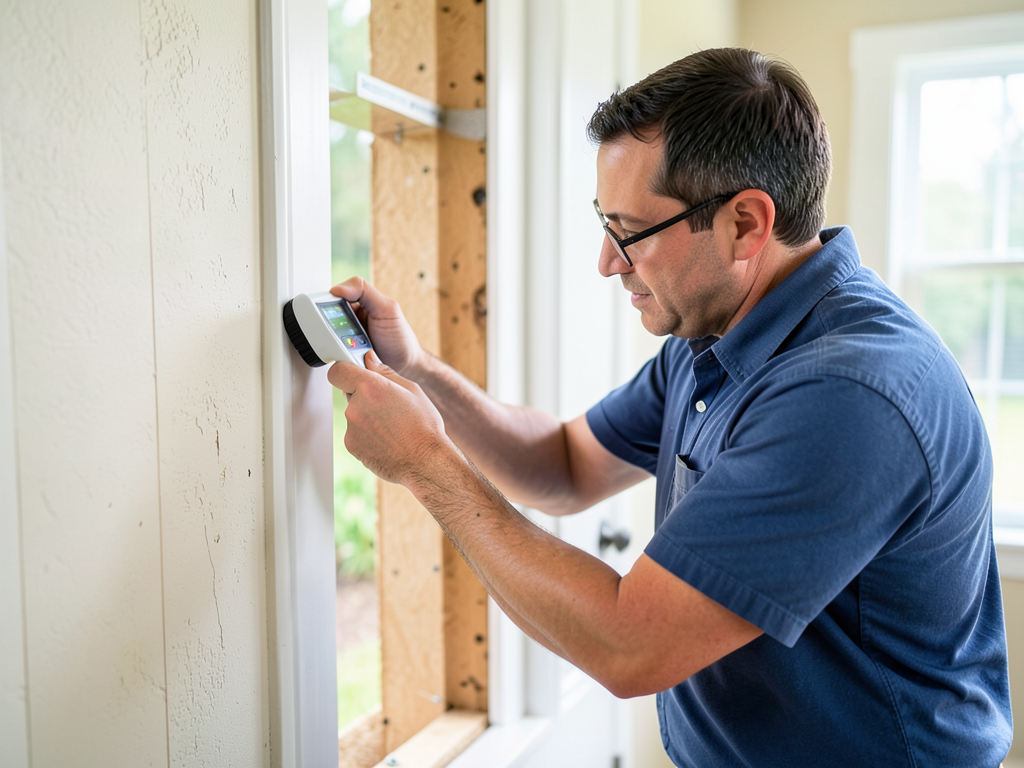
A Raleigh Homeowner Checklist for Preventing Leaks While Your House Is on the Market A small water stain on a ceiling can kill a home sale in Raleigh. Buyers today are trained to walk away…
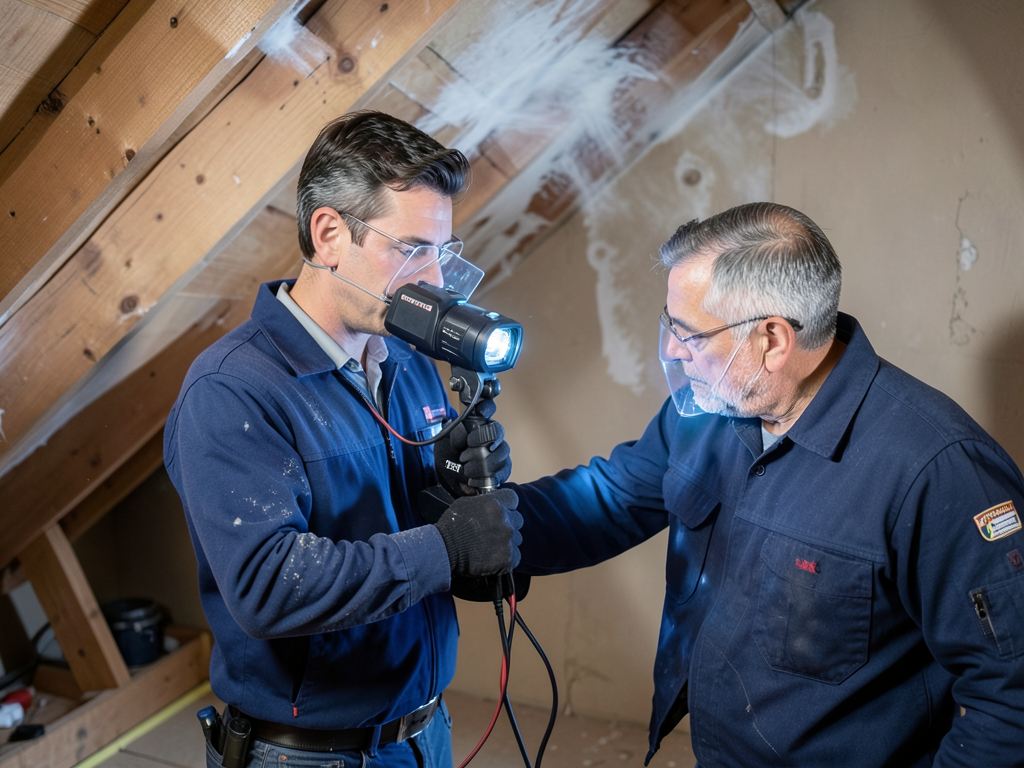
Why Your Umstead Attic Is Dripping Even When It Is Not Raining Water dripping from…
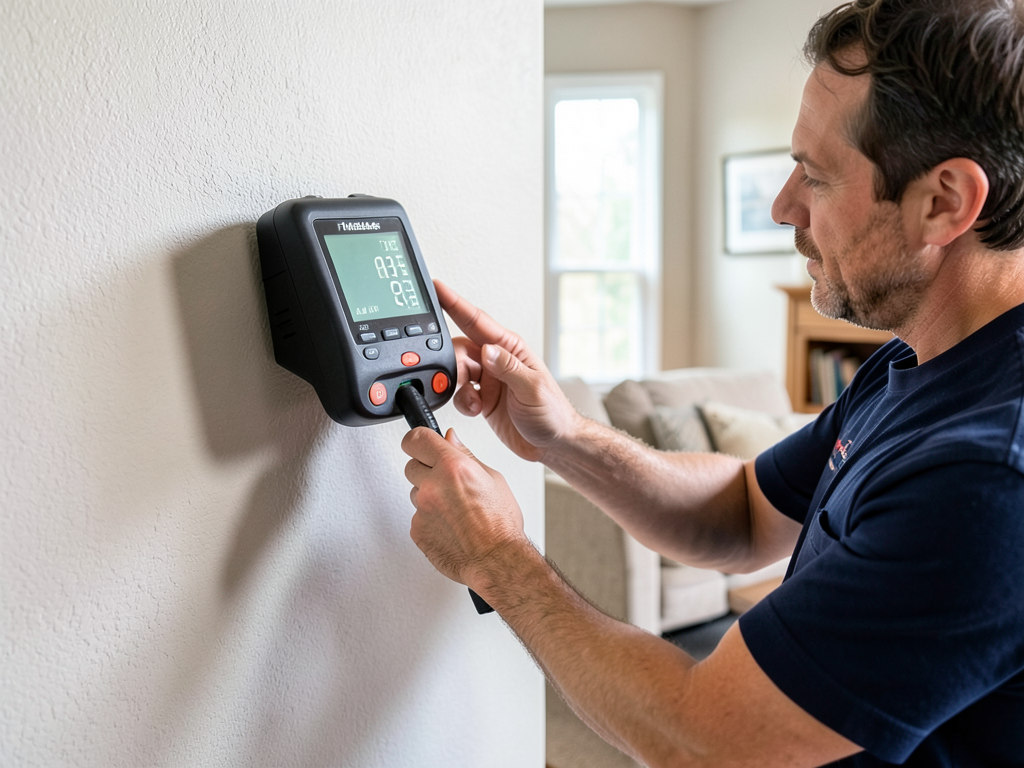
How to Use a Moisture Meter to Check for Hidden Water in Your Walls Finding…
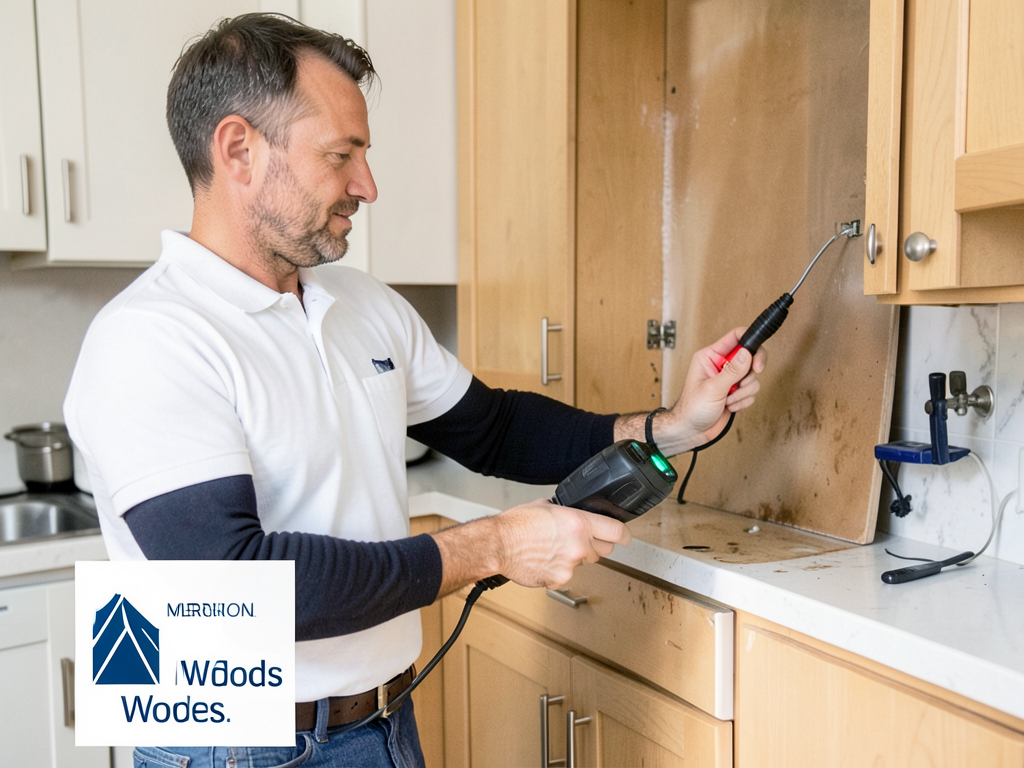
Why Your Fridge Ice Maker Is Leaking Behind the Wall in Your Meredith Woods Kitchen…
Water damage spreads every minute you wait. Our crews are standing by 24 hours a day to respond to your emergency. Call (984) 294-5900 now for immediate dispatch to your Holly Springs property. We'll stop the damage, dry your property completely, and handle your insurance claim from start to finish.