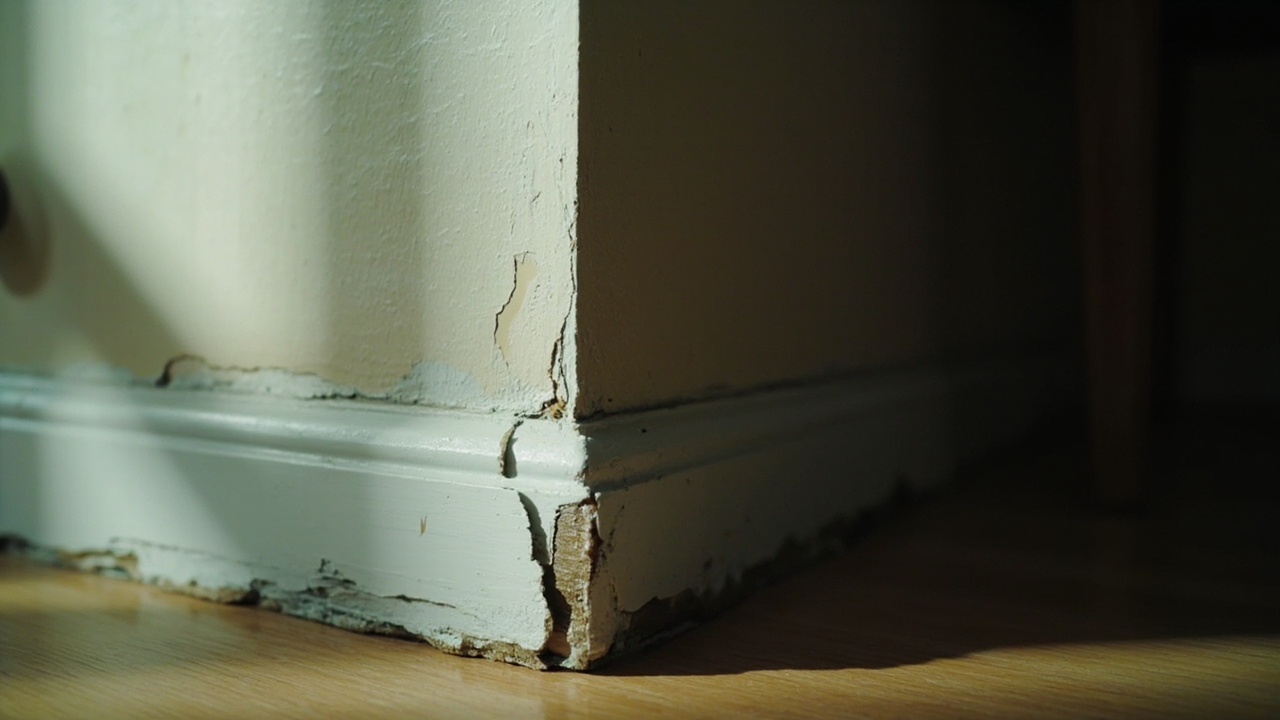

Raleigh receives an average of 43 inches of annual rainfall, with highest precipitation during summer months when humidity already exceeds 75 percent. This combination saturates building materials faster than they can dry, especially in homes with inadequate attic ventilation or crawl space encapsulation. The clay soil throughout Wake County absorbs water during wet periods and shrinks during drought, creating cyclical foundation movement that opens cracks for water intrusion. Many homes built during the 1980s and 1990s construction boom lack proper vapor barriers between crawl spaces and floor systems, allowing ground moisture to migrate into living areas where it condenses on cooler surfaces and feeds mold growth in wall cavities.
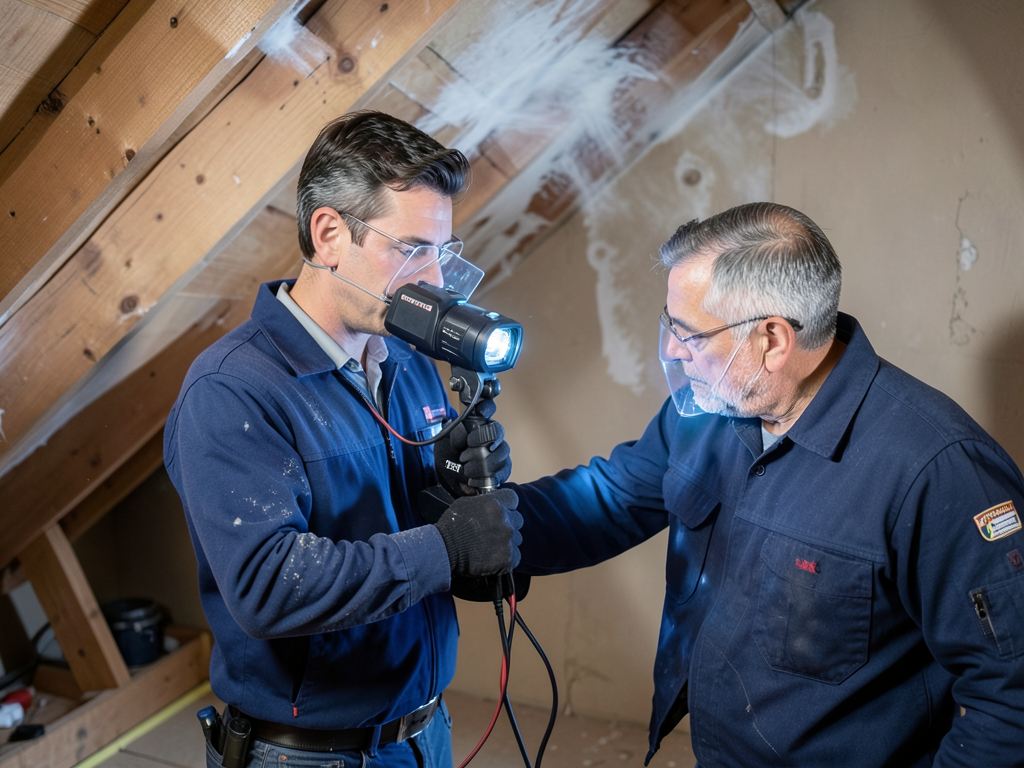
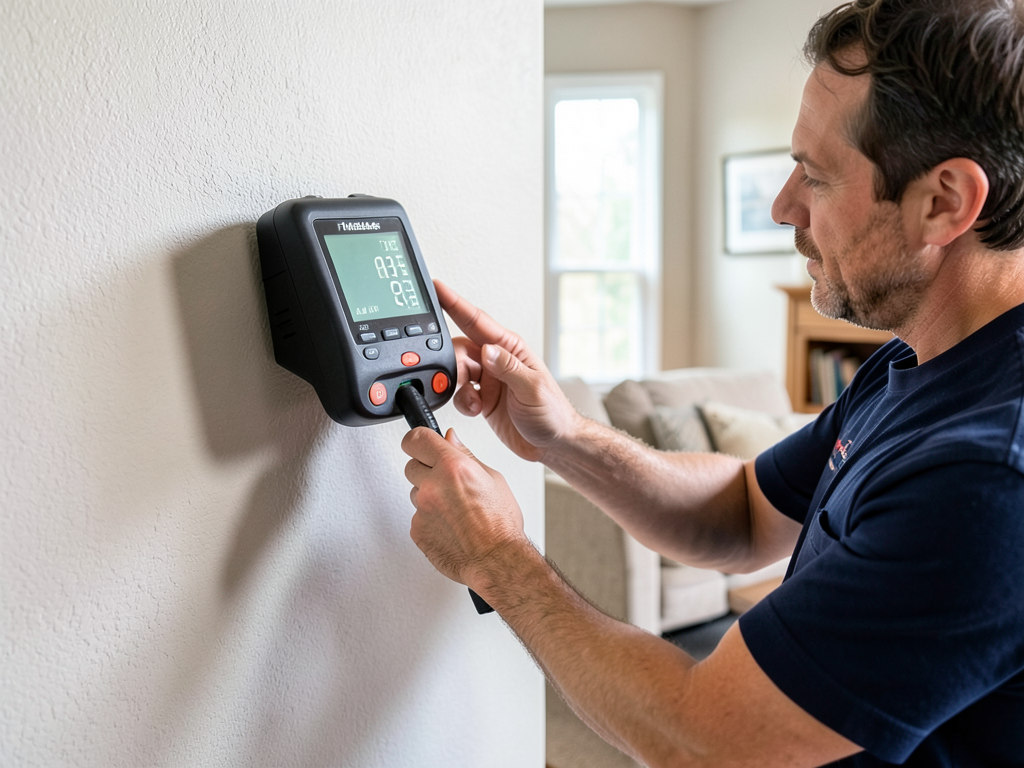
Our team has performed mold inspections in every Raleigh neighborhood from North Hills to Brier Creek, giving us specific knowledge of how different construction eras and building types perform in local climate conditions. We understand that homes near Crabtree Creek and its tributaries face different moisture challenges than properties in the elevated western suburbs. This geographic expertise helps us identify the most likely locations for hidden mold in your specific property type and microclimate. We stay current with Wake County building code updates and work with local contractors who understand proper moisture management techniques for our region.