Menu

Risks of DIY Water Cleanup in Raleigh – Why Amateur Restoration Can Cost You More Than You Save

Understanding the dangers of DIY water damage restoration protects your home from structural collapse, mold infestations, and insurance claim denials that often result from incomplete moisture extraction and improper drying techniques.

Slider Image 1
Slider Image 2
Slider Image 3
Slider Image 4
Slider Image 5
Slider Image 7
Slider Image 8
Slider Image 9
Slider Image 10
Slider Image 11

Why DIY Water Cleanup Fails in Raleigh's Climate

You think you saved money by renting a Home Depot wet vac. You ran it for six hours. The carpet feels dry. Three weeks later, black mold covers your baseboards and the smell makes your kids cough.

Raleigh's humid subtropical climate creates the perfect breeding ground for microbial growth after water intrusion. When relative humidity stays above 60 percent from May through September, surface drying means nothing. Moisture migrates into wall cavities, subfloors, and insulation where your rental equipment cannot reach.

The dangers of DIY water damage restoration multiply in homes built on Raleigh's clay soil. These soils expand when wet and contract when dry, creating foundation movement that opens new pathways for water to travel. You dried the visible puddle, but water already wicked 18 inches up your drywall through capillary action.

Hazards of do-it-yourself water removal include misidentifying Category 2 and Category 3 water contamination. That overflowed toilet is not just water. It contains bacteria, viruses, and parasites that require EPA-registered antimicrobial treatment. Your mop and bleach solution does not meet remediation standards.

The consequences of amateur water cleanup show up on moisture meters three days later. Your walls read 28 percent moisture content. Anything above 16 percent grows mold. You missed the hidden saturation in rim joists, subflooring, and the air gaps behind kitchen cabinets. The damage continues while you think the problem is solved.

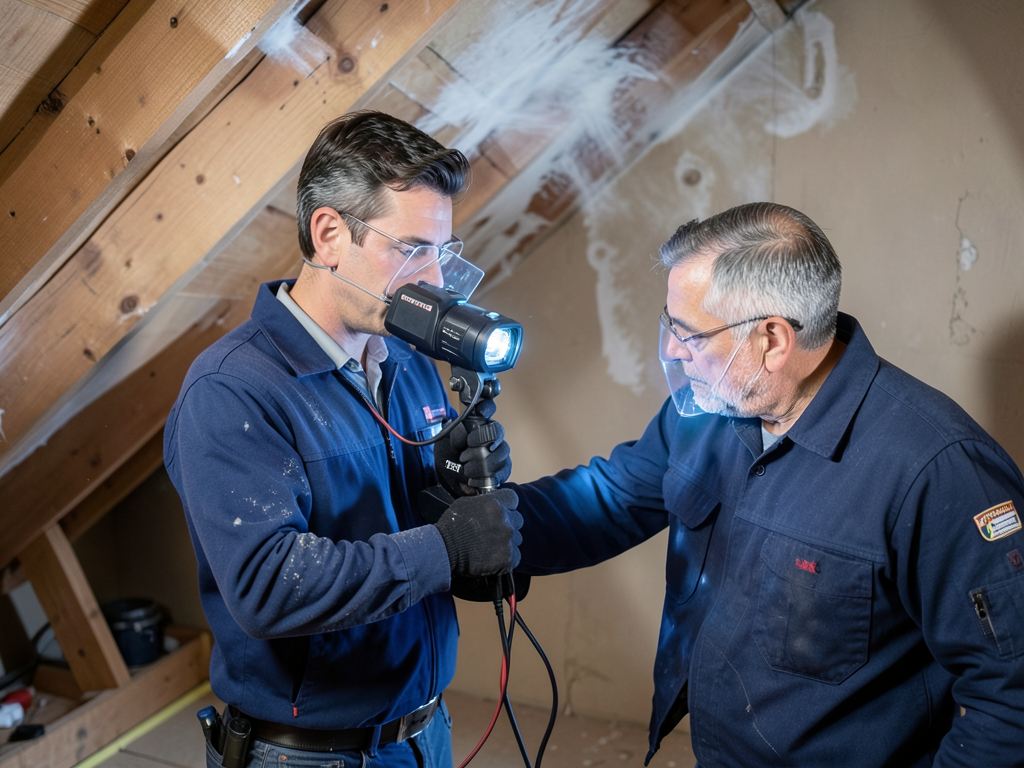
Professional equipment measures what you cannot see. Thermal imaging cameras identify wet insulation inside walls. Hygrometers track vapor pressure differentials. These are not luxuries. They are necessities in a climate where 49 inches of annual rainfall and summer dew points above 70 degrees turn every water event into a potential structural disaster.

Why DIY Water Cleanup Fails in Raleigh's Climate
What Professional Water Damage Restoration Actually Involves

What Professional Water Damage Restoration Actually Involves

Professional water mitigation begins with source identification and immediate containment. We do not start extraction until we verify the supply line is shut off, the roof breach is tarped, or the appliance is disconnected. Removing water while the source continues to flow creates a cycle that accelerates damage.

Our technicians use truck-mounted extraction units that generate 200 inches of water lift and remove 95 percent of standing water in the first pass. Compare that to a rental shop vac that moves 12 gallons per minute with 50 percent extraction efficiency. The difference determines whether your oak flooring survives or requires replacement.

Structural drying follows the psychrometric chart. We measure temperature, relative humidity, and specific humidity to calculate grain depression and vapor pressure. Air movers create laminar airflow across wet surfaces at 400 cubic feet per minute. Desiccant dehumidifiers pull moisture from the air faster than Raleigh's humid ambient conditions can replace it.

The hidden risks of self-managed water mitigation include ignoring building cavities. We drill inspection holes to verify wall cavity moisture content. We remove baseboards to direct airflow into the bottom plate where water collects. We use negative air pressure to prevent cross-contamination when Category 3 water affects multiple rooms.

Antimicrobial application is not optional when water sits for more than 48 hours. We apply HEPA-filtered air scrubbers to capture airborne spores released during content removal. We treat all affected surfaces with hospital-grade disinfectants that meet IICRC S500 standards for water damage restoration.

Documentation protects your insurance claim. We photograph moisture readings at initial contact and every 24 hours until dry-standard is achieved. We maintain daily logs showing equipment placement, temperature conditions, and grain depression progress. Insurance adjusters deny claims when you cannot prove professional mitigation occurred within industry timelines.

What Happens When You Call for Professional Assessment

Risks of DIY Water Cleanup in Raleigh – Why Amateur Restoration Can Cost You More Than You Save
01

Emergency Contact Response

You call our 24-hour emergency line at (984) 294-5900 and speak with a certified technician within two minutes. We dispatch a crew to your Raleigh property within 90 minutes. Speed matters because every hour of delayed response increases restoration costs by 8 to 12 percent. We arrive with truck-mounted extraction equipment, thermal imaging cameras, and moisture detection tools ready for immediate deployment.
02

Comprehensive Damage Assessment

Our technicians map the full extent of water migration using infrared thermography and penetrating moisture meters. We identify Category 1, 2, or 3 contamination levels. We test subfloor moisture content, wall cavity saturation, and insulation compression. You receive a written scope of work that details affected materials, required equipment, estimated dry time, and insurance documentation requirements. This assessment prevents the pitfalls of DIY water extraction where hidden damage compounds over weeks.
03

Monitored Dry-Down Process

We place air movers and dehumidifiers based on psychrometric calculations specific to your structure and Raleigh's current weather conditions. Technicians return every 24 hours to record moisture readings, adjust equipment placement, and verify progress toward dry-standard goals. When all materials reach 15 percent moisture content or below, we remove equipment and provide final documentation showing your property is safe for reconstruction. This eliminates the consequences of amateur water cleanup that leave hidden moisture reservoirs.

Why Raleigh Homeowners Choose Silverline Water Damage Restoration

Raleigh's building stock includes pre-1980 homes with hardwood subflooring, pier and beam foundations, and crawl space construction. These structures require restoration techniques different from modern slab-on-grade buildings. We know how water behaves in 70-year-old oak framing versus engineered lumber. We understand how Raleigh's clay soil affects crawl space vapor intrusion.

Local expertise matters when your insurance adjuster questions the need for wall cavity drying. We reference North Carolina's 18 percent equilibrium moisture content standard for building materials. We explain how Raleigh's 76 percent average annual humidity prevents passive drying that might work in Phoenix or Denver. This knowledge protects your claim from denial.

Our crews trained on IICRC Water Damage Restoration certification and maintain ongoing education in microbial remediation. We follow EPA guidelines for Category 2 and 3 water contamination. When your toilet overflows or your dishwasher supply line ruptures, proper disinfection is not optional. The hidden risks of self-managed water mitigation include pathogen exposure that sickens your family weeks after you think the cleanup is complete.

We work directly with insurance carriers to streamline claims processing. You do not navigate Xactimate pricing, coverage disputes, or depreciation calculations alone. Our estimators document every affected material, photograph all damage progression, and provide daily moisture logs that prove mitigation necessity. Insurance companies trust professional documentation over homeowner statements.

Raleigh's storms bring wind-driven rain that penetrates roof valleys and sidewall flashing. Our emergency tarping service stops active intrusion while we address interior water damage. We coordinate with roofing contractors to ensure permanent repairs happen before we close out restoration work. This integrated approach prevents the cycle of repeated water events that DIY cleanup cannot solve.

You deserve a dry, safe home. Professional restoration delivers that outcome through science-based methodology your wet vac rental cannot replicate.

What Professional Water Damage Restoration Delivers

Immediate Emergency Response

Water damage does not wait for business hours. Our crews respond 24 hours a day, 365 days per year, including holidays. We arrive at your Raleigh property within 90 minutes of your call with full extraction and drying equipment. Immediate response prevents secondary damage that increases restoration costs by thousands of dollars. Every hour of delay allows water to migrate deeper into building materials, saturate insulation, and begin the microbial growth cycle. We stop that progression before it starts.

Scientific Moisture Detection

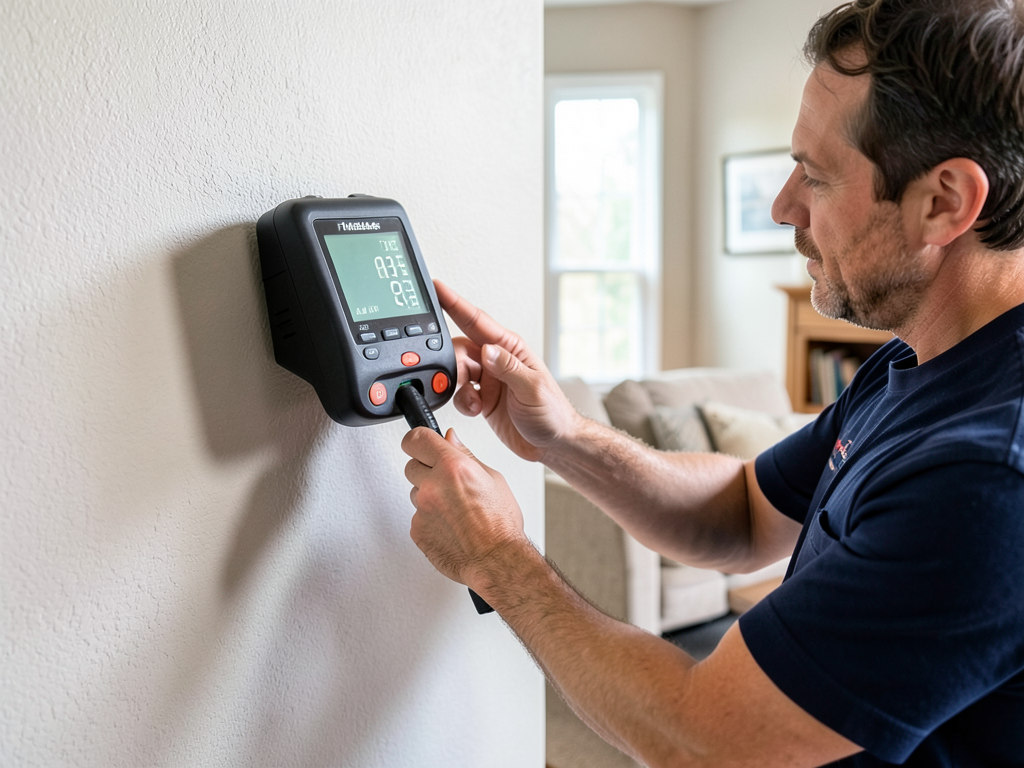
Professional assessment uses thermal imaging cameras that detect temperature differentials caused by evaporative cooling in wet materials. We use penetrating moisture meters that measure saturation levels 3/4 inch below surface materials. Hygrometers track relative humidity and grain depression to verify drying progress. These tools identify hidden moisture in wall cavities, subfloors, and insulation that your eyes and hands cannot detect. You receive documented proof of dry-standard achievement that protects your insurance claim and prevents mold growth.

Complete Structural Drying

We deploy truck-mounted extraction units, commercial air movers, and desiccant dehumidifiers calibrated to Raleigh's climate conditions. Our drying process follows psychrometric principles that account for temperature, humidity, and vapor pressure. Technicians monitor progress every 24 hours and adjust equipment placement to target stubborn moisture pockets. The result is complete structural drying to 15 percent moisture content or below. Your floors, walls, and framing return to pre-loss condition without warping, buckling, or microbial contamination.

Insurance Documentation Support

We provide detailed photo documentation, daily moisture logs, and equipment placement records that satisfy insurance company requirements. Our estimates use Xactimate pricing software that adjusters recognize and accept. We communicate directly with your insurance carrier to answer technical questions about mitigation necessity and scope accuracy. This support eliminates claim denials caused by insufficient documentation or improper restoration procedures. You receive a comprehensive loss file that proves professional mitigation occurred within industry timelines and standards.

Frequently Asked Questions

You Have Questions,
We Have Answers

How Raleigh's Humidity and Clay Soil Amplify DIY Cleanup Failures

Raleigh's 76 percent average annual humidity means ambient air cannot dry water-damaged materials through natural evaporation. When you open windows and run fans, you introduce more moisture-laden air into your home. The pitfalls of DIY water extraction multiply during summer months when outdoor dew points exceed 70 degrees. Professional dehumidification creates artificial atmospheric conditions that force moisture from building materials into the air, then captures that vapor before it reabsorbs into other surfaces. Without this controlled environment, your drying efforts fail while mold spores colonize damp drywall and insulation.

Silverline Water Damage Restoration Raleigh understands how local construction methods affect water mitigation strategy. We work daily with pier and beam foundations, crawl space encapsulation challenges, and the foundation movement caused by expansive clay soils common throughout Wake County. Our technicians recognize the signs of previous water damage in older neighborhoods like Boylan Heights and Oakwood, where homes built before modern vapor barriers require specialized drying protocols. This local expertise prevents the repeated failures that plague DIY attempts in Raleigh's unique climate and geological conditions.
Water Damage Restoration Services in The Raleigh Area

While based in Raleigh, Silverline proudly serves the surrounding areas, providing expert water damage restoration wherever you are. Our interactive map allows you to visualize our service radius and plan your visit, or simply understand our immediate response capabilities. We are dedicated to reaching you quickly, ensuring prompt and efficient service for your home or business, no matter your precise location within our service area, ready to assist.

Address:
Silverline Water Damage Restoration Raleigh, 306 E Hargett St, Raleigh, NC, 27601

Additional Services We Offer

Our news updates

Latest Articles & News from The Blogs

Understanding the Three Categories of Flood Water (And Which Ones Are Actually Dangerous)\p>When water floods your Raleigh home the source…

Understanding the Three Categories of Flood Water (And Which Ones Are Actually Dangerous)

Understanding the Three Categories of Flood Water (And Which Ones Are Actually Dangerous)\p>When water floods your Raleigh home the source…

Why Water Travels Up Your Walls (The Physics of Capillary Action in Raleigh Homes)

Why Water Travels Up Your Walls (The Physics of Capillary Action in Raleigh Homes) When you see a small puddle…

Can Solar Panel Installation Cause Roof Leaks in Your Blue Ridge Home?

Can Solar Panel Installation Cause Roof Leaks in Your Blue Ridge Home? Solar panels create mounting points that penetrate your…

Contact Us

Call Silverline Water Damage Restoration Raleigh now at (984) 294-5900 for immediate water damage assessment. Our certified technicians deploy within 90 minutes with professional extraction and drying equipment. Do not let amateur cleanup create a mold disaster. Get it right the first time.