
Can Solar Panel Installation Cause Roof Leaks in Your Blue Ridge Home?
Solar panels create mounting points that penetrate your roof membrane through lag bolts and flashing systems. In Raleigh’s humid climate and frequent summer storms, these penetrations become vulnerable to water intrusion if not properly sealed. A solar-related roof leak can spread moisture under your attic insulation, into ceiling joists, and trigger mold growth within 24-48 hours. This isn’t just a roofing issue—it’s a water damage emergency requiring immediate professional mitigation to prevent structural rot and electrical hazards. How to Choose the Best Water Restoration Company in Cary Without Getting Ripped Off.
Blue Ridge homes face unique risks because many were built with asphalt shingles that expand and contract with North Carolina’s temperature swings. When solar mounts are installed without accounting for this movement, the flashing separates from the roof surface. Heavy rains from hurricane season then force water through these gaps. The longer moisture sits under solar panels, the more extensive the damage becomes—often hidden until you see ceiling stains or detect musty odors in your attic. EPA mold remediation guidelines.
How Solar Panel Mounts Create Leak Points
Solar installers use mounting brackets secured with lag bolts drilled through your roof decking. Each penetration represents a potential leak path. The critical failure points include:
- Flashing separation from thermal expansion
- Deteriorated sealant around lag bolts
- Debris accumulation blocking water flow
- Improper underlayment installation
- Missing or damaged ice and water shield
In Raleigh’s Blue Ridge area, the problem compounds because many homes sit on clay soil that retains moisture. This creates higher attic humidity levels that accelerate deterioration of roofing materials around solar mounts. When hurricane season brings sustained winds and heavy rainfall, compromised flashing systems fail completely. High Indoor Humidity Levels.
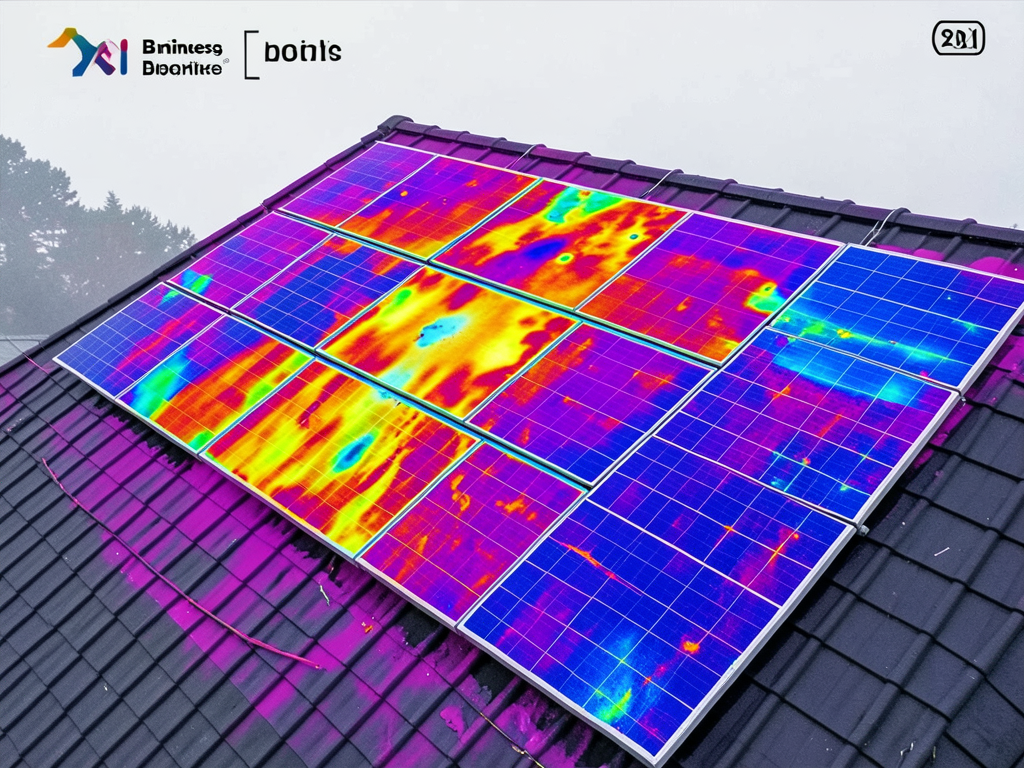
A thermal imaging scan reveals moisture accumulation under solar panels that isn’t visible from the ground. Dark purple areas indicate water intrusion around mounting brackets. Who to Call for Emergency Water Damage in Downtown Raleigh at 3 AM.
Warning Signs of Solar-Related Roof Leaks
Early detection prevents catastrophic damage. Watch for these indicators: Water Damage Restoration Cary.
- Water stains appearing on ceilings directly below solar panel locations
- Musty odors in rooms adjacent to roof-mounted panels
- Damp spots on attic insulation near mounting points
- Peeling paint or bubbling drywall around ceiling fixtures
- Visible rust on mounting brackets from ground level
The North Carolina Residential Code requires specific flashing details for roof penetrations, but not all solar installers follow these standards. Section R903.2 mandates ice and water shield installation in designated areas, yet many residential solar projects skip this critical step to reduce costs. North Carolina Residential Code.

Close-up of failed solar flashing showing separated sealant and corrosion around lag bolt penetrations. This type of damage often occurs within 3-5 years of installation.
Hidden Dangers: Structural and Health Risks
Water intrusion under solar panels creates cascading problems that extend far beyond the initial leak point. Moisture trapped in attic spaces promotes mold growth on wood framing and insulation. Black mold colonies can establish themselves within 48-72 hours in Raleigh’s humid conditions.
Structural risks include:
- Rotting roof decking that compromises panel stability
- Damaged ceiling joists supporting attic loads
- Compromised electrical wiring creating fire hazards
- Insulation degradation reducing energy efficiency
The electrical components under solar panels add another layer of danger. Water contacting wiring or inverters creates shock hazards and can damage expensive equipment. Many homeowners discover the extent of damage only after solar production drops or breakers trip repeatedly.
Emergency Steps When You Discover a Solar Roof Leak
Time matters. Here’s what to do immediately:
- Contain Interior Water
Place buckets under active drips and move electronics away from affected areas. Water spreads quickly through ceiling materials.
- Document the Damage
Take photos of water stains, bubbling paint, and any visible moisture before cleanup begins. This documentation helps with insurance claims.
- Avoid DIY Repairs
Don’t attempt to seal leaks or remove solar panels yourself. Improper handling can void warranties and create safety hazards.
- Call Professional Restoration
Water damage specialists can assess moisture levels using thermal imaging and prevent secondary damage like mold growth.
Many Blue Ridge homeowners make the mistake of calling their solar installer first. While the installer may address the mounting issue, they typically don’t handle water damage restoration. You need both services working together to fully resolve the problem.
Professional moisture mapping shows water migration patterns through ceiling materials. Blue areas indicate active moisture that requires targeted drying.
Our Raleigh-Specific Restoration Process
We follow IICRC S500 standards for water damage restoration, which means we don’t just dry visible surfaces. Our process includes:
- Thermal imaging to locate hidden moisture pockets
- Moisture meter readings at multiple depths
- Controlled demolition of damaged materials
- Antimicrobial treatment to prevent mold growth
- Structural drying using industrial dehumidifiers
For solar-related leaks, we coordinate with roofing contractors to ensure proper reinstallation of panels after restoration. This coordination prevents the common scenario where a roofer fixes the leak but the solar company later discovers damaged wiring or misaligned mounts.
Blue Ridge’s specific challenges include:
- Older homes with balloon framing that allows water to travel between walls
- Limited attic ventilation that traps moisture
- Clay soil moisture that affects foundation drainage
We address these factors during restoration to prevent recurrence. Our equipment includes desiccant dehumidifiers capable of removing moisture from large attic spaces, and air scrubbers that filter mold spores during demolition.
Insurance and Liability Considerations
Solar panel leaks create complex insurance scenarios. Your homeowner’s policy may cover water damage but not the cost of removing and reinstalling solar panels. This leaves you responsible for thousands in additional expenses.
Key factors affecting coverage:
| Damage Type | Typical Coverage | Common Exclusions |
|---|---|---|
| Roof Decking Rot | Often covered | “Wear and tear” exclusions |
| Mold Remediation | Limited coverage | Neglect or maintenance issues |
| Solar Panel Removal | Rarely covered | “Rooftop equipment” exclusions |
| Electrical Damage | May be covered | “Equipment failure” clauses |
We help document damage for insurance claims, including moisture mapping reports and structural assessments. This documentation proves the extent of damage and supports your claim for full restoration coverage.
Solar installers typically offer 10-25 year warranties on panels but only 1-5 years on workmanship. If your leak occurs after the workmanship warranty expires, you’re responsible for both the repair and any resulting water damage.
Preventing Future Solar-Related Leaks
Prevention starts with proper installation. When considering solar, ask installers about:
- Flashing type and installation method
- Underlayment specifications
- Ice and water shield coverage
- Expansion gap allowances
Annual inspections catch problems early. Look for:
- Visible gaps in flashing
- Rust on mounting hardware
- Debris accumulation around panels
- Sagging roof sections
Blue Ridge’s specific weather patterns require hurricane-rated mounting systems. Standard installations may not withstand 100+ mph winds that occur during severe storms. Upgraded mounting hardware costs more initially but prevents expensive damage later.
Why Choose Professional Restoration Over DIY
Water damage restoration requires specialized equipment and training. DIY attempts often miss hidden moisture that continues causing damage long after visible signs disappear.
Professional advantages include:
- Moisture detection technology that finds water behind walls
- Industrial drying equipment that prevents mold growth
- Antimicrobial treatments that stop mold before it starts
- Insurance documentation that maximizes claim approval
We’ve restored homes throughout Raleigh’s Blue Ridge area where solar leaks caused extensive damage. One recent project involved a 4,000-square-foot home where water had traveled through balloon framing for months before discovery. The ceiling collapsed in the living room, requiring complete reconstruction.
Don’t wait for visible damage. If you suspect a solar-related leak, call us immediately. We’ll assess the situation, contain the damage, and work with your solar installer to ensure proper repairs.
Frequently Asked Questions
How long does it take for mold to grow after a roof leak?
Mold can begin growing within 24-48 hours in Raleigh’s humid climate. The combination of moisture, organic materials, and warm temperatures creates ideal conditions for rapid mold colonization.
Will my solar warranty cover water damage repairs?
Most solar warranties cover panel defects but not water damage or installation errors. You’ll need to work with your homeowner’s insurance and potentially a roofing contractor for comprehensive repairs.
Can I stay in my home during restoration?
Often yes, but it depends on the damage extent. We use containment barriers and air filtration to minimize disruption. Severe cases may require temporary relocation during demolition and drying phases.
How much does solar panel removal and reinstallation cost?
Costs typically range from $1,000 to $2,500 depending on system size and roof complexity. This doesn’t include any necessary roof repairs or water damage restoration.
What building codes apply to solar installations in Raleigh?
North Carolina Residential Code Section R301.3 and local amendments govern solar mounting requirements. These codes specify flashing details, load calculations, and weatherproofing standards that protect against water intrusion. Local Experts for Mold Remediation and Water Damage in Five Points.
Take Action Now to Protect Your Home
Solar panel leaks don’t improve on their own—they get worse with every rain. The combination of Raleigh’s summer storms and Blue Ridge’s specific building characteristics creates a perfect storm for water damage.
Call (984) 294-5900 today to schedule your inspection. We’ll assess your roof’s condition, identify any existing moisture problems, and provide a comprehensive restoration plan. Don’t let a small leak become a major reconstruction project.
Pick up the phone and call (984) 294-5900 before the next storm hits. Our team is ready to respond 24/7 to protect your Blue Ridge home from the hidden dangers of solar-related water damage.