
Why Water Travels Up Your Walls (The Physics of Capillary Action in Raleigh Homes)
When you see a small puddle on the floor after a leak, you might think the damage stops there. But water climbs. It moves upward through porous materials like drywall, wood, and concrete by a process called capillary action. This silent force can turn a minor spill into major structural damage in just hours. How to Choose the Best Water Restoration Company in Cary Without Getting Ripped Off.
Capillary action happens when water molecules are attracted to the tiny pores inside building materials. These microscopic channels act like straws, pulling water upward against gravity. In Raleigh homes, where humidity often stays above 70%, this wicking process can go unnoticed for days, creating perfect conditions for mold growth behind your walls. Who to Call for Emergency Water Damage in Downtown Raleigh at 3 AM.
How Drywall Becomes a Water Highway
Standard drywall consists of a gypsum core wrapped in paper facing. Both materials are highly porous and hygroscopic, meaning they readily absorb and hold moisture from the air and from direct contact with water. Water Damage Restoration Cary.
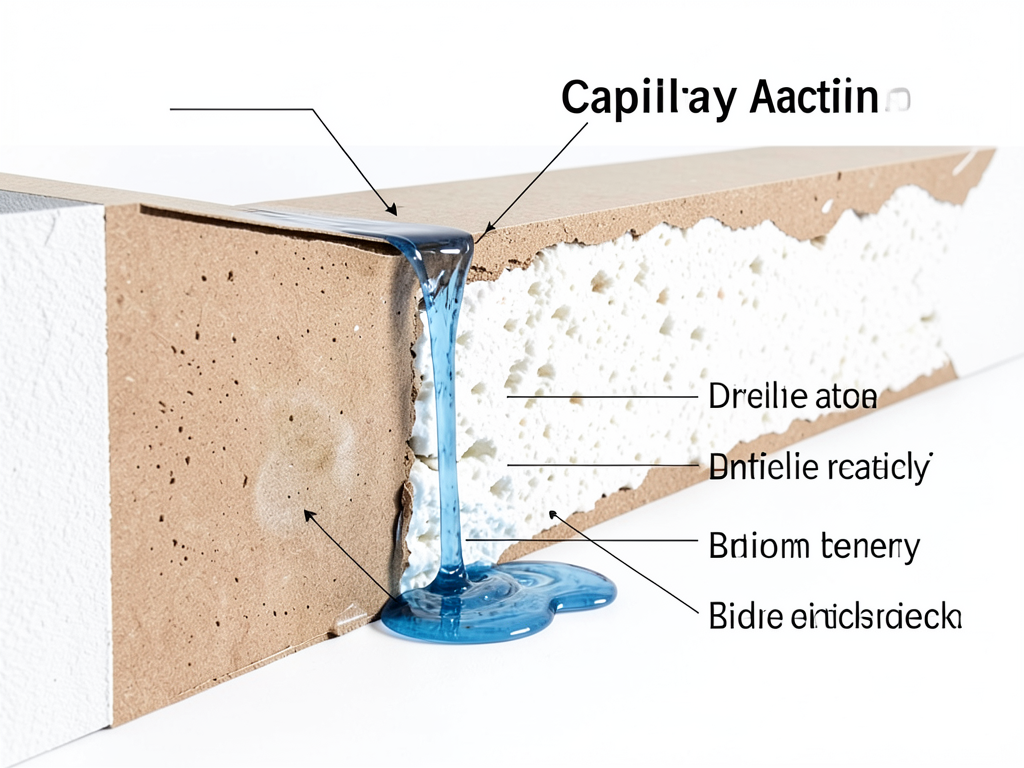
The gypsum core contains microscopic crystals that form channels when exposed to water. These channels allow moisture to travel upward at a rate of about one inch per hour in saturated conditions. The paper facing on both sides acts like a wick, drawing water from the floor and spreading it vertically and horizontally through the wall cavity.
A cross-section diagram showing water wicking through gypsum core and paper facing, with arrows indicating upward movement and moisture meter readings at different heights.
Visual Signs Water Has Climbed Your Walls
Water damage often hides behind paint and trim, but several telltale signs indicate capillary action is at work:
- Bubbling or peeling paint that appears in a distinct horizontal line across the wall
- Tide marks or dark staining that rises from the floor upward
- Soft or crumbling baseboards that break apart when touched
- Musty odors that intensify when you’re near affected walls
- Visible mold growth in corners where walls meet ceilings
In Raleigh’s climate, these signs can appear within 24-48 hours of water exposure. The combination of our high relative humidity and warm temperatures creates ideal conditions for both water retention and microbial growth.
The 24-48 Hour Mold Window
Once water begins wicking up your walls, the clock starts ticking. Mold spores exist everywhere in our environment, but they need moisture, organic material, and the right temperature to grow.. Read more about Why Brick Porosity Can Lead to Damp Walls in Your Sunnybrook Home.
According to the IICRC S500 Standard for Professional Water Damage Restoration, Category 1 water (clean water from pipes or rain) can become Category 2 or 3 (contaminated) within 24-48 hours if not properly dried. This timeline shortens in Raleigh due to our climate.
North Carolina’s humid summers mean indoor relative humidity often stays above 60%, which slows natural evaporation. When water gets trapped behind walls, it creates a microclimate where temperatures remain warm and airflow is minimal. Under these conditions, visible mold can appear in as little as 24 hours.
Moisture Meters: The Diagnostic Tool That Sees Through Walls
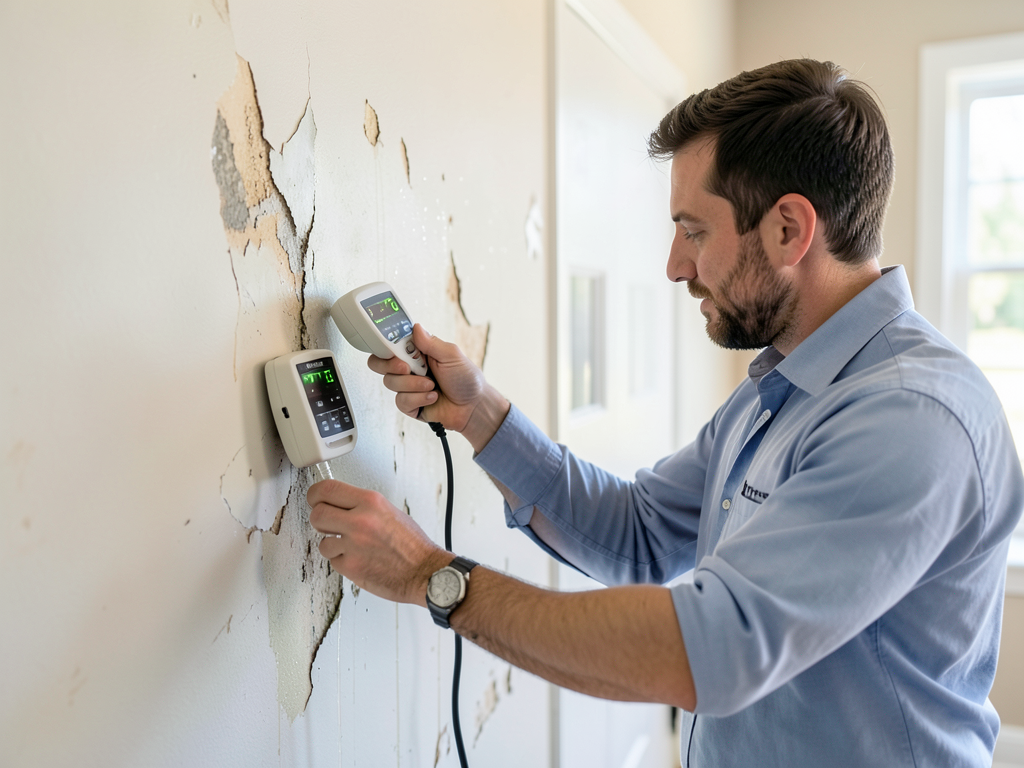
Professional water damage restoration technicians use specialized moisture meters to detect hidden water. These devices work on two principles:
- Pin-type meters that measure electrical resistance between two probes inserted into the material
- Pinless meters that use electromagnetic signals to detect moisture without damaging surfaces
A trained technician will take readings at multiple heights on affected walls. Water typically stops wicking when it reaches a moisture barrier or when the upward pull equals the downward pull of gravity. This often occurs between 12-24 inches above the water source, but can extend higher in porous materials.
A technician using a pinless moisture meter on a wall, with a digital display showing moisture percentage readings at different heights.
When to Cut the Wall: The Flood Cut Decision
Sometimes the best solution is to remove damaged drywall rather than attempt to dry it in place. This process, called a flood cut, involves removing drywall in a straight line above the highest point of moisture damage.
The standard flood cut height is 12-24 inches above the visible water line. In Raleigh homes with hardwood flooring or concrete slabs, water can travel laterally through these materials and wick higher up walls than you might expect. This is why professionals often cut at 24 inches rather than the minimum 12 inches.
Factors that influence flood cut decisions include:
- Category of water (clean, gray, or black)
- Duration of water exposure
- Presence of insulation in wall cavities
- Accessibility for drying equipment
- Local building codes and insurance requirements
North Carolina Residential Code requires that any building material exposed to Category 3 water (sewage or flood water) be removed and discarded. This means a flood cut is mandatory after certain types of water damage, regardless of the material’s apparent condition.
Raleigh’s Climate: The Hidden Accelerator
Raleigh’s location in the Piedmont region creates unique challenges for water damage restoration. Our climate combines several factors that accelerate moisture problems:
- High humidity levels (often 70-80% during summer months)
- Warm temperatures that promote microbial growth
- Seasonal hurricanes and tropical storms that bring sudden water intrusion
- Heavy clay soils that retain moisture around foundations
The Carolina red clay prevalent in Wake County expands when wet and contracts when dry. This movement can create foundation cracks that allow water to enter crawl spaces and basements. Once inside, water moves through the path of least resistance, often traveling up through concrete and into wall cavities.
Additionally, many homes in established Raleigh neighborhoods like Five Points and Hayes Barton were built before modern vapor barrier requirements. These older homes lack the moisture protection that newer construction includes, making them more susceptible to capillary action.
Professional Drying Equipment: Fighting Physics with Technology
When water travels up your walls, simple fans won’t solve the problem. Professional restoration requires industrial-grade equipment that works with the laws of physics, not against them.
Low-grain refrigerant (LGR) dehumidifiers are the workhorses of water damage restoration. These units can remove 20-30 gallons of water from the air per day, creating conditions where moisture moves from wet materials into the drier air. This process, called vapor pressure differential, accelerates drying by pulling water out of materials rather than just blowing air across surfaces.
Air movers create the high-velocity airflow needed to evaporate surface moisture. When placed correctly, these fans create a vortex effect that moves wet air away from materials and brings in drier air. The key is strategic placement based on moisture readings, not just pointing fans at wet areas.
Thermal imaging cameras help technicians identify hidden moisture pockets that meters might miss. These devices detect temperature differences caused by evaporative cooling, allowing restoration teams to target drying efforts where they’re needed most.
Emergency Response: What to Do Before Help Arrives
If you discover water traveling up your walls, take these immediate steps:
- Stop the Water Source
Shut off the main water valve if the leak is from plumbing. If it’s from outside, try to divert water away from the house.
- Protect Your Belongings
Move furniture, electronics, and valuables away from affected walls. Water can travel through furniture legs and damage items you might not expect.
- Document the Damage
Take photos and videos of all affected areas before cleaning anything up. This documentation is crucial for insurance claims.
- Increase Airflow
If weather permits, open windows and use fans to begin the drying process. However, if outdoor humidity is high, keep windows closed and wait for professional equipment.
- Call for Professional Help
Time is critical. The longer water sits, the more damage it causes and the higher the risk of mold growth.
Understanding Water Categories and Your Health
Not all water damage is created equal. The source of the water determines the category and the appropriate response:
| Water Category | Source | Health Risk | Response Required |
|---|---|---|---|
| Category 1 | Clean water from pipes, rain, or supply lines | Low | Drying and cleaning |
| Category 2 | Gray water from washing machines, dishwashers | Moderate | Disinfection and drying |
| Category 3 | Black water from sewage, flooding, or standing water | High | Complete removal and replacement |
Raleigh’s proximity to the Neuse River basin means some homes face higher flood risks, particularly in low-lying areas near Crabtree Creek and Walnut Creek. Flood water is always considered Category 3 due to potential contamination with bacteria, chemicals, and other hazardous materials. What to Do When Your Brier Creek Office Floods Over the Weekend.
Insurance Considerations for Raleigh Homeowners
Standard homeowners insurance policies in North Carolina typically cover sudden and accidental water damage from internal sources. However, they often exclude flood damage and may have specific requirements for water damage claims.
Many insurance companies require policyholders to mitigate further damage after a loss occurs. This means you must take reasonable steps to prevent additional water damage, such as shutting off the water supply or covering a leaking roof. Failure to do so could result in claim denial for damages that occur after the initial event.. Read more about Why Your Fridge Ice Maker Is Leaking Behind the Wall in Your Meredith Woods Kitchen.
Professional restoration companies work directly with insurance providers, providing detailed documentation and following industry standards that insurance adjusters recognize. This expertise can make the difference between a smooth claim process and a denied claim.
Preventing Future Water Travel
While you can’t prevent all water damage, several strategies can reduce your risk:
- Install water detection sensors near water heaters, washing machines, and under sinks
- Maintain clean gutters and downspouts to direct water away from your foundation
- Seal foundation cracks and ensure proper grading around your home
- Install a sump pump if your home has a basement or crawl space
- Consider whole-house water shut-off systems that automatically stop leaks
In Raleigh’s older neighborhoods, where homes may have aging plumbing, regular inspections can identify potential problems before they cause major damage. Copper pipes in homes built before the 1980s may be nearing the end of their lifespan and could develop pinhole leaks.
Why Professional Assessment Matters
Water damage restoration isn’t just about removing visible water. It’s about understanding the physics of moisture movement and ensuring your home returns to a safe, dry condition.
Professional assessment includes moisture mapping to identify all affected areas, even those not visible to the naked eye. It also involves monitoring the drying process with scientific instruments to ensure materials reach safe moisture content levels before reconstruction begins.
The IICRC S500 standard specifies that materials should be dried to within 4% of normal moisture content for the material and the region. In Raleigh’s humid climate, this means professional drying equipment is often necessary even after surface water appears to be gone.
Call for Professional Help Today
Water traveling up your walls isn’t just a cleanup problem—it’s a race against time and physics. Every hour that passes allows water to move deeper into your home’s structure and increases the risk of mold growth.
Our team of certified water damage restoration specialists understands the unique challenges of Raleigh’s climate and building practices. We use industrial-grade equipment and follow IICRC standards to ensure your home is properly dried and restored.
Don’t wait until a small problem becomes a major disaster. Call (984) 294-5900 now for emergency water damage restoration in Raleigh. We’re available 24/7 to respond to your water emergency and stop the upward march of water through your walls.
Pick up the phone and call (984) 294-5900 before the next storm hits. Your home deserves professional care that understands the science of water movement and the urgency of immediate response.
Frequently Asked Questions
How fast does water travel up drywall?
Water can travel up drywall at a rate of approximately one inch per hour in saturated conditions. This means a small leak can cause damage to the lower two feet of a wall within just a few hours. The actual rate depends on the porosity of the materials, the amount of water available, and environmental conditions like humidity and temperature.
Can I dry water-damaged walls myself?
While you can address surface water with fans and towels, water that has traveled up walls requires professional equipment to remove completely. Household fans don’t create the vapor pressure differential needed to pull moisture from deep within materials. Additionally, without moisture meters, you can’t verify when materials have reached safe dryness levels, leaving your home at risk for mold growth.
How do I know if water has wicked up my walls?
Signs include bubbling or peeling paint, dark staining that rises from the floor, soft or crumbling baseboards, musty odors, and visible mold growth. However, the most reliable method is using a moisture meter, which can detect hidden moisture behind paint and trim. Professional restoration technicians use these tools to identify the full extent of water damage. Finding Reliable 24 Hour Water Damage Restoration in Wake Forest.
Is water damage covered by insurance in Raleigh?
Most standard homeowners insurance policies cover sudden and accidental water damage from internal sources, such as burst pipes. However, they typically exclude flood damage and may have specific requirements for water damage claims. It’s important to review your policy and understand what’s covered. Professional restoration companies can help document damage and work with your insurance provider throughout the claims process.
How long does professional water damage restoration take?
The timeline varies based on the extent of damage, category of water, and environmental conditions. Initial water extraction and emergency services often take 1-2 days. The drying process typically requires 3-5 days with professional equipment. Complete restoration, including repairs and reconstruction, can take several weeks depending on the scope of work needed. Your restoration company should provide a detailed timeline based on your specific situation. EPA Mold Resources. For more information, visit FEMA Disaster Assistance.