Menu

Commercial Sewage Cleanup in Raleigh – Minimize Downtime with Industrial-Grade Remediation

Silverline Water Damage Restoration Raleigh delivers rapid commercial sewage removal and black water extraction to protect your operations, meet North Carolina health codes, and restore your facility without disrupting revenue.

Slider Image 1
Slider Image 2
Slider Image 3
Slider Image 4
Slider Image 5
Slider Image 7
Slider Image 8
Slider Image 9
Slider Image 10
Slider Image 11

Sewage Contamination Threatens Business Continuity in Raleigh Facilities

A sewage backup in your Raleigh commercial property is not just a maintenance issue. It is a liability event that exposes employees, customers, and inventory to Category 3 contaminants. Every hour your facility remains offline costs you revenue and damages your reputation.

Raleigh's aging infrastructure in neighborhoods like downtown and Glenwood South creates elevated risk for commercial sewer backup incidents. Clay soil throughout Wake County shifts with seasonal rain and freeze-thaw cycles, putting pressure on aging municipal lines and private laterals. When those systems fail, raw sewage floods basements, retail spaces, restaurant kitchens, and warehouse floors.

You cannot clean this with mops and bleach. Commercial black water extraction requires containment protocols, EPA-compliant disinfection, and proper disposal of contaminated materials. Your insurance carrier will demand documentation proving compliance with IICRC S500 standards for Category 3 water loss.

Delayed response compounds the problem. Sewage water wicks into drywall, insulation, and subflooring within hours. Porous materials become unsalvageable. Bacterial colonies form biofilms on surfaces, creating long-term air quality problems even after visible water is gone.

Commercial sewage remediation is not about saving furniture. It is about protecting your ability to operate, minimizing liability exposure, and avoiding costly regulatory penalties. Industrial sewage cleanup requires commercial-grade extraction equipment, containment barriers, and a crew trained in hazmat protocols. You need a company that understands how to work around your operations schedule and coordinate with health inspectors.

Sewage Contamination Threatens Business Continuity in Raleigh Facilities
Our Industrial Sewage Cleanup Protocol Restores Facilities While Protecting Operations

Our Industrial Sewage Cleanup Protocol Restores Facilities While Protecting Operations

Commercial sewage remediation follows a strict sequence designed to eliminate contamination while allowing phased reopening of unaffected zones. We do not shut down your entire building unless structurally necessary.

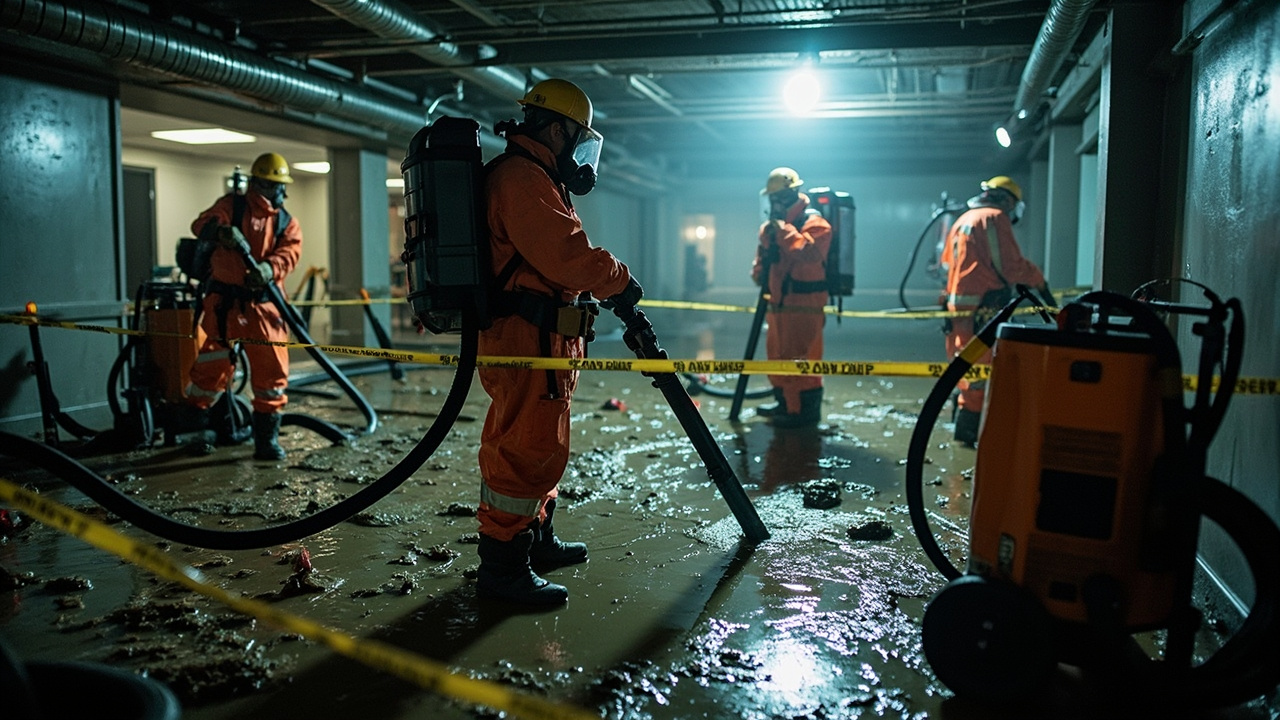
We begin with containment and zoning. Plastic sheeting and negative air machines isolate the affected area to prevent cross-contamination. This allows unaffected departments or units to continue operating while we extract and disinfect the contaminated space.

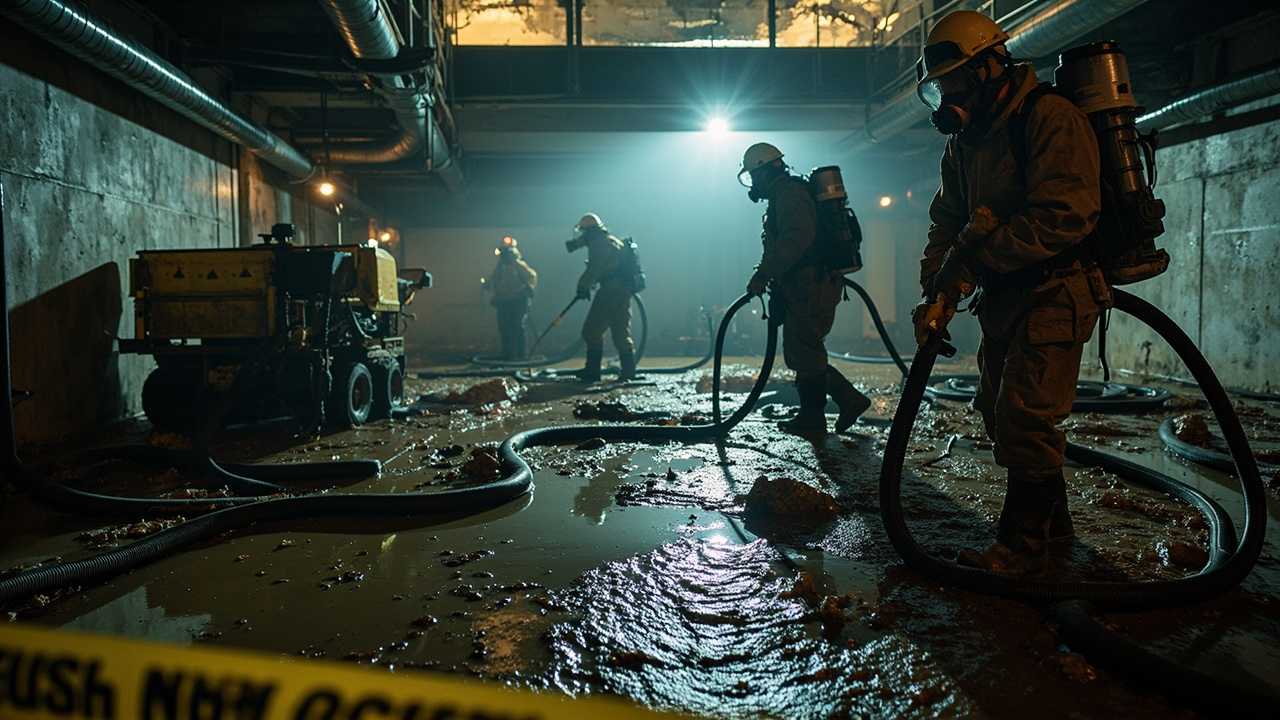
Commercial black water extraction uses truck-mounted pumps capable of handling solids and debris that overwhelm shop vacuums. We extract standing sewage, then apply antimicrobial agents to all hard surfaces. Porous materials like drywall, insulation, and carpet pad are removed if they contacted sewage water for more than two hours. There is no salvaging Category 3-contaminated absorbent materials.

We document everything with time-stamped photos, moisture readings, and disposal manifests. Your insurance adjuster will require proof that demolition was necessary and that disinfection met protocol. We generate that paperwork in real time, not weeks later.

Air scrubbers with HEPA filtration run continuously during demolition to capture airborne particulates. We monitor air quality with particle counters to verify the space is safe before reconstruction begins.

Once structural drying is complete, we apply encapsulants to subflooring and framing to lock in any residual odor molecules. This prevents long-term smell issues that drive customers away or violate health department standards.

Our goal is not just cleanup. It is restoring your certificate of occupancy as quickly as possible with full regulatory compliance and zero shortcuts.

How Commercial Sewage Remediation Works from Call to Clearance

Commercial Sewage Cleanup in Raleigh – Minimize Downtime with Industrial-Grade Remediation
01

Emergency Containment and Extraction

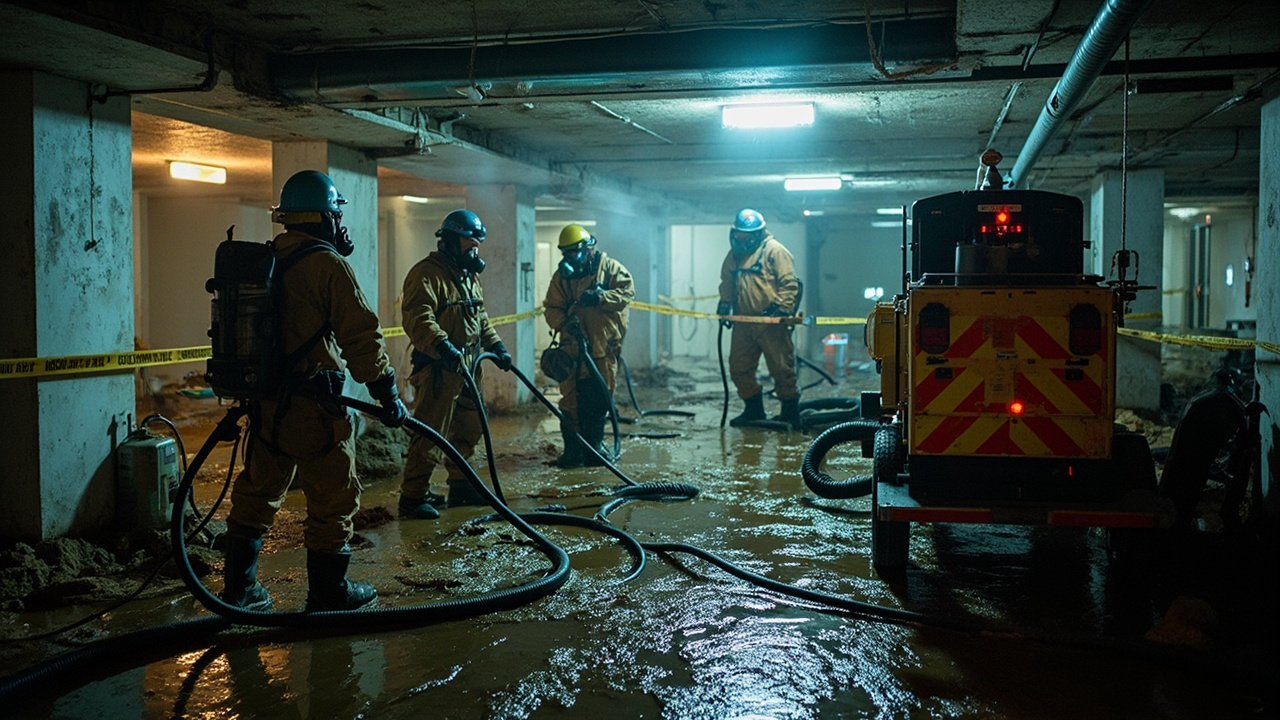
We arrive with truck-mounted extraction units and containment barriers within hours of your call. Our crew isolates the contaminated zone using plastic sheeting and negative air pressure to prevent sewage odor and bacteria from spreading to clean areas. We extract all standing sewage water, remove solid waste, and photograph conditions for your insurance claim. This first step stops the spread and protects unaffected revenue-generating spaces.
02

Disinfection and Controlled Demolition

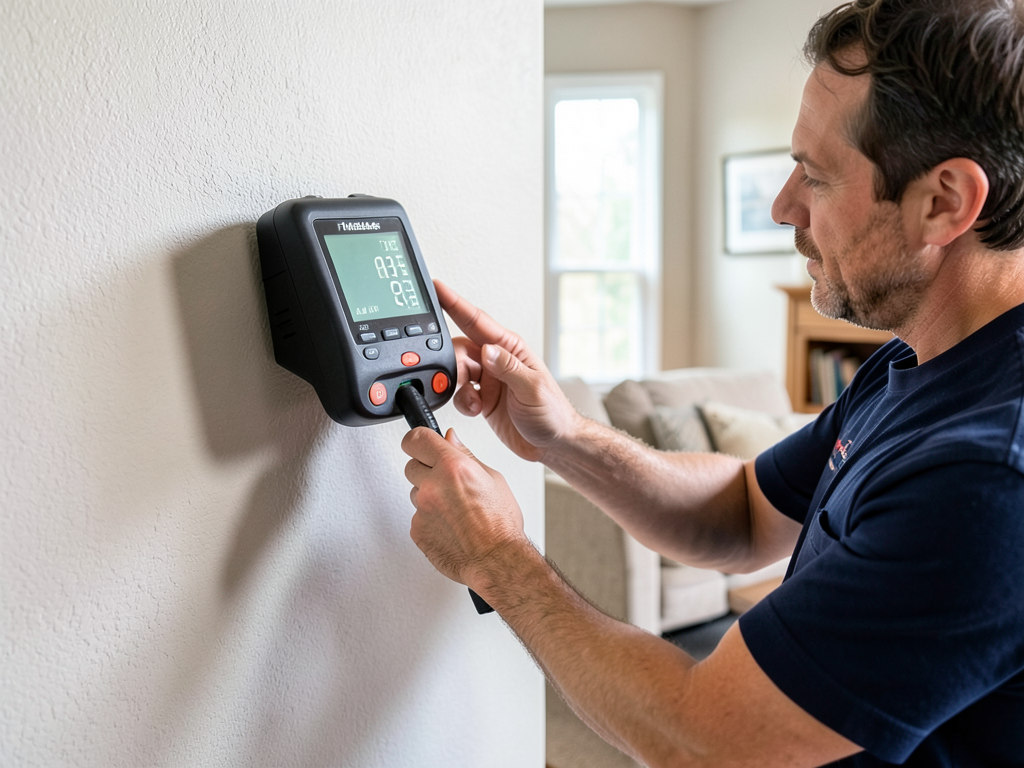
After extraction, we apply hospital-grade antimicrobial agents to all hard surfaces and remove any porous materials that contacted sewage water. Drywall, insulation, and flooring are cut back to clean, uncontaminated sections. We bag and dispose of contaminated debris per EPA guidelines. Air scrubbers with HEPA filters run continuously to capture airborne particulates. Moisture meters verify structural members are drying properly to prevent mold growth during reconstruction.
03

Final Clearance and Documentation

Before reconstruction begins, we conduct air quality testing and final moisture readings to confirm the space is safe. We provide a full report with photos, moisture logs, and disposal manifests for your insurance carrier and health department. You receive written clearance that the space meets IICRC S500 standards for Category 3 water damage. This documentation protects you from future liability and allows contractors to begin rebuilding immediately.

Why Raleigh Businesses Choose Silverline for Commercial Sewage Cleanup

Commercial sewage incidents demand more than technical skill. They require coordination with health inspectors, insurance adjusters, and your operations team to minimize financial impact.

Silverline Water Damage Restoration Raleigh works directly with Wake County Environmental Services and the North Carolina Department of Health to ensure your facility meets reopening requirements. We understand the local permitting process and know which documentation health inspectors will require before issuing clearance.

Our crews are trained in OSHA bloodborne pathogen protocols and IICRC S500 standards for Category 3 water remediation. We carry commercial liability coverage that meets bonding requirements for large facilities and multi-tenant properties.

We also understand Raleigh's commercial real estate landscape. Older buildings in downtown and Glenwood South have cast iron waste lines prone to corrosion failure. Strip malls along Capital Boulevard often share common drain lines, meaning one tenant's backup can affect neighboring units. We know how to trace the source, identify responsible parties, and document findings for subrogation claims.

Speed matters in commercial settings. Every day offline is lost revenue and potential lease violations. We dispatch crews 24 hours a day and bring enough equipment to handle large-scale incidents without multiple mobilizations. Our truck fleet includes industrial extractors, containment supplies, and enough air movers to dry a 10,000-square-foot space simultaneously.

You also get transparent communication. We provide daily progress reports, update your insurance adjuster directly, and coordinate with your general contractor to ensure a seamless handoff to reconstruction. No guessing about timeline or next steps.

What to Expect During Commercial Sewage Remediation

Response Time and Availability

We dispatch a project manager and crew within two hours of your call, regardless of time or day. Our trucks carry enough equipment to begin extraction and containment immediately without waiting for additional resources. For large facilities, we can scale up to multiple crews working in shifts to maintain progress around the clock. You receive a preliminary scope of work within four hours of arrival, allowing you to notify stakeholders and adjust operations plans. Speed reduces downtime and limits the spread of contamination to other areas.

Initial Assessment and Scope Development

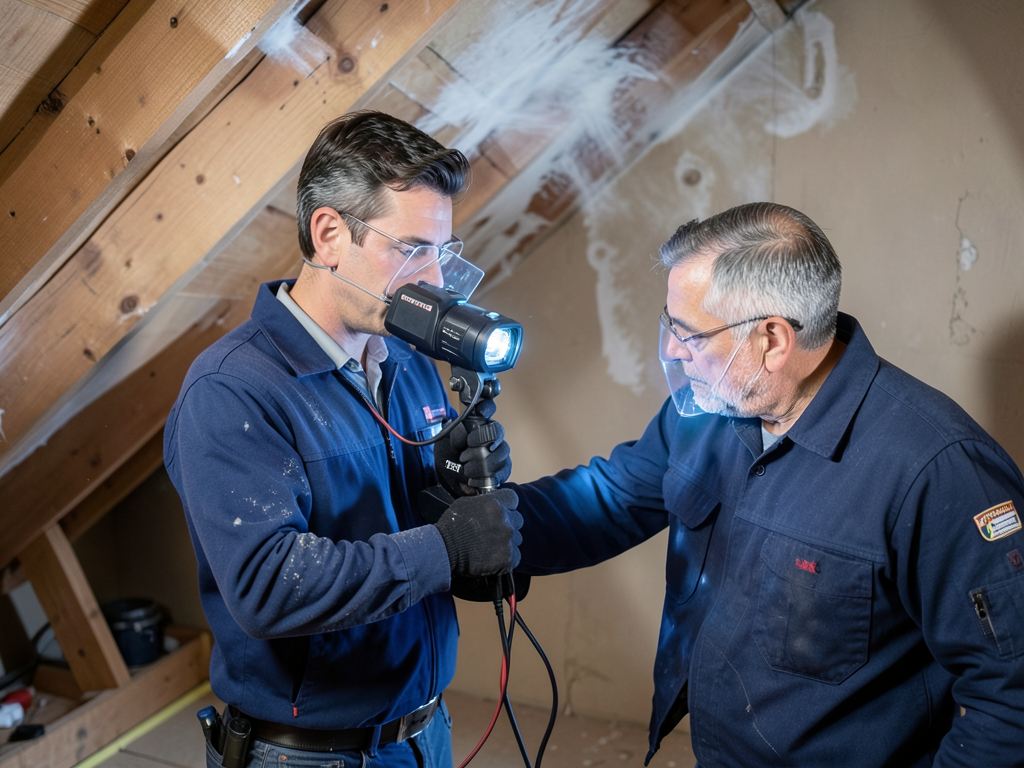
Our project manager conducts a detailed walkthrough to identify the source, map the affected area, and determine which materials require removal. We use thermal imaging cameras to detect hidden moisture in walls and under flooring. You receive a written scope that breaks down extraction, demolition, drying, and disinfection tasks. We also identify any code compliance issues that could delay reopening, such as outdated plumbing or ventilation deficiencies. This assessment becomes the foundation for your insurance claim and gives you a realistic timeline for returning to operations.

Clearance Standards and Final Deliverables

Your space is not cleared until air quality testing confirms bacterial levels are within safe limits and moisture readings verify structural drying is complete. We provide a final report with time-stamped photos, moisture logs, and copies of disposal manifests for contaminated materials. This documentation satisfies insurance requirements and provides proof of compliance if health inspectors or future tenants request verification. You also receive recommendations for preventing future backups, such as backflow preventer installation or drain line camera inspections.

Post-Remediation Monitoring and Support

After clearance, we remain available for follow-up moisture checks and odor assessments. Some commercial spaces develop residual smells weeks after remediation if subflooring was not properly treated or if HVAC ducts were contaminated. We return to investigate and resolve these issues at no additional trip charge. You also receive direct contact information for your project manager in case questions arise during reconstruction or if your insurance carrier requests additional documentation. Our goal is complete resolution, not just cleanup.

Frequently Asked Questions

You Have Questions,
We Have Answers

How much does it cost to clean up sewage? +

Commercial sewage cleanup costs vary based on contamination level, square footage, and scope of damage. Category 3 water damage from raw sewage requires containment, structural drying, antimicrobial treatment, and often reconstruction. Factors affecting price include after-hours response, number of affected rooms, flooring type, and disposal requirements. Raleigh properties with older plumbing systems or clay soil settling may face additional structural concerns. Most insurers cover sudden sewage backups under commercial property policies, but gradual damage from poor maintenance is excluded. Document everything immediately and contact your carrier before remediation begins to protect your claim and minimize business interruption.

How much does it cost to unclog sewage? +

Unclogging a commercial sewer line typically costs between several hundred and several thousand dollars, depending on blockage location, severity, and access points. Hydro jetting for main line obstructions costs more than cable augering but delivers better results for grease buildup common in Raleigh restaurants and food service facilities. Video camera inspection adds cost but identifies root intrusion, collapsed sections, or code violations. Emergency after-hours service increases rates. If the blockage caused sewage backup into your facility, cleanup and remediation will be separate line items. Most commercial policies cover sudden blockages but exclude maintenance issues from neglect.

Does insurance cover sewage cleanup? +

Commercial property insurance typically covers sewage cleanup from sudden, accidental backups or pipe bursts. Coverage depends on your specific policy endorsements and cause of loss. Backup caused by tree root intrusion, aging infrastructure failure, or municipal sewer overload is often covered. Gradual seepage from deferred maintenance, improper grease trap servicing, or code violations is excluded. Raleigh businesses should verify they have sewer backup endorsements, which are not automatic. Business interruption coverage may offset lost revenue during remediation. Document damage immediately with photos, maintain service records proving routine maintenance, and notify your carrier within 24 hours to preserve coverage.

How often should sewage be cleaned? +

Commercial sewer lines require professional inspection and cleaning every 18 to 24 months, depending on facility type and usage. Restaurants, medical facilities, and multi-tenant properties need quarterly or semi-annual hydro jetting due to grease, debris, and higher waste volumes. Preventive maintenance prevents catastrophic backups that shut down operations and trigger health code violations. Raleigh properties with mature trees face root intrusion risks requiring more frequent camera inspections. Clay soil movement can stress aging pipes. Document all maintenance with dated invoices. This protects insurance coverage, demonstrates regulatory compliance, and reduces liability exposure. Reactive cleanup costs far exceed scheduled prevention.

Is sewer jetting worth it? +

Sewer jetting is worth the investment for commercial properties because it removes grease buildup, mineral deposits, and root intrusions that cable snaking cannot address. Hydro jetting uses high-pressure water to scour pipe walls clean, restoring full flow capacity and extending infrastructure lifespan. For Raleigh restaurants dealing with grease trap issues or older buildings with cast iron drains, jetting prevents recurring backups that cause business interruption and health violations. The process is more expensive than cable augering but delivers long-term results. Properties with chronic blockages see ROI through reduced emergency calls, lower insurance claims, and minimized downtime.

Why is my sewer bill 200 dollars? +

A 200-dollar sewer bill for commercial properties in Raleigh typically reflects volumetric water usage, not cleanup services. The City of Raleigh calculates sewer charges based on metered water consumption, facility type, and discharge rates. High bills indicate excessive water use, leaks, irrigation on the meter, or seasonal spikes. If you received a sewage cleanup invoice for 200 dollars, that is abnormally low and likely covers only initial inspection or minor drain clearing, not full Category 3 remediation. Commercial sewage cleanup costs substantially more when structural drying, antimicrobial treatment, disposal, and reconstruction are required. Request itemized invoices.

Will insurance pay for sewer line replacement? +

Insurance may cover sewer line replacement if failure was sudden and accidental, such as collapse from soil subsidence, tree root damage, or freeze-thaw cycles. Most commercial policies exclude gradual deterioration, corrosion, or damage from deferred maintenance. Raleigh properties with aging cast iron or clay pipes face higher failure risks due to soil conditions and mature tree canopies. Coverage depends on your specific endorsements and documented cause of loss. Business owners should maintain inspection records proving routine maintenance. If a covered event caused the line failure and resulting sewage backup damaged your property, both the line and cleanup may qualify under different policy sections.

Why is my sewer bill 100 dollars? +

A 100-dollar sewer bill in Raleigh reflects municipal water and sewer service charges based on metered consumption, not sewage cleanup costs. Commercial sewer rates are calculated from water usage because discharge volume approximates intake. If this is a cleanup invoice, 100 dollars covers only diagnostic work or minor drain snaking, not remediation. Actual commercial sewage cleanup costs range significantly higher due to containment, antimicrobial treatment, structural drying, and disposal requirements. Verify what the charge covers. For municipal billing questions, contact Raleigh Water. For cleanup estimates, ensure the scope includes all necessary remediation phases to prevent mold and liability exposure.

What are the three types of sewage? +

The three categories of sewage are Category 1 (clean water from supply lines), Category 2 (gray water from appliances containing contaminants), and Category 3 (black water containing fecal matter and pathogens). Commercial facilities typically face Category 3 events from sewer backups, requiring the most intensive remediation protocols. Category 3 water contains bacteria, viruses, and parasites that pose serious health risks and trigger OSHA regulations for worker protection. Raleigh health codes mandate professional remediation for black water events in commercial spaces. Materials contacted by Category 3 water often require disposal rather than cleaning. Misclassifying contamination levels creates liability exposure.

What is the average lifespan of a sewer line? +

Commercial sewer lines last 40 to 100 years depending on material, installation quality, soil conditions, and maintenance. Cast iron pipes common in older Raleigh buildings typically last 50 to 65 years before corrosion failures. PVC lines installed since the 1980s can exceed 100 years with proper maintenance. Clay pipes, found in historic Raleigh properties, last 50 to 60 years but are vulnerable to root intrusion and soil movement. Raleigh's clay soil and mature tree canopies accelerate deterioration. Video inspection every three to five years identifies problems before catastrophic failure. Proactive replacement based on documented condition protects against business interruption and contamination liability.

Why Raleigh's Aging Infrastructure Creates Commercial Sewage Backup Risk

Raleigh's rapid commercial growth has outpaced infrastructure upgrades in core neighborhoods. Buildings constructed in the 1970s and 1980s along Glenwood Avenue and downtown often have cast iron waste lines now corroded and prone to collapse. Combined sewer systems in older areas overflow during heavy rain, sending sewage back through floor drains in basements and ground-floor retail spaces. Wake County's clay soil shifts seasonally, breaking pipe joints and creating low spots where sewage pools. Commercial properties near Crabtree Creek and Walnut Creek face additional risk from rising water tables that infiltrate cracked sewer laterals.

Local expertise matters when navigating North Carolina health codes and Wake County permitting. Raleigh health inspectors require specific documentation before clearing commercial kitchens, daycares, and medical facilities after sewage contamination. Silverline understands these requirements and coordinates directly with Environmental Services to expedite approvals. We also work with local plumbing contractors familiar with city permit processes to ensure permanent repairs meet current code. Choosing a local remediation company means faster turnaround and fewer delays waiting for out-of-town crews to mobilize equipment.
Water Damage Restoration Services in The Raleigh Area

While based in Raleigh, Silverline proudly serves the surrounding areas, providing expert water damage restoration wherever you are. Our interactive map allows you to visualize our service radius and plan your visit, or simply understand our immediate response capabilities. We are dedicated to reaching you quickly, ensuring prompt and efficient service for your home or business, no matter your precise location within our service area, ready to assist.

Address:
Silverline Water Damage Restoration Raleigh, 306 E Hargett St, Raleigh, NC, 27601

Additional Services We Offer

Our news updates

Latest Articles & News from The Blogs

Managing a Multi-Floor Water Leak in a Bedford Townhome A multi-floor water leak in your Bedford townhome requires immediate action…

Managing a Multi-Floor Water Leak in a Bedford Townhome

Managing a Multi-Floor Water Leak in a Bedford Townhome A multi-floor water leak in your Bedford townhome requires immediate action…

Dealing with Copper Pipe Pinholes and Slow Leaks in Stonehenge Homes

Copper Pipe Leak Repair & Water Damage Restoration in Raleigh, NC Copper pipe pinhole leaks silently damage Stonehenge homes built…

Replacing Water Damaged Subfloors Under Your New LVP in North Raleigh

Replacing Water Damaged Subfloors Under Your New LVP in North Raleigh Water damage beneath luxury vinyl plank flooring in North…

Contact Us

Call (984) 294-5900 now for immediate dispatch. Our crews are standing by 24 hours a day to contain the damage, extract contaminated water, and restore your facility to safe operating conditions.