

Menu

Black Mold Symptoms in Raleigh – Expert Diagnosis and Health-First Remediation

Recognizing black mold symptoms early protects your family's health and your property. Our certified team identifies stachybotrys chartarum exposure signs and eliminates the source using containment protocols specific to Raleigh's humid climate.

Slider Image 1
Slider Image 2
Slider Image 3
Slider Image 4
Slider Image 5
Slider Image 7
Slider Image 8
Slider Image 9
Slider Image 10
Slider Image 11

Why Black Mold Thrives in Raleigh Homes and How to Spot the Warning Signs

Raleigh's climate creates the perfect breeding ground for stachybotrys chartarum, commonly called black mold. Our humid summers and moisture-trapping winters mean indoor humidity levels spike above 60 percent for months at a time. Add poor attic ventilation in older neighborhoods like Boylan Heights or Hayes Barton, and you have the trifecta mold needs: moisture, warmth, and organic material.

Black mold poisoning symptoms often start subtly. You might notice a persistent cough, headaches that worsen at home, or unexplained fatigue. These signs of black mold exposure mimic seasonal allergies, which is why many Raleigh residents dismiss them until the problem escalates. Toxic mold health effects become serious when exposure continues. Respiratory distress, chronic sinus infections, and skin rashes are common. Children and immunocompromised individuals face the highest black mold health risks.

The mold itself appears dark green or black, with a slimy texture when wet. It grows behind drywall, under carpets, and inside HVAC ducts where you cannot see it. You might smell a musty, earthy odor before you ever see visible growth. That smell means spores are already circulating through your air supply.

Homes built on Raleigh's clay soil face additional risk. Poor drainage around foundations leads to crawl space moisture, a direct pipeline for mold infiltration. If your basement flooded during recent storms or your roof leaked after a hurricane season downpour, you are at elevated risk. Ignoring stachybotrys chartarum symptoms does not make them disappear. It makes them worse.

Why Black Mold Thrives in Raleigh Homes and How to Spot the Warning Signs
How We Diagnose and Eliminate Black Mold at the Source

How We Diagnose and Eliminate Black Mold at the Source

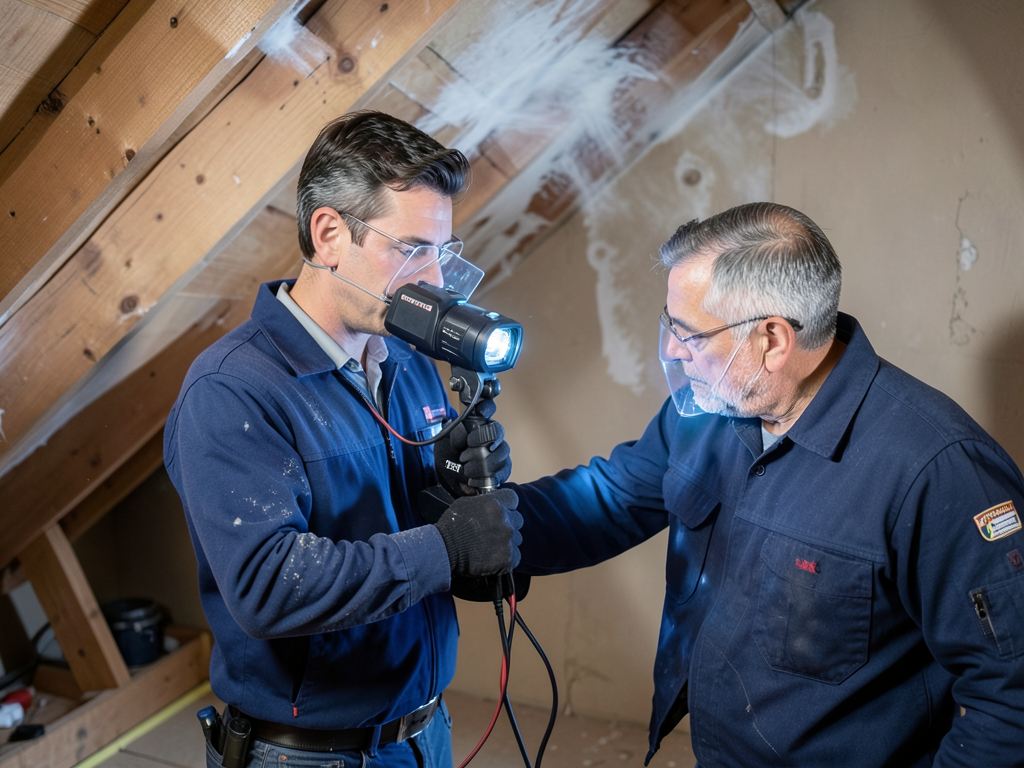
We do not guess. We test. Our certified technicians use thermal imaging cameras to detect hidden moisture behind walls and ceilings. Elevated moisture readings pinpoint mold growth areas invisible to the naked eye. We collect air samples and surface swabs, then send them to a third-party lab for species identification. This confirms whether you are dealing with stachybotrys chartarum or a less dangerous mold variety.

Once we confirm black mold, we establish containment. We seal off affected areas using polyethylene sheeting and negative air pressure machines equipped with HEPA filters. This prevents cross-contamination to clean areas of your home. We do not just wipe down visible mold and call it done. That spreads spores and makes the problem worse.

Our remediation process removes all contaminated materials. Drywall, insulation, and carpeting that absorbed mold growth gets bagged and disposed of according to EPA guidelines. We treat structural elements like studs and joists with antimicrobial solutions, then dry them to below 15 percent moisture content using industrial dehumidifiers. Mold cannot grow without moisture. We eliminate the conditions that allowed it to thrive.

After physical removal, we address the root cause. If your crawl space flooded, we install vapor barriers and improve drainage grading. If your HVAC system spread spores, we clean ducts and install UV germicidal lights. We fix the moisture intrusion point, whether it is a leaking roof valley, failed window flashing, or a plumbing leak inside your walls.

Final clearance testing ensures spore counts return to normal levels. We provide documentation for insurance claims and future home sales. This is not a surface-level cleanup. This is complete eradication.

What Happens During Your Black Mold Assessment and Remediation

Black Mold Symptoms in Raleigh – Expert Diagnosis and Health-First Remediation
01

Initial Health and Property Assessment

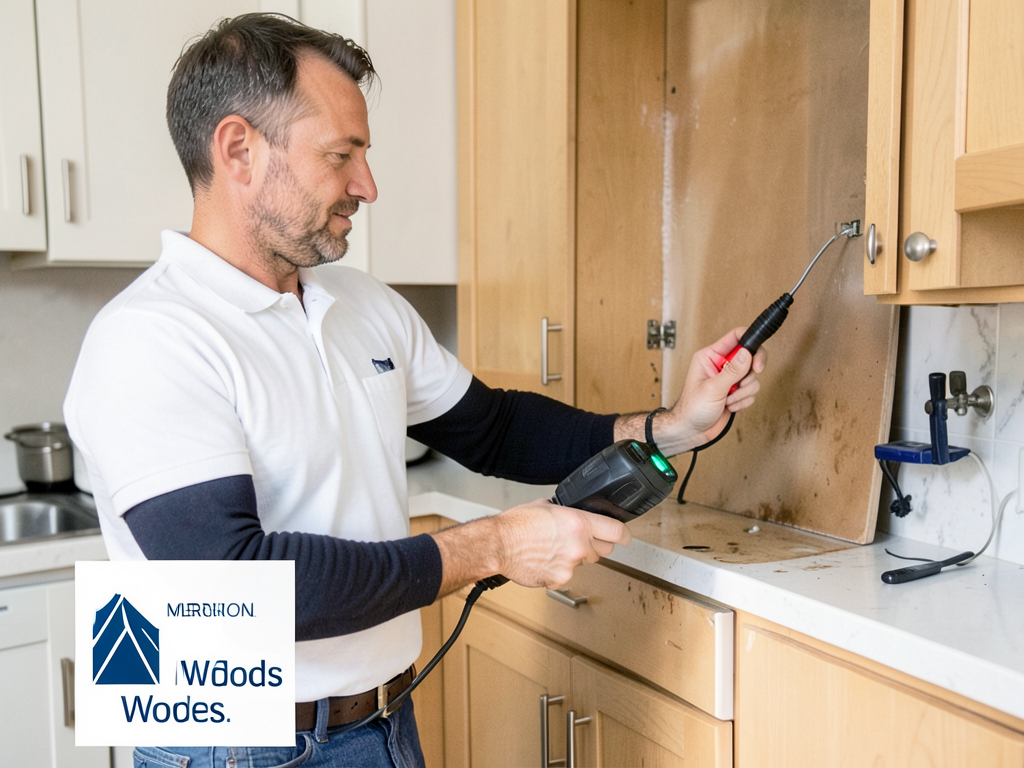
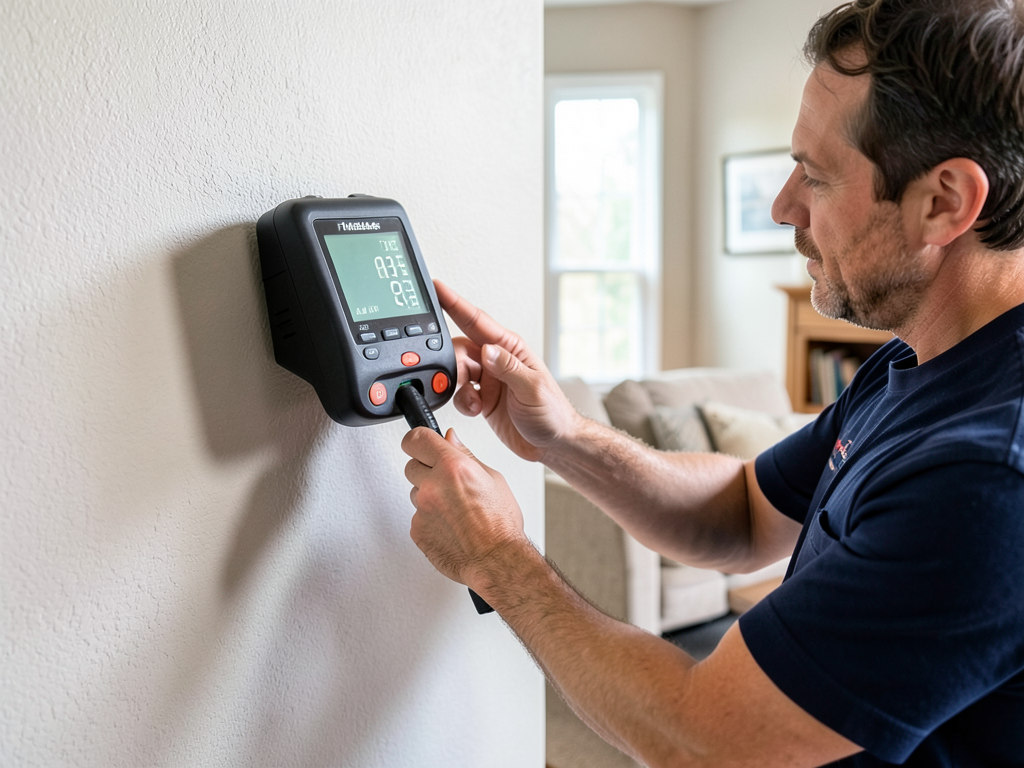
We start with a detailed walkthrough of your property and a conversation about symptoms you or your family are experiencing. Persistent coughing, sinus issues, or worsening asthma at home are red flags. We use moisture meters and thermal cameras to scan walls, ceilings, and floors for hidden water intrusion. Elevated readings guide our air and surface sampling strategy to identify stachybotrys chartarum presence and concentration levels.
02

Containment and Safe Removal

After lab results confirm black mold, we isolate contaminated zones using plastic barriers and negative air machines with HEPA filtration. This containment prevents spores from spreading during demolition. Our technicians wear full respirators and protective suits while removing all porous materials that absorbed mold growth. Non-porous surfaces get treated with EPA-registered antimicrobials. We bag and dispose of contaminated debris following strict protocols to protect your household and our team.
03

Moisture Correction and Clearance Testing

Removing mold means nothing if the moisture source remains. We repair the leak, improve ventilation, or install dehumidification systems based on your property's specific issue. Once structural drying is complete and repairs are finished, we conduct final air quality testing. Lab-verified clearance results confirm spore levels match outdoor ambient counts. You receive full documentation showing your home is safe for reoccupancy and compliant with industry remediation standards.

Why Raleigh Homeowners Trust Our Certified Mold Remediation Team

Mold remediation is not a DIY project. Improper handling releases millions of spores into your air, worsening health risks and spreading contamination. Silverline Water Damage Restoration Raleigh holds certifications in mold assessment and remediation from the Institute of Inspection, Cleaning and Restoration Certification. Our technicians understand the science behind mold growth and the protocols required to eliminate it safely.

We know Raleigh's construction patterns. Homes in Oakwood have crawl spaces with limited access. Post-war ranch homes in North Raleigh often lack proper vapor barriers. Newer builds in North Hills sometimes have HVAC systems oversized for the square footage, creating humidity imbalances. Each scenario requires a different remediation approach. We have worked in every neighborhood and seen every failure point.

Our relationships with local insurance adjusters streamline your claim process. We document findings with photo evidence, moisture maps, and lab reports that satisfy underwriter requirements. We work directly with your adjuster to ensure covered damages are properly scoped. You should not have to fight your insurance company while dealing with a health hazard.

We also understand North Carolina's disclosure laws. If you plan to sell your home, undisclosed mold problems can derail closing or lead to legal action. Our certified clearance testing provides the documentation you need to sell with confidence. Buyers trust third-party lab results, not a homeowner's assurances.

Speed matters when toxic mold is involved. We dispatch teams within hours, not days. The longer stachybotrys chartarum grows, the deeper it penetrates building materials and the more spores infiltrate your HVAC system. Early intervention limits damage, reduces remediation costs, and protects your family's health.

What to Expect From Start to Finish

Rapid Response and Scheduling

We understand black mold symptoms create anxiety. You worry about your children's respiratory health and whether your home is safe. Our team answers emergency calls 24 hours a day, 7 days a week. We schedule initial assessments within the same day for urgent situations. Non-emergency assessments happen within 48 hours. You receive a detailed inspection report within 24 hours of sampling, and lab results typically return in 3 to 5 business days. We keep you informed at every stage so you know exactly what is happening and when remediation will begin.

Thorough Diagnostic Testing

Our initial assessment includes moisture mapping using infrared cameras and pin-type meters. We collect air samples from affected areas and control zones for comparison. Surface samples confirm species type, particularly stachybotrys chartarum identification. All samples go to accredited third-party labs, not in-house testing that can create conflicts of interest. You receive a written report detailing moisture levels, mold species identified, spore concentrations, and our recommended remediation scope. This transparency ensures you understand the problem before we begin work. No surprises, no upselling services you do not need.

Complete Source Elimination

Remediation quality determines whether mold returns. We remove all contaminated materials down to bare studs if necessary. Structural elements get treated with antimicrobials and dried to safe moisture levels using commercial dehumidifiers and air movers. We do not encapsulate mold with sealants and hope it dies. That is a temporary Band-Aid. We physically remove it. After remediation, we repair and restore affected areas to pre-loss condition using mold-resistant drywall and materials. Your home looks normal again, but the underlying threat is gone.

Post-Remediation Verification and Prevention

Final clearance testing is mandatory. We collect post-remediation air samples and compare them to baseline outdoor samples. Spore counts must return to normal ambient levels before we consider the job complete. You receive lab-certified documentation proving your home is safe. We also provide a moisture management plan tailored to your property. This might include recommendations for dehumidifier installation, crawl space encapsulation, or gutter improvements. Preventing recurrence is as important as initial remediation. We give you the tools and knowledge to keep your home mold-free long term.

Frequently Asked Questions

You Have Questions,
We Have Answers

How long does it take to recover from mold toxicity? +

Recovery time depends on exposure duration and your immune system. Most people feel better within a few weeks after leaving the contaminated environment. Persistent symptoms can last several months if exposure was severe. Your body needs time to clear the mycotoxins naturally. Remove yourself from the mold source immediately. Drink plenty of water and focus on nutrient-rich foods. See a doctor if symptoms last beyond a month or worsen. In Raleigh's humid climate, mold regrows fast, so professional remediation prevents re-exposure. Recovery only happens when the source is gone.

How do you tell if you have mold sickness? +

You notice persistent respiratory problems like coughing, wheezing, or nasal congestion that worsen at home. Headaches, fatigue, and brain fog are common warning signs. Skin rashes or irritated eyes without another cause point to mold. Pay attention to timing. If symptoms improve when you leave your house and return when you come back, that pattern suggests mold exposure. Raleigh's high humidity creates ideal conditions for mold growth in crawl spaces and attics. A visual inspection or musty odor confirms suspicion. See your doctor and get your home tested by a certified inspector.

How to get rid of black mold in a house? +

Stop. Do not scrub black mold yourself. Disturbing it releases dangerous spores into the air. Small patches under 10 square feet can be cleaned with proper PPE and an EPA-registered fungicide, but regrowth is likely without fixing the moisture source. Larger infestations require professional remediation. Technicians contain the area, use HEPA filtration, remove contaminated materials, and treat surfaces with antimicrobial solutions. In Raleigh homes, crawl space moisture and roof leaks are common culprits. Fix the water problem first or mold returns. Professional removal protects your health and prevents spread.

How to test for black mold exposure? +

You cannot reliably test for black mold exposure through home kits. A doctor can order blood tests for mycotoxins or mold antibodies, though results vary in accuracy. The better approach is testing your environment. Hire a certified mold inspector in Raleigh to take air and surface samples. Lab analysis identifies the mold species and spore concentration. Visual inspection alone misses hidden growth behind walls or in HVAC systems. If you have symptoms and suspect mold, get your home tested first. Treating symptoms without removing the source wastes time and money.

How to flush mold out of your system? +

Your body eliminates mold toxins naturally through liver and kidney function. You cannot speed this process dramatically, but you can support it. Drink water to help flush your system. Eat foods rich in antioxidants like leafy greens and berries. Some people use sauna therapy or activated charcoal, though evidence is limited. The critical step is removing yourself from the mold source immediately. Continued exposure overwhelms your body's detox capacity. In Raleigh's climate, mold returns quickly without professional remediation. Your health improves when the environment is clean, not from supplements alone.

What happens if you breathe in black mold? +

Short-term exposure causes coughing, throat irritation, and nasal congestion in most people. Your immune system reacts to the spores and mycotoxins. Prolonged breathing of black mold leads to chronic respiratory problems, persistent headaches, and fatigue. People with asthma or weakened immune systems face serious risks, including lung infections. Children and elderly residents are especially vulnerable. One exposure will not cause permanent damage in healthy adults, but repeated exposure compounds the harm. Raleigh's humid summers accelerate mold growth in poorly ventilated spaces. Leave the area immediately and call a remediation professional to handle removal safely.

What are the 10 warning signs of mold toxicity? +

Watch for persistent fatigue that rest does not fix. Chronic headaches and difficulty concentrating signal neurotoxic effects. Respiratory symptoms like coughing, wheezing, and sinus congestion worsen at home. Unexplained skin rashes or itching appear without other causes. Muscle aches and joint pain develop without injury. Digestive issues like nausea or diarrhea occur. Mood changes including anxiety or depression emerge. Increased sensitivity to light or sound develops. Frequent infections suggest a weakened immune system. Memory problems and brain fog interfere with daily tasks. These symptoms cluster together and worsen in moldy environments common in Raleigh homes.

Can air purifiers remove mold spores? +

Air purifiers with true HEPA filters capture mold spores from the air, reducing airborne concentration. They do not kill mold or remove the source. Purifiers help manage symptoms while you address the underlying problem. They work best in contained spaces like bedrooms. In Raleigh's humid climate, purifiers alone cannot solve a mold problem. You must eliminate the moisture source and remove contaminated materials. Running a purifier without remediation wastes money. Use purifiers as a temporary measure during professional cleanup or to maintain air quality after remediation. They supplement remediation but never replace it.

Can doctors run tests for mold exposure? +

Yes. Doctors can order blood tests that check for mold antibodies or mycotoxin levels in your system. These tests show whether your immune system has responded to mold exposure. Accuracy varies, and results can be difficult to interpret. Some physicians order urine mycotoxin tests. Skin prick tests identify mold allergies but not toxicity. Most doctors focus on symptom patterns and environmental testing rather than blood work alone. If you suspect mold exposure in your Raleigh home, combine medical evaluation with professional environmental testing. Treating symptoms without removing the source provides no lasting relief.

What kills mold permanently? +

Nothing kills mold permanently if moisture remains. Mold needs water, oxygen, and organic material to grow. Remove the water source and mold cannot survive. Professional remediation uses antimicrobial treatments and removes contaminated materials completely. Bleach kills surface mold but does not penetrate porous materials like drywall or wood. Encapsulants seal mold but do not remove it. In Raleigh, crawl space moisture and roof leaks feed mold growth year-round. Fix leaks, improve ventilation, and maintain humidity below 60 percent. Professional remediation combined with moisture control provides the only permanent solution.

How Raleigh's Humidity and Clay Soil Amplify Black Mold Risks

Raleigh sits in the humid subtropical zone, where summer dew points regularly exceed 70 degrees and relative humidity stays above 60 percent for months. This climate means basements and crawl spaces never fully dry out without mechanical dehumidification. The clay soil common throughout Wake County compounds the issue. Clay drains poorly, causing water to pool around foundations after storms. Hydrostatic pressure forces moisture through basement walls and floor slabs. Even homes with functional gutters and grading see elevated indoor humidity. This persistent moisture creates ideal conditions for stachybotrys chartarum colonization, especially in older homes built before modern moisture barriers and ventilation standards became code requirements.

Local building codes evolved significantly after Hurricane Fran in 1996, but thousands of Raleigh homes predate those updates. Homes in historic districts like Mordecai or Cameron Park often have original plaster walls, unvented crawl spaces, and knob-and-tube wiring spaces where moisture accumulates. Our team understands these construction nuances because we work in them daily. We know which neighborhoods flood during heavy rains, which roof designs trap moisture, and which HVAC configurations create humidity problems. This local knowledge means faster diagnosis and more effective solutions. Choosing a remediation company unfamiliar with Raleigh's specific challenges means longer timelines, incomplete fixes, and higher recurrence rates.
Water Damage Restoration Services in The Raleigh Area

While based in Raleigh, Silverline proudly serves the surrounding areas, providing expert water damage restoration wherever you are. Our interactive map allows you to visualize our service radius and plan your visit, or simply understand our immediate response capabilities. We are dedicated to reaching you quickly, ensuring prompt and efficient service for your home or business, no matter your precise location within our service area, ready to assist.

Address:
Silverline Water Damage Restoration Raleigh, 306 E Hargett St, Raleigh, NC, 27601

Additional Services We Offer

Our news updates

Latest Articles & News from The Blogs

Copper Pipe Leak Repair & Water Damage Restoration in Raleigh, NC Copper pipe pinhole leaks silently damage Stonehenge homes built…

Dealing with Copper Pipe Pinholes and Slow Leaks in Stonehenge Homes

Copper Pipe Leak Repair & Water Damage Restoration in Raleigh, NC Copper pipe pinhole leaks silently damage Stonehenge homes built…

Replacing Water Damaged Subfloors Under Your New LVP in North Raleigh

Replacing Water Damaged Subfloors Under Your New LVP in North Raleigh Water damage beneath luxury vinyl plank flooring in North…

Fast Flood Cleanup for Daycares and Schools in the Forestville Area

Fast Flood Cleanup for Daycares and Schools in the Forestville Area When water floods a daycare or school in Forestville…

Contact Us

Do not wait for symptoms to worsen. Call Silverline Water Damage Restoration Raleigh at (984) 294-5900 for immediate scheduling. We provide transparent pricing, certified testing, and complete remediation that eliminates black mold at the source and restores your home's safety.