
Mold or Just Mildew? How to Tell the Difference After a Leak in Your University Park House
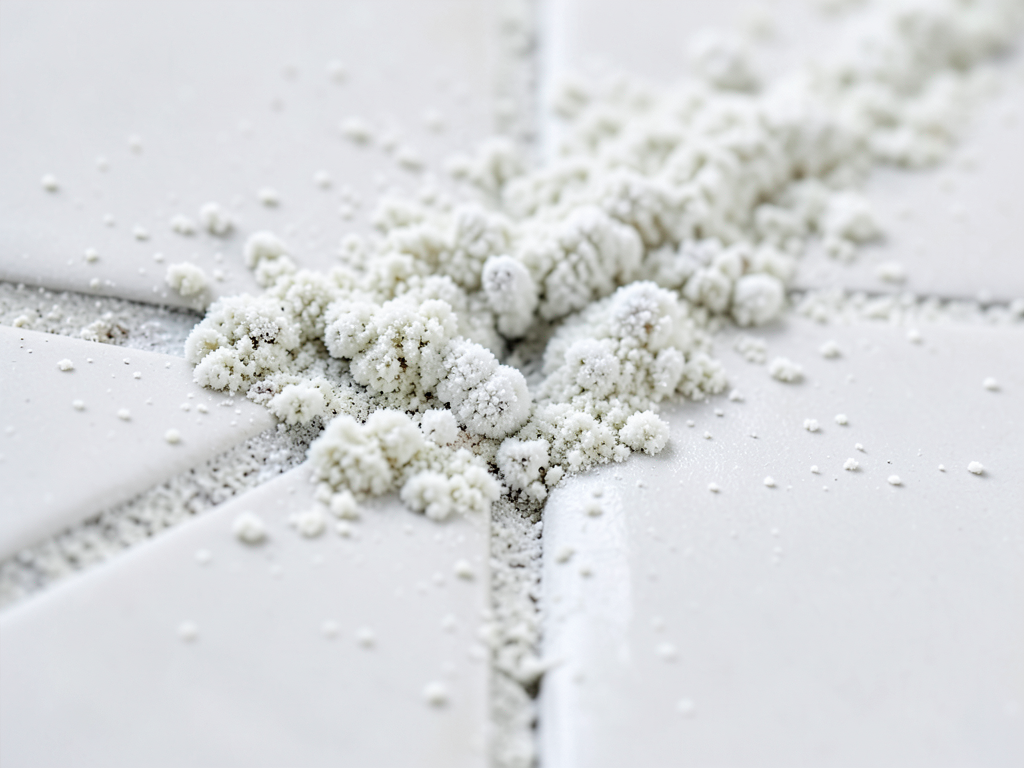
After a pipe bursts or your roof springs a leak in your University Park home the clock starts ticking. Within 24 to 48 hours moisture activates dormant spores turning a damp spot into either mildew or mold. Both are fungi but they pose very different risks to your health and your home. Mildew stays on the surface and looks like powdery white or gray spots. Mold digs deeper grows in fuzzy or slimy patches and often appears in dark greens or blacks. This guide shows you how to tell them apart and what to do next before a small problem becomes a major restoration project.. Read more about Catching a Slow Roof Leak in Your Attic Before It Destroys Your Ceiling in Zebulon.
The Quick Answer: Key Differences at a Glance
| Feature | Mildew | Mold |
|---|---|---|
| Texture | Powdery or downy | Fuzzy or slimy |
| Color | White, gray, yellow | Green, black, brown |
| Growth Depth | Surface only | Penetrates porous materials |
| Health Risk | Minor allergic irritation | Potential mycotoxins, severe reactions |
| Cleanup | Scrub with detergent | Professional remediation required |
Identifying Mildew: The Surface-Level Threat
Mildew grows fast in damp humid conditions. In Raleigh summers when relative humidity often exceeds 85 percent mildew can appear on bathroom tiles shower curtains and basement walls within 48 hours of a leak. It feels dry and powdery to the touch and wipes away with a cloth and all-purpose cleaner. Mildew rarely damages the material underneath and produces a mild musty odor. Because it stays on the surface it does not trigger the same structural concerns as mold. Still letting mildew linger can degrade indoor air quality and trigger allergy symptoms in sensitive individuals. Water Damage Restoration Cary.
Identifying Mold: The Structural Danger
Mold penetrates porous surfaces like drywall wood framing and carpet padding. After a leak in your University Park home mold can colonize unseen behind baseboards or under flooring. It feels fuzzy or slimy and often appears in irregular dark patches. Common species in the Triangle area include Aspergillus and Penicillium which produce allergens and irritants. Stachybotrys chartarum or black mold releases mycotoxins that can cause respiratory distress and neurological symptoms. Mold growth emits a strong musty odor and can cause warping buckling or discoloration of building materials. Because it spreads through spores mold requires containment and professional remediation under IICRC S520 standards.
The 24-48 Hour Window: Why Water Damage Leads to Growth
Moisture activates dormant spores already present in your home. In Raleigh’s humid climate spores germinate quickly. Within 24 hours a damp area can show early mildew. By 48 hours fuzzy mold colonies may appear if materials remain wet. This timeline applies to clean water events like a burst pipe. Gray water from appliances or black water from sewage shortens the window because contaminants accelerate microbial growth. The longer materials stay wet the deeper mold roots grow making removal harder and more expensive. That is why Silver Lining Water Damage Restoration responds within hours to extract water and begin drying before spores take hold. How to Choose the Best Water Restoration Company in Cary Without Getting Ripped Off.
Health Risks and Safety Precautions
Mildew exposure can cause sneezing coughing and itchy eyes in people with allergies. Mold exposure carries greater risks. Mycotoxins from certain mold species can trigger asthma attacks chronic sinus infections and in rare cases neurological symptoms. The EPA recommends professional remediation for any mold growth covering more than 10 square feet. If you see dark fuzzy growth or smell a strong musty odor do not disturb it. Disturbing mold releases spores into the air. Wear an N95 mask gloves and eye protection if you must enter the area and keep children and pets away. Call (984) 294-5900 for a professional inspection. EPA Mold Resources.
Professional Remediation vs. DIY
For mildew on non-porous surfaces like tile or glass you can scrub with a detergent solution and dry thoroughly. For mold on porous materials like drywall insulation or carpet padding DIY cleaning often spreads spores and leaves hidden colonies intact. Professional remediation includes moisture mapping with infrared cameras to find hidden damp spots HEPA air filtration to capture airborne spores and antimicrobial treatments to prevent regrowth. Silver Lining uses industrial dehumidifiers and air movers to bring materials below the 60 percent relative humidity threshold that mold needs to survive. We also coordinate with your insurance to document damage and streamline claims. High Indoor Humidity Levels.
Common Leak Sources in University Park Homes
University Park’s mix of mid-century and newer construction creates specific vulnerabilities. Older homes near Lassiter Mill Road may have aging copper supply lines prone to pinhole leaks. Homes backing to Crabtree Creek can experience foundation seepage during heavy rains. Modern slab-on-grade houses in the area often hide plumbing in concrete which makes slow leaks harder to detect until mold appears. HVAC condensate drain lines in attics can clog and drip onto ceiling drywall. Whatever the source quick water removal and thorough drying prevent mildew from turning into a mold infestation. What to Do When Your Brier Creek Office Floods Over the Weekend.
First Aid Steps for University Park Homeowners
- Stop the Water Source
Shut off the main valve or stop the leak if safe to do so.
- Remove Standing Water
Use towels mops or a wet vacuum to extract visible water. Who to Call for Emergency Water Damage in Downtown Raleigh at 3 AM.
- Increase Air Circulation
Open windows run fans and use portable dehumidifiers if power is safe.
- Document the Damage
Take photos and videos for insurance before moving items.
- Call for Professional Help
Contact Silver Lining Water Damage Restoration at (984) 294-5900 for rapid response.. Read more about Can Your Water Damaged Carpet Be Saved or Should You Rip It Out?.
Insurance Considerations in North Carolina
Most North Carolina homeowners policies cover sudden and accidental water damage like a burst pipe. They typically exclude long-term leaks that could have been prevented. Mold coverage is even more limited. Many policies cap mold remediation at $5 000 to $10 000 or exclude it entirely unless the mold resulted from a covered water loss. Document the damage and call your agent quickly. Silver Lining can provide the moisture readings and damage reports insurers need to process claims efficiently.. Read more about Who Pays for Water Damage Restoration in an NC State Area Rental?.
Preventing Future Growth in Your University Park Home
After remediation focus on keeping humidity below 60 percent. Use bathroom exhaust fans for 30 minutes after showers. Fix plumbing leaks promptly. Clean HVAC drip pans annually. In crawl spaces install a vapor barrier and use a dehumidifier if relative humidity stays high. Check your roof annually for missing shingles or flashing damage. Keep gutters clean so water drains away from the foundation. These steps reduce the moisture mold needs to grow and protect your investment in professional remediation.. Read more about Preventing AC Condensate Drain Line Leaks From Ruining Your Ceiling in South Park.
Why Silver Lining Water Damage Restoration
We bring IICRC-certified technicians to your University Park home within 60 minutes of your call. Our fleet carries industrial-grade extraction and drying equipment so we can begin work immediately. We use moisture meters and thermal imaging to find hidden damp areas and confirm drying progress with daily readings. Our containment procedures prevent spore spread to unaffected rooms. We coordinate directly with insurance adjusters so you spend less time on paperwork. When you see fuzzy growth or smell that musty odor call (984) 294-5900. Fast action now can save you thousands in repairs later. IICRC S520 Standards.
Frequently Asked Questions
Can I clean mold with bleach?
Bleach can discolor mold on non-porous surfaces but does not kill hyphae in porous materials. It can also release harmful fumes. Professional remediation is safer and more effective.
How long does professional mold remediation take?
Small projects under 100 square feet often take one to two days. Larger infestations requiring demolition and rebuild can take a week or more depending on material availability and insurance approval.
Will mold come back after remediation?
If moisture is not controlled mold can return. Professional remediation includes identifying and fixing the moisture source and applying antimicrobial treatments to resist regrowth.
Is mold testing necessary before cleanup?
Not always. If you see visible mold and have a known water source testing may delay needed remediation. Testing is more useful when mold is hidden or health symptoms are unexplained.. Read more about Hidden Signs Your Dishwasher Leak Is Causing Major Structural Damage in Your Clayton Kitchen.
What does mold smell like?
Mold produces a strong musty earthy odor. The smell often precedes visible growth and can linger in carpets fabrics and HVAC ducts.
Call Now to Protect Your University Park Home
Every hour you wait after a leak gives mold more time to spread. Whether you see fuzzy patches or just smell that telltale musty odor do not gamble with your home’s structure or your family’s health. Call (984) 294-5900 now for a free inspection and rapid response. Silver Lining Water Damage Restoration serves University Park and all of Raleigh with 24/7 emergency service. Pick up the phone and call (984) 294-5900 before the next storm hits.. Read more about Health Risks of Living in a Home With Unresolved Water Damage in Downtown Durham.