
Keeping Rainwater Out of Your Cameron Park Basement with Better Gutter Drainage
Water pooling around your Cameron Park home’s foundation isn’t just an inconvenience—it’s a warning sign. Raleigh’s heavy red clay soil combined with our region’s 46 inches of annual rainfall creates perfect conditions for basement flooding. When gutters clog or downspouts dump water too close to your foundation, hydrostatic pressure builds against basement walls, forcing water through even the smallest cracks. How to Choose the Best Water Restoration Company in Cary Without Getting Ripped Off.
The good news? Most basement water problems start with simple drainage failures that you can fix before they cause thousands in damage. This guide shows you exactly what’s happening under your Cameron Park home and how to stop water before it enters your basement. Who to Call for Emergency Water Damage in Downtown Raleigh at 3 AM.
Why Cameron Park Basements Are Especially Vulnerable
Cameron Park’s historic homes, built primarily between 1910 and 1940, sit on Wake County’s signature red clay soil. This expansive soil acts like a sponge during wet weather, swelling and creating tremendous pressure against foundation walls. When the soil dries, it shrinks away from the foundation, creating gaps where water can pool. Water Damage Restoration Cary.
Many Cameron Park homes feature older brick or stone foundations that were never designed for today’s heavy rainfall patterns. The combination of aged mortar joints, poor original drainage design, and modern storm intensity creates a perfect storm for water intrusion.. Read more about Why Your Anderson Heights Foundation Vents Might Be Letting Too Much Water In.
Local building patterns matter too. Cameron Park sits in a low-lying area near Crabtree Creek, where the water table can rise significantly during wet seasons. This means even homes with good surface drainage can experience groundwater pressure against basement walls. Local Experts for Mold Remediation and Water Damage in Five Points.
Common Gutter and Drainage Failures in Raleigh
Most basement flooding starts with one of these five gutter-related problems:. Read more about Surviving a Flash Flood Near Crabtree Valley Mall (A Homeowner’s Guide).
- Clogged gutters – Leaves and debris block water flow, causing overflow directly next to your foundation
- Inadequate downspout extensions – Standard 2-3 foot extensions don’t move water far enough from your home on sloped Cameron Park lots
- Sagging gutters – Weight from debris or age causes gutters to pull away from the fascia, creating overflow points
- Improper grading – Soil around your foundation slopes toward the house instead of away, directing water to your basement
- Missing splash blocks – Downspouts dump water onto bare soil, creating erosion channels back toward your foundation
During a typical Raleigh thunderstorm, a 1,500 square foot roof sheds about 900 gallons of water. If your gutters can’t handle this volume or direct it properly away from your home, that water has to go somewhere—often through your basement walls.. Read more about Preparing Your Raleigh Home for the Next Big Hurricane Season.
DIY Gutter Inspection and Maintenance
Before calling professionals, perform this simple inspection to identify obvious problems:. Read more about Checking Your Sump Pump Before the Next Raleigh Rainstorm.
- Check for Overflow
During the next heavy rain, watch your gutters from ground level. If you see water cascading over the sides, your gutters are either clogged or undersized for your roof area.
- Test Downspout Flow
Run a garden hose into your gutters and check each downspout. Water should flow freely within 30 seconds. If it backs up, you have a clog somewhere in the system.
- Measure Extension Length
Check that each downspout has at least a 6-foot extension on level ground, or longer on sloped Cameron Park lots where water can travel downhill toward your home.
- Inspect for Sagging
Look for sections where gutters pull away from the fascia board. Even a 1/2-inch gap can cause significant overflow during heavy rain.
Clean your gutters at least twice yearly—more often if you have mature trees nearby. Cameron Park’s oak and maple trees drop leaves that can quickly overwhelm standard gutter guards.
Professional Drainage Solutions That Actually Work
When DIY fixes aren’t enough, these professional solutions address the root causes of basement water problems:. Read more about The Problems with DIY Pressure Washing and Siding Leaks in Southwest Raleigh.
French Drain Installation
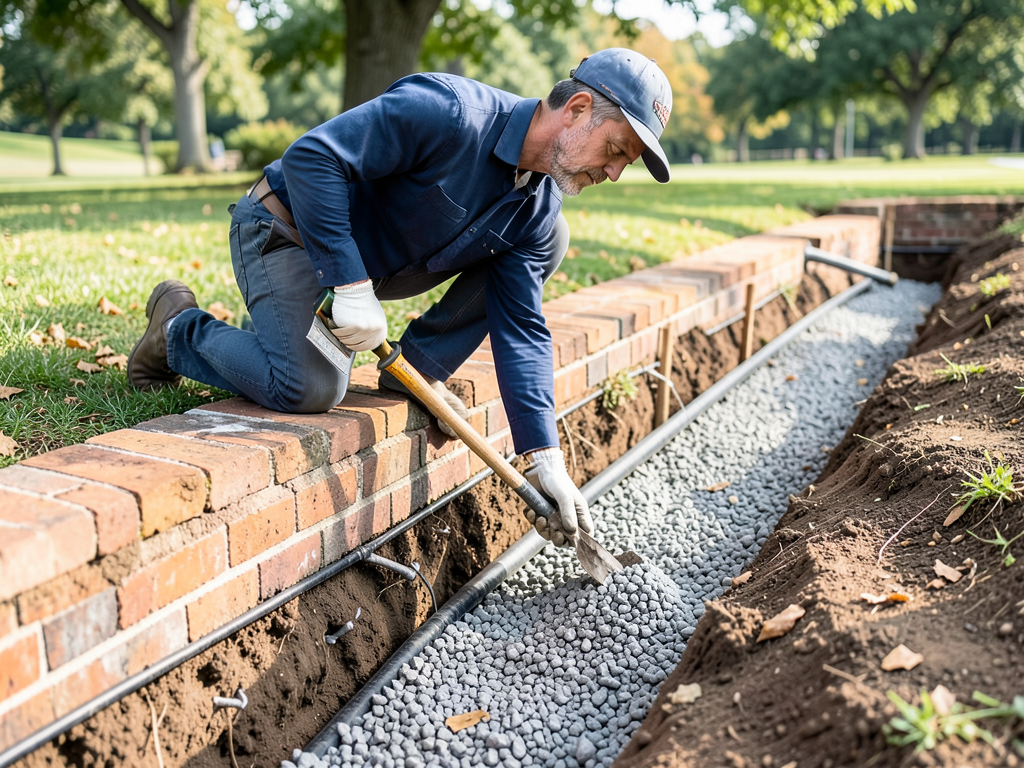
A properly installed French drain creates a gravel-filled trench with perforated pipe that collects and redirects groundwater away from your foundation. For Cameron Park homes, we typically install these along the foundation’s perimeter, connecting to a surface drain or dry well.
The key difference in our approach: we use filter fabric to prevent red clay from clogging the system and oversize the gravel bed to handle Raleigh’s intense rainfall events. Standard French drains often fail within 3-5 years in our soil conditions.
Sump Pump Systems
For homes with chronic groundwater issues, a sump pump provides active water removal. We recommend battery backup systems since North Carolina’s hurricane season often brings power outages when you need protection most.
Modern sump pumps include water level sensors that alert you via smartphone when water rises or the pump fails. This early warning can prevent the catastrophic flooding that occurs when a pump dies during a multi-day storm.
Foundation Grading and Regrading
Sometimes the problem isn’t your gutters but the slope of your yard. We use laser leveling equipment to ensure a minimum 6-inch drop in elevation within the first 10 feet from your foundation. This simple adjustment can reduce basement water intrusion by 70% or more.
For Cameron Park’s older homes, we often discover that decades of settling have reversed the original positive grade. Restoring proper slope requires careful excavation to avoid damaging mature landscaping while achieving effective drainage.
Raleigh Building Codes and Permit Requirements
Major drainage modifications in Raleigh require permits through the City of Raleigh Development Services. For French drains or significant grading changes, you’ll need:
- A drainage plan showing how water will be redirected
- Proof that your solution won’t create problems for neighboring properties
- Compliance with the City of Raleigh’s stormwater management regulations
According to Raleigh Municipal Code Section 10-2013, homeowners must ensure that any drainage improvements don’t direct water onto public property or create erosion hazards. This means French drains often need to connect to the city’s storm sewer system or a properly designed dry well.
For sump pump installations, the North Carolina State Building Code requires that discharge pipes exit at least 10 feet from the foundation and direct water to a suitable drainage area. Discharging onto sidewalks or streets violates local ordinances and can result in fines.
Cost Comparison: Prevention vs. Restoration
| Solution | Typical Cost Range | Expected Lifespan | ROI vs. Water Damage |
|---|---|---|---|
| Gutter cleaning/maintenance | $150-300 annually | NA | Prevents 60-80% of issues |
| French drain installation | $3,000-8,000 | 15-20 years | 90% prevention rate |
| Sump pump system | $1,500-3,500 | 7-10 years | Essential for high water table |
| Foundation repair after flooding | $5,000-15,000+ | NA | Cost of damage + repair |
| Mold remediation | $2,000-10,000 | NA | Health risks + property damage |
Seasonal Maintenance Calendar for Cameron Park Homes
Timing your maintenance with Raleigh’s seasons maximizes effectiveness:
- Late Winter (February) – Inspect gutters before spring storms; clear winter debris
- Early Spring (March-April) – Clean gutters thoroughly; check for winter damage
- Late Spring (May) – Test downspouts; ensure extensions are properly positioned
- Summer (June-August) – Monitor during heavy thunderstorms; check for overflow
- Early Fall (September) – Clear summer debris; prepare for hurricane season
- Late Fall (November) – Final cleaning before winter; check for ice dam potential
Hurricane season preparation is especially critical for Cameron Park homes. August through October brings our highest rainfall totals and strongest storms. Test your entire drainage system in early August before peak hurricane season hits. EPA flooding information.
Warning Signs You Need Professional Help Now
Certain symptoms indicate your basement water problem has progressed beyond DIY solutions:
- Efflorescence on basement walls – White, chalky deposits show water is already penetrating your foundation
- Musty odors – Indicates mold growth from chronic moisture exposure
- Cracks in basement walls – Growing cracks suggest structural stress from hydrostatic pressure
- Standing water after light rain – Your yard can’t absorb normal rainfall amounts
- Previous flooding history – Past events predict future problems without intervention
If you notice any of these signs, don’t wait for the next storm. Water damage compounds quickly, and what starts as a minor leak can become a major structural problem within a single wet season.
Case Study: Cameron Park Success Story
A 1925 Craftsman home on Groveland Avenue experienced basement flooding during every heavy rain. The homeowners noticed water seeping through the northwest corner where hydrostatic pressure was highest.
Our inspection revealed: clogged gutters, undersized downspout extensions, and negative grading toward the foundation. We installed a French drain system with oversized gravel for red clay conditions, extended all downspouts to 10-foot lengths, and regraded the foundation perimeter.
Result: Zero basement water intrusion during the following hurricane season, including during Hurricane Florence-level rainfall. The homeowners saved an estimated $8,000 in potential damage costs in just one storm season.
Frequently Asked Questions
How much does professional gutter drainage improvement cost in Raleigh?
Professional gutter and drainage improvements typically range from $1,500 to $8,000 depending on your home’s size and the complexity of the solution needed. French drains cost more upfront but prevent far more expensive water damage.
Can I install a French drain myself?
While DIY French drains are possible, they often fail in Raleigh’s red clay soil. Professional installation includes proper filter fabric, correct pipe sizing for our rainfall intensity, and connection to appropriate discharge points that comply with local codes.
How long does it take to install a complete drainage system?
Most residential drainage projects take 2-4 days for installation. French drains and sump pump systems require excavation and proper grading, while gutter improvements can often be completed in a single day.
Will improving my drainage affect my landscaping?
Professional drainage work can be done with minimal landscape impact. We use trenchless technology where possible and carefully restore sod and plantings after installation. The temporary disruption is far less costly than water damage to your home’s structure. Retail Store Water Cleanup.
Do I need a permit for drainage improvements in Cameron Park?
Major drainage modifications like French drains typically require permits from the City of Raleigh. Minor gutter repairs and downspout extensions usually don’t need permits, but it’s best to check with Development Services for your specific project.
Take Action Before the Next Storm
Water doesn’t wait for convenient timing. The next heavy rain or hurricane could be the one that floods your basement and causes thousands in damage. While this guide helps you understand the problems and solutions, professional assessment ensures you get the right fix for your specific situation.
Don’t let another storm season pass without protecting your Cameron Park home. Our team understands the unique challenges of Raleigh’s red clay soil and historic home construction. We provide free inspections to identify your specific vulnerabilities and recommend cost-effective solutions.
Call (984) 294-5900 today to schedule your inspection. We’ll show you exactly what’s causing your water problems and provide a clear plan to keep your basement dry—before the next storm hits.
Pick up the phone and call (984) 294-5900 now. Your basement’s protection can’t wait until the next heavy rain turns into a flooding emergency. For more information, visit FEMA home flood protection tips.