
Using Thermal Imaging to Find Secret Leaks in Your Lochmere Home
Hidden water leaks can cause thousands of dollars in damage before you ever see a drop of water. In Lochmere, where many homes feature slab foundations and mature plumbing systems, these secret leaks often hide behind walls, under floors, or within concrete slabs. Thermal imaging technology now allows professional leak detection specialists to find these problems without tearing apart your home. How to Choose the Best Water Restoration Company in Cary Without Getting Ripped Off.
Thermal cameras detect temperature differences as small as 0.1 degrees Fahrenheit, revealing moisture patterns that indicate active leaks. This non-invasive approach saves Lochmere homeowners from unnecessary demolition and provides accurate leak locations before any repair work begins. EPA WaterSense program.
How Thermal Imaging Detects Hidden Moisture
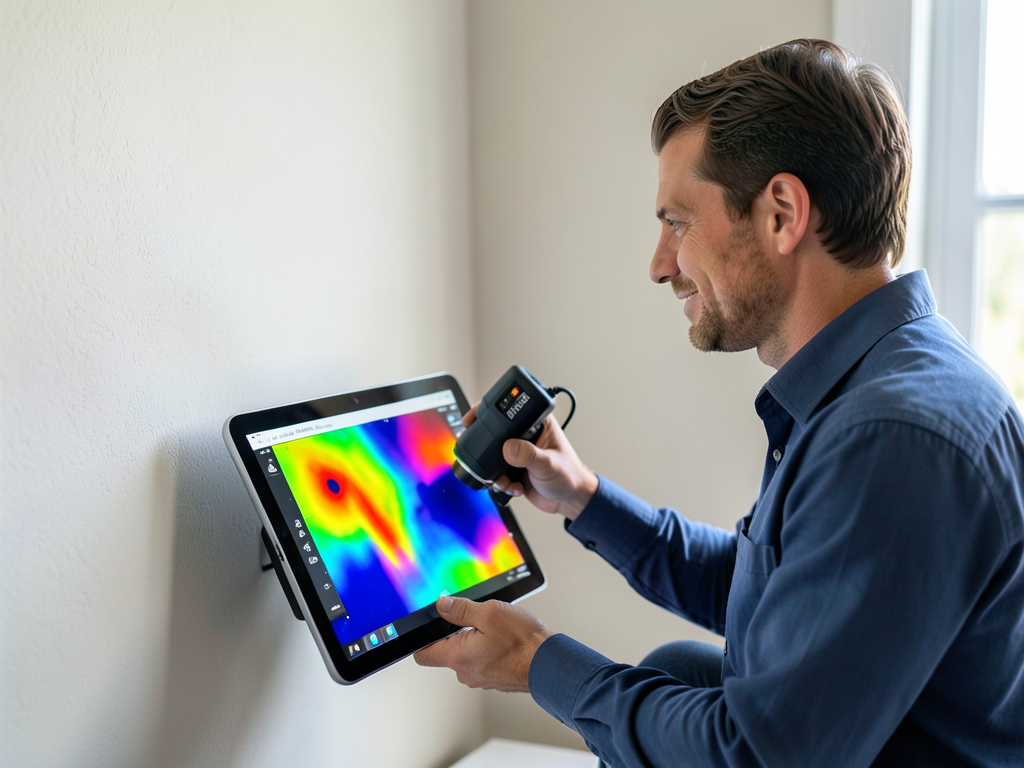
Thermal imaging cameras work by detecting infrared radiation emitted by objects. When water leaks into building materials, it creates temperature variations that show up clearly on thermal scans. Wet drywall appears cooler than dry drywall because water absorbs and releases heat differently than building materials. Who to Call for Emergency Water Damage in Downtown Raleigh at 3 AM.
Professional thermal imaging reveals several key moisture indicators:
- Cool spots behind walls where water has accumulated
- Temperature gradients showing water flow paths
- Moisture patterns around plumbing fixtures and pipes
- Foundation temperature variations indicating slab leaks
The technology works best when there’s a 10-15 degree temperature difference between the inside and outside of your home. This makes fall and winter ideal seasons for thermal leak detection in Lochmere.
Common Leak Sources in Lochmere Homes
Lochmere’s mix of mid-century and newer construction creates unique leak detection challenges. Many homes built in the 1970s-1990s used copper piping that’s now reaching the end of its service life. The area’s clay soil also contributes to foundation movement that stresses plumbing connections.
Typical leak sources we find using thermal imaging include:
- Supply Line Leaks
Hot water supply lines often show as warm spots on thermal scans. These leaks can waste hundreds of gallons monthly before causing visible damage. Water Damage Restoration Cary.
- Slab Foundation Leaks
Concrete slabs develop temperature variations when water flows underneath. Thermal imaging reveals these patterns without drilling test holes.
- Behind-Wall Plumbing
Shower valves, toilet connections, and pipe joints hidden in walls show moisture accumulation through temperature differences.
- Roof and Ceiling Leaks
Water intrusion from roof damage creates cool spots on ceilings and walls that thermal cameras detect immediately.
The Diagnostic Process: What to Expect
Professional leak detection using thermal imaging follows a systematic approach. Our technicians arrive with FLIR thermal cameras, moisture meters, and acoustic listening devices to provide comprehensive leak assessment. FLIR thermal cameras.
The diagnostic process typically includes:
- Initial visual inspection for moisture stains, mold growth, or structural damage
- Thermal scanning of all interior walls, floors, and ceilings
- Moisture meter verification of thermal findings
- Acoustic listening for active water flow sounds
- Pressure testing of suspect plumbing lines
- Detailed report with leak locations and severity assessment
Most comprehensive leak detection scans take 2-4 hours depending on home size. We provide homeowners with color-coded thermal images showing exact leak locations and recommended repair approaches.
Why Lochmere Homes Are Prone to Hidden Leaks
Lochmere’s location in Cary places it in an area with specific geological and construction characteristics that increase leak risks. The region’s clay soil expands and contracts with moisture changes, putting stress on underground pipes and foundation connections.
According to the North Carolina Plumbing Code Section 305.3, homes must maintain specific pressure levels in their water supply systems. However, many older Lochmere homes have pressure regulators that no longer function properly, creating stress on aging pipes.
The area’s water chemistry also plays a role. Cary’s water supply contains minerals that can accelerate corrosion in older copper pipes. Homes built before 1980 often have pipe interiors corroded to half their original thickness, making them vulnerable to pinhole leaks.
Thermal Imaging vs. Traditional Detection Methods
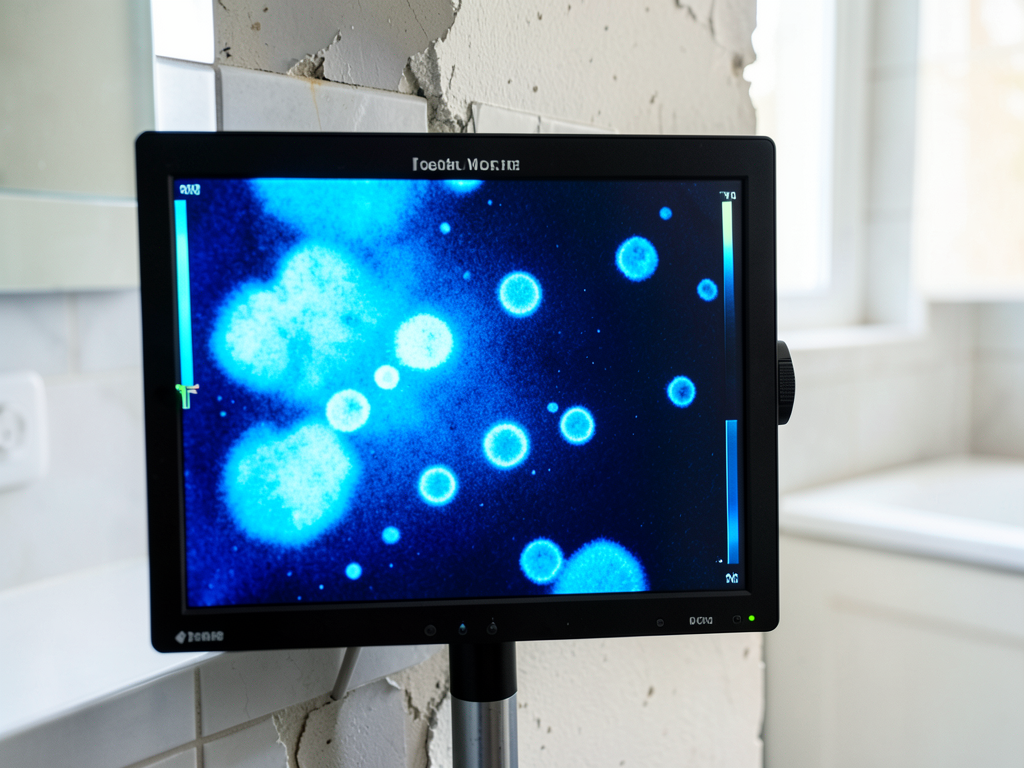
Traditional leak detection often requires demolition to access suspect areas. This approach destroys drywall, flooring, or landscaping before confirming a leak exists. Thermal imaging eliminates this guesswork.
Here’s how thermal imaging compares to other detection methods:
| Detection Method | Accuracy | Damage Risk | Cost Range | Best For |
|---|---|---|---|---|
| Thermal Imaging | 95% | None | $350-650 | Hidden leaks, moisture mapping |
| Acoustic Detection | 85% | Minimal | $250-450 | Active leaks, pipe location |
| Destructive Testing | 100% | High | $150-300 per opening | Confirmed leak locations |
| Tracer Gas | 90% | Minimal | $400-700 | Small, slow leaks |
Thermal imaging provides the best balance of accuracy, cost, and non-destructive testing for most Lochmere homeowners.
Signs You Need Professional Leak Detection
Many Lochmere homeowners don’t realize they have a leak until significant damage occurs. Watch for these warning signs that indicate it’s time to call for thermal imaging leak detection:
- Unexplained increases in water bills (10%+ higher than normal)
- Musty odors that persist despite cleaning
- Warm spots on floors over slab foundations
- Cracking or bubbling paint on walls
- Mildew growth in unusual locations
- Low water pressure throughout the house
- Sound of running water when all fixtures are off
According to the EPA’s WaterSense program, household leaks waste nearly 1 trillion gallons of water annually nationwide. In Lochmere’s water-conscious community, finding and fixing leaks quickly protects both your property and the environment. Finding Reliable 24 Hour Water Damage Restoration in Wake Forest.
The Cost of Ignoring Hidden Leaks
Small leaks can cause catastrophic damage over time. A pinhole leak dripping just one ounce of water per minute wastes 3,000 gallons annually and creates moisture levels that support mold growth within 24-48 hours.
Common consequences of untreated leaks include:
- Structural wood rot requiring $5,000-15,000 in repairs
- Foundation damage from soil expansion ($10,000-30,000 to repair)
- Mold remediation costs averaging $2,000-6,000
- Decreased property values from water damage history
- Higher utility bills continuing until repairs are made
Early detection through thermal imaging typically costs $350-650 but can save homeowners $10,000-50,000 in repair costs by catching problems early.
What Happens After Leak Detection
Finding the leak is only the first step. Professional leak detection companies provide complete solutions including repair coordination and water damage restoration if needed.
The typical process after thermal imaging discovery includes:
- Detailed repair recommendations with cost estimates
- Coordination with licensed plumbers for repairs
- Water damage assessment if moisture has spread
- Drying and dehumidification if needed
- Mold prevention treatments
- Final moisture verification testing
Many Lochmere homeowners insurance policies cover leak detection and subsequent repairs if the leak causes damage. Our team helps document findings for insurance claims and works directly with adjusters to streamline the process.
Choosing a Professional Leak Detection Service
Not all leak detection services are created equal. Look for companies with specific qualifications and equipment for thermal imaging work.
Key qualifications to verify:
- IICRC certification in water damage restoration
- FLIR thermal camera certification
- North Carolina state contractor licensing
- Professional liability insurance coverage
- Local references from Lochmere and Cary area
Experience matters significantly in leak detection. Technicians should have at least 5 years of experience with thermal imaging specifically, not just general plumbing experience.
Preventing Future Leaks
After addressing current leaks, prevention becomes critical. Lochmere homes benefit from specific maintenance approaches based on local conditions. Local Experts for Mold Remediation and Water Damage in Five Points.
Preventive measures include:
- Annual pressure testing of plumbing systems
- Water softener installation to reduce mineral buildup
- Regular inspection of visible plumbing connections
- Foundation monitoring for movement or cracking
- Professional thermal scans every 2-3 years as preventive maintenance
Many Lochmere homeowners schedule annual leak detection as part of their home maintenance routine, similar to HVAC servicing or gutter cleaning.
Emergency Response for Active Leaks
When you discover an active leak, immediate action prevents further damage. Our emergency response team arrives within 60 minutes for Lochmere locations.
Emergency steps include:
- Water shutoff to prevent additional damage
- Initial moisture mapping with thermal imaging
- Water extraction if standing water exists
- Setup of commercial dehumidifiers and air movers
- Daily monitoring until drying is complete
Quick response is critical. Mold can begin growing within 24-48 hours of water exposure, making fast leak detection and water removal essential for preventing secondary damage.
Frequently Asked Questions
How accurate is thermal imaging for finding leaks?
Professional thermal imaging detects moisture with 95% accuracy when performed by certified technicians. The technology identifies temperature differences as small as 0.1 degrees Fahrenheit, making it highly effective for finding hidden leaks.
Can I use my smartphone camera to find leaks?
Smartphone cameras cannot detect the infrared spectrum needed for thermal imaging. Professional FLIR cameras cost $3,000-10,000 and require specialized training to interpret results accurately.
How long does a leak detection scan take?
Most residential leak detection scans take 2-4 hours depending on home size and complexity. Larger homes or commercial properties may require 6-8 hours for comprehensive scanning.
Will thermal imaging damage my walls or floors?
No. Thermal imaging is completely non-invasive and causes no damage. The camera only reads infrared radiation emitted by objects, similar to how a thermometer works.
What’s the difference between thermal imaging and moisture meters?
Thermal imaging detects temperature differences that indicate moisture, while moisture meters directly measure water content in materials. We use both tools together for comprehensive leak detection.
How much does professional leak detection cost?
Professional leak detection using thermal imaging typically costs $350-650 for most Lochmere homes. Complex commercial properties or extensive scanning may cost more.
Will my insurance cover leak detection?
Many homeowners insurance policies cover leak detection if there’s visible damage or high water bills indicating a problem. We provide documentation for insurance claims and work with most major carriers.
How soon can you arrive for emergency leak detection?
Our emergency response team arrives within 60 minutes for Lochmere and surrounding Cary areas. We offer 24/7 emergency service for active leaks causing damage.
What should I do while waiting for the leak detection technician?
Turn off the main water supply if possible, move valuables away from suspected leak areas, and avoid walking on wet floors to prevent spreading moisture. Take photos of any visible damage for insurance purposes.
Can thermal imaging find mold?
Thermal imaging doesn’t directly detect mold, but it identifies moisture patterns where mold commonly grows. Combined with moisture meters, we can identify high-risk areas for mold development.
Do you provide repair services after finding leaks?
Yes. We coordinate with licensed plumbers for repairs and provide complete water damage restoration services if needed. Our team handles everything from detection through final repairs.
How often should I have leak detection done?
We recommend thermal imaging leak detection every 2-3 years for preventive maintenance, or immediately if you notice any warning signs like high water bills or musty odors.
Can you detect leaks under concrete slabs?
Yes. Thermal imaging is excellent for finding slab leaks. We can detect temperature variations under concrete that indicate water flow, without any destructive testing.
What areas do you serve?
We serve Lochmere and all of Cary, including surrounding areas like Preston, MacGregor Downs, and the broader Research Triangle region.
How do I schedule leak detection service?
Call (984) 294-5900 today to schedule your leak detection service. We offer same-day appointments for most Lochmere locations and emergency service available 24/7.
Don’t wait for a small leak to become a major disaster. Call (984) 294-5900 today to schedule your thermal imaging leak detection service. Our certified technicians will find hidden leaks quickly and provide complete solutions to protect your Lochmere home.