
Managing a Multi-Floor Water Leak in a Bedford Townhome
A multi-floor water leak in your Bedford townhome requires immediate action and specialized knowledge of Raleigh’s building codes and HOA regulations. When water migrates through shared firewalls and plumbing stacks every hour counts toward preventing structural damage and mold growth in adjacent units. Raleigh Building Code Requirements.
The first 24 hours determine whether you face a simple cleanup or a complex restoration project involving multiple insurance carriers and building permits. Understanding the unique challenges of townhome construction in Raleigh’s humid climate helps you make informed decisions during this critical window.
Emergency Response Steps for Bedford Townhome Owners
When water appears on multiple floors shut off the main water supply immediately and document everything with photos before cleanup begins. Contact your HOA management company to report the incident as shared walls and plumbing may affect neighboring units. How to Choose the Best Water Restoration Company in Cary Without Getting Ripped Off.
Time-sensitive actions include removing standing water within the first hour setting up containment barriers to prevent cross-contamination and beginning moisture mapping to identify hidden water migration paths through party walls and ceiling assemblies. Who to Call for Emergency Water Damage in Downtown Raleigh at 3 AM.
Understanding Townhome Water Migration Patterns
Water travels through Bedford townhomes following the path of least resistance often moving horizontally through shared firewalls before gravity pulls it downward. The Carolina red clay soil surrounding many Raleigh townhomes creates hydrostatic pressure that can force water through foundation cracks during heavy rains. Water Damage Restoration Cary.
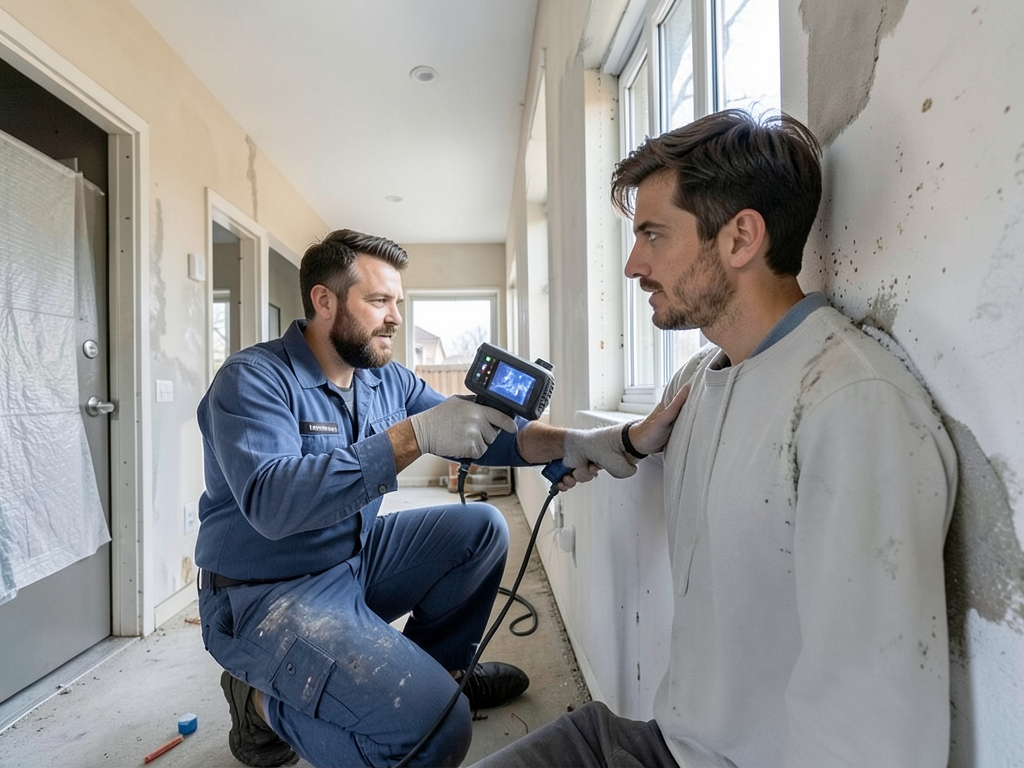
Common migration paths include plumbing stacks that run vertically through multiple units shared attic spaces above firewalls and HVAC ductwork that creates hidden channels for water movement. Thermal imaging reveals temperature differentials that indicate moisture presence behind walls where visual inspection cannot reach.
Navigating Raleigh HOA Insurance Coordination
Bedford townhome associations typically maintain a master policy covering common elements like firewalls roof structures and shared plumbing lines. Individual HO-6 policies cover interior finishes and personal property within unit boundaries creating potential coverage gaps when water crosses these invisible lines.
Document the exact origin point of the leak as this determines liability between the homeowner’s policy the HOA master policy and potentially the neighbor’s insurance if the source unit is identified. Most Raleigh HOAs require immediate notification of water incidents to prevent coverage disputes.
IICRC S500 Standards for Multi-Family Restoration
The Institute of Inspection Cleaning and Restoration Certification establishes specific protocols for townhome restoration under S500 standards. Category 3 water from sewage backups requires complete removal of porous materials within shared wall cavities while Category 2 water from appliance failures may allow selective drying of structural components.
Psychrometric monitoring becomes critical in multi-floor units where humidity stratification affects drying efficiency. Dehumidifiers must maintain specific vapor pressure differentials to prevent condensation on cool surfaces within shared wall assemblies. High Indoor Humidity Levels.
Shared Wall Drying Protocols and Party Wall Considerations
Drying shared firewalls requires creating access points at regular intervals to ensure complete moisture removal from both sides of the assembly. Raleigh building codes mandate specific fire-rated assemblies between townhome units which also create vapor barriers that trap moisture if not properly addressed.
Moisture meters with extended probes measure wall cavity humidity at multiple depths typically requiring readings at 1-inch 2-inch and 4-inch intervals to map the full extent of water migration. Baseboard removal provides access for wall cavity drying equipment without compromising structural integrity.
Structural Drying for Multi-Level Townhome Layouts
Multi-story drying presents unique challenges in Bedford townhomes where limited exterior access restricts equipment placement. Portable desiccant dehumidifiers offer higher moisture removal capacity per square foot compared to conventional refrigerant units making them ideal for confined townhome spaces.
Air movement patterns must account for stairwell effects that create chimney-like drafts potentially spreading moisture to upper levels. Strategic placement of air movers creates controlled circulation patterns that direct moist air toward dehumidification equipment rather than allowing random migration.
Mold Prevention in High-Density Raleigh Housing
Raleigh’s year-round humidity creates ideal conditions for mold growth within 24-48 hours of water exposure. The combination of shared wall construction and limited ventilation in townhomes accelerates microbial amplification compared to detached single-family homes.
Antimicrobial treatments applied during the drying process prevent mold establishment in hard-to-reach areas like wall cavities and under flooring. HEPA filtration during demolition and drying phases captures airborne spores that could spread to adjacent units through shared HVAC systems.
Legal and Liability Considerations for Adjacent Units
When water originates in one unit but affects multiple townhomes liability determination follows specific subrogation principles. The responsible party’s insurance typically covers damages to other units but documentation of the leak source becomes critical for claim resolution.
North Carolina insurance regulations require prompt notification to all affected parties and failure to report water damage promptly may result in coverage denial. Most Raleigh HOAs maintain emergency contact lists specifically for water-related incidents. North Carolina Department of Insurance.
Rapid Response Equipment and Technology
Modern water damage restoration relies on specialized equipment that can detect and remove moisture from areas invisible to the naked eye. Thermal imaging cameras identify temperature variations indicating moisture presence behind walls while moisture meters provide quantitative data for drying progress documentation.
High-volume water extractors remove standing water at rates up to 100 gallons per minute significantly reducing drying time compared to traditional methods. Injectidry systems force dry air into wall cavities through small access holes eliminating the need for extensive demolition in many cases.
Documentation and Insurance Claim Support
Comprehensive documentation includes moisture mapping drying logs and photographic evidence of damage progression. This documentation supports insurance claims by demonstrating the extent of damage and the necessity of specific restoration procedures.
Daily monitoring reports track humidity levels temperature and moisture content in affected materials. These reports provide objective evidence of drying progress and help justify equipment usage and labor costs to insurance adjusters.
Post-Restoration Verification and Quality Assurance
Final moisture readings must confirm that all affected materials have returned to pre-loss conditions before reconstruction begins. This verification process typically requires 48-72 hours of stable readings below established thresholds for wood drywall and other building materials.
Third-party verification by certified inspectors provides additional assurance that restoration meets industry standards. Many insurance companies require this independent verification before releasing final claim payments.
Preventative Measures for Future Protection
Installation of water detection systems in high-risk areas like laundry rooms and under kitchen sinks provides early warning of future leaks. These systems can automatically shut off water supply when moisture is detected preventing extensive damage.
Regular inspection of plumbing connections appliance hoses and roof penetrations identifies potential failure points before they cause damage. Many Bedford townhome owners schedule annual plumbing inspections as part of their maintenance routine.
Local Building Code Requirements for Repairs
Raleigh building codes require permits for most restoration work involving structural elements electrical systems or plumbing modifications. The North Carolina Residential Code specifies minimum requirements for fire-rated assemblies which must be maintained or upgraded during restoration.
Shared wall repairs must comply with both current building codes and the original construction standards. This often requires engineering assessment to ensure that replacement materials provide equivalent fire resistance and structural integrity.
Choosing the Right Restoration Partner
Look for IICRC certification local references and experience with multi-family restoration projects. The right restoration company understands the complexities of townhome construction and can coordinate effectively with HOAs insurance companies and neighboring residents. IICRC S500 Standards.
24/7 availability becomes critical when water damage occurs outside normal business hours. Response time directly impacts the extent of damage and the overall restoration cost.
Cost Factors and Insurance Considerations
Restoration costs vary based on the extent of damage the type of materials affected and the complexity of the drying process. Shared wall restoration typically costs 30-50% more than single-unit damage due to the additional labor and equipment required.
Insurance coverage depends on the cause of the leak and the specific terms of your policy. Sudden and accidental damage is typically covered while gradual leaks or maintenance-related issues may be excluded.
Emergency Contact Information
Keep emergency contact numbers readily available including your HOA management company insurance agent and a trusted restoration company. Quick access to these contacts can save valuable time during a water emergency.
Consider creating a water emergency response plan that includes shut-off valve locations important phone numbers and basic steps to take when water damage occurs.
Frequently Asked Questions
How quickly should I respond to a multi-floor water leak in my Bedford townhome?
Immediate response within the first hour is critical. Shut off the main water supply document the damage with photos and contact your HOA and restoration professionals immediately. Every hour of delay increases the risk of mold growth and structural damage.
Who is responsible for water damage in shared wall townhomes?
Responsibility depends on the leak source and your HOA’s governing documents. The master policy typically covers common elements like firewalls while individual HO-6 policies cover interior finishes. When water crosses unit boundaries multiple insurance carriers may be involved.
What makes townhome water damage different from single-family home restoration?
Townhome restoration involves shared walls multiple insurance policies and potential impact on neighboring units. The drying process must account for fire-rated assemblies limited access for equipment and the need to prevent moisture migration to adjacent properties.
Call for Immediate Assistance
Water damage in your Bedford townhome requires immediate professional attention to prevent further damage and protect your investment. Our team understands the unique challenges of multi-floor townhome restoration and can coordinate with your HOA and insurance company to streamline the recovery process.
Don’t wait for the damage to spread through shared walls and affect your neighbors. Call (984) 294-5900 now for 24/7 emergency response. Our certified technicians are ready to begin water extraction and structural drying within 60 minutes of your call.
Time is critical when managing multi-floor water leaks in Bedford townhomes. Every hour of delay increases restoration costs and the risk of mold growth in your unit and adjacent properties. Pick up the phone and call (984) 294-5900 before the next storm hits or the next pipe fails.