
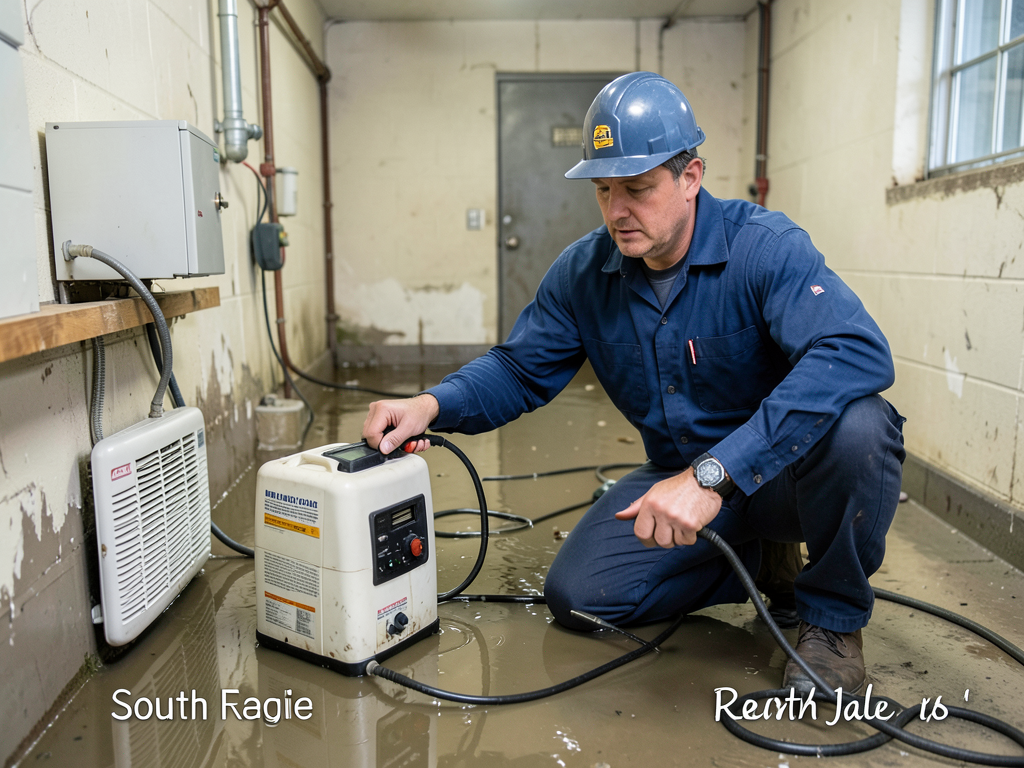
What to Do When Your Climate-Controlled Storage Unit Floods in South Raleigh
When water floods your climate-controlled storage unit in South Raleigh, panic sets in fast. Your mind races through irreplaceable items, electronics, and family heirlooms sitting in that 10×10 space off Tryon Road. The humid Triangle air makes every minute count as moisture begins its silent work on paper documents and wooden furniture. How to Choose the Best Water Restoration Company in Cary Without Getting Ripped Off.
The first 24 hours determine whether you salvage most of your belongings or face a total loss. South Raleigh’s unique combination of heavy summer thunderstorms and aging commercial drainage systems creates a perfect storm for storage unit flooding. Your immediate actions matter more than you realize.
Understanding South Raleigh’s Storage Unit Flood Risks
South Raleigh’s geography near Walnut Creek and the Neuse River floodplain creates specific vulnerabilities. The area’s heavy Carolina red clay retains moisture around foundations, while older commercial buildings along Tryon Road often have outdated drainage systems from the 1980s and 1990s. What to Do When Your Brier Creek Office Floods Over the Weekend.
Climate-controlled units aren’t immune to flooding. These systems maintain temperature and humidity but don’t prevent water intrusion from roof leaks, foundation cracks, or overwhelmed floor drains. During hurricane season, even units several feet above ground level can experience water damage from flash flooding. Who to Call for Emergency Water Damage in Downtown Raleigh at 3 AM.
The 2020 Wake County flood mapping shows South Raleigh has a 20% annual chance of experiencing flash flooding events. This means your storage unit faces significant risk every year, especially during June through November.
Who Pays for Water Damage in Your Storage Unit?
Understanding liability determines whether you face thousands in losses or receive full compensation. Storage facilities typically include clauses in their contracts limiting their responsibility for water damage, often citing ‘Acts of God’ or ‘tenant negligence.’. Read more about Spotting Water Damage in a Vacant Rental Property in the Avent Ferry Area.
Your homeowner’s or renter’s insurance policy may cover off-premises storage, but coverage limits vary. Many policies cap off-site storage coverage at 10% of your total personal property limit. A $200,000 home policy might only cover $20,000 in storage unit contents.
The facility’s commercial insurance rarely covers tenant belongings unless negligence can be proven. If a roof leak or broken pipe causes damage, you must demonstrate the facility knew about the problem and failed to repair it.. Read more about Financing Your Water Damage Restoration When Insurance Does Not Cover the Whole Bill.
North Carolina insurance regulations require facilities to disclose their liability limitations in writing. If you didn’t receive this disclosure, you might have grounds for a claim against the facility’s insurance. North Carolina Department of Insurance.
Immediate Steps After Discovering Water Damage
Time becomes your enemy once water enters your storage unit. Mold begins growing within 24-48 hours in South Raleigh’s humid climate. Your immediate actions determine salvage success.
- Document Everything
Take timestamped photos and videos of all water damage before touching anything. Capture the water source if visible, water levels on walls, and individual items showing damage.
- Notify the Facility Manager
Report the damage immediately in writing. Request their insurance information and ask about their emergency response procedures. Keep copies of all communications.
- Review Your Insurance Policy
Locate your policy documents or contact your insurance agent. Understand your coverage limits, deductibles, and required documentation for claims.
- Inventory Damaged Items
Create a detailed list of damaged items including purchase dates, approximate values, and replacement costs. Include receipts if available.
- Prevent Further Damage
Move undamaged items to higher ground if possible. Use fans or dehumidifiers if electricity is safe. Do not discard damaged items until approved by your insurance adjuster.. Read more about Hiring a Public Adjuster vs a Water Restoration Company (Which One Should You Call First?).
The documentation phase proves crucial for insurance claims. Most adjusters require proof of ownership and value for items over $500. Without receipts or photos from when items were stored, you might only receive actual cash value rather than replacement cost.
Common Causes of Storage Unit Flooding in South Raleigh
Understanding the cause helps determine liability and prevention strategies. South Raleigh storage facilities face unique challenges from the area’s climate and aging infrastructure.
Roof leaks represent the most frequent cause of water damage in climate-controlled units. South Raleigh’s summer thunderstorms can dump several inches of rain in hours, overwhelming older commercial roofs. Flat commercial roofs common in storage facilities age poorly in the humid climate, developing cracks and weak spots.
Foundation issues plague many South Raleigh commercial buildings. The area’s clay soil expands when wet and contracts when dry, creating stress on foundations. This movement can crack basement walls and floors, allowing groundwater intrusion during heavy rains.
Plumbing failures affect both the facility and neighboring units. A burst pipe in an adjacent unit can flood multiple storage spaces. South Raleigh’s older commercial buildings often have copper piping that corrodes over time, especially in humid conditions.
Floor drain backups occur when storm water overwhelms municipal systems. Tryon Road and surrounding areas have experienced flash flooding that backs up into ground-level storage units through floor drains.
Insurance Coverage Options for Storage Unit Contents
Your existing insurance policies might provide some coverage, but understanding the nuances prevents unpleasant surprises. Most standard policies exclude flood damage, requiring separate flood insurance for comprehensive protection.
Off-premises coverage under homeowner’s or renter’s insurance typically includes storage units, but with limitations. The policy might cover fire, theft, and certain water damage but exclude flood damage entirely. Review your policy’s ‘named perils’ section to understand specific coverage.
Actual Cash Value versus Replacement Cost Value affects your claim settlement significantly. ACV policies pay what your items were worth at the time of loss, accounting for depreciation. RCV policies pay what it costs to replace items with new equivalents.
Storage facility insurance options exist but rarely cover tenant belongings. Some facilities offer third-party insurance through companies like MiniCo or National Storage Insurance. These policies specifically cover storage unit contents but often exclude flood damage.
North Carolina requires insurance companies to provide clear disclosures about coverage limitations. If your policy doesn’t explicitly mention storage unit coverage, ask your agent for written confirmation before assuming protection exists.
Professional Restoration vs. DIY Recovery
Deciding between professional restoration and handling recovery yourself impacts both your claim outcome and salvage success. Professional restorers bring specialized equipment and expertise that most storage unit owners lack.. Read more about Why You Need a Restoration Specialist Instead of a General Contractor After a Major Flood.
Professional restoration teams use industrial-grade dehumidifiers and air movers to dry contents rapidly. They employ moisture meters to detect hidden water in furniture and document the drying process for insurance purposes. Their expertise in handling water-damaged documents, electronics, and textiles often saves items you might discard.
DIY recovery works for minor water exposure but carries risks. Without proper drying equipment, items might appear dry while retaining moisture that causes mold growth weeks later. Insurance companies often question DIY drying methods when processing claims.
The cost-benefit analysis favors professional help for valuable items or extensive damage. A professional assessment typically costs $200-500 but might save thousands in recoverable items. Many restoration companies work directly with insurance adjusters, streamlining the claims process.
Professional restorers also handle hazardous situations like contaminated water or mold growth. They wear appropriate protective equipment and follow EPA guidelines for handling potentially toxic materials that might grow in South Raleigh’s humid climate.
Preventing Future Storage Unit Water Damage
Prevention costs less than recovery and provides peace of mind for your stored belongings. Several strategies reduce your storage unit’s flood vulnerability.
Elevate valuable items using pallets or shelving units. Keep items at least six inches off the floor to protect against minor flooding. This simple step prevents water damage from small leaks or backed-up floor drains.
Use waterproof containers for important documents and electronics. Plastic bins with tight-fitting lids protect contents better than cardboard boxes during water events. Label containers clearly for insurance documentation purposes.
Install moisture detectors in your unit. Battery-operated devices alert you to humidity changes or water presence. Some modern systems send alerts to your smartphone, allowing immediate response to developing problems.
Choose facilities with updated infrastructure. Look for buildings with recent roof replacements, updated plumbing, and modern drainage systems. Ask about their flood prevention measures and emergency response procedures before renting.
Consider additional insurance specifically for storage unit contents. Standalone policies from companies like MiniCo provide coverage tailored to storage needs, often including protection traditional policies exclude.
Working with Insurance Adjusters on Storage Claims
Insurance adjusters evaluate claims based on documentation, policy terms, and damage assessment. Understanding their process helps you prepare and increases your claim success probability.
Documentation requirements vary by insurance company but generally include photos, inventory lists, and proof of ownership. Keep all communication with your adjuster in writing. Follow up phone conversations with emails summarizing discussions.
The adjuster will assess whether the damage falls under your policy’s covered perils. Flood damage from external sources typically requires separate flood insurance. Water damage from plumbing failures or roof leaks usually falls under standard policies.
Depreciation calculations significantly impact claim settlements. Adjusters use industry depreciation schedules to determine item values. Receipts showing purchase dates and prices strengthen your position for higher settlements.
Dispute resolution processes exist if you disagree with the adjuster’s assessment. Most policies include appraisal clauses allowing independent experts to evaluate disputed claims. Consider this option for high-value items or extensive damage. Local Experts for Mold Remediation and Water Damage in Five Points.
Time limits affect your claim rights. Most policies require notification within a specific timeframe after discovering damage. Document all damage immediately and notify your insurance company as soon as possible.
Local Resources for South Raleigh Storage Unit Recovery
South Raleigh offers several resources for storage unit flood recovery. Understanding local options helps you respond quickly when disasters strike.
The City of Raleigh maintains flood information and emergency resources through its website. Wake County Emergency Management provides updates during severe weather events that might affect storage facilities.
Local restoration companies specialize in water damage recovery. Many offer 24/7 emergency response and work directly with insurance companies. Their familiarity with South Raleigh’s building codes and insurance requirements streamlines the recovery process.
Better Business Bureau and online review sites help you evaluate restoration companies before emergencies occur. Look for companies with IICRC certification and experience handling storage unit contents specifically. IICRC certification standards.
Community resources like neighborhood associations sometimes coordinate bulk service discounts or share information about reliable contractors. South Raleigh communities often have active social media groups where members share recommendations. Finding Reliable 24 Hour Water Damage Restoration in Wake Forest.
Local government offices provide information about flood zones and building regulations. Understanding your storage facility’s flood zone designation helps you assess risk before renting.
Frequently Asked Questions
How long do I have to report water damage to my storage unit?
Most insurance policies require notification within 24-72 hours of discovering damage. Check your specific policy for exact timeframes. Document damage immediately with photos and notify both your insurance company and the storage facility as soon as possible.
Will my homeowner’s insurance cover items in a storage unit?
Many homeowner’s policies include off-premises coverage for storage units, typically covering 10% of your total personal property limit. However, coverage specifics vary by policy. Contact your insurance agent to confirm your storage unit coverage details.
What should I do if the storage facility denies responsibility?
Request written documentation of their liability limitations and review your lease agreement. If negligence can be proven, you might have grounds for a claim. Consider consulting with an attorney specializing in storage facility liability cases.
How can I prove the value of damaged items without receipts?
Use photos from when items were stored, credit card statements showing purchases, or online research for similar items’ current values. Bank statements, email confirmations, and warranty documents also serve as proof of ownership and value.
Is mold damage covered by storage unit insurance?
Mold damage coverage depends on your specific policy. Some policies exclude mold entirely, while others cover it if caused by a covered peril like a burst pipe. Review your policy’s mold exclusions and consider separate mold coverage if available.
Taking Action Before the Next Storm
South Raleigh’s storage unit flood risks won’t disappear, but preparation reduces your vulnerability. Understanding your insurance coverage, documenting your stored items, and knowing your response options empowers you during emergencies.
Don’t wait for the next thunderstorm to discover gaps in your protection. Review your insurance policies today, document your stored belongings, and establish relationships with local restoration professionals before you need them.
The humid Triangle climate makes every water damage incident more severe. Mold grows rapidly, paper documents deteriorate quickly, and electronics suffer immediate damage from moisture exposure. Your preparation today determines your recovery success tomorrow.
Call (984) 294-5900 today to schedule your inspection. Our team understands South Raleigh’s unique flood risks and can help you protect your stored belongings before disaster strikes. Don’t let the next storm catch you unprepared. For more information, visit FEMA flood resources.
You may also find this helpful. Why Your Lake Wheeler Garage Floods Every Time It Rains (And How to Stop the Seepage).