
Managing the Massive Cleanup After a Large Aquarium Leak in Your Living Room
A massive aquarium leak can dump 50 to 100 gallons of water into your living room in minutes creating an immediate water damage emergency that requires professional restoration. In Raleigh’s humid climate this type of spill introduces not only clean water but also biological contaminants from fish waste uneaten food and decaying plant matter that can quickly lead to mold growth and structural damage if not addressed within the first 24 hours. How to Choose the Best Water Restoration Company in Cary Without Getting Ripped Off.
The first 60 minutes after discovering a large aquarium leak are critical for minimizing damage. Your immediate priorities should be stopping the water source protecting electrical systems and beginning water extraction. Saltwater tanks present additional challenges because salt is corrosive to wood metal and electronics while the biological load in aquarium water classifies it as Category 2 or 3 water damage under IICRC S500 standards requiring specific sanitization protocols. IICRC S500 standards.
Emergency Response Steps for Aquarium Water Damage
- Stop the Water Source
Immediately unplug the aquarium and any nearby electrical devices. If the tank is still leaking use towels or buckets to contain the flow while you prepare for professional extraction.
- Protect Your Family and Pets
Remove any fish reptiles or aquatic life to a safe temporary container with proper aeration. Keep children and pets away from the contaminated water area. Who to Call for Emergency Water Damage in Downtown Raleigh at 3 AM.
- Document the Damage
Take photos and videos of the leak source affected areas and any damaged belongings before beginning cleanup. This documentation is crucial for insurance claims under North Carolina’s “sudden and accidental” discharge clauses. North Carolina homeowners insurance policies.
- Begin Water Extraction
Use wet vacuums or mops to remove standing water but understand that professional-grade extraction equipment is necessary for complete removal from carpets padding and subfloors. Water Damage Restoration Cary.
- Call Professional Restoration
Contact certified water damage restoration specialists who understand the unique challenges of aquarium-related water damage including biological contamination and saltwater corrosion.
Call (984) 294-5900 today to schedule your inspection. Our Raleigh-based team arrives within 60 minutes to begin professional water extraction and prevent secondary damage.
Understanding Aquarium Water Damage Categories
Aquarium water damage falls into specific categories based on contamination levels and requires different restoration approaches. Category 1 water comes from clean sources like supply lines but aquarium water quickly becomes Category 2 (grey water) or Category 3 (black water) due to biological contamination.
| Water Category | Source | Contamination Level | Restoration Requirements |
|---|---|---|---|
| Category 1 | Clean supply water | Minimal | Basic extraction and drying |
| Category 2 | Aquarium water (freshwater) | Significant biological load | Antimicrobial treatment thorough drying |
| Category 3 | Saltwater tanks aged aquarium water | High biological and chemical contamination | Complete sanitization material removal if needed |
Saltwater tanks present unique challenges because dissolved salts accelerate corrosion of metal components damage electronic devices and create a more conductive environment that increases electrical hazards. The biological load in aquarium water includes ammonia nitrites and various bacteria that can cause health issues if not properly treated.
The Science of Structural Drying in Raleigh’s Climate
Raleigh’s high humidity levels averaging 70% year-round significantly impact the structural drying process after large water spills. The Research Triangle’s climate means that moisture evaporates more slowly from materials and without proper dehumidification water can remain trapped in subfloors wall cavities and structural framing for weeks. High Indoor Humidity Levels.
Professional restoration uses psychrometric principles to create optimal drying conditions. Low-Grain Refrigerant (LGR) dehumidifiers can remove up to 20 gallons of water per day from the air while air movers create circulation patterns that pull moisture from deep within materials. For a 50-gallon aquarium spill affecting 500 square feet of flooring the drying process typically requires 3-5 days with professional equipment.. Read more about Why In-Place Drying Is Better Than Total Demolition for Your Harrington Grove Living Room.
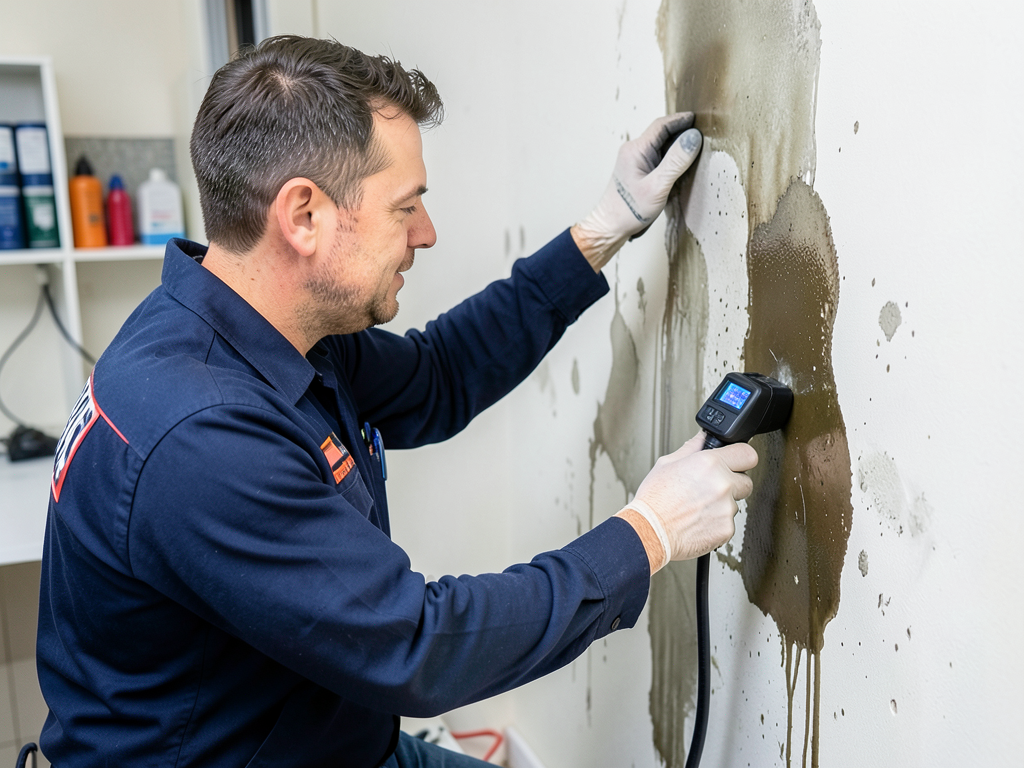
Moisture mapping using thermal imaging cameras and penetrating moisture meters helps identify hidden water pockets behind walls and under flooring. In Raleigh homes with crawl spaces water can travel laterally through the subfloor system affecting rooms far from the original spill site. The Carolina red clay soil common in the area retains moisture and can contribute to prolonged drying times if water migrates into the foundation.
Saltwater vs. Freshwater Damage: Critical Differences
Saltwater aquarium leaks require specialized restoration approaches due to the corrosive nature of dissolved salts. When saltwater contacts metal components it creates electrolytic reactions that accelerate corrosion by up to 10 times compared to freshwater exposure. This affects everything from electrical outlets and switches to HVAC components and structural fasteners.
Freshwater aquarium leaks while still serious primarily introduce biological contaminants rather than chemical corrosion. The organic matter in aquarium water includes fish waste uneaten food and decaying plant material that can support mold growth within 24-48 hours in Raleigh’s humid conditions. Professional restoration includes antimicrobial treatments to prevent secondary contamination.
The volume of water also matters significantly. A 55-gallon freshwater tank spill creates different challenges than a 120-gallon saltwater reef system. Larger volumes require more extensive extraction equipment and longer drying times. The weight of 100 gallons of water (approximately 834 pounds) can also cause structural stress on floor joists particularly in older Raleigh homes with crawl space foundations.
Hidden Risks: Mold Growth and Structural Damage
The greatest risk after an aquarium leak isn’t the initial water damage but the secondary effects that develop over days and weeks. Mold can begin growing within 24-48 hours in Raleigh’s humid climate particularly in wall cavities under flooring and in crawl spaces where moisture levels remain elevated.
Professional moisture testing uses penetrating meters to check subfloor moisture content which should be below 16% for wood materials to prevent mold growth. Thermal imaging can reveal temperature differences that indicate moisture presence behind walls. In Raleigh’s older neighborhoods like Five Points and inside the Beltline many homes have plaster walls that can trap moisture and create hidden mold problems.
Structural damage can occur when prolonged moisture exposure weakens floor joists wall studs and support beams. The weight of saturated materials also creates stress on the building structure. Professional restoration includes structural assessment to identify compromised materials that require replacement rather than drying.
Insurance Claims for Aquarium Water Damage in North Carolina
Most North Carolina homeowners insurance policies cover “sudden and accidental” water damage including aquarium leaks under specific conditions. The key is demonstrating that the failure was unexpected rather than due to neglect or gradual deterioration. Documentation becomes crucial for claim approval.
Insurance adjusters look for evidence that includes photos of the damage immediately after discovery maintenance records showing proper aquarium care and professional restoration documentation. The “sudden and accidental” clause typically covers water extraction structural drying and sanitization but may not cover the cost of replacing the aquarium itself or specialized equipment.
In Raleigh’s rental market tenants with aquariums should review their lease agreements carefully. Many landlords require additional insurance coverage or security deposits for large aquariums. The liability for damage can fall on the tenant if proper care and maintenance weren’t documented even if the leak was truly accidental.
Salvaging Equipment and Belongings
Professional restoration technicians can often salvage specialized aquarium equipment electronics and personal belongings if addressed quickly. The key factors are the type of water contamination exposure duration and material composition of affected items.
Electronic devices exposed to saltwater require immediate professional cleaning to prevent corrosion. Professional restoration services use specialized cleaning solutions and techniques to remove salt deposits and prevent long-term damage. Freshwater exposure is less destructive but still requires prompt attention to prevent short circuits and component failure.
Porous materials like carpets upholstered furniture and paper products may need to be discarded if exposed to Category 2 or 3 water. Non-porous surfaces can often be cleaned and sanitized. Professional restoration includes content inventory and pack-out services to protect salvageable items during the mitigation process.
Preventing Future Aquarium Leaks
While this article focuses on cleanup after leaks occur prevention is always preferable. Regular aquarium maintenance including checking seals inspecting equipment and monitoring water quality can prevent many common failures. Professional installation of overflow systems and automatic shut-off valves provides additional protection.
Consider the weight of your aquarium when choosing installation locations. A 100-gallon tank can weigh over 1000 pounds when filled requiring proper structural support. In older Raleigh homes this may mean reinforcing floor joists or choosing ground-floor locations for large aquariums.
Emergency preparedness includes having water-resistant flooring in aquarium areas accessible shut-off valves for nearby plumbing and a plan for quickly relocating aquatic life in case of equipment failure. Some Raleigh aquarium owners work with local restoration companies to develop emergency response plans specific to their setups. Local Experts for Mold Remediation and Water Damage in Five Points.
Professional Restoration Process Overview
Professional water damage restoration follows a systematic process designed to return your home to pre-loss condition while preventing secondary damage. The process begins with emergency response and assessment followed by water extraction drying cleaning and restoration.
Water extraction uses commercial-grade equipment capable of removing hundreds of gallons per hour. Truck-mounted extraction systems provide the most powerful removal capabilities for large spills. Following extraction the drying phase uses a combination of dehumidifiers air movers and specialized drying equipment to remove moisture from materials and the air.
Cleaning and sanitization address biological contaminants and prevent mold growth. This includes antimicrobial treatments HEPA filtration to remove airborne contaminants and odor control measures. The final restoration phase may include repairing or replacing damaged materials repainting and returning your home to normal condition.
Local Raleigh Restoration Expertise
Silver Lining Water Damage Restoration serves the entire Raleigh metro area with 24/7 emergency response capabilities. Our technicians understand the unique challenges of water damage in North Carolina’s climate including the high humidity that affects drying times and the specific building construction methods common in the Research Triangle area.
We provide rapid response throughout Raleigh Cary Apex Garner and surrounding communities. Our average arrival time is 60 minutes or less for emergency calls within the I-440 beltline and surrounding areas. We work directly with insurance companies to streamline the claims process and ensure proper documentation for coverage approval.
Our restoration process follows IICRC S500 standards and includes detailed documentation for insurance purposes. We use moisture mapping technology to identify all affected areas not just visible water damage ensuring complete restoration and preventing future problems.
Don’t wait for secondary damage to develop. Call (984) 294-5900 now for immediate professional water damage restoration services in Raleigh. Our certified technicians are standing by to protect your home and belongings from the devastating effects of aquarium water damage.
Frequently Asked Questions
How long does it take to dry out water from a large aquarium spill?
Professional drying typically requires 3-5 days for a 50-100 gallon spill in Raleigh’s humid climate. The exact timeframe depends on the volume of water affected materials and whether saltwater or freshwater was involved. Professional equipment can remove moisture much faster than household fans and dehumidifiers.
Is aquarium water considered hazardous waste?
Aquarium water is classified as Category 2 (grey water) or Category 3 (black water) under IICRC standards due to biological contamination from fish waste uneaten food and decaying organic matter. Saltwater adds chemical contamination concerns. Professional restoration includes proper sanitization protocols to handle these contaminants safely.
Will my homeowners insurance cover aquarium water damage?
Most North Carolina homeowners insurance policies cover “sudden and accidental” water damage including aquarium leaks if properly documented. The key is demonstrating that the failure was unexpected rather than due to neglect. Professional restoration companies can help with documentation and insurance claims processing.
Can I clean up a large aquarium spill myself?
While you can begin emergency response by stopping the water source and removing standing water professional restoration is recommended for large spills. Professional equipment can extract water from carpets padding and subfloors that household vacuums cannot reach. Professionals also address biological contamination and prevent mold growth.
What should I do with my fish during the restoration process?
Immediately relocate your fish to a safe temporary container with proper aeration and temperature control. Many local pet stores offer emergency boarding services for aquatic life during home restoration. Keep the temporary container away from the affected area to prevent additional stress on the animals.
How can I prevent future aquarium leaks?
Regular maintenance is key: check seals and equipment monthly inspect for wear on hoses and connections and monitor water quality. Consider installing overflow systems and automatic shut-off valves. For large aquariums have a professional assess your floor’s weight-bearing capacity before installation.
You may also find this helpful. Saving Custom Built-In Bookshelves After a Water Leak in Your Lassiter Mill Study.
You may also find this helpful. Restoring High-End Engineered Wood Flooring in Your North Raleigh Luxury Condo.
You may also find this helpful. Smart Leak Detectors That Actually Save Your South Park Modern Home From Flooding.