
Why Every ITB Smart Home Needs a Main Water Shutoff Valve (And Which One to Buy)
Inside the Beltline homeowners in Raleigh face unique risks from aging plumbing and seasonal weather extremes. A single burst pipe can release hundreds of gallons before anyone notices, causing catastrophic damage to hardwood floors, drywall, and electrical systems. Smart water shutoff valves prevent this by automatically cutting water flow when leaks are detected, often within seconds. For ITB residents, where many homes date back to the 1920s-1960s, this technology isn’t just convenient—it’s essential protection against Raleigh’s clay soil shifting and freeze-thaw cycles that stress older copper and galvanized pipes. How to Choose the Best Water Restoration Company in Cary Without Getting Ripped Off.
The average water damage claim in Wake County now exceeds $10,000, with ITB homes often seeing higher costs due to historic construction and dense housing layouts. Insurance providers increasingly recommend or require these devices, and many offer premium discounts of 5-15% for installation. Beyond the financial protection, these systems provide 24/7 monitoring through smartphone apps, giving you peace of mind whether you’re at work downtown or traveling through RDU. Who to Call for Emergency Water Damage in Downtown Raleigh at 3 AM.
How Smart Water Shutoff Valves Actually Work
Modern automatic shutoff valves use a combination of flow sensors, pressure monitoring, and temperature detection to identify problems before they become disasters. When the system detects unusual water usage patterns or freezing conditions, it sends an alert to your phone and automatically closes a motorized ball valve on your main water line. Most systems integrate with existing smart home platforms like Amazon Alexa, Google Home, or Apple HomeKit, allowing you to check water usage trends and receive notifications about potential issues. Water Damage Restoration Cary.
The technology works by establishing a baseline of normal water flow for your home. If usage suddenly spikes—indicating a burst pipe or running toilet—or if flow continues when the house should be empty, the system reacts immediately. Temperature sensors add another layer of protection by detecting conditions that could lead to frozen pipes, particularly important in Raleigh’s occasional winter freezes that catch many homeowners off guard.. Read more about Preventing Winter Pipe Bursts in Your Hasentree Outdoor Kitchen.

Top Smart Water Shutoff Systems for Raleigh Homes
Choosing the right system depends on your home’s plumbing configuration, smart home ecosystem, and specific protection needs. Here’s how the leading options compare for ITB and surrounding Raleigh neighborhoods:. Read more about A Raleigh Homeowner Checklist for Preventing Leaks While Your House Is on the Market.
| System | Installation Type | Smart Home Integration | Key Features |
|---|---|---|---|
| Moen Flo | Whole-home | Alexa, Google, Apple | Live pressure monitoring, freeze detection, insurance discounts |
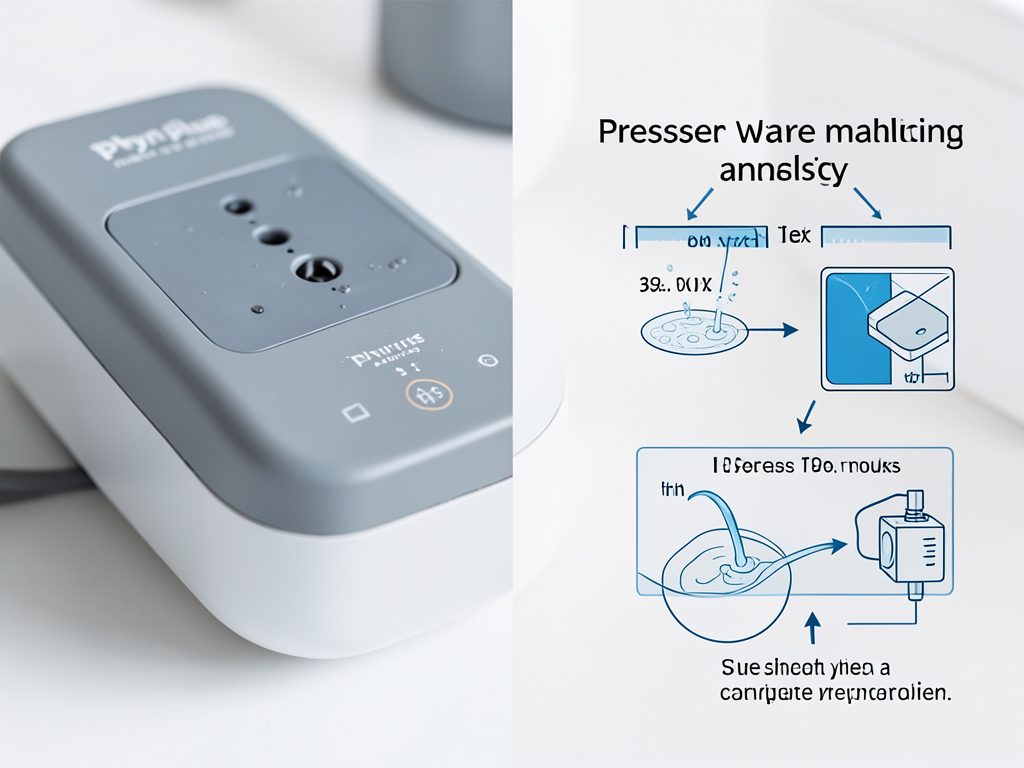
| Phyn Plus | Whole-home | Alexa, Google | Advanced pressure wave analysis, microscopic leak detection |
| FloLogic | Whole-home | Z-Wave, Wi-Fi | Cellular backup, commercial-grade durability |
| Guardian | Point-of-use | Proprietary app | Budget-friendly, easy DIY installation |
Moen Flo leads the market for ITB homes due to its comprehensive monitoring capabilities and strong insurance partnerships. The system continuously measures water pressure and flow, detecting even the smallest leaks that could indicate developing problems. For homes with crawl spaces common in older Raleigh neighborhoods, this early detection prevents moisture buildup that leads to mold growth.. Read more about What to Do When Your New Bidet Attachment Leaks and Floods the Bathroom.
Phyn Plus offers superior leak detection through its patented pressure wave analysis technology. This system can identify the specific location of leaks within your plumbing system and distinguish between normal water usage and actual problems. Its ability to detect frozen pipe conditions makes it particularly valuable for Raleigh’s occasional winter temperature drops.. Read more about Managing a Water Leak in Your Oberlin Village Airbnb While You Are Out of Town.
Installation Considerations for ITB Properties
Installing a main water shutoff valve requires accessing your home’s main water line, typically located where the city supply enters your property. In ITB homes, this often means working in tight crawl spaces, basements, or utility closets with limited access. Professional installation ensures proper integration with your existing plumbing and compliance with North Carolina plumbing codes.
The installation process involves shutting off your main water supply, cutting into the existing line, and installing the new valve and sensors. For homes with older galvanized pipes common in 1950s construction, additional preparation may be needed to ensure clean connections. The entire process typically takes 2-4 hours for a professional plumber familiar with Raleigh’s older infrastructure. EPA WaterSense.
Location matters significantly for system effectiveness. The valve should be installed as close to the water meter as possible to maximize protection. In many ITB homes, this means installation in the front yard near the curb, requiring trenching and proper drainage considerations to prevent freezing in exposed areas.
Insurance Benefits and Cost Savings
North Carolina insurance providers recognize the risk reduction these systems provide. Many major carriers including State Farm, Nationwide, and local companies like Blue Cross and Blue Shield of North Carolina offer premium discounts ranging from 5% to 15% for homes with professionally installed automatic shutoff valves. Some insurers now require these systems for homes in high-risk areas or for properties with a history of water damage claims. Local Experts for Mold Remediation and Water Damage in Five Points.
The return on investment calculation is straightforward. A typical installation costs between $800 and $1,500 professionally installed, while the average water damage claim in Raleigh exceeds $10,000. Even a single prevented incident pays for the system multiple times over. When you factor in insurance discounts and the peace of mind from 24/7 monitoring, the investment becomes even more attractive.
Beyond direct cost savings, these systems can prevent the secondary damage that often compounds water incidents. Quick shutoff prevents water from saturating building materials, reducing the risk of mold growth that can add thousands to restoration costs. For ITB homeowners with historic properties, this preservation aspect is particularly valuable.
Local Building Code Requirements
North Carolina’s residential plumbing code requires that any automatic shutoff system be installed by a licensed plumber and meet specific pressure rating requirements. The 2018 North Carolina State Building Code, Section 305, mandates that all plumbing fixtures and appliances be protected against water damage through proper installation and maintenance procedures.
For ITB homes, additional considerations apply due to the historic nature of many properties. The Raleigh Historic Districts Commission requires that any exterior modifications, including water line work, be reviewed for compliance with historic preservation standards. This means professional installers must balance modern technology integration with maintaining the character of historic properties.
Local water pressure in Raleigh typically ranges from 40 to 80 psi, well within the operating range of most residential shutoff systems. However, older neighborhoods may experience pressure fluctuations that require systems with wider operating tolerances. Professional assessment ensures your chosen system can handle your specific water conditions.
Maintenance and Troubleshooting
Smart water shutoff systems require minimal maintenance but benefit from periodic checks to ensure optimal performance. Monthly app checks should verify that sensors are online and that no unusual water usage patterns have developed. Annual professional inspections can identify potential issues like battery degradation or sensor calibration drift.
Common troubleshooting involves checking Wi-Fi connectivity, as these systems rely on internet connection for alerts and remote operation. Most modern systems include battery backup that maintains basic functionality during power outages, but cellular backup options provide additional reliability for critical protection.
False alarms typically result from unusual water usage patterns like filling a swimming pool or irrigation system malfunctions. Most systems allow you to temporarily disable automatic shutoff during planned high-usage activities through the smartphone app.
Emergency Response Integration
When a shutoff valve activates, the system sends immediate notifications to your smartphone and often to emergency contacts you designate. Some advanced systems can integrate with professional monitoring services that dispatch plumbers or restoration specialists if needed. This rapid response capability is crucial in preventing extensive damage.
For ITB residents who travel frequently or maintain second homes, remote monitoring provides continuous protection. You can check your home’s water status from anywhere and receive alerts about potential issues before they become serious problems. This is particularly valuable during Raleigh’s storm season when power outages and flooding create additional risks.
Professional installation companies often provide 24/7 support for their systems, offering troubleshooting assistance and emergency response coordination. This service layer adds significant value beyond the hardware itself, especially for complex installations in older homes.
Comparing Installation Costs and ROI
Installation costs vary based on home configuration and system complexity. Basic installations in accessible locations start around $800, while complex installations in older ITB homes with difficult access can exceed $1,500. Here’s what drives these costs:
| Factor | Cost Impact | Typical Range |
|---|---|---|
| Basic Installation | Standard labor and materials | $800 – $1,200 |
| Complex Access | Crawl space or tight quarters | $1,200 – $1,500 |
| Additional permitting and care | $1,500 – $2,000 | |
| Cellular Backup | Added reliability feature | $200 – $300 |
The investment pays for itself through multiple channels: prevented damage claims, insurance discounts, and preserved property value. For a typical ITB home, the system could save $15,000 or more over a 10-year period when accounting for all these factors.
Choosing the Right System for Your Home
Selecting the best system requires evaluating your specific needs and home configuration. Consider these factors when making your decision:
- Home Age: Older ITB homes with original plumbing may benefit from more sensitive detection systems
- Smart Home Integration: Ensure compatibility with your existing smart home platform
- Water Usage: Homes with pools, irrigation, or large families need systems that distinguish normal usage from problems
- Access Requirements: Consider whether you need cellular backup for areas with unreliable internet
- Professional Support: Choose a provider offering local installation and ongoing support in Raleigh
For most ITB homeowners, the Moen Flo system offers the best combination of features, reliability, and insurance partnerships. Its comprehensive monitoring and strong local support make it ideal for Raleigh’s specific conditions.
Professional Installation Process
Professional installation ensures your system works correctly from day one. The process typically follows these steps:
- Initial Assessment
Technician evaluates your plumbing configuration, water pressure, and access requirements
- Permit Acquisition
Obtains necessary permits from Raleigh building department if required
- Water Shutoff
Turns off main water supply and drains existing lines
- Valve Installation
Installs new shutoff valve and connects sensors
- System Configuration
Programs system settings and connects to your Wi-Fi network
- Testing
Verifies proper operation through multiple test scenarios
- App Setup
Helps you configure mobile app and set up notifications
Professional installers also provide valuable guidance on system settings and maintenance. They can recommend optimal sensitivity levels based on your household’s water usage patterns and local conditions.
Local Success Stories
Several ITB homeowners have already experienced the benefits of these systems. One Cameron Park resident’s system detected a slow leak from a washing machine hose that would have caused thousands in damage over time. The alert allowed them to address the issue during business hours rather than discovering it after extensive damage occurred.
A Five Points homeowner credits their system with preventing a burst pipe during last winter’s freeze. The temperature sensor detected dangerous conditions and automatically shut off water before the pipe could fail. This early intervention saved an estimated $8,000 in potential damage.
These real-world examples demonstrate how these systems provide value beyond just catastrophic failure prevention. They catch developing problems early, often when repair costs are minimal.
Future-Proofing Your Home
Smart water technology continues to evolve, with new features being added regularly. Current systems offer integration with water softeners, filtration systems, and even weather forecasts to provide more intelligent protection. As Raleigh’s infrastructure ages and climate patterns shift, these systems become increasingly valuable.
Investing in a quality system now means you’ll benefit from ongoing software updates and new features without additional hardware costs. Most manufacturers provide free feature updates that improve detection accuracy and add new capabilities over time.
For ITB homeowners planning to stay in their properties long-term, this technology represents a wise investment in property preservation and peace of mind.
Frequently Asked Questions
How long does installation take?
Most professional installations take 2-4 hours, depending on access difficulty and home configuration. Complex installations in older homes may require additional time.
Will this work during a power outage?
Most systems include battery backup that maintains basic functionality during short outages. For extended protection, consider systems with cellular backup options.
Can I install this myself?
While DIY installation is possible with some systems, professional installation ensures proper integration with your plumbing and compliance with local codes. It also provides warranty protection and ongoing support.
What happens if the system malfunctions?
Quality systems include manual override capabilities and diagnostic features that help identify problems. Professional installers provide support for troubleshooting and repairs.
Are there any ongoing costs?
Beyond the initial installation, most systems have minimal ongoing costs. Some advanced features may require subscription fees, but basic protection and monitoring are typically included.
Take Action Today
Protecting your ITB home from water damage is one of the smartest investments you can make. With Raleigh’s aging infrastructure, seasonal weather risks, and the high cost of water damage restoration, automatic shutoff valves provide essential protection that pays for itself many times over.
Don’t wait for a disaster to strike. The peace of mind from knowing your home is protected 24/7 is invaluable, and the potential cost savings make this a clear choice for any homeowner serious about property protection.
Call (984) 294-5900 today to schedule your professional consultation and installation. Our experienced technicians understand the unique challenges of ITB homes and can recommend the perfect system for your specific needs. Protect your home, your investment, and your peace of mind with smart water technology.
Pick up the phone and call (984) 294-5900 before the next storm hits. Water damage doesn’t wait, and neither should you. For more information, visit IICRC Standards.
You may also find this helpful. Handling a Pipe Leak in Your Custom Pet Wash Station or Mudroom.