
A Property Manager Guide to Handling Water Damage in East Raleigh Apartment Complexes
East Raleigh apartment complexes face unique water damage risks from aging infrastructure and seasonal storms. Property managers need rapid response protocols that protect tenants, preserve building integrity, and maintain compliance with North Carolina regulations. This guide covers the essential steps for managing multi-unit water emergencies effectively. How to Choose the Best Water Restoration Company in Cary Without Getting Ripped Off.
Multi-family buildings in East Raleigh require specialized mitigation approaches due to vertical water migration through shared walls, plumbing chases, and HVAC systems. A single leak on the fifth floor can affect units three stories below within hours. Understanding these dynamics helps property managers minimize damage spread and tenant displacement. Who to Call for Emergency Water Damage in Downtown Raleigh at 3 AM.
North Carolina’s humid climate accelerates mold growth after water intrusion. In East Raleigh’s older apartment stock, where building envelopes may have compromised vapor barriers, the window for effective drying shrinks to 24-48 hours. This guide outlines the critical response timeline and documentation requirements for insurance claims. Water Damage Restoration Cary.
Rapid Response for Multi-Family Emergencies
Water damage in apartment complexes demands immediate action. The first 60 minutes determine whether you’re managing a contained incident or a building-wide crisis. Property managers should establish a pre-approved vendor list with 24/7 availability and commercial-grade extraction capabilities.. Read more about How Water Damage Might Affect Your Security Deposit in a West Raleigh Rental.
Commercial restoration teams arrive with equipment designed for high-density buildings. Truck-mounted extraction units can remove 20-30 gallons per minute, while LGR dehumidifiers maintain 40-45% relative humidity levels needed to prevent secondary damage. These specifications matter when drying multiple units simultaneously. High Indoor Humidity Levels.
Communication protocols separate effective responses from chaotic ones. Property managers should implement a tenant notification system that includes evacuation routes, temporary housing options, and contact information for restoration coordinators. Clear communication reduces liability and tenant anxiety during emergencies. EPA Mold Guidelines.
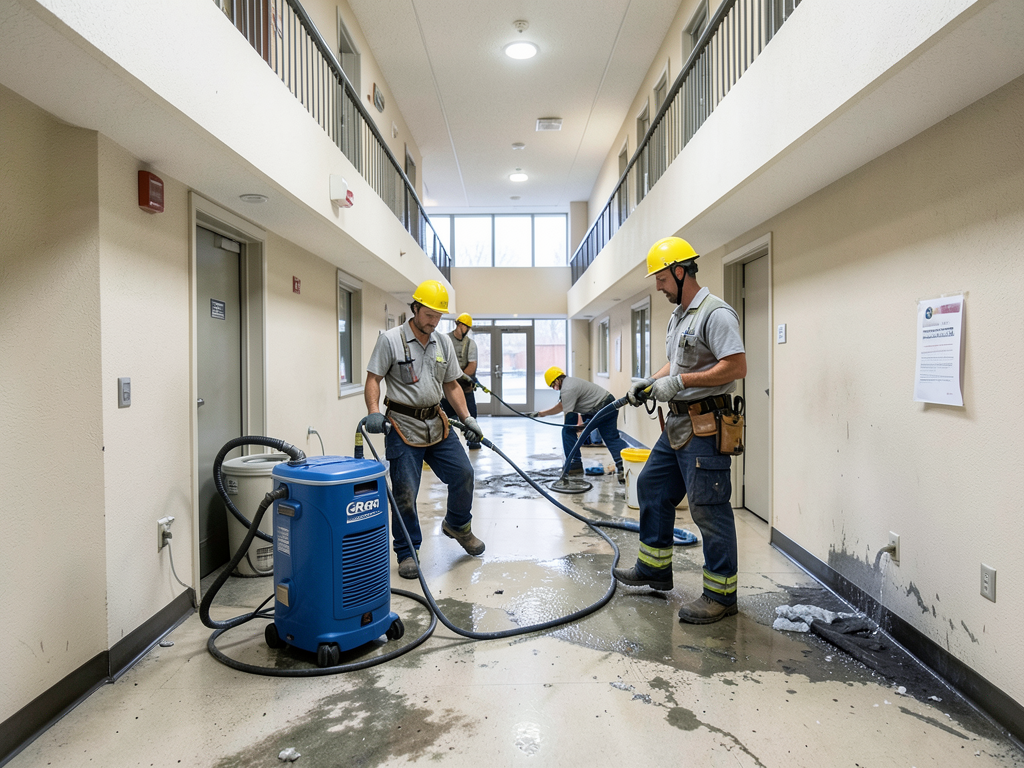
Diagram showing vertical water migration paths in a typical East Raleigh apartment building, highlighting plumbing chases, electrical conduits, and HVAC ducting as primary water travel routes.
The Logistics of Multi-Unit Water Damage
Apartment complex water damage requires different logistics than single-family homes. You’re managing multiple stakeholders, shared infrastructure, and potential business interruption. The first step involves isolating the water source while maintaining utility access to unaffected units.
Commercial-grade moisture mapping identifies hidden water pockets behind shared walls. Thermal imaging cameras detect temperature differentials that indicate moisture presence, while penetrating moisture meters measure water content in wall studs and floor joists. These tools prevent demolition of structurally sound materials.
Containment strategies for multi-unit buildings include establishing negative air pressure zones and using HEPA filtration to prevent cross-contamination. In East Raleigh’s older complexes, where shared firewall assemblies may have deteriorated seals, proper containment becomes critical for tenant safety.
Equipment staging areas require careful planning. Restoration teams need space for drying chambers, storage for tenant belongings, and waste disposal zones. Property managers should identify these areas before emergencies occur to avoid parking lot congestion during active responses.
Tenant Communication & Safety Protocols
Tenant safety during water damage events involves more than evacuation. Property managers must address slip hazards, electrical risks, and potential exposure to contaminated water. Category 3 water events (sewage backups) require additional precautions and temporary relocation protocols.
Documentation protects property managers from liability claims. Before restoration begins, photograph all affected areas, document tenant possessions, and create detailed inventories of damaged building materials. This documentation supports insurance claims and potential legal proceedings.
North Carolina requires specific notification procedures for tenants during building emergencies. Property managers should maintain written protocols that comply with state landlord-tenant laws while addressing immediate safety concerns. These protocols should include timelines for temporary housing if displacement becomes necessary.
Communication templates should address multiple scenarios: minor leaks requiring minimal disruption, major events necessitating temporary relocation, and situations involving potential health hazards. Property managers should pre-draft these communications to save time during emergencies.
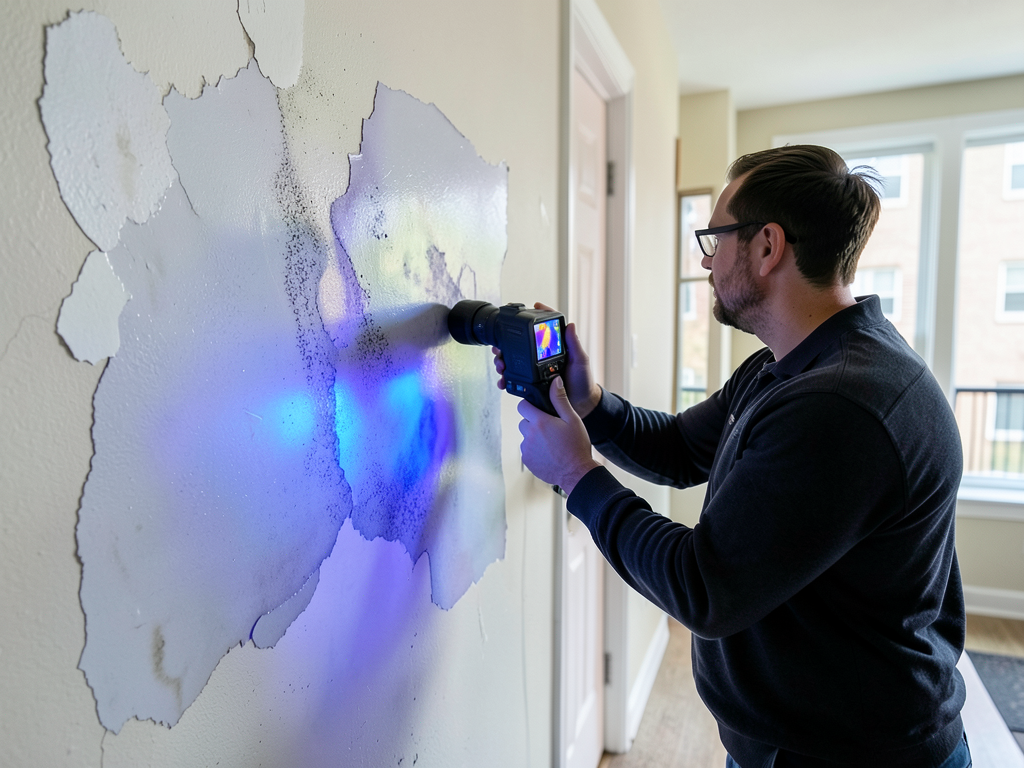
Photo of commercial restoration equipment staged in an apartment complex hallway, showing LGR dehumidifiers, air movers, and containment barriers protecting unaffected units during multi-story mitigation.
Streamlined Insurance Documentation for Raleigh Property Owners
Commercial insurance claims for apartment complexes require detailed documentation beyond standard residential claims. Property managers should maintain relationships with adjusters familiar with multi-unit properties and understand the difference between replacement cost and actual cash value coverage.
Loss of use claims require documentation of rental income interruption, temporary housing costs, and business interruption expenses. Property managers should track these costs systematically and maintain records that support claim submissions. Many policies have specific time limits for filing supplemental claims.
IICRC S500 standards govern professional water damage restoration practices. Documentation showing compliance with these standards strengthens insurance claims and demonstrates due diligence in property management. This includes moisture readings, drying logs, and material removal documentation.
East Raleigh property managers should understand local building permit requirements for water damage repairs. Some jurisdictions require permits for structural modifications, electrical system repairs, or plumbing replacements. Working with contractors familiar with Raleigh’s permitting process prevents delays and potential code violations. Local Experts for Mold Remediation and Water Damage in Five Points.
Raleigh Case Study: Multi-Floor Mitigation Success
A recent water heater failure in a 24-unit East Raleigh complex demonstrated the importance of rapid commercial response. The incident began on the fourth floor and affected units through three floors below within two hours. Quick isolation of the water main prevented basement flooding.
The restoration team implemented a phased approach, starting with water extraction in the most severely affected units while setting up containment barriers in adjacent spaces. This strategy allowed some tenants to remain in unaffected units while restoration proceeded in damaged areas.
Using commercial-grade drying equipment, the team achieved drying standards within 72 hours. Moisture readings confirmed structural materials returned to acceptable levels before reconstruction began. This timeline prevented mold growth and minimized tenant displacement duration.
Insurance documentation included detailed drying logs, material removal inventories, and third-party verification of drying completion. The comprehensive documentation supported a smooth claims process and full reimbursement for restoration costs.
Preventative Maintenance for Aging Raleigh Infrastructure
East Raleigh’s apartment complexes, many built in the 1970s and 1980s, face increased water damage risks from aging plumbing systems. Regular inspections of water heaters, supply lines, and drain systems prevent catastrophic failures. Property managers should implement quarterly inspection schedules for critical systems.
Carolina red clay soil around East Raleigh foundations can cause drainage issues that lead to basement and crawl space moisture problems. Property managers should ensure proper grading and functioning drainage systems to prevent foundation water intrusion. This includes maintaining clean gutters and functional downspouts.
Seasonal maintenance prevents many common water damage scenarios. Before summer storm season, property managers should inspect roof membranes, flashing, and drainage systems. Fall maintenance should focus on preventing frozen pipe bursts during occasional winter freezes common in the Raleigh area.
Water detection systems provide early warning for potential leaks. Property managers should consider installing these systems in high-risk areas like mechanical rooms, laundry facilities, and units with previous water damage history. Early detection reduces damage extent and repair costs.
Structural Drying Techniques for Shared Firewall Assemblies
Apartment buildings feature shared firewall assemblies that require specialized drying approaches. These assemblies often contain insulation, wiring, and plumbing that trap moisture. Traditional drying methods may not reach these concealed spaces effectively.
Advanced drying techniques include injecting dry air into wall cavities through small access holes and using desiccant dehumidifiers for dense materials like concrete and masonry. These methods achieve drying without extensive demolition, reducing repair costs and tenant disruption.
Moisture content in wood framing should return to 12-16% for successful restoration. Concrete surfaces require drying to 75% relative humidity or less. Property managers should verify these standards through third-party moisture testing before reconstruction begins.
Air quality testing ensures proper remediation of potential contaminants. This testing becomes particularly important in East Raleigh’s older buildings where materials may contain asbestos or lead paint. Professional testing provides documentation for insurance claims and tenant notifications.
Cost-Benefit Analysis of Commercial vs. Residential Equipment
Property managers often face decisions about equipment investment for in-house maintenance teams. Commercial-grade extraction and drying equipment costs significantly more than residential units but offers advantages in speed, efficiency, and capacity.
Commercial extraction units remove water at rates 5-10 times faster than standard shop vacuums. This speed difference becomes critical when managing multiple affected units. The labor cost savings often justify the equipment investment for properties with frequent water incidents.
LGR dehumidifiers maintain lower humidity levels than residential units, preventing secondary damage like warping and swelling. These units also operate more quietly, reducing tenant complaints during extended drying operations. Noise considerations become important in multi-unit buildings.
Property managers should evaluate their risk exposure when deciding between in-house equipment and professional restoration services. Buildings with aging infrastructure or high tenant turnover may benefit from professional services with specialized equipment and expertise.
Emergency Response Timeline for Property Managers
Establishing a clear emergency response timeline prevents confusion during actual incidents. Property managers should create step-by-step protocols that assign responsibilities to specific team members. This includes designating who contacts restoration services, who notifies tenants, and who documents the incident.
The first 30 minutes should focus on water source isolation and tenant safety. The next hour involves damage assessment and restoration service activation. Property managers should establish relationships with restoration companies that guarantee 60-minute response times for commercial accounts.
Documentation begins immediately and continues throughout the restoration process. Property managers should maintain logs of all actions taken, communications sent, and decisions made. This documentation supports insurance claims and demonstrates proper emergency management procedures.
Post-incident reviews help improve future responses. Property managers should schedule debriefings after major incidents to identify procedural improvements and update emergency protocols. This continuous improvement approach enhances building resilience to future water damage events.. Read more about Cleaning Up the Mess After a Fire Sprinkler Malfunction in a North Hills High-Rise.
Legal and Liability Considerations
Property managers must understand their legal responsibilities regarding water damage. North Carolina law requires landlords to maintain habitable conditions, which includes addressing water damage promptly. Failure to respond appropriately can result in legal liability and tenant lawsuits.
Insurance policies often contain specific requirements for water damage response. Property managers should understand these requirements and ensure their restoration partners meet policy conditions. Some policies require specific certifications or response timeframes to maintain coverage.
Documentation protects against liability claims. Property managers should maintain detailed records of all maintenance activities, tenant communications, and restoration efforts. These records demonstrate due diligence and can be crucial in legal proceedings.
Tenant displacement creates additional legal considerations. Property managers must understand their obligations regarding temporary housing, rent abatement, and lease modifications. Clear communication and proper documentation prevent misunderstandings and potential legal disputes.
Technology Integration for Modern Property Management
Smart building technology enhances water damage prevention and response. Property managers can install water leak detection systems that automatically shut off supply lines when leaks are detected. These systems prevent small leaks from becoming major incidents.
Building management systems can monitor humidity levels, water pressure, and temperature to identify potential problems before they cause damage. Property managers should consider these systems for properties with recurring water issues or high-value improvements.
Mobile applications streamline tenant communication during emergencies. Property managers can use these tools to send mass notifications, track maintenance requests, and document restoration progress. These applications improve response coordination and tenant satisfaction.
Data analytics help identify patterns in water damage incidents. Property managers can use this information to target preventative maintenance efforts and improve building systems. This proactive approach reduces long-term maintenance costs and tenant disruption.
Building Relationships with Restoration Partners
Property managers should establish relationships with restoration companies before emergencies occur. These relationships should include pre-negotiated pricing, priority service agreements, and understanding of building-specific requirements. This preparation ensures faster response times during actual incidents.
Restoration partners should understand multi-family building dynamics and have experience with apartment complex projects. They should also be familiar with local building codes, insurance requirements, and tenant communication protocols. This expertise prevents delays and ensures proper restoration procedures.
Regular meetings with restoration partners help identify potential improvements in emergency response procedures. Property managers should discuss past incidents, review response effectiveness, and update protocols based on lessons learned. This collaboration enhances overall building resilience.
Property managers should verify their restoration partners’ certifications and insurance coverage. This includes checking for IICRC certifications, general liability insurance, and workers’ compensation coverage. Proper verification protects property managers from liability issues during restoration work.
Future Trends in Multi-Unit Water Damage Mitigation
Emerging technologies promise to improve multi-unit water damage response. Advanced moisture detection systems using AI can identify potential problems before visible damage occurs. These systems monitor building conditions continuously and alert property managers to developing issues.
Drone technology assists in roof inspections and exterior damage assessment. Property managers can use drones to identify potential water intrusion points without expensive scaffolding or ladder work. This technology improves preventative maintenance effectiveness.
Building materials continue to evolve with improved water resistance. Property managers should consider these materials when planning renovations or repairs. While initial costs may be higher, water-resistant materials reduce long-term maintenance expenses and tenant disruption.
Climate change may increase water damage frequency in the Raleigh area. Property managers should prepare for more frequent severe weather events and potential flooding. This preparation includes updating emergency procedures and considering additional insurance coverage for climate-related risks.
Frequently Asked Questions
How quickly should I respond to a water leak in my apartment complex?
Water damage requires immediate response. Within the first 30 minutes, isolate the water source and ensure tenant safety. Contact professional restoration services within the first hour. The first 24-48 hours are critical for preventing mold growth and secondary damage.
What certifications should I look for in a restoration company?
Look for IICRC (Institute of Inspection Cleaning and Restoration Certification) credentials, specifically the WRT (Water Damage Restoration Technician) and ASD (Applied Structural Drying) certifications. These certifications ensure the company follows industry standards for proper water damage mitigation.
How do I handle tenant displacement during water damage restoration?
Document all displacement decisions and maintain clear communication with affected tenants. Provide written notices of temporary relocation, document temporary housing arrangements, and understand your legal obligations regarding rent abatement and lease modifications under North Carolina law.
What’s the difference between Category 1, 2, and 3 water damage?
Category 1 involves clean water from broken supply lines. Category 2 contains significant contamination like washing machine overflow. Category 3 involves grossly contaminated water including sewage or floodwater. Category 3 requires specialized handling and often necessitates temporary tenant relocation.
How long does commercial water damage restoration typically take?
Restoration timelines vary based on damage extent, but most commercial projects take 3-7 days for complete drying and initial repairs. Complex multi-story projects may require 2-3 weeks for full restoration. Your restoration partner should provide specific timelines based on your property’s conditions.
What should I include in my emergency response plan?
Your plan should include contact information for restoration services, tenant notification procedures, evacuation routes, documentation requirements, and post-incident review processes. Include specific protocols for different water damage scenarios and assign responsibilities to team members.
- Immediate Response
Isolate water source, ensure tenant safety, and contact restoration services within 60 minutes.
- Damage Assessment
Document all affected areas with photos and moisture readings before restoration begins.
- Tenant Communication
Notify all tenants of the situation, evacuation requirements, and expected timeline for restoration.
- Restoration Implementation
Deploy commercial-grade equipment and follow IICRC S500 standards for proper mitigation.
- Documentation Completion
Maintain detailed records for insurance claims and potential legal proceedings.
East Raleigh property managers face unique challenges in managing water damage across multi-unit buildings. Success requires preparation, rapid response, and understanding of both technical and legal requirements. By following these guidelines and establishing strong partnerships with certified restoration professionals, property managers can protect their investments and maintain tenant satisfaction during water damage events.
Don’t wait for the next emergency to prepare your response plan. Call (984) 294-5900 today to schedule a consultation and develop your customized water damage mitigation strategy for your East Raleigh apartment complex.
Pick up the phone and call (984) 294-5900 before the next storm hits. Our commercial restoration team is ready to protect your property and tenants 24/7.
Remember: In water damage emergencies, minutes matter. The right preparation today prevents costly mistakes tomorrow. For more information, visit FEMA Water Damage Prevention.
You may also find this helpful. Rescuing Your Brier Creek Gym Floor After a Water Main Break.