
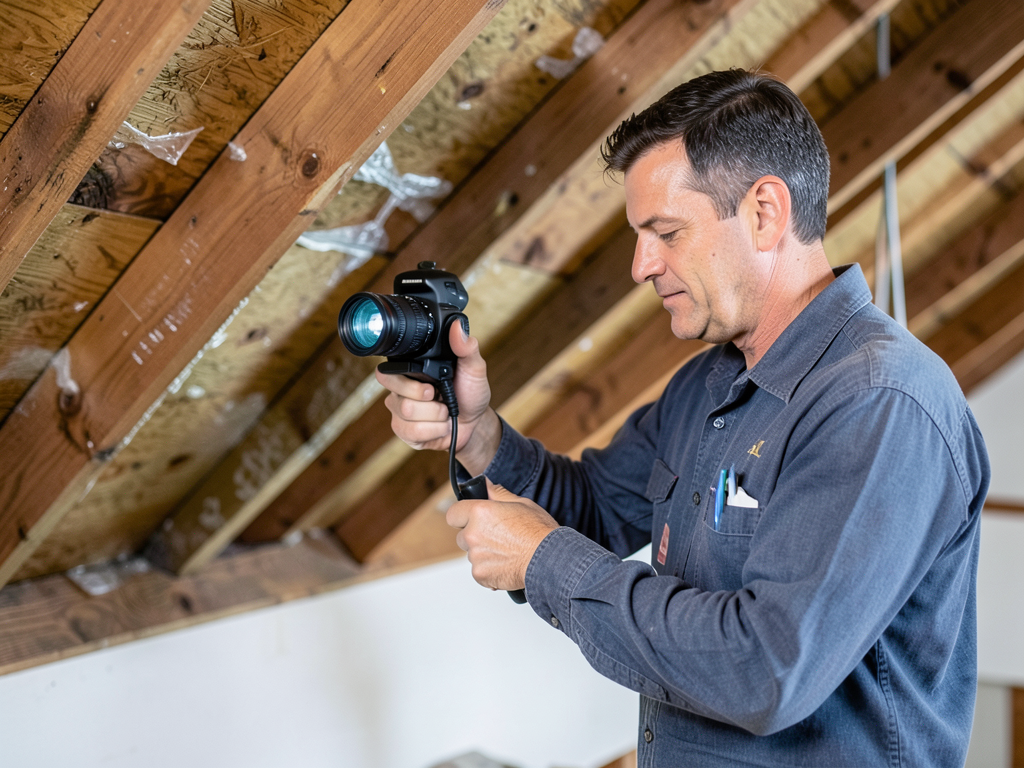
Catching a Slow Roof Leak in Your Attic Before It Destroys Your Ceiling in Zebulon
A slow roof leak in your attic can quietly destroy your ceiling, insulation, and even your home’s structural integrity before you notice a single water stain. In Zebulon’s humid climate, moisture problems escalate quickly. This guide shows you exactly what to look for, how to inspect safely, and when to call a professional before minor seepage becomes major restoration work. EPA mold information.
The Hidden Danger of Slow Attic Leaks
Unlike dramatic roof failures that cause immediate water damage, slow leaks work invisibly for weeks or months. Water seeps through small gaps in flashing or under damaged shingles, traveling along roof decking before dripping onto insulation. In Zebulon’s climate with average humidity levels around 72%, this trapped moisture creates perfect conditions for mold growth within 24-48 hours. How to Choose the Best Water Restoration Company in Cary Without Getting Ripped Off.
The real threat isn’t just water spots. Slow leaks compress insulation, reducing its R-value and increasing your energy bills. They cause wood rot in rafters and roof sheathing, weakening your home’s structure. By the time you see a ceiling stain, the damage often extends far beyond what’s visible. Who to Call for Emergency Water Damage in Downtown Raleigh at 3 AM.
5 Visual Signs You Have a Slow Leak
Before climbing into your attic, gather these tools: a bright flashlight, moisture meter, and protective gloves. Never inspect during active storms or when attic temperatures exceed 100°F.. Read more about Hidden Moisture in the Attic (Why Your Heritage Home Feels Humid in Summer).
- Dark water stains on rafters and roof decking – Look for brown or gray discoloration that appears darker than surrounding wood. Active leaks will feel damp to touch, while old damage feels dry but discolored.
- Rusted nails in roof decking – Also called “shiners,” these are roofing nails that missed the rafters. When water hits these metal nails, rust forms and water travels along the nail shaft, creating a trail of corrosion.
- Matted or discolored insulation – Fiberglass insulation that’s been wet clumps together and loses its fluffiness. Cellulose insulation may appear darker or have a musty smell.
- Efflorescence on masonry – White, chalky deposits on brick chimney stacks or foundation walls indicate water is moving through masonry and leaving mineral deposits behind.
- Bulging drywall on ceilings below – This often appears as a dome-shaped area that feels soft when pressed. The bulge indicates water pooling behind the drywall surface.
The ‘Smell Test’: Identifying Musty Odors in the Attic
Your nose can detect problems your eyes might miss. When you enter the attic, pay attention to the air quality. A healthy attic should smell like dry wood and insulation. Musty, earthy, or damp odors indicate microbial growth.. Read more about Does Wet Insulation Always Need to Be Replaced After a Leak?.
In Raleigh’s climate, attic humidity often exceeds 60% during summer months. When warm, moist air meets cool roof surfaces, condensation forms. Combined with a slow leak, this creates conditions where mold colonies establish within days. The distinctive smell comes from microbial volatile organic compounds (MVOCs) produced by active mold growth. High Indoor Humidity Levels.
Walk slowly through the attic space. If you detect a persistent musty odor that intensifies in certain areas, use your moisture meter to check those spots. Readings above 20% moisture content in wood indicate active water intrusion requiring immediate attention. Water Damage Restoration Cary.
Common Zebulon Culprits: Why Your Roof is Leaking
Zebulon’s location in the Piedmont region creates specific roof failure patterns. The area experiences heavy spring rains and occasional hurricane remnants, putting stress on roofing components.. Read more about Preparing Your Raleigh Home for the Next Big Hurricane Season.
Flashing failure around chimneys and vents – The metal flashing that seals roof penetrations deteriorates over time, especially where different materials expand and contract at different rates. In older Zebulon homes, especially those built before 2010, flashing may not meet current North Carolina Residential Code requirements for ice and water shield installation.
Pine needle damming – Zebulon’s abundant pine trees drop needles that collect in roof valleys and gutters. These create dams that hold water against the roof surface, forcing it under shingles during heavy rains. This is particularly problematic in neighborhoods with mature pine canopy coverage.
High-wind shingle uplift – Spring and summer thunderstorms in the Piedmont often bring winds exceeding 40 mph. These can lift shingle edges, creating entry points for wind-driven rain. Check for missing or curled shingles after storms, especially on roof edges and ridges where wind speeds are highest.
Pipe boot deterioration – The rubber seals around plumbing vents crack and split after 8-10 years of UV exposure. These are common failure points in Zebulon’s sunny climate, where afternoon heating cycles stress rubber components.
Next Steps: DIY Inspection vs. Professional Assessment
Safety comes first when inspecting your attic. The floor consists of joists with open spaces between them. Stepping between joists can result in falling through the ceiling below. Always walk on joists or use a sturdy piece of plywood to distribute your weight.
For a basic DIY inspection, follow these steps:
- Choose a cool, dry day for inspection. Early morning works best when attic temperatures are lowest.
- Bring a powerful flashlight and check all areas systematically, starting from the attic access point.
- Look for the five visual signs mentioned earlier, taking photos with your phone for reference.
- Use a moisture meter on suspicious areas. Readings above 20% in wood or 17% in drywall indicate active moisture problems.
- Check ventilation. Blocked soffit vents or malfunctioning ridge vents contribute to moisture buildup.
When to call a professional: If you find any active moisture, significant mold growth, or structural damage, stop your inspection and call immediately. Also contact a professional if you’re uncomfortable with heights, lack proper safety equipment, or discover extensive damage.
Professional restoration technicians use infrared cameras to detect temperature differences that indicate moisture behind walls or under insulation. They also use industrial moisture meters that measure deeper than consumer models. Most importantly, they understand when water damage requires simple repairs versus full-scale restoration.. Read more about How to Save Water Damaged Photos and Family Heirlooms.
Understanding Zebulon’s Building Environment
Zebulon’s location just east of Raleigh places it in a unique climate zone. The area receives approximately 46 inches of rainfall annually, slightly above the national average. This, combined with the region’s clay soil composition, creates drainage challenges that can affect foundation and roof performance.
Many homes in the Zebulon area were built during the housing boom of the early 2000s. These properties are now reaching the age where roofing components begin to fail. The North Carolina Residential Code requires ice and water shield in specific roof areas, but older homes may not have this protection.. Read more about The Dangers of Secondary Water Damage (And How to Spot It Early).
Local building patterns also matter. Homes in newer developments like those near the Little River Park area often have different roofing systems than historic homes near downtown Zebulon. Understanding your home’s specific construction helps identify potential failure points. Local Experts for Mold Remediation and Water Damage in Five Points.
Cost Comparison: Early Detection vs. Full Restoration
Addressing a slow leak during early detection typically costs between $500-$2,000 for roof repairs, depending on the extent of damage and materials needed. This includes replacing damaged shingles, repairing flashing, and sealing penetrations.
Full-scale water damage restoration becomes necessary when leaks go undetected. This process involves removing damaged materials, drying the structure, treating for mold, and rebuilding affected areas. Costs can range from $5,000 to $25,000 or more, depending on the extent of damage and affected areas.
Insurance coverage also varies significantly. Many policies cover sudden, accidental damage but exclude gradual leaks that develop over time. This makes early detection crucial for both your home’s integrity and your finances.
Prevention Strategies for Zebulon Homeowners
Regular maintenance prevents most slow leak problems. Schedule professional roof inspections every two years, or annually if your home is over 15 years old. After major storms, perform visual checks from the ground using binoculars to spot missing or damaged shingles.. Read more about The Problems with DIY Pressure Washing and Siding Leaks in Southwest Raleigh.
Keep gutters clean and free of pine needles and debris. Consider installing gutter guards if your property has many trees. Ensure downspouts direct water at least 5 feet away from your foundation to prevent water from backing up under the roof edge.
Check attic ventilation twice yearly. Proper airflow prevents moisture buildup and extends roof life. Look for signs of blocked vents, such as insulation covering soffit vents or debris in ridge vents.
Local Resources and Professional Help
For Zebulon residents, several local resources can help with roof leak detection and repair. The Wake County permitting office maintains records of roofing permits and inspections, which can help you understand your home’s roofing history.
Professional restoration companies in the area understand local building patterns and common failure points. They can provide moisture mapping to show exactly where water is entering and traveling through your home’s structure.
Don’t wait until you see water dripping from your ceiling. By then, the damage is extensive and costly. Early detection saves money, prevents health hazards from mold, and protects your home’s value.
Call (984) 294-5900 today to schedule your inspection before the next storm hits. Our team serves Zebulon and surrounding communities with 24/7 emergency response for water damage situations.
Frequently Asked Questions
How can I tell if my attic leak is active or old damage?
Active leaks feel damp to touch and may show water droplets or wet insulation. Old damage appears dry but discolored, with no moisture present. Use a moisture meter to confirm – readings above 20% indicate active moisture.
How often should I inspect my attic for leaks?
Inspect your attic twice yearly, typically in spring and fall. Also check after major storms or if you notice musty odors or ceiling stains developing.
Can I repair a small roof leak myself?
Minor repairs like replacing a few shingles might be DIY-appropriate if you have roofing experience. However, if you find extensive damage, mold, or structural issues, call a professional immediately.
What does mold from a slow leak look like?
Roof leak mold often appears as black, green, or white spots on wood surfaces. It may have a fuzzy or slimy texture. Musty odors are often the first indicator before visible growth appears.
How long does it take for a slow leak to cause major damage?
Depending on the leak size and attic conditions, significant damage can occur within 3-6 months. Mold can establish within 24-48 hours of water exposure in Zebulon’s humid climate. For more information, visit FEMA disaster assistance.