
Does Wet Insulation Always Need to Be Replaced After a Leak?
Wet insulation in Raleigh homes isn’t just a comfort issue—it’s a structural and health hazard. The answer depends on the water source, insulation type, and how quickly you act. In Raleigh’s humid climate, moisture trapped in insulation can lead to mold growth within 24-48 hours and permanent R-value loss. This guide breaks down when drying is possible versus when replacement is mandatory, using North Carolina building standards and local moisture patterns. North Carolina insurance regulations.
Why Wet Insulation is a Health and Structural Risk
Water transforms insulation from a thermal barrier into a moisture reservoir. When fiberglass batts or cellulose fill with water, they compress and lose up to 40% of their R-value. In crawl spaces under Raleigh’s historic homes near Five Points, this means your floors stay cold and your energy bills spike. Worse, damp insulation becomes a breeding ground for Stachybotrys chartarum—the toxic black mold common in North Carolina’s warm, humid summers. How to Choose the Best Water Restoration Company in Cary Without Getting Ripped Off.
The North Carolina Residential Code mandates specific R-values for new construction: R-30 for attics and R-13 for walls in the Triangle area. Once insulation gets wet, it rarely returns to its rated performance even after drying. That’s why the EPA recommends replacing insulation exposed to Category 2 or 3 water (grey or black water) rather than attempting restoration. EPA mold guidelines.
Can Wet Insulation Be Dried or Must It Be Replaced?
The decision hinges on three factors: water contamination level, insulation material, and Raleigh’s ambient humidity. Clean water from a fresh pipe leak in a sealed attic might be salvageable if extracted within 24 hours using industrial dehumidifiers. But water from a roof leak during a summer thunderstorm—common near North Hills where older commercial buildings have flat roofs—often carries debris and bacteria that make replacement the only safe option. Who to Call for Emergency Water Damage in Downtown Raleigh at 3 AM.
Fiberglass batts can sometimes be saved if the water was clean and you dry them immediately with high-volume air movers. However, blown-in cellulose, popular in older Raleigh homes for its soundproofing, acts like a sponge. Once saturated, it clumps, loses its fire retardant treatment, and creates ideal conditions for mold. Spray foam insulation, increasingly used in new Wake Forest developments, resists water absorption but can trap moisture against wood framing if installed over a leak. Water Damage Restoration Cary.
Our 5-Step Insulation Restoration Process
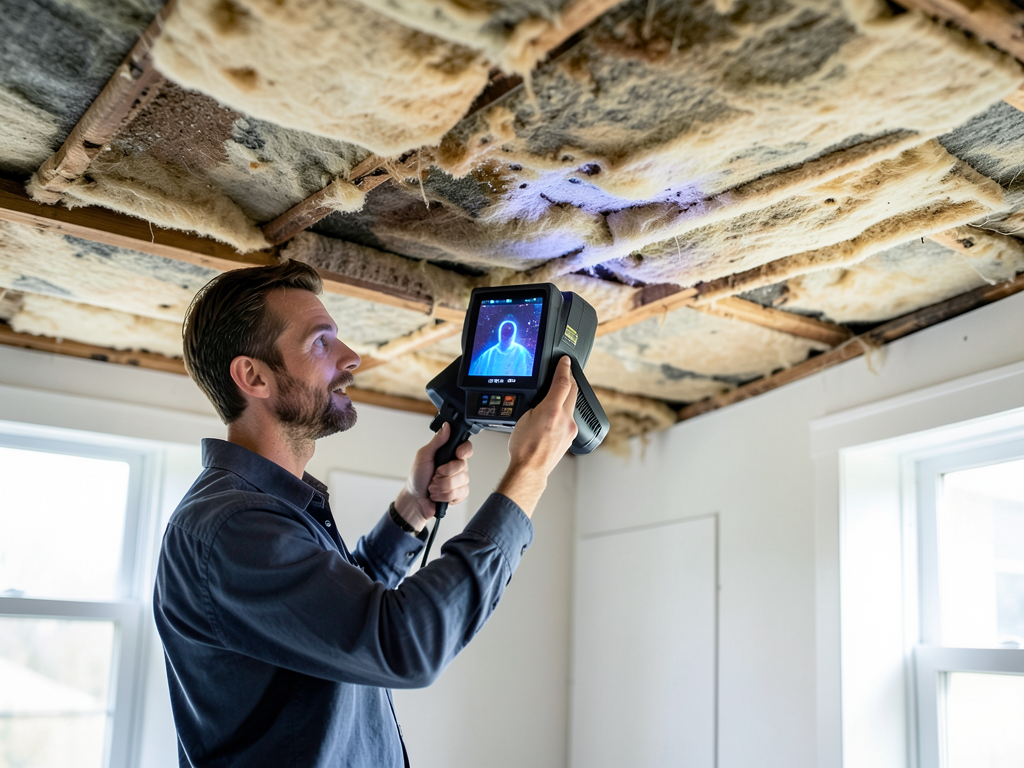
Silver Lining Water Damage Restoration follows a systematic approach that meets IICRC S500 standards for water damage restoration. First, we use thermal imaging cameras to detect moisture pockets hidden behind walls—a critical step in Raleigh’s pier-and-beam homes where water travels along joists. Second, we extract standing water with truck-mounted vacuums capable of removing 20 gallons per minute.. Read more about Hidden Moisture in the Attic (Why Your Heritage Home Feels Humid in Summer).
Third, we deploy industrial dehumidifiers and HEPA-filtered air scrubbers to reduce humidity below 40%, preventing mold spore spread. Fourth, we test moisture content with penetrating meters; wood must read below 16% moisture content before we consider the area dry. Fifth, we coordinate with licensed insulation contractors to install new material meeting current North Carolina energy codes, ensuring your restored R-value matches or exceeds the original specification. High Indoor Humidity Levels.
Types of Insulation We Handle: From Fiberglass to Spray Foam
Each insulation type reacts differently to water exposure. Fiberglass batts, common in Raleigh’s mid-century ranches, can sometimes be dried if the facing remains intact. However, once the paper backing delaminates, the insulation loses its vapor barrier properties permanently. Cellulose insulation, found in many homes built before 2000 in Cary, compacts when wet and never regains its original loft, reducing its effectiveness by up to 50%.. Read more about Fixing Water Damage in Your Mordecai Backyard Studio or Guest House.
Open-cell spray foam, popular in new construction in Apex’s suburban developments, resists water but can trap moisture against wood if there’s an underlying leak. Closed-cell foam, though more expensive, creates a moisture barrier that prevents water from reaching structural members. Mineral wool, less common in Raleigh but found in some commercial buildings, maintains its shape when wet but must be replaced if contaminated with grey or black water.. Read more about The Dangers of Secondary Water Damage (And How to Spot It Early).
Cost Factors for Insulation Replacement in the Research Triangle Area
Replacing wet insulation in Raleigh costs between $1.50 and $3.50 per square foot, depending on material and accessibility. Attic insulation replacement averages $1,500-$2,500 for a 1,500-square-foot home. Crawl space insulation, common in older neighborhoods like Mordecai, costs more—$2,000-$4,000—due to the confined space and need for vapor barrier replacement.
Several local factors affect pricing. Homes in flood-prone areas near Crabtree Creek may need moisture-resistant closed-cell foam, increasing costs by 30%. Historic districts like Oakwood require careful removal to preserve original architectural features. And Raleigh’s building code amendments in 2023 raised minimum attic R-values to R-38 for new construction, meaning replacement often becomes an opportunity to upgrade energy efficiency. Local Experts for Mold Remediation and Water Damage in Five Points.
Frequently Asked Questions About Water-Damaged Insulation
How long does it take for mold to grow in wet insulation?
In Raleigh’s 60-80% relative humidity, mold can colonize damp insulation within 24-48 hours. The North Carolina climate accelerates growth compared to drier regions. Once visible mold appears, the insulation must be removed and disposed of according to EPA guidelines for contaminated building materials.
Can I dry insulation myself with fans and dehumidifiers?
Consumer-grade equipment lacks the power to extract moisture from dense insulation materials. Professional restoration uses industrial dehumidifiers that remove 20-30 gallons of water daily versus 5-10 gallons for residential units. Without proper drying, you risk creating hidden mold colonies behind walls.
Will my insurance cover wet insulation replacement?
Most North Carolina homeowners policies cover sudden, accidental water damage from burst pipes or appliance failures. However, they typically exclude damage from unresolved maintenance issues or groundwater intrusion. We work directly with insurance adjusters to document damage and justify replacement when restoration isn’t feasible.
How can I prevent insulation from getting wet again?
Beyond fixing the immediate leak, consider installing moisture sensors in high-risk areas like attics and crawl spaces. In Raleigh’s climate, proper attic ventilation is crucial—the North Carolina code requires 1 square foot of net free ventilation area per 150 square feet of attic space. For crawl spaces, encapsulation with a 6-mil polyethylene vapor barrier prevents ground moisture from rising into insulation.
Act Fast to Protect Your Home’s Value and Health
Water-damaged insulation isn’t a problem that improves with time. In Raleigh’s humid climate, every hour of delay increases mold risk and structural damage. Whether you’re dealing with a roof leak in your North Hills office or a burst pipe in your Cary home, professional assessment determines whether drying or replacement is the right path.
Call (984) 294-5900 today to schedule your inspection. Our certified technicians arrive within 60 minutes, equipped with moisture meters, thermal cameras, and industrial drying equipment. Don’t let wet insulation compromise your home’s energy efficiency, air quality, or structural integrity. Pick up the phone and call (984) 294-5900 before the next storm hits.